REVIEW · XIAN
Xi’an Terracotta Army Entry Ticket Booking – with Guide Option
Book on Viator →Operated by Travel China Guide · Bookable on Viator
Paperwork is easy here, and the soldiers are real. This ticket option is built for foreigners who want to avoid the headache of booking in China, because your entry is linked to your passport and you can usually skip the worst lines. The value is practical: you’re buying a guaranteed entry path to one of China’s top archaeological sights, with less stress about whether your ticket will work.
My favorite part is the shuttle plan that gets you between the Terracotta Army complex and the Qin Shi Huang mausoleum area, so you’re not stuck guessing logistics. I also like the guide option when you want real context fast, not just standing in front of pits with a wall of people. The main drawback to plan for is crowds: even with smooth entry, the museum grounds can get packed, especially on weekends and peak holiday periods.
In This Review
- Key things I’d watch for before you go
- Why this booking method feels easier than sorting it in China
- Passport-linked entry and how check-in actually works on arrival
- Museum Stop: The Terracotta Army and Horses complex
- Qin Shi Huang mausoleum area: using the shuttle so you don’t lose momentum
- Should you choose the guide option, or go fully independent?
- Timing strategy: how to reduce long waits without losing the experience
- What you really get for the price (and when it feels worth it)
- Practical tips that make your visit smoother
- Who this experience is best for
- Booking decision: should you book this Terracotta Army ticket service?
- FAQ
- Do I need a passport for entry?
- Is there a guide included?
- How long does the Terracotta Army experience take?
- Does the ticket include transportation between parts of the site?
- Can I enter without exchanging anything at the ticket desk?
- What if I’m traveling as a child or senior?
- What if my plans change?
Key things I’d watch for before you go

- Passport-linked entry: Your name and passport number matter, and that ID is what you’ll use to enter.
- Shuttle between the main areas: You’ll have transport in the middle of the visit rather than figuring it out alone.
- Guide option for crowd navigation: A guide helps you understand what you’re seeing and move through the bottlenecks.
- Mobile ticket option: You may be able to load the ticket to your phone or Apple Wallet once issued.
- Going early is the crowd cheat code: Arriving very early can reduce long waits, even if the viewing areas still feel busy.
- Self-guided is possible too: If you want freedom, you can still tour independently (and there’s mention of audio guide options on site).
Why this booking method feels easier than sorting it in China

The Terracotta Army is famous, and that means two things: lots of demand and lots of lines. The tricky part for many independent travelers is that getting tickets through official China channels can be hard without a Chinese phone number or the right apps. This service exists for that exact gap, so you can plan ahead and arrive with a ticket that’s ready to work.
At a glance, you’re paying about $23 per person, and what you’re really buying is time and certainty. You’re not paying for luxury. You’re paying for fewer moments of panic near the entrance and a smoother path to the main pits.
A few more Xian tours and experiences worth a look



Passport-linked entry and how check-in actually works on arrival
This ticket is designed around one simple rule: bring your passport. Your ticket is issued in a way that requires your passport details for entry, and that also means you need to double-check that your name and passport number were entered correctly during booking.
In practice, that usually means you don’t exchange vouchers for a paper ticket. You show your passport (and in some cases a mobile ticket code if provided) and you move through entry quickly. One recurring theme in feedback is that it works with no ticket confusion once the passport check happens.
A small but important consideration: confirmations may come after issuance, and tickets are released about 7 days in advance. So don’t leave everything to the last minute. If you’re booking late, you can run into the stressful timing window where you still don’t have the issued confirmation.
Museum Stop: The Terracotta Army and Horses complex
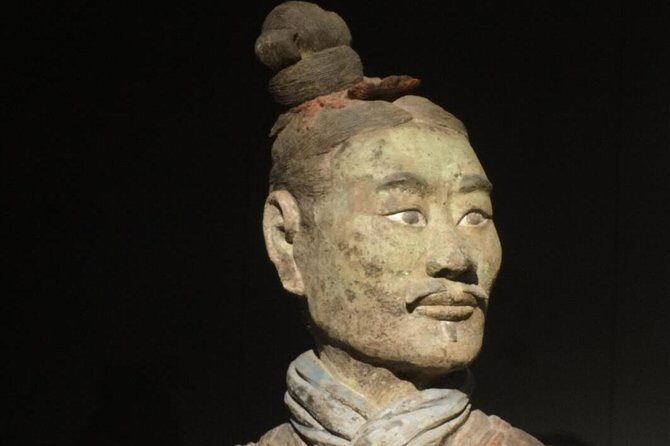
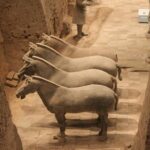
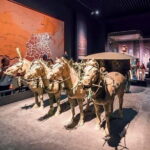
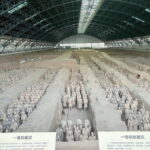
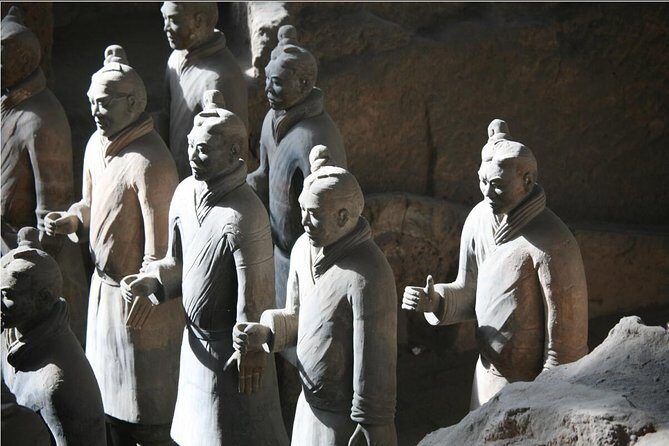
This is the main start, where you’ll see the life-size terra-cotta soldiers and horses arranged in battle formations. It’s tied to Emperor Qin Shi Huang and the First Unified Dynasty story—meaning the exhibits are built to show you not only individual figures, but also the idea of an imperial guard that was meant to stand watch.
What you should expect:
- You’ll be inside the museum grounds first, where context helps you make sense of the pits.
- The layout encourages you to understand the larger plan before you reach the big excavations.
- Expect heavy pedestrian traffic as people funnel toward the main viewing areas.
One useful on-site tip is directional: go the right way at the start. A practical suggestion I saw is to turn right and enter the museum portion that explains things before you move onward to the two big pit areas. That order helps, because the main pits hit hard, but the meaning lands better once you’ve already gotten the basics.
If you love history but hate confusion, a guide option can help a lot here. You’ll get better at recognizing the differences between formations instead of just scanning faces and armor.
Qin Shi Huang mausoleum area: using the shuttle so you don’t lose momentum
Between the key parts of the site, the ticket includes a shuttle bus. That matters more than you might think, because these areas aren’t right next door, and walking during peak crowd hours can turn into a slow shuffle. The shuttle keeps your visit on track and helps you avoid wasting your best energy on transport.
You’ll also have admission to the mausoleum area as part of the included experience. The flow is basically: start in the Terracotta Army museum complex, then move to the mausoleum area, and come back through the grounds.
One extra note for planning: the complex can offer optional shuttle rides inside certain segments, and there are also walking routes. Some visitors mention small add-on costs for internal short rides. If you’re trying to keep it simple and low-cost, just be ready to walk and climb steps.
Should you choose the guide option, or go fully independent?
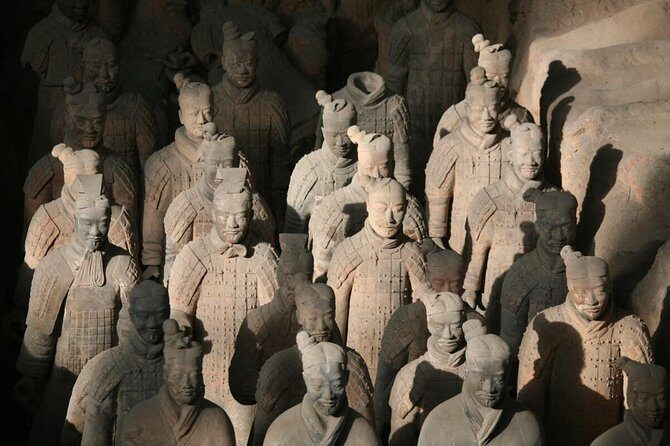
You have two paths here:
- Ticket-only: No guide, no meeting point, and you handle your own timing once you arrive.
- Ticket with guide option: A guide is provided, so you get help navigating crowds and understanding what you’re seeing.
I like the guide option for one clear reason: the Terracotta Army is visually impressive, but it’s easy to feel like you’re just moving from one pit to the next. A guide helps you interpret what the formations represent and how to move efficiently through the busiest parts.
Also, crowd navigation is not trivial. People tend to cluster, paths narrow, and slowdowns ripple fast. A guide can keep you from getting stuck behind groups who stop randomly for photos.
That said, self-guided can still work well. Some visitors said audio guide options are available, and others reported hiring a local guide at the entrance for just the time they needed. If you want maximum control, you can do that too—just remember the museum’s biggest challenge is not information, it’s people.
A couple guide names came up in feedback that can help you feel more confident about the general quality:
- Jackie was described as informative and helpful.
- Wendy was praised for being friendly, well informed, and organized, with strong English communication.
You can also read our reviews of more guided tours in Xian





Timing strategy: how to reduce long waits without losing the experience

Even if your ticket check-in is efficient, the site itself can be crowded. Weekend afternoons and holiday periods are often tough. If you’re flexible, plan for earlier arrivals.
A repeated crowd strategy is to show up very early, because over-tourism can cause human-wall effects near the main pits. You might not see everything instantly at first, but you often avoid longer waits later. Another tip is to pick a timing window where the big rush thins out; one suggested lunch-time window is around 12:30 to 1:30, when crowds may briefly reduce.
If you’re the type who wants photos without fighting shoulder-to-shoulder movement, bring a selfie stick if that’s your style. It’s not about vanity; it’s about getting shots over heads when the crowd forms a wall.
Also plan your stamina. This is a “set aside enough time” kind of visit. The experience runs roughly 2 to 4 hours, and if you want to linger, read, and photograph, it’s better to lean toward the higher end.
What you really get for the price (and when it feels worth it)
At $23 per person, you might compare this to what you’d pay if you could book directly on official channels. But direct comparisons can miss the point, because the main value here is access without the Chinese-phone booking friction.
Here’s the honest way to think about value:
- If you need tickets as a foreigner and want a simple, working entry plan, the price can feel justified fast.
- If you’re expecting that the booking price includes a full guided tour, extra transfers, or premium additions beyond entry, you might be disappointed—because the offering is mainly about tickets plus an included shuttle.
One helpful expectation check: the ticket-only option includes admission but does not include guide service or additional transportation beyond what’s included in the experience design. If you want someone to walk with you and interpret, that’s the guide option.
Practical tips that make your visit smoother
A few small habits can save time and stress:
- Keep your passport on you from arrival to entry. It’s the key.
- If you receive a mobile ticket or a code, confirm you can access your email and the ticket on your phone once you’re in China.
- Don’t assume you’ll avoid crowds just because you skipped ticket lines. You’re still walking through a popular UNESCO site.
- If you’re okay spending a little extra time, the order of stops helps. Context first (museum explanations), then pits.
Also: this is a “no golf cart” kind of visit, so you should plan for lots of walking and steps across the grounds.
Who this experience is best for
This option is a strong fit if:
- You’re traveling independently and you want to follow your own pace.
- You don’t want to gamble with last-minute ticket issues due to China-specific booking hurdles.
- You’re visiting for the first time and want the day to feel organized, even if you’re not doing a full-day tour.
It can also be a good choice if you’re short on time. The total duration is typically 2 to 4 hours, and the shuttle between key areas helps you get the essentials without wasting half the day on logistics.
If you’re someone who hates large groups and fights for space, you’ll still feel the crowd. In that case, choose your timing carefully and keep expectations realistic.
Booking decision: should you book this Terracotta Army ticket service?
I’d book it if you value predictability. A ticket that’s tied to your passport and built for foreign entry convenience can turn the Terracotta Army from a stressful checkpoint into a straightforward start to a great day.
Don’t book it expecting a magic crowd shield. The site is still popular, and you’ll share the space with tour groups and weekend visitors. If you want the best odds of enjoying the pits without constant jostling, go early or pick a gentler time window.
Finally, if you’re debating ticket-only versus guide: if history details matter to you, pay for the guide option. If you’re comfortable using context materials and want freedom, ticket-only plus self-guided works fine.
FAQ
Do I need a passport for entry?
Yes. A passport is required for entry, and your ticket is linked to your passport details. Don’t forget to bring it.
Is there a guide included?
Only if you choose the option that includes guiding services. If you select the ticket-only option, there is no guide service and no meeting point.
How long does the Terracotta Army experience take?
Plan for about 2 to 4 hours.
Does the ticket include transportation between parts of the site?
The experience includes a shuttle bus between the main areas, and the overall entry includes access to the Terracotta Army museum area and the mausoleum area.
Can I enter without exchanging anything at the ticket desk?
In many cases, you can enter using your passport (and a mobile ticket code if provided). Some e-ticket formats let you show a code and walk in, rather than exchanging for a separate paper ticket.
What if I’m traveling as a child or senior?
The official admission rules mentioned here include half-price for children aged 6–16 holding foreign passports, free admission for children under 6, and free admission for seniors 65+ (for Chinese or residents from Hong Kong, Macau, and Taiwan, free admission rules are also listed with ID requirements). Make sure you follow the age/ID rules that apply to your passport status.
What if my plans change?
Free cancellation is offered if you cancel at least 24 hours before the experience’s start time for a full refund. Changes made less than 24 hours before the start time are not accepted.
If you want, tell me your travel dates and whether you’re considering ticket-only or a guide option, and I’ll help you pick the best arrival time strategy for your day.




More Guided Tours in Xian
More Tickets in Xian


More Tour Reviews in Xian
- Mini Group Xian Day Tour to Terracotta Army, City Wall, Pagoda and Muslim Bazaar
★ 5.0 · 1,320 reviews