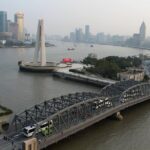
Canals, courtyards, and dumplings in one day. This full-day tour pairs Tongli’s classic canal scenery with a more low-key small-group day in Jinze, plus hands-on food and tea moments. You start with pickup from central Shanghai and you end back there the same evening.
Two things I like a lot are the UNESCO-listed Retreat and Reflection Garden at Tongli and the courtyard home lunch with tea ceremony and dumpling making in Jinze. You’re not just looking at scenery; you’re eating like people there and learning the routine.
One drawback to plan for: you’ll cover a fair amount of walking on uneven stone lanes and bridge-adjacent pathways, so comfortable shoes matter.
In This Review
- Key highlights you’ll actually care about
- Tongli and Jinze from Shanghai: what the day feels like
- The drive east: how the route sets up the experience
- First stop: Tongli’s canals, stone houses, and old bridges
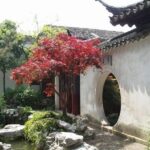
- Retreat and Reflection Garden: the calmer side of Tongli
- Heading to Jinze: a more primitive-feeling water village
- Courtyard teahouse lunch in Jinze: home-style, hands-on, and filling
- Tea ceremony: tasting ritual and learning how to read the leaves
- Optional calligraphy: try brush and ink for real
- Dumpling-making session: three versions, one satisfying payoff
- Shopping and souvenirs: where to spend without losing your rhythm
- Price and value: is $248 a fair deal?
- Who this tour is perfect for
- Who might want to choose another option
- Should you book this Tongli and Jinze water town day?
- FAQ
- What time does the tour start, and when will it end?
- How many people are in a group?
- What’s included in the price besides transportation?
- Do Tongli and Jinze include entrance fees?
- Is Chinese calligraphy part of the tour?
- What dietary needs can you accommodate?
- Is free cancellation available?
Key highlights you’ll actually care about
- Max 8 travelers keeps the pace calm and helps you hear your guide in the old-town lanes
- Tongli’s Retreat and Reflection Garden gives you a slower, scenic break from the canal streets
- Jinze courtyard teahouse turns lunch into a real home-style sit-down, not a tourist meal
- Tea ceremony + optional calligraphy adds culture that’s practical, not just a photo stop
- Dumpling making session includes learning, cooking, and eating three versions as a light early supper
- Central Shanghai pickup and drop-off saves time (and taxis) on a long day
Tongli and Jinze from Shanghai: what the day feels like
This is a classic Shanghai-area water town day, built around two different vibes. Tongli is the more famous, canal-and-garden showcase, while Jinze feels more like an old village where daily life still runs on its own clock.
You leave at 8:30am from a central Shanghai hotel in an air-conditioned vehicle. Expect the day to run to the evening—comfortably paced, but long enough that you’ll want breakfast before pickup and water in your bag.
You also get the little “stress savers” that matter in practice: entrance fees, lunch, tea ceremony, drinks, and dumpling supper are handled, and you’ll have a mobile ticket and free 4G wifi during the tour. That means less guessing and fewer lines.
You can also read our reviews of more tours and experiences in Shanghai.


The drive east: how the route sets up the experience
The trip goes east toward Tongli, south of Suzhou. On the ride, your guide sets context about the history and layout—especially how the canal system shaped daily life, trade, and even how houses face inward.
This matters because Tongli and Jinze aren’t just pretty backdrops. They’re living patterns: water routes, stone bridges, and architecture clustered around what you see from the canal sides. If you get that idea early, you walk differently through the towns.
Also, because this is a small group of eight or fewer, the vehicle time doesn’t feel like a chore. You can ask questions before you arrive and your guide can tailor tips to what you’re curious about.
First stop: Tongli’s canals, stone houses, and old bridges
Tongli is one of those places where you quickly realize the scenery isn’t only the main canal. It’s the side streets, the alley connections, and the way bridges cut the view like punctuation.
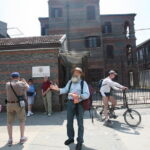
After arrival, you’ll go on foot with your guide along canal sides and through narrow lanes. You’ll see tree-lined waterfronts, older stone houses, and antique bridges—plus you’ll have time to slow down and take it in without feeling rushed.
A key detail here is history. Tongli has a 1,500-year background, and the tour is built around the idea that many residents still live with traditions that feel familiar to older patterns. You’ll likely notice that the town looks like it was designed for walking and waterways, not for cars and bus crowds.
Practical note: the best photos often come from low angles on bridge edges and from stepping into the lane where the buildings frame the canal. Bring patience for that. You’re walking.
Retreat and Reflection Garden: the calmer side of Tongli
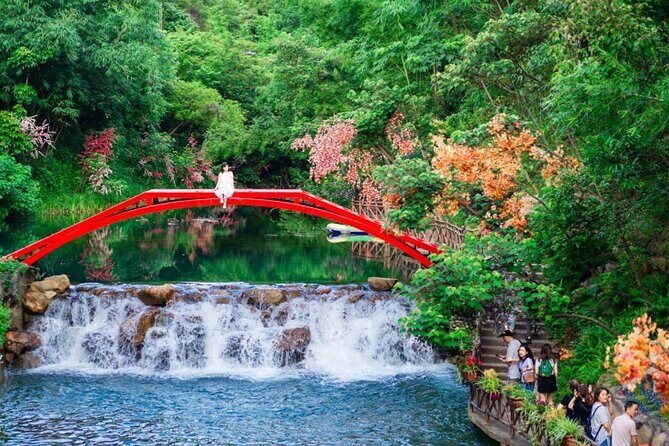
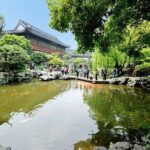
Tongli gets extra credit for the Retreat and Reflection Garden, listed as UNESCO-listed. This is a 19th-century garden designed for wandering, with winding paths, reflecting ponds, and small pavilions that create “pause points” while you explore.
What I like about this part is that it balances the day. After canal walking, the garden gives you a quieter rhythm where you can stop, look, and breathe. It also helps you understand what kind of leisure and residence space traditional scholars or wealthy families valued.
What to watch for: garden paths can be uneven in places, and you’ll likely be moving on foot again right after more walking. Pace yourself and don’t burn your legs in the first hour of Tongli.
Heading to Jinze: a more primitive-feeling water village
From Tongli you continue to Jinze, another canal town known for old architecture and the “bridge-and-water” layout. The tour emphasizes a more rustic atmosphere here, with everyday routines that feel less stage-managed.
Jinze is also presented as older in built form—some buildings date back to the Song dynasty (10th century). Whether you’re a history person or not, that age shows up in the way structures fit together and how the village feels like it grew around the water rather than around tourism.
This is where the tour shifts from “big-name postcard” to “life in a place.” You’re still sightseeing, but the energy changes from performative to personal.



Courtyard teahouse lunch in Jinze: home-style, hands-on, and filling
The heart of the Jinze portion is a courtyard teahouse experience centered on an 8-course home-style lunch. You’ll eat in a local house setting, and you’ll even get to see the kitchen activity as the home chef prepares food.
This is one of the most praised parts of the day because it’s not just a meal—it’s a window into routine. The menu is traditional and meant to be shared, and you get drinks such as fresh juice, wine, beer, and tea.
Two things to keep in mind:
- Portions are the kind you can actually enjoy without running back for snacks later.
- Drinks are included, but if you don’t drink alcohol, tea and juice are clearly part of the included options, so you can still have a comfortable meal flow.
If you’ve got dietary restrictions, don’t leave it to hope. The tour asks you to advise dietary requirements at booking, so you can get the best chance of a workable menu.
Tea ceremony: tasting ritual and learning how to read the leaves
After lunch comes a Chinese tea ceremony. You’ll sample different teas and get explanations about the leaves, the tea sets, and the history behind the ritual.
What makes this section useful is that it turns tea from a generic drink into something you can identify. Even if you’re not a tea expert, you’ll start noticing differences in fragrance and feel, and you’ll understand why the ritual steps matter.
If you like culture that’s interactive, this is a good spot. You’re not only watching; you’re tasting and asking questions. You’ll also get a breather from constant walking.
Optional calligraphy: try brush and ink for real
If you wish, the tour includes Chinese calligraphy instruction. You learn how to read and write particular words with a traditional brush and ink.
This is not presented as a “master-level” workshop. It’s more like a guided introduction that helps you understand how the stroke order and tools create different effects. Even a short session can make you look at street writing and signs with new respect.
Bring your expectations down to size and focus on the process. The fun here is trying.
Dumpling-making session: three versions, one satisfying payoff
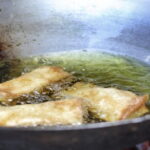
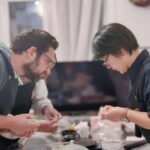
Then comes the main hands-on activity: a dumpling-making class led by your host. You’ll watch as the dough is manipulated, then you’ll make dumplings yourself.
Here’s the detail that makes it more than a quick demo: you make and cook three versions of dumplings. That means you get variation—different shapes or fillings or techniques—rather than only repeating one format.
After cooking, you enjoy your dumplings as a light early supper. This timing is smart. It keeps dinner simple back in Shanghai and gives you energy for the return ride.
If you love food experiences, this is the part that turns the day into a story you’ll remember. It’s tactile. It’s practical. And you get to eat your own work.
Shopping and souvenirs: where to spend without losing your rhythm
The tour includes time in water-town settings where you’ll have opportunities to buy local crafts. That’s useful because you can pick up small keepsakes from the places you walked through, rather than only shopping at the end of the day.
Tip: set a small budget at the start. Water towns can tempt you with lots of charming handmade items, and prices can vary. If you don’t want to negotiate, stick to fixed-price stalls and keep your spending light.
Price and value: is $248 a fair deal?
At $248 per person, this isn’t a “budget day trip.” But the price includes a lot of the stuff that quietly drives costs up on your own: central hotel pickup and drop-off, a guide, entrance fees, lunch, tea ceremony, dumplings, and drinks.
For many people, the value is the combination:
- Tongli + Jinze in one day (two towns, not one)
- Cultural add-ons (tea ceremony, and optional calligraphy)
- A real cooking class with food at the end
- Small-group pacing (max eight)
If you compare this to doing Tongli and Jinze separately, you’d need transport, tickets, and planning time. This tour handles a big chunk of that work for you. The main “cost” is time on your feet—so wear good shoes and treat the day like an activity, not a casual stroll.
Who this tour is perfect for
You’ll likely enjoy this tour if you want:
- Two water towns in one day without handling transport and tickets yourself
- A mix of scenery and culture—gardens, tea ceremony, and calligraphy
- An eating experience that’s part of the itinerary, not an afterthought
- Small-group energy where you can ask questions and move at a human pace
It’s also a good fit if you like hands-on food learning and you don’t want to spend your evening figuring out where to eat local dumplings.
Who might want to choose another option
You might think twice if:
- You don’t enjoy walking on uneven ground and around lots of bridges and lanes.
- You prefer long, slow “wander whenever” time with no schedule.
- You want a totally informal food tour with no structured tea or calligraphy component.
This is guided and structured by design, so it rewards people who are happy to follow a plan.
Should you book this Tongli and Jinze water town day?
I’d book it if your ideal Shanghai day trip looks like this: walk canal lanes, visit a top garden, eat a real home-style lunch in a courtyard setting, and then finish with dumplings you helped make. The strong point is how the day mixes sightseeing with practical culture—especially the Jinze meal, tea ceremony, and dumpling class.
Skip it if you’re chasing a mostly-resting, minimal-walking outing. This tour is active, even with a good pace. If you go prepared with comfortable shoes and a steady attitude, you’ll get your money’s worth in experiences you can taste and remember.
FAQ
What time does the tour start, and when will it end?
The start time is 8:30am. The tour is described as about 8 hours long, with one day pacing example running from around 8:30am to 7:00pm.
How many people are in a group?
The group maximum is 8 travelers per booking, so you’ll stay in a small group.
What’s included in the price besides transportation?
The price includes a tour guide, comfortable minivan with driver, home-style lunch, tea ceremony, and a dumpling cooking session. It also includes entrance fees, drinks (fresh juice, beer, wine, Baijiu Mao Tai, and tea), and central Shanghai hotel pickup and drop-off.
Do Tongli and Jinze include entrance fees?
Yes. Entrance fees are included, and you’ll have guided exploring on foot in Tongli and a hosted courtyard experience in Jinze.
Is Chinese calligraphy part of the tour?
Calligraphy is included as an option. If you wish, you can try calligraphy with instruction using brush and ink.
What dietary needs can you accommodate?
You should advise specific dietary requirements at booking. The tour notes this so the team can try to handle your needs.
Is free cancellation available?
Yes. You can cancel for a full refund if you cancel at least 24 hours in advance of the experience’s start time.