REVIEW · BEIJING
Two-Day Package of Beijing Highlights Private Tour with Optional Evening Show
Book on Viator →Operated by Demi Beijing Private Tours · Bookable on Viator
Two days, zero guesswork. This private Beijing package is interesting because you get a tight, well-paced plan for the city’s biggest landmarks, with an English/Chinese guide and an air-conditioned car doing the heavy lifting; I especially like the included entrance tickets and the round-trip cable car and toboggan experience at Mutianyu, and I also like how the guide (often Demi Deng) keeps the explanations clear and the day workable even with kids. The main drawback is simple: you’ll be paying for your own meals, plus any optional evening show tickets and gratuities.
If you want your Beijing trip to feel organized without feeling rushed, this is a smart fit. Reviews-style feedback around Demi’s approach points to patience, flexibility, and strong English, so if you’d rather slow down at a particular hall or need a quick plan tweak, you usually can. It’s also a private setup, so you’re not stuck following a fast-moving group pace.
One more practical note: you’ll need passport details (name and number) to secure attraction tickets, and you should wear comfortable shoes. The itinerary runs in all weather, so dress for the day you actually get—not the forecast you hope for.
In This Review
- Key highlights you’ll feel quickly
- The overall pace: 8–9 hours that doesn’t feel like a marathon
- Tiananmen Square: a huge open space with massive symbolism
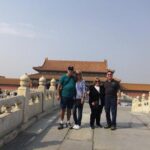
- Forbidden City (Palace Museum): understanding the layout beats rushing it
- Hutong alley tour: old Beijing in one focused hour
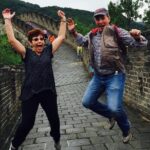
- Mutianyu Great Wall: the “best-preserved” section with easier logistics
- Summer Palace: royal gardens after the Great Wall
- Water Cube and Bird’s Nest: quick Olympic-era photo stops
- Price and what your $379 really buys
- Temple of Heaven: a meaningful stop you shouldn’t skip
- Optional evening shows: how to decide without regrets
- What to know before you go (so the day stays smooth)
- Who this tour is best for
- Should you book this two-day Beijing highlights private tour?
Key highlights you’ll feel quickly
- Private, bilingual guidance that ties landmarks together with real context, not just dates and directions
- Tiananmen Square and Forbidden City tickets included, so you spend time looking, not lining up
- Hutong alley tour that shows how everyday historic Beijing neighborhoods work
- Mutianyu Great Wall rides included (round trip cable car/chairlift up, toboggan down) for an easier day on your legs
- Summer Palace after the Great Wall, so you get gardens and lakes when the big climbs are done
The overall pace: 8–9 hours that doesn’t feel like a marathon
This is a two-day package built around major highlights, with about 8 to 9 hours per day of sightseeing time. The structure is practical: you tackle the famous city-center sites first, then go out to the Great Wall and finish with the Summer Palace. Because it’s private, the schedule can usually flex around your group’s speed—one reason people trust this plan for first-time Beijing visits.
You’ll also appreciate that the guide keeps the story connected across stops. A lot of Beijing tours feel like separate errands. Here, the day is arranged so you can understand what you’re looking at, even if your background is light.
You can also read our reviews of more private tours in Beijing
Tiananmen Square: a huge open space with massive symbolism
Tiananmen Square is so large—44 hectares, enough for about half a million people—that it can feel almost abstract at first. That size is part of why it’s historically important: the square has been a stage for major events in China’s modern story, and today it still functions as a cultural symbol people recognize instantly.
On this tour you spend about 45 minutes, which is long enough to orient yourself and take in the scale without burning the whole morning. If you want photos, this is where you’ll want to plan quickly, since other stops will follow and timing matters.
A small consideration: the square is open and exposed. If the day is cold or windy, you’ll feel it. Dress for the weather and keep your coat accessible.
Forbidden City (Palace Museum): understanding the layout beats rushing it
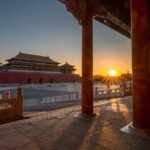
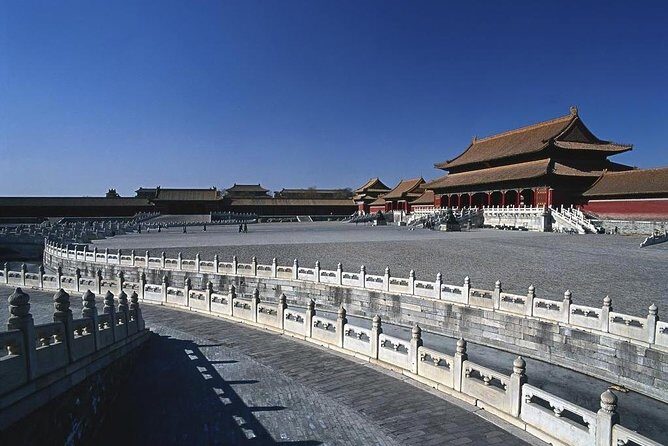
The Forbidden City—also called the Palace Museum—was the imperial palace for the Ming and Qing Dynasties. What makes it special is not just the buildings; it’s the system of space: courtyards, halls, and routes that were designed for how power was shown and carried out. With a bilingual guide, you can connect that layout to what you’re seeing, instead of getting lost in a maze of details.
You have about 2 hours here. That’s a workable chunk if your goal is to grasp the big picture: what the palace was, how it functioned, and why it remains so central to Beijing’s identity.
Possible drawback: with only two hours, you won’t see everything in microscopic detail. If you have a strong interest in a specific subset—like a particular era, specific artwork, or themed rooms—ask your guide to prioritize those areas early so your time stays useful.
Hutong alley tour: old Beijing in one focused hour
A hutong is an old-style alleyway typical of traditional Beijing neighborhoods. On this plan, you spend around 1 hour walking through this living museum of folk life and neighborhood history. The point isn’t to treat Hutongs like a theme park. It’s to notice daily rhythm—tight lanes, traditional street layouts, and the sense that the past still shapes how people move through the city.
Tickets are included for this portion, and you’ll also have the option to add experiences not included in the tour. A key example: a Hutong rickshaw ride is not included, so if you want that specific, slow-and-classic style ride, budget extra.
Shoes matter here. Hutongs involve walking on uneven surfaces. Comfortable, grippy footwear is the real luxury.
Mutianyu Great Wall: the “best-preserved” section with easier logistics
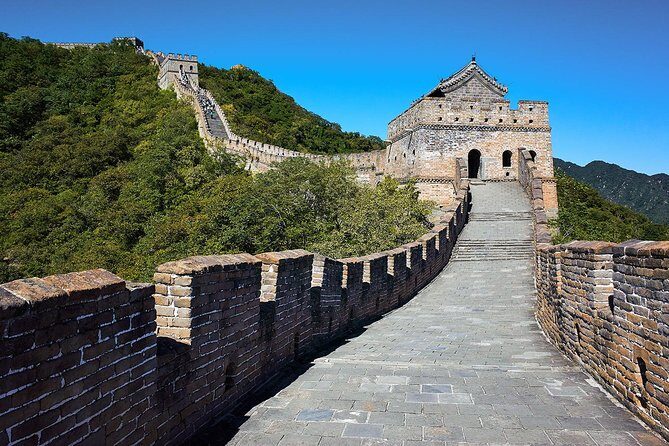
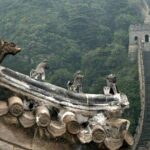
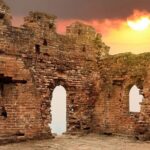
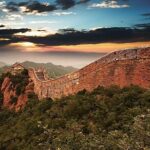
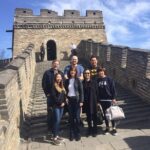
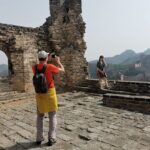
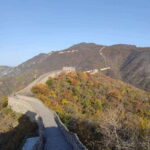
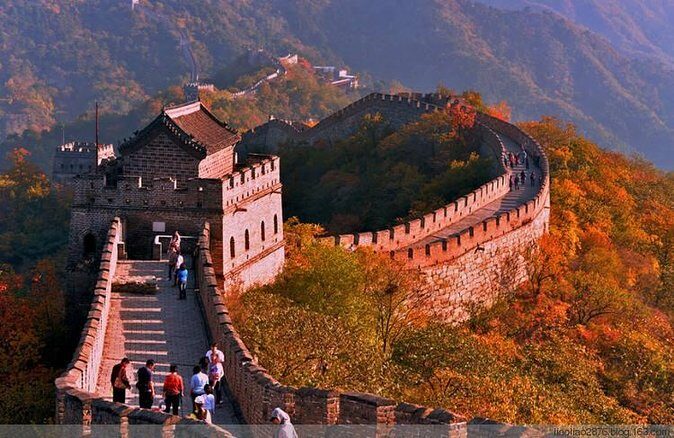
Mutianyu is one of the better-known Great Wall sections and is often described as among the best-preserved areas. The big advantage for your day is that the included transport helps you avoid the steepest parts of the climb.
You get round-trip cable car or chairlift up, then toboggan down. That means you can spend more of your energy on the views and less on negotiating the hardest slope. If you’re traveling with kids, older adults, or anyone who prefers to save legs for sightseeing, this is a big value.
Plan for about 2 hours at the wall. You’ll want to bring water and keep an eye on where you’re positioned for views. The Great Wall changes depending on the weather—so if it’s hazy or clear, adjust your expectations and keep moving to find the angles you want.
Small reality check: Mutianyu is still the Great Wall. Even with easier transport, you’ll be walking on stone and stairs. The tour asks for moderate physical fitness, so don’t pretend this is a sit-and-look-only stop.
You can also read our reviews of more evening experiences in Beijing
Summer Palace: royal gardens after the Great Wall
After Mutianyu, you head to the Summer Palace (Yiheyuan) for around 1 hour 30 minutes. This is the kind of stop that changes the tone of the trip. Instead of fortifications and stone steps, you shift to water and garden design—an imperial space built to be enjoyed, not just defended.
The Summer Palace is known for being one of China’s largest and best-preserved royal gardens, and the way it blends natural scenery with cultural design is a major reason it earns its place on every Beijing highlight list. A good guide helps you see the logic behind where structures sit and how the grounds were planned.
Practical tip: this stop can be visually packed but not physically punishing compared to the Wall. Still, you’ll be walking, so keep your shoes on standby.
Water Cube and Bird’s Nest: quick Olympic-era photo stops
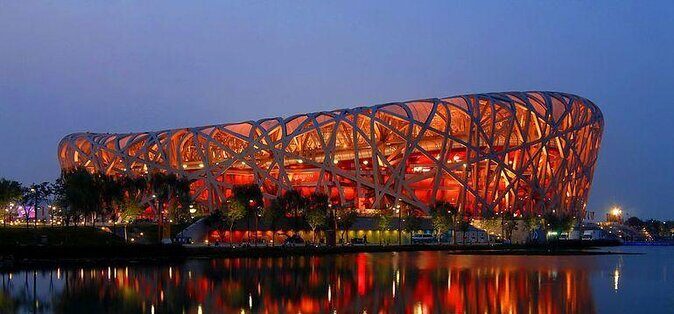
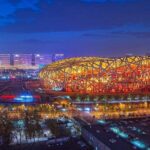
The package also includes stops tied to the Beijing National Aquatics Center (Water Cube) and the National Stadium (Bird’s Nest). The information provided doesn’t give set times or admissions here, so expect these as photo-and-orientation moments rather than long museum-style visits.
Even as quick stops, they’re useful because Beijing is easier to understand when you connect eras: imperial power in the Forbidden City, modern national identity in iconic Olympic architecture, and everyday history in the hutongs.
Price and what your $379 really buys
At $379 per person, this tour can be good value if you compare it to the real cost of doing it solo with separate ticketing and getting from place to place on your own.
Here’s what’s included:
- Fully bilingual English/Chinese guide
- Air-conditioned vehicle with a private driver (non-smoking)
- Round-trip cable car/chairlift and toboggan at Mutianyu
- Entrance tickets for Tiananmen Square, Forbidden City, Hutong tour, Temple of Heaven, Great Wall at Mutianyu, and Summer Palace
- Bottled water
And what’s not included:
- Lunch/most meals (you pay your own)
- Hutong rickshaw ride
- Evening show tickets (acrobatic or kung fu options)
- Gratuities for guide and driver
When meals aren’t included, it’s easy to overspend. I’d plan either simple spots your guide suggests, or carry snacks if your group prefers steadier energy. Also, because gratuities aren’t included, decide your comfort level before you go.
Temple of Heaven: a meaningful stop you shouldn’t skip
Your included attractions mention the Temple of Heaven. This is one of those Beijing sites that adds depth beyond the palace-and-wall theme. The guide’s role matters here because the meanings behind the halls and design are easier to appreciate with an explanation than with guesswork.
Even if you’re not chasing symbolism, it’s still a beautiful complex to walk through. Build in time to look around, not just snap a few photos and move on.
Optional evening shows: how to decide without regrets
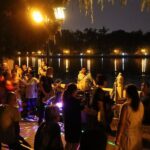
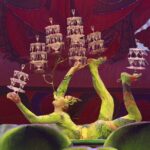
The tour offers optional evening entertainment like acrobatic or kung fu shows for an additional cost. The listing data doesn’t include pricing or which specific theater you’ll attend, so your decision should be based on your interest level in performance rather than expecting every show to be the same.
If your day felt packed, an evening show can be a nice way to end with something different. If you prefer quieter evenings, skip it and use the extra time for a relaxed dinner near where you’re staying.
What to know before you go (so the day stays smooth)
A few details matter more than you’d think on a two-day highlights plan:
- Passport details are required for ticketing. Have your name and passport number ready at booking.
- Weather happens. The tour runs in all weather conditions, so bring layers and dress for rain/cold if needed.
- Vegetarian option exists. If your group needs vegetarian meals, tell the organizer at booking (you still pay for meals, but this helps planning).
- Mobile ticket is provided, which helps reduce paper hassle.
- Comfortable shoes are non-negotiable. You’ll be walking at multiple stops, including Hutongs and the Great Wall area.
- It’s private. Only your group participates, which makes timing more flexible than a shared group tour.
Who this tour is best for
This package is ideal if you:
- Want a first-time Beijing overview without bouncing between too many ticket lines
- Prefer a private guide who can adjust pace for your group
- Care about the history and meaning of major landmarks, not just photos
- Want an easier Great Wall day thanks to the included rides at Mutianyu
It may be less ideal if you:
- Want fully guided dining or all-inclusive meals
- Have deep interests requiring more time inside museums and halls beyond what a 2-hour Forbidden City block allows
Should you book this two-day Beijing highlights private tour?
If you want a smart, efficient way to hit Beijing’s headline sites while staying comfortable, I’d lean toward booking. The mix of included tickets, the Mutianyu cable car and toboggan, and a bilingual private guide turns a big first-visit itinerary into something you can actually enjoy.
Make your decision based on two things:
- Are you okay paying for your own meals and any optional show?
- Does the pace fit your group’s walking ability (moderate fitness is expected)?
If yes, this tour is a strong way to see Beijing without turning your trip into a logistics puzzle.