REVIEW · DUNHUANG
3-Day Private Silk Road Tour of Dunhuang: Mogao Grottoes, Yulin Grottoes, Crescent Moon Pool
Book on Viator →Operated by Silk Road Angel Tours · Bookable on Viator
Three days in Dunhuang, perfectly paced. This private Silk Road route strings together the border passes, then hits the big-gate cave sites and finishes at the sand-and-water classic. You get hotel pickup and included admission for a trip that stays efficient instead of turning into ticket-line math.
What I like most is the feel of a true private day: you ride in an air-conditioned vehicle and your guide can pace the sights around your questions. You also get lunch each day plus the attraction tickets handled for you, so you spend less time hunting for money or figuring out what to pay and more time looking at what matters.
The main thing to consider is that this is a packed 3-day run with long stretches in a desert zone. If you’re hoping for lots of unscheduled wandering or slow strolls, you may find you want more downtime than the schedule allows.
In This Review
- Key things to know before you go
- Why this private Silk Road route feels easier in real life
- Day 1: Yangguan Pass and the Han frontier story
- Day 1 wraparound: Yumen Pass and the Great Wall of the Han Dynasty
- Day 2 morning at Mogao Grottoes: scale, murals, and meaning
- Crescent Moon Pool and Singing-Sand Dunes: the sand-and-water contrast
- Day 3 caves and ruins: Yulin Caves and Suoyang City
- What’s included (and why it matters for your sanity)
- Price and value: what you’re really paying for
- Practical tips for your desert-proof packing list
- Should you book this private 3-day Dunhuang Silk Road tour?
- FAQ
- What is the meeting time for the 3-day tour?
- What is included in the tour price?
- Do I need to buy attraction tickets separately?
- Is lunch provided during all three days?
- Can the tour accommodate vegetarian meals?
- What travel documents do I need?
- Is free cancellation available?
Key things to know before you go
- Private guide, private transport: the day stays flexible, not stuck to a big bus pace.
- All entrance fees included: you avoid the ticket scramble and extra payments on the fly.
- Mogao Grottoes scale is huge: you’ll see why it matters with 492 grottoes, 45,000 sq m of murals, and 2,400 statues.
- Digital Film Center prep: a good way to understand what you’re about to see at Mogao.
- Optional add-ons on Day 2: camel riding and the Silk Road show are extra, so decide based on your energy.
- Yulin as Mogao’s sister: it shares roots in style and subject, but gives you a different cave atmosphere.
Why this private Silk Road route feels easier in real life
Dunhuang rewards planning. The sights are spread out, and the comfort gap between a private setup and a group bus can be the difference between enjoying the day and feeling fried. Starting around 8:30 am, you’re positioned to hit the major sites while it’s still manageable and before crowds build too much.
This tour is built around a simple promise: you get private transportation and a guide who can keep your day moving without rushing your brain. You’re not bouncing between stops trying to coordinate your own tickets. Instead, admission is included, bottled water is part of the plan, and lunch shows up on schedule.
If you like a guide who pays attention to small details and can steer you toward local culture and food, the tone here matches that. One standout name from past tour experiences is Lily, described as very attentive and good at sharing what to notice around you, not just reciting facts.
You can also read our reviews of more private tours in Dunhuang
Day 1: Yangguan Pass and the Han frontier story
Your first day anchors the Silk Road in the places where travel history meets geography. You begin with Yangguan Pass and its museum, where the focus is on how this border corridor functioned in ancient times. The museum adds context fast, so when you look at the pass area outside, you’re not staring at scenery without a frame.
Yangguan matters because it was part of the older mental map of the Silk Road: routes and passes were not just lines on paper. They were checkpoints tied to security, movement, and trade. A museum stop early helps you connect the dots before you move on to other frontier landmarks.
What can feel like a drawback on Day 1 is that pass-and-museum days can be emotionally quieter than cave sites. If your main goal is murals on stone, you might wish you were at Mogao sooner. But that early grounding pays off later, especially when you start thinking about why these cities and grottoes grew where they did.
Day 1 wraparound: Yumen Pass and the Great Wall of the Han Dynasty
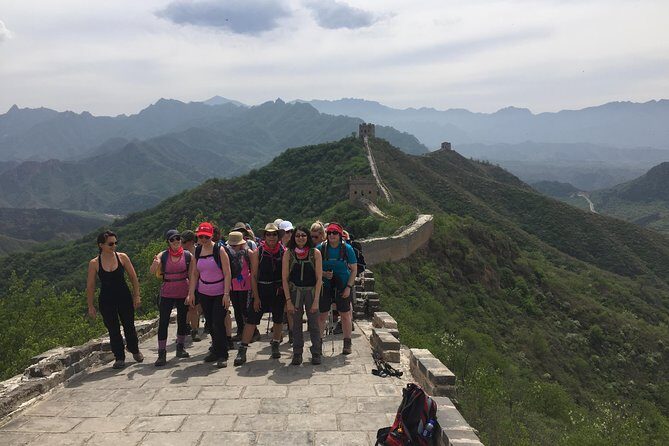
After Yangguan, you head to Yumen Pass (Jade Gate Pass) and the Great Wall of the Han Dynasty. This is the border side of the Silk Road story, where the physical world makes the history feel real. Yumen is the kind of place where the name alone hints at the draw, but the real value is in seeing how passes worked as gatekeepers.
The Great Wall of the Han Dynasty connection adds a layer beyond trade routes. In this area, the idea isn’t just commerce. It’s also the long effort to control movement through harsh terrain. You get the benefit of seeing both the pass and the wall context in one day, rather than treating them like two separate, unrelated stops.
If you’re sensitive to heat and glare, this kind of site is where your morning comfort matters. The tour’s air-conditioned vehicle helps you reset between stops, but once you’re outside you’ll want practical sun protection. That’s a good habit across all three days.
Day 2 morning at Mogao Grottoes: scale, murals, and meaning
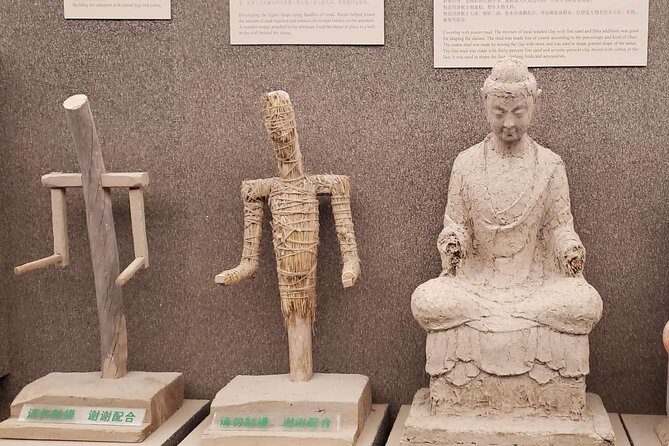
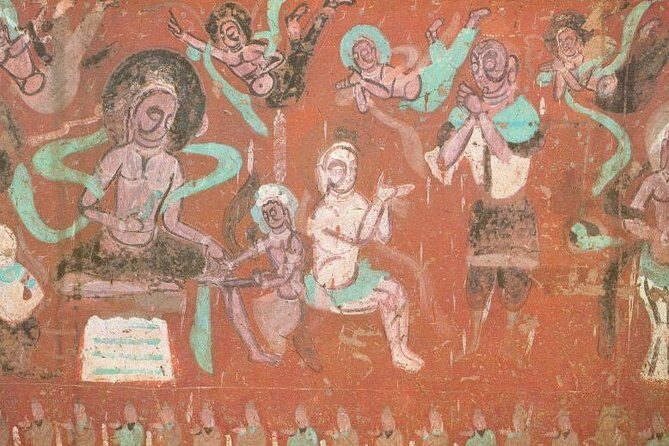
Day 2 is the big one: Mogao Grottoes plus the Digital Film Center. Mogao is famous for a reason. You’re looking at a site with 492 grottoes, about 45,000 square meters of murals, roughly 2,400 painted statues, and over 250 residential caves still remaining. That is not just a famous collection; it’s a city of art in stone.
The Digital Film Center plays a smart role. Even if you’re an experienced museum person, stepping into Mogao without preparation can feel overwhelming. This center gives you a way to orient your eyes so you can spot themes and styles instead of only marveling at the quantity.
At Mogao, the practical advantage of this tour is that included admission means you can focus on timing and pacing. You’re not juggling tickets, wondering what’s sold out, or spending energy figuring out what entrance desk you need. You show up, you go in, and your guide helps you keep your attention where it counts.
A possible consideration: Mogao is visually intense. If you’re the type who gets mentally overloaded, ask your guide to slow your route through the caves you visit. A private setup makes that possible.
Crescent Moon Pool and Singing-Sand Dunes: the sand-and-water contrast
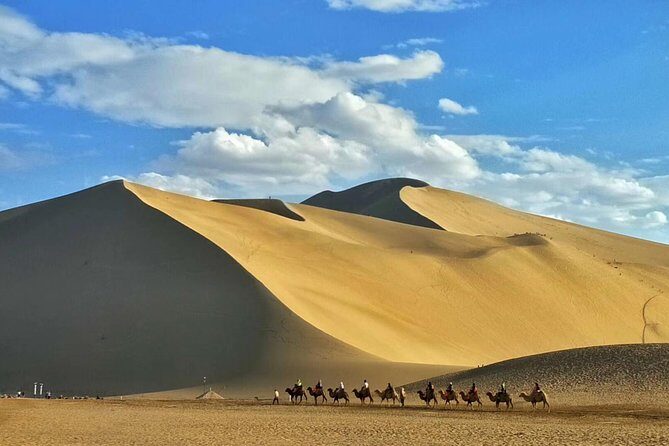
After lunch, the tour shifts to the other Dunhuang classic: Crescent Moon Spring and the Singing-Sand Dunes. This is where the Silk Road starts to feel less like a border story and more like daily survival in a desert environment. Crescent Moon Pool gives you the water contrast. Then you step toward dunes where wind and sand create that famous sound.
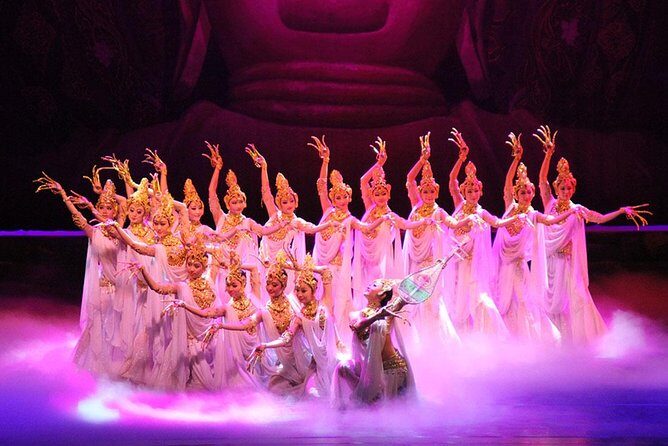
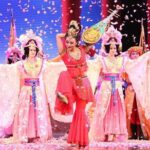
The itinerary also includes optional experiences: camel riding and a Silk Road show. Because these are optional, you can match the day to your energy level. If you’re happy doing a short ride for photos and the novelty, camel riding can be a fun add. If you’d rather save your legs for more cave time, you can skip it and just enjoy the spring and dunes on foot.
One thing I’d plan for: at Singing-Sand Dunes, conditions can shift fast with wind and sun. The tour includes bottled water, which helps, but bring your own sun gear mentality. Think hat, sunglasses, and layers you can peel off.
Day 3 caves and ruins: Yulin Caves and Suoyang City
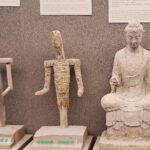
Day 3 starts with Yulin Caves, often described as tied to Mogao through shared origins in content, artistic style, and painted forms. It’s considered a sister site, and the idea matters: you’re not seeing a random second cave stop. You’re seeing a parallel tradition that gives you a broader view of what was happening across time and region.
Yulin tends to complement Mogao. Mogao can dominate your senses because of its scale. Yulin helps your brain recalibrate. You start noticing patterns, variations, and the way artists approached similar subjects differently. If you’re trying to understand why these caves mattered, Day 3 is where that understanding clicks.
After lunch, you move to the ruins of Suoyang City, a stop that used to be very important on the Silk Road and is listed as UNESCO in 2015. This part is about space and time, not just art. Ruins can be hard to read if you don’t have context, so a guide is useful here to help you imagine how the area functioned when it was active.
As a bonus, the city-ruins angle helps balance the cave-heavy schedule. You end your tour with a sense of how people lived and moved, not only how faith and art were painted.
What’s included (and why it matters for your sanity)
This is one of the cleaner ways to do Dunhuang: you get the pieces that usually cause headaches handled in advance. Included are:
- Local guide
- Transport by air-conditioned minivan/coach
- Hotel pickup and drop-off
- Bottled water
- Lunch (3) each day
- Admission to the attractions
- Mobile ticket
In practical terms, this means you’re not doing a second vacation inside your vacation: no constant payments, no last-minute ticket hunting, and fewer chances to end up at the wrong booth. If you’ve ever arrived at a major sight after a tiring ride and had to start solving logistics with limited language and limited patience, you’ll appreciate how much easier this format is.
Alcoholic drinks are not included, so if you want wine or beer with dinner, you’ll need to handle that on your own.
Price and value: what you’re really paying for
At $799 per person for about 3 days, this isn’t the cheapest way to see Dunhuang. But private tours cost more for a reason: you’re buying time savings, comfort, and coordination.
What’s valuable here is the package nature of it. Your money covers a private guide, air-conditioned transport, hotel pickup/drop-off, three lunches, bottled water, and all attraction admission. When those items are bundled, the trip often ends up being less stressful than a cheaper DIY plan where you later discover that entry tickets, guided interpretation, and meal scheduling were the real expense.
This tour tends to make the most sense if you fall into one of these groups:
- You want a private Silk Road experience without doing logistics yourself.
- You care about cave sites and would rather spend your energy on seeing and understanding, not ticket procedures.
- You’re traveling with someone who appreciates comfort and a smooth schedule.
Practical tips for your desert-proof packing list
The tour handles transport and water, but you still need to be ready for the physical setting of Dunhuang. A few practical reminders that help you enjoy all three days:
- Dress for temperature swings: mornings can feel different than later in the day.
- Wear sun protection and bring it with you when you’re outside, especially around pass areas and dunes.
- Plan for walking on uneven ground at grotto areas and ruins.
- Keep your day flexible in your head if you get tired after Mogao or Yulin. Private pacing is a real advantage.
- If you have dietary needs, tell the operator at booking. A vegetarian option is available, but you need to request it in advance.
Should you book this private 3-day Dunhuang Silk Road tour?
If your goal is a structured, comfortable way to see Mogao Grottoes, Yulin Caves, Yangguan Pass, Yumen Pass, and the Crescent Moon Pool / Singing-Sand Dunes combo, this tour is a strong fit. You’re paying for convenience and for having someone help you interpret what you’re looking at, especially at Mogao where preparation really helps.
I’d skip it only if you want lots of free time to wander without a plan, or if you’re hoping for a slower, lighter schedule. Otherwise, this is the kind of itinerary that turns limited time into real sight value, with less friction along the way.
FAQ
What is the meeting time for the 3-day tour?
The start time is listed as 8:30 am.
What is included in the tour price?
The tour includes a local guide, transport by air-conditioned minivan/coach, hotel pickup and drop-off, bottled water, lunch each day (3), and admission to the attractions. The price is $799 per person.
Do I need to buy attraction tickets separately?
No. Admission to the included attractions is part of the tour, and you’ll use a mobile ticket.
Is lunch provided during all three days?
Yes. Lunch is included each day for the 3-day itinerary.
Can the tour accommodate vegetarian meals?
A vegetarian option is available. You should advise the operator at booking if you need it, along with any other dietary requirements.
What travel documents do I need?
You’ll need a current valid passport on the day of travel. The operator also requires your passport name, number, expiry, and country when booking.
Is free cancellation available?
Yes. You can cancel up to 24 hours in advance for a full refund. If you cancel less than 24 hours before the experience starts, the amount paid is not refunded.