REVIEW · BEIJING
3-hour Morning/Afternoon Tea Tasting on Maliandao Street & Dimsum
Book on Viator →Operated by Lily's Tour Company · Bookable on Viator
Eight teas and dimsum, all in three hours. This Maliandao Street small-group tour strings together a tea ceremony and a guided tasting of multiple styles of Chinese tea, then wraps in dimsum and a walk through the tea trading streets. You start with an easy subway meetup near Line 7 Wanzi, which means less time figuring out transit and more time on your stomach.
What I like most is the small size: max 15 people keeps the experience personal during the tastings and questions. I also like how the tour pairs tea with food, with dimsum dishes such as steamed soup buns, shrimp ravioli, and even chicken feet on the menu. One thing to consider: if you are picky about stronger-flavor bites, you’ll want to speak up early or choose the vegetarian option when booking.
In This Review
- Quick highlights worth your attention
- A three-hour tea and dimsum plan on Maliandao Street
- Where you meet: Line 7 Wanzi and how to avoid confusion
- The tea ceremony and eight-tea tasting: what you’re really learning
- Dimsum lunch: the dishes and how to approach them
- Maliandao’s tea trading street walk and two tea shop stops
- Price and value: is $99 a fair deal for three hours?
- Best fit: who should book this tea and dimsum tour
- A few practical tips before you go
- Should you book it?
- FAQ
- How long is the tea and dimsum tour?
- Do I choose a morning or afternoon tour?
- What meeting point should I use?
- How many teas do I taste?
- Is a meal included?
- Does the tour include a tea ceremony?
- Is there a vegetarian option?
- How big is the group?
- What is the price?
- What is the cancellation policy?
- Is mobile ticketing used?
Quick highlights worth your attention
- Eight-tea tasting with a real ceremony led by a guide, not just loose samples
- Dumpling and dimsum lunch included, built around classic street-friendly favorites
- Maliandao Tea Street meeting point near Line 7 Wanzi, easy to reach
- Two tea shop stops where you can compare types like green, oolong, black, puer, and white
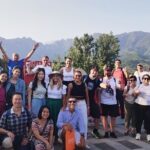
- Small group cap (15) so you can ask questions without crowd noise
A three-hour tea and dimsum plan on Maliandao Street
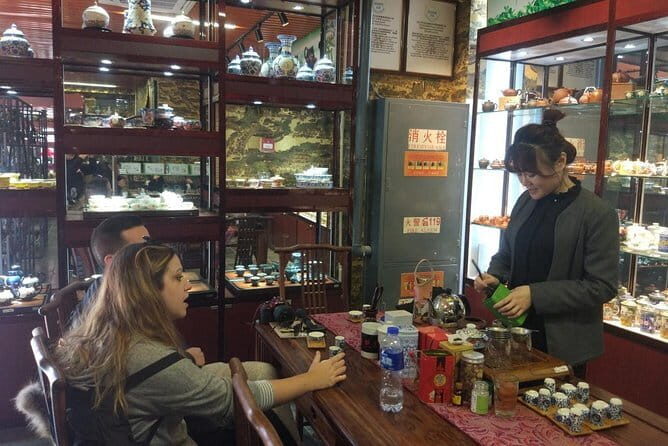
If you want Beijing food that feels specific, not generic, Maliandao Street is a great place to start. This tour uses that location well: it’s not a long marathon. You get tea education, you get a meal, and you get a chance to see how people actually talk about tea in the market area.
The schedule is built around two “anchors.” First comes the tea ceremony and tasting, where your guide walks you through how the teas differ and what to notice. Then you shift gears to dimsum, eating steamed and savory dishes that match the tea-drinking culture of the area. It’s a simple formula, but it works.
You can also read our reviews of more food & drink experiences in Beijing
Where you meet: Line 7 Wanzi and how to avoid confusion
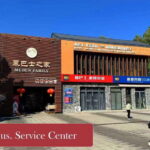
Meet at the subway area on Line 7 near Wanzi. The details you’ll see for the exact exit can vary between directions given for the experience, including Wanzi Exit C or Exit D. The safest move: when you book, read the confirmation message carefully and follow the exact exit listed there.
Why this matters: tea tastings move quickly once the group is together. With a clear subway start, you’ll keep the tour on schedule without stress. Also, being near public transit is genuinely practical here, since Maliandao is easiest to reach by metro rather than trying to fight traffic.
At the end, the tour finishes back near the meeting area, and you’ll either head back to the subway or get help getting a taxi.
The tea ceremony and eight-tea tasting: what you’re really learning
The heart of the experience is the tasting session, led by your guide. The tour includes sampling eight different kinds of tea, with a structured ceremony style rather than random sips.
What you should expect to cover:
- How different tea categories taste and smell
- How each type changes as you move through the tasting set
- Practical guidance on what to notice so you don’t just think everything tastes “like tea”
The categories named for this tour are the ones that matter in real Beijing tea culture: green tea, oolong, black tea, puer tea, and white tea. By the time you reach the later samples, you’ll usually start noticing patterns—lighter profiles versus deeper ones, fresh versus fermented notes, and how sweetness or bitterness shows up as you reset between cups.
A small-group tasting also helps you get clarification. If you’re curious about how a tea is made or why a certain one feels stronger, you can ask and get an answer tailored to the group. On at least one run, the guide was described as warm and helpful—someone like Renny—so the tone tends to be friendly, not stiff.
One practical tip: drink steadily, and don’t rush the first few cups. If you go too fast, all the flavors blur together.
Dimsum lunch: the dishes and how to approach them
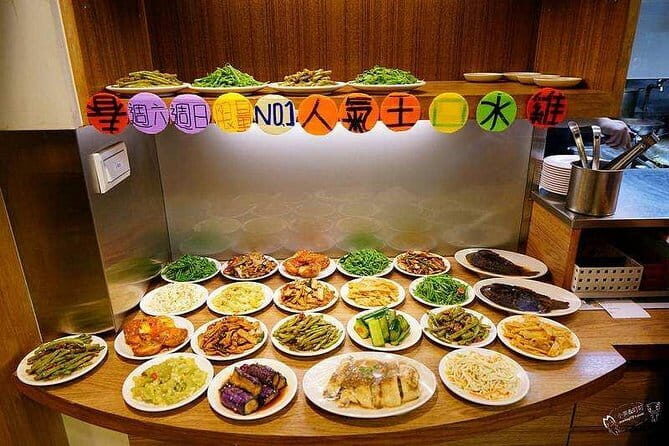
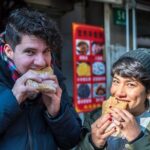
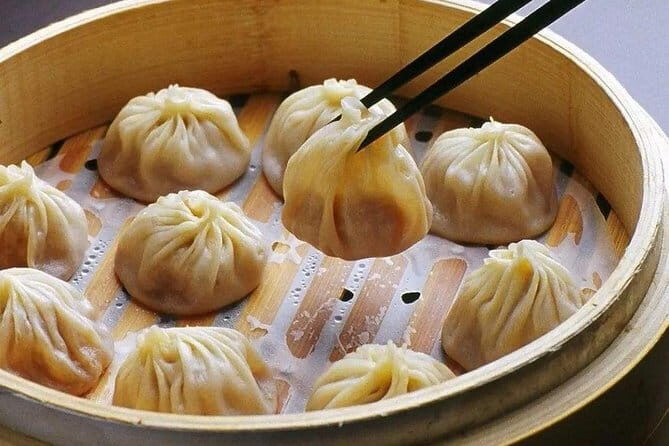
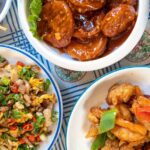
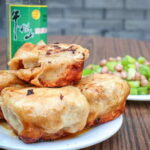
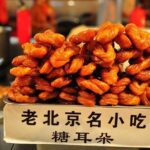
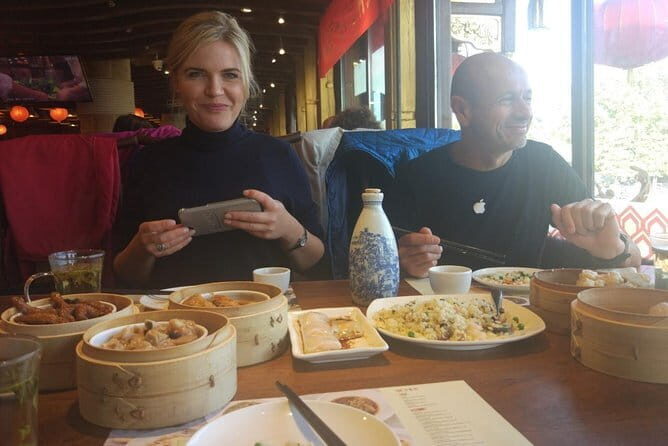
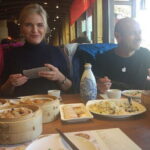
After the tea tasting, you move to a nearby tea restaurant for your dimsum meal. The tour description calls it authentic dimsum, and the menu includes several classic options, such as:
- Steamed soup buns
- Steamed vermicelli rolls
- Chicken feet
- Shrimp ravioli
- Spring rolls
- And more
One of the best parts of this setup is that it keeps the food culturally connected to the tea. You’re not eating in a separate world. The restaurant is close to where you taste the teas, so you keep a consistent vibe: light conversation, steamed dishes, and tea pairing.
If you’re curious what to expect beyond the core list, one guide-led experience included extra hearty items like pork dumplings and hand-pulled noodles. That’s a good reminder: your meal can include slightly different dimsum items while still staying within the same comfort zone of steamed, savory classics.
How to order smart (even if it is fixed):
- If chicken feet feel like a hard no, tell your guide early. You can still enjoy the rest.
- If you have a food preference, you’ll get better results by communicating during the tour rather than trying to sort it out at the last second.
- If you want a safer path, the tour offers a vegetarian option if you arrange it at booking.
Maliandao’s tea trading street walk and two tea shop stops
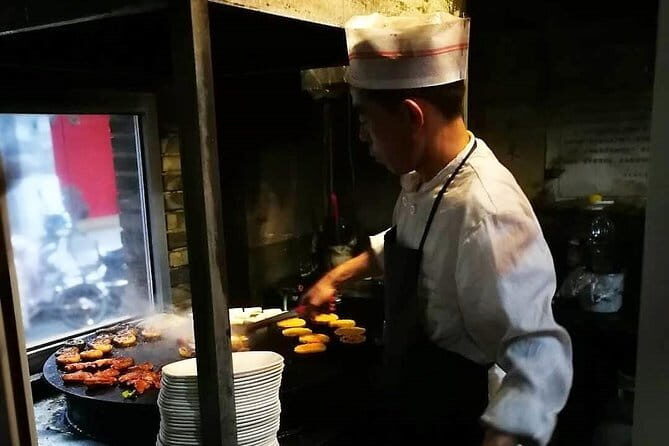
Once lunch is done, the tour shifts into “see and compare” mode. You’ll stroll through the Maliandao area, known for tea trading and the market scene. The tour includes time at the largest tea trading street and market (as described in the experience details) and stops at two different tea shops.
This part is valuable because it changes how you understand the tastings. Instead of only learning from cups in a ceremony, you get to link those tastes to what’s being sold right there. And the shops you visit are described as having ties to real tea farms, so you’re not only hearing sales talk—you’re getting a chance to compare what people claim about origin and type.
You’ll have a chance to explore different tea categories again—green, oolong, black, puer, and white—so the tasting lessons can “stick” as you look at packaging, pricing differences, and how shopkeepers explain their teas.
In plain terms: you finish the tour with a better sense of what tea categories mean in real market life.
A few more Beijing tours and experiences worth a look

Price and value: is $99 a fair deal for three hours?

At $99 per person, this isn’t a budget snack stop. It’s priced like an organized food-and-education experience, and it includes several things that add up fast if you tried to DIY them.
What’s included:
- Tea tasting of eight kinds plus a tea ceremony
- Dimsum meal (lunch or dinner, depending on your chosen time slot)
- Professional guide
- Local taxes
- Admission ticket included
- Mobile ticket
For $99, you’re paying for three kinds of value at once: guidance (so you know what you’re tasting), organization (so you aren’t chasing tea shops and finding a good spot for dimsum), and a real meal included in the plan. With a cap of 15 people, it’s also not the kind of big bus-tour experience where your questions get lost.
Could you do something similar cheaper on your own? Sure. But you’d trade away the ceremony structure, the “eight teas” focus, and the convenience of having someone steer you to the tasting and restaurant.
Best fit: who should book this tea and dimsum tour
This tour is a strong match if you:
- Love food tours but want a focused plan, not a full-day grind
- Want a guided introduction to tea categories (green, oolong, black, puer, white)
- Enjoy dimsum and want to try a range of classic items in one meal
- Appreciate small groups where you can actually ask questions
It may be less ideal if:
- You dislike adventurous dimsum items like chicken feet
- You want a strict “shopping only” experience, since the shops are part of the tea learning flow rather than a standalone market spree
- You get impatient with tasting experiences and prefer only “eat first” tours
A few practical tips before you go

Here’s how to make the day feel smooth:
- Pick morning or afternoon based on your energy. A tea ceremony can be calming, but it still takes time to move through eight teas.
- Bring a curious mindset. The tastings work best when you slow down and notice differences.
- If you need vegetarian food, arrange it at booking. Don’t assume you’ll be able to swap last minute.
- Wear comfortable shoes. The market area involves walking and stopping at multiple places.
Should you book it?
I’d book this tour if you want a focused slice of Beijing culture—tea and dimsum tied to Maliandao—without turning it into a scavenger hunt. The strongest reasons are the eight-tea tasting with a real ceremony and the included dimsum meal, all guided in a small group.
If your food comfort zone is narrow, don’t shrug it off. Check the vegetarian option at booking or tell the guide early about any items you’d rather skip. Get that part right, and you’ll likely leave feeling full, informed, and oddly satisfied in a very calm way.
FAQ
How long is the tea and dimsum tour?
It runs for about 3 hours.
Do I choose a morning or afternoon tour?
Yes. You can choose either a morning or an afternoon time slot.
What meeting point should I use?
Meet near Subway Line 7 at the Wanzi stop. The exit details may be listed as Wanzi Exit C or Wanzi Exit D, so use the exact exit shown in your booking confirmation.
How many teas do I taste?
You’ll taste 8 different kinds of tea.
Is a meal included?
Yes. Dimsum is included as your lunch or dinner depending on the session you choose.
Does the tour include a tea ceremony?
Yes. A tea ceremony is included as part of the tasting.
Is there a vegetarian option?
Yes. A vegetarian option is available if you request it at the time of booking.
How big is the group?
The tour has a maximum of 15 travelers.
What is the price?
The price is $99.00 per person.
What is the cancellation policy?
Free cancellation is available up to 24 hours in advance for a full refund. Cancellation made less than 24 hours before the start time isn’t refunded.
Is mobile ticketing used?
Yes, the tour uses a mobile ticket.