REVIEW · BEIJING
Beijing: Natinonal Center For The Peformance Arts Ticket
Book on GetYourGuide →Operated by PANDA HAPPY JOURNEY IN CHINA · Bookable on GetYourGuide
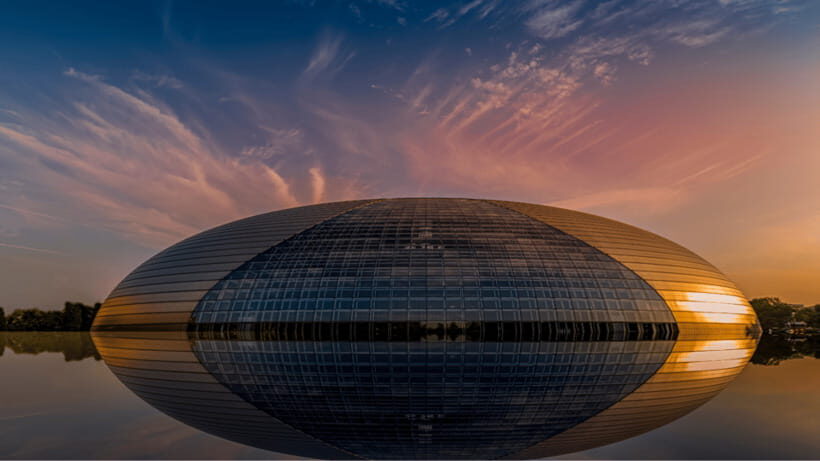
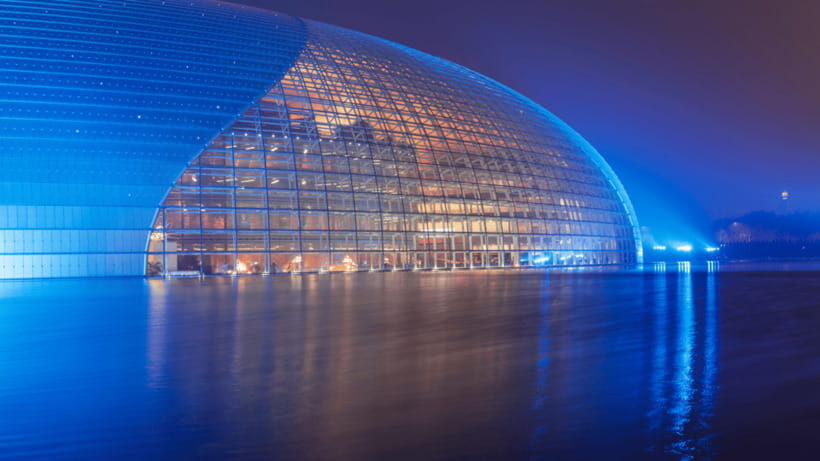
A giant egg in the middle of Beijing. The National Centre for the Performing Arts (NCPA) is one of the most striking modern buildings in China, designed by French architect Paul Andreu, with its titanium-and-glass shell reflecting on a huge manmade lake. I especially love how this visit blends architecture and real cultural spaces, including the opera, concert, and theatre venues under one futuristic roof. I also like that you get an English PDF guide to help you make sense of what you’re looking at. The only downside: if no show is running, some areas can look dim and less lively in the evening.
This ticket is made for a “see it, understand it, and enjoy the setting” kind of outing. You’re scheduled for about 4 hours, starting at the North Gate, so it fits well as an evening plan (or a daytime pause) without eating your whole day. Just keep in mind you’re visiting the building—not buying performance tickets with this option.
In This Review
- Key Highlights You’ll Want to Know Before You Go
- Beijing’s NCPA Egg: Why This Building Matters
- Ticket Value: What Your $20 Includes (and What It Doesn’t)
- Where You Meet and How Long You Have
- The NCPA Exterior: Egg Shell, Titanium, and Lake Reflections
- Inside the NCPA: What You’re Likely to See on a Visit
- Three Venues Under One Roof: Opera, Concert Hall, and Theatre
- Self-Guided vs Guided: How to Choose Your Best Fit
- Evening Light and Cultural Performance Energy
- Meeting the Building’s Crowd Control: Easy Access for Foreign Visitors
- What to Bring and What to Wear for a 4-Hour Visit
- Pricing Logic: When This Ticket Makes Sense
- Should You Book the NCPA Ticket?
- FAQ
- FAQ
- What is the National Centre for the Performing Arts (NCPA) in Beijing?
- Where do I meet for this activity?
- How long does the visit last?
- How much does it cost?
- What is included with the ticket?
- Are performance tickets included?
- Do I need a passport or ID?
- Is the NCPA visit accessible for wheelchair users?
- Can I cancel, and how late?
- Can I pay later?
- Is a live guide included?
Key Highlights You’ll Want to Know Before You Go
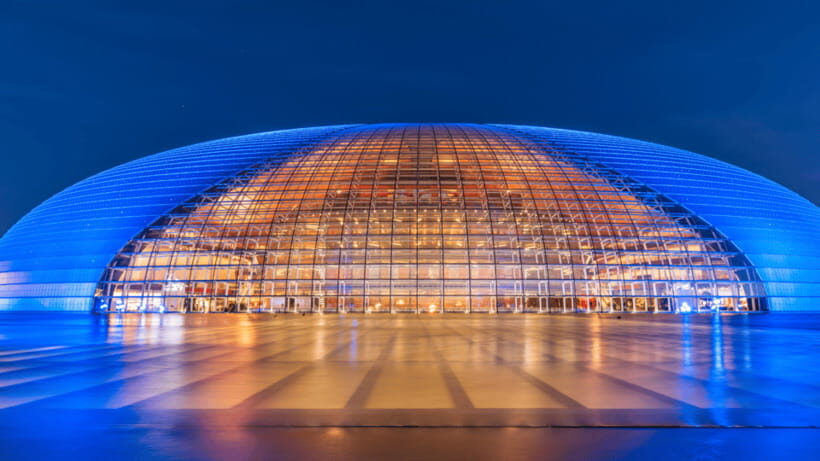
- Egg-shell architecture by Paul Andreu: titanium, glass, and that unmistakable curved “capsule” look
- Three major performance spaces: opera, concert hall, and theatre, each with its own scale
- The artificial lake setting: a huge water feature engineered for changing reflections
- Flexible visit style: self-guided or guided format, with an English PDF guide included here
- Evening light-and-performance vibe: when events are on, the whole place feels more alive
Beijing’s NCPA Egg: Why This Building Matters
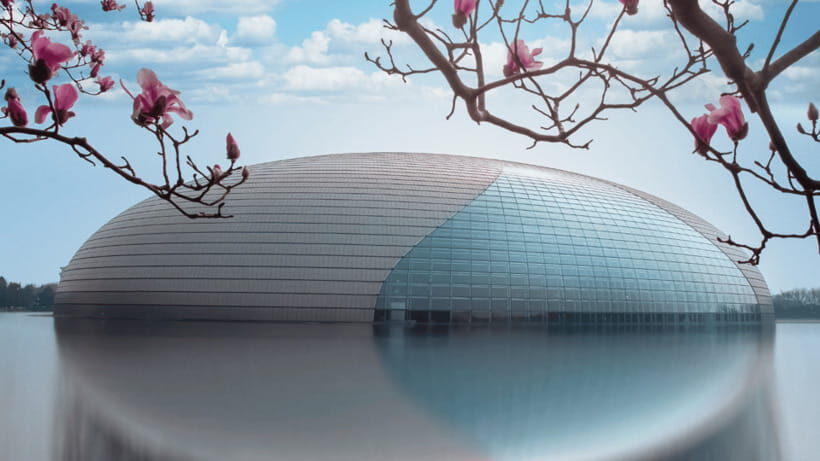
The National Centre for the Performing Arts is the kind of place you notice from across the city—even if you’re not an architecture person. The exterior is covered by a massive elliptical titanium shell over an artificial lake, giving the building that egg-on-the-water silhouette. If you like buildings with strong shapes and real engineering behind them, this one delivers.
Designed by Paul Andreu, the NCPA is futuristic without feeling like a sci-fi set. The curved glass helps pull daylight into the interior, and the surface material creates different looks depending on weather and time of day. It’s also big enough that it doesn’t feel like a quick photo stop. In a single visit, you can get the scale of the building and the sense that this is a serious arts institution.
You should also know what you’re walking into. The NCPA houses three main venues: the Opera House (over 2,000 seats), the Concert Hall (over 1,200 seats), and the Theatre (around 1,000 seats). Even when you’re not watching a show, the building’s layout is built for performance life. That’s a big part of why the visit feels worth it.
A few more Beijing tours and experiences worth a look
Ticket Value: What Your $20 Includes (and What It Doesn’t)
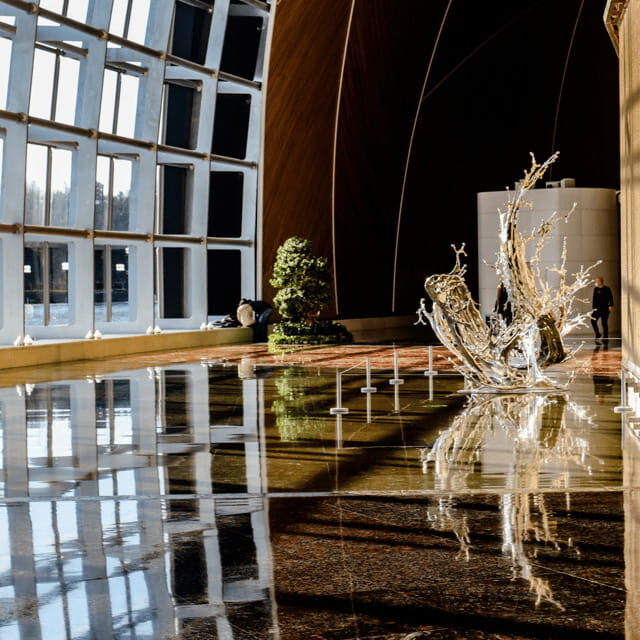
At about $20 per person for roughly 4 hours, this is strong value if your goal is to see the NCPA as a cultural landmark. What you’re paying for here is entry to visit the National Centre for the Performing Arts plus an English PDF guide book. That guide matters because it helps you read the building instead of just snapping pictures and guessing.
What’s not included is performance seating. Tickets for shows are listed as not included, so if you’re hoping to watch opera, symphonic music, or drama during your visit, you’ll need to plan that separately. In other words: this option is best for people who want the building, the architecture, and the venue atmosphere.
Is it a bargain? For Beijing, a modern landmark visit that focuses on the interior and includes a guide resource is a pretty fair deal. You’re not paying for a seat, so your “cost” is your time—about four hours—plus getting to the meeting point.
Where You Meet and How Long You Have
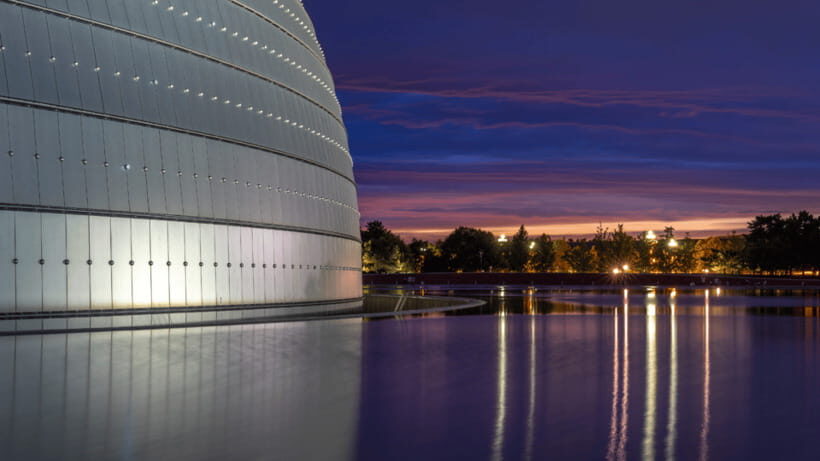
Your meeting point is the North Gate of the National Centre for the Performing Arts. Showing up there helps you avoid the common travel headache of wandering around a large, iconic complex while you wait. Once you’re in, your visit runs about 4 hours, with starting times depending on availability.
Four hours is a sweet spot. It gives you time to walk the setting, see major interior areas, and still have breathing room for photos. If you go too fast, the place feels bigger than your schedule; if you go too slow, you’ll want the evening lights and events to line up with your timing.
Also, bring a passport or ID card. This is one of those places where access is controlled, and you’ll want to have your documents ready without stress.
The NCPA Exterior: Egg Shell, Titanium, and Lake Reflections
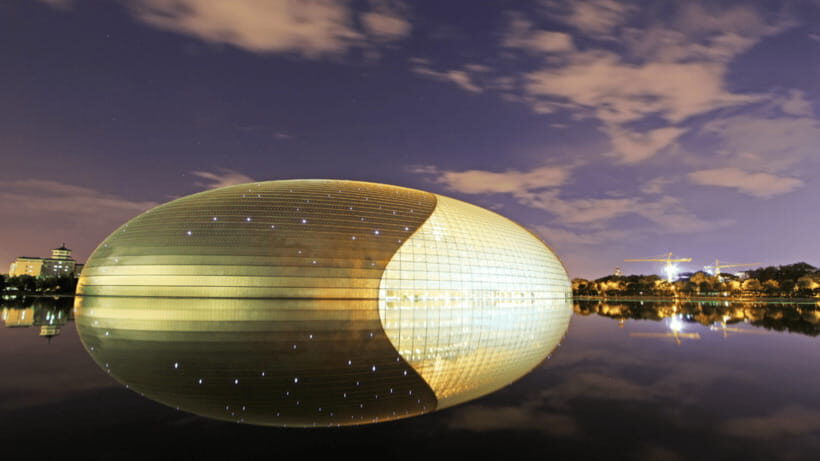
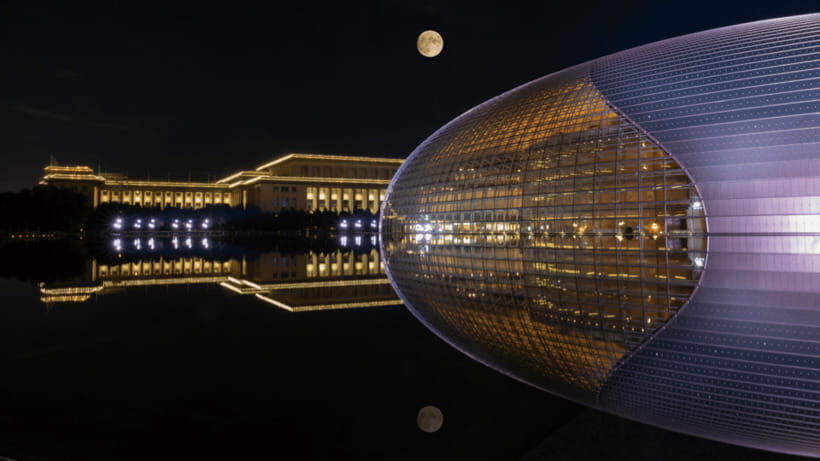
The first wow moment is the outside view. The building sits on an artificial lake of around 100,000 square meters, and that water is treated to create different reflections depending on light and weather. It’s not just decorative—it’s part of the building’s design concept, letting the NCPA appear to change its shape as the sky and water do their thing.
The “egg” look comes from the elliptical shell covering the structure. Titanium and glass aren’t just chosen for style. In practice, they help create a clean, modern surface that catches highlights and makes the architecture feel crisp even when the light softens.
If you want best results for photos, plan for time when the light flatters curved lines. When the building is reflected clearly, the outside view feels twice as dramatic. Even if you’re not a photographer, this is where you’ll understand why the NCPA became such a landmark.
Inside the NCPA: What You’re Likely to See on a Visit
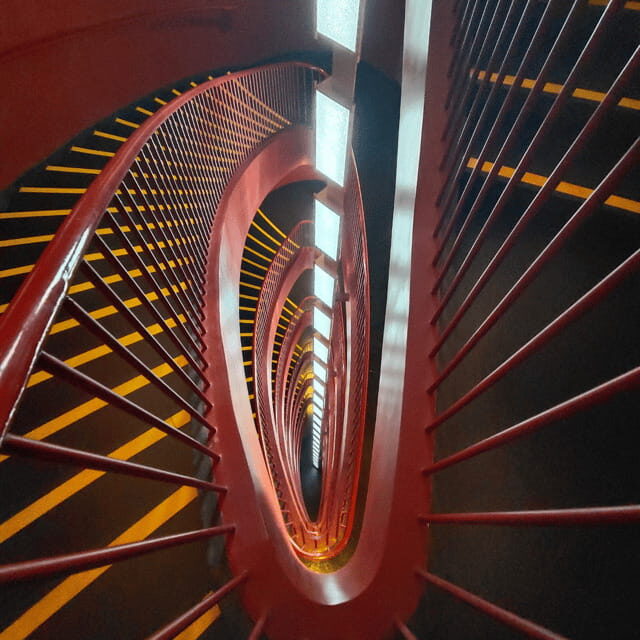
Your ticket focuses on visiting the building interior, learning the design concept, and taking in the cultural setting. The NCPA is designed around performance spaces, so inside you’ll notice more than one “mode” of space: open architectural zones and then venue-like interiors that feel purpose-built for audiences.
Expect a lot of curved lines and glass. The extensive curved glazing is a major feature, bringing natural light into areas that might otherwise feel heavy. And because it’s performance-oriented, the scale can surprise you. Spaces meant for thousands of seats don’t feel small when you’re standing near them.
This is also a place where you can benefit from the included English PDF guide. A guide you can read at your own pace helps you connect what you see—materials, shapes, and layout—to why it was designed that way.
If you’re visiting close to an evening when something is on, the ambience can feel more energetic. If no show is running, you may find lights in opera and theatre areas are off, and the place can look more quiet—or even slightly gloomy. That doesn’t change the architecture, but it can change the mood.


Three Venues Under One Roof: Opera, Concert Hall, and Theatre
Even if you’re not purchasing performance tickets, it helps to know what each venue represents.
- Opera House (over 2,000 seats): This is built for big productions and big audiences, so the scale you associate with grand opera is reflected in the venue’s feel.
- Concert Hall (over 1,200 seats): Symphonic concerts and musical programming live here, so the space is designed for sound and audience presence.
- Theatre (around 1,000 seats): Drama and dance performances need different staging and sightlines, and the NCPA’s theatre space reflects that.
Why does this matter for your visit? Because your route and your impressions will be different when you see a space meant for opera versus a space meant for drama or music. You’ll get more out of the building if you treat it like three mini-worlds, not one hall.
If your timing lines up when a performance is operating, the venues can feel more alive. But even without that, the fact that the NCPA holds all three types of performances under one modern shell gives you a deeper sense of the building as a working arts institution, not a museum-only set.
Self-Guided vs Guided: How to Choose Your Best Fit
The experience is offered with flexible options—you can choose between a self-guided visit or a guided format. In this specific ticket listing, a live tour guide is not included, but you do receive an English PDF guide book.
So here’s the practical way to choose:
- Pick self-guided if you want freedom to linger on architecture and photos, and you like moving at your own pace.
- Choose the guided option (if you book one through the provider) if you prefer someone pointing out what matters fastest.
Either way, the included PDF helps you avoid that awkward moment of standing inside a famous building and thinking, Okay… what am I supposed to notice first?
Evening Light and Cultural Performance Energy
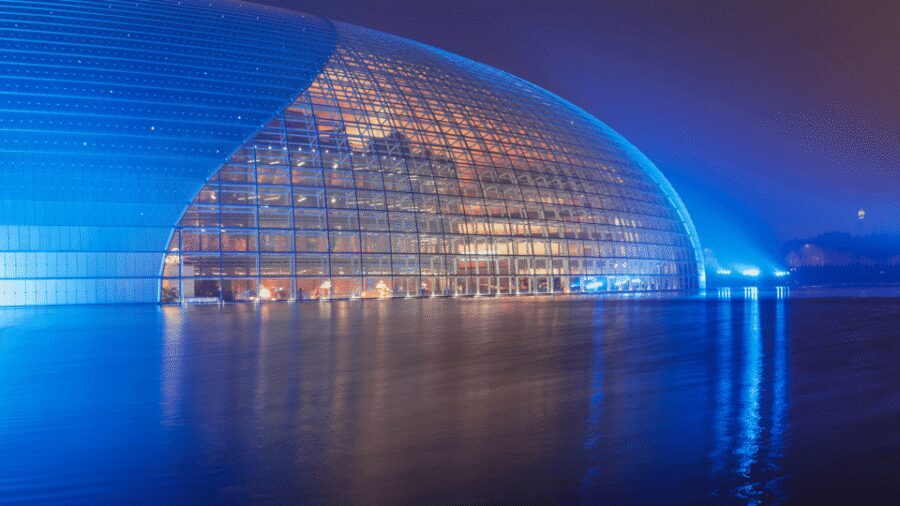
One of the most appealing parts of booking a timed NCPA visit is the chance to catch the stunning light show and cultural performance atmosphere in the evening. When events are running, the building’s exterior and interior energy can feel more theatrical—like the place is doing something beyond hosting.
When no show is running, you still get the architectural visit, but the mood can be different. Some areas—especially around opera and theatre—may look more subdued if lights are off. That’s not a deal-breaker, but it is worth considering when you plan your day. If you want the “wow” atmosphere, aim for an evening slot that has events tied to it.
Meeting the Building’s Crowd Control: Easy Access for Foreign Visitors
A surprising practical detail: getting into the NCPA can be controlled, and having your reservation helps smooth access for international visitors. If you show up without a proper setup, entry can be harder than you’d expect for such a famous landmark.
So treat your booking as part of the experience, not paperwork. Bring your passport or ID, go to the North Gate, and plan to arrive a few minutes early so you’re not rushed during check-in.
What to Bring and What to Wear for a 4-Hour Visit
You only need basic document prep: passport or ID card. Beyond that, think about comfort. This is a modern complex with lots of walking, plus you’ll likely want time for photos around the lake and exterior curved surfaces.
Wear shoes you can stand in for a while. Also, if you’re the type who likes to linger at viewing spots, plan a slightly slower pace—four hours goes faster than you think when you stop for photos every few minutes.
Pricing Logic: When This Ticket Makes Sense
At around $20, this ticket works best if you fit one of these travel styles:
- You’re an architecture fan who wants to see the building as a landmark, including the interior.
- You want a cultural stop in Beijing that’s not tied to a specific performance schedule.
- You’re traveling with people who might not all agree on buying show tickets, but everyone can appreciate the NCPA design and venue scale.
- You want a guided-feeling experience without paying for a seated performance.
If your #1 goal is a specific opera, concert, or theatre performance, then performance tickets may be the thing you actually need. This option is for the building visit and the venue context, not for guaranteed seat time.
Should You Book the NCPA Ticket?
Book it if you want a high-impact Beijing cultural landmark in a controlled time window. The Paul Andreu architecture, the egg-shell titanium-and-glass design, and the setting on a 100,000-square-meter artificial lake are exactly the kind of thing that rewards time spent inside and outside.
Don’t book it if you only care about watching a particular opera or concert. In that case, you’ll still likely want this ticket for access, but you’ll need to add show tickets separately to get what you’re really after.
If you’re flexible on timing and you can plan around the evening atmosphere, you’ll maximize your odds of catching the lights and performance vibe.
FAQ
FAQ
What is the National Centre for the Performing Arts (NCPA) in Beijing?
It’s a major cultural and artistic center in Beijing housed in a famous modern building designed by Paul Andreu, known for its egg-shaped exterior shell and performance venues.
Where do I meet for this activity?
You meet at the North Gate of the National Centre for the Performing Arts.
How long does the visit last?
The duration is 4 hours.
How much does it cost?
The price is listed as $20 per person.
What is included with the ticket?
The ticket includes entry to visit the National Centre for the Performing Arts and an English PDF guide book.
Are performance tickets included?
No. Tickets for performances at the NCPA are not included with this option.
Do I need a passport or ID?
Yes. You should bring a passport or ID card.
Is the NCPA visit accessible for wheelchair users?
Yes. The activity is listed as wheelchair accessible.
Can I cancel, and how late?
Free cancellation is offered up to 24 hours in advance for a full refund.
Can I pay later?
Yes. There’s a reserve now & pay later option, meaning you can reserve and pay nothing today.
Is a live guide included?
No. A live tour guide is not included, though the experience may offer flexible visit formats and you’ll still receive an English PDF guide book.