REVIEW · BEIJING
Beijing Historic City Guided Walking Tour + Calligraphy Creation
Book on Viator →Operated by Free Tours China · Bookable on Viator
3.5 hours and Beijing clicks into focus. This walk strings together the city’s old quarters with a hands-on calligraphy creation moment and Hutong alley storytelling, so you’re not just looking at sights. You’ll also get a practical feel for how Beijing’s plan, markets, and daily life connect from one neighborhood to the next.
I also like that it’s a small shared-group format (limited per booking) run by a local English-speaking guide, not a giant coach tour. One thing to consider: it’s a tips-based tour model, so the $5 price is only a reservation fee, and you’ll want to budget extra for the guide.
Key highlights worth knowing
- Huguang Guild Hall (built 1807) sets the theme: trade networks and cultural life in imperial-era Beijing
- Hutong walk (about 1 hour) gives you context for courtyard life and street layout beyond the postcard version
- Liulichang stop connects directly to calligraphy culture, where you’ll spend time in an arts-and-brush zone
- Qianmen to the Tiananmen Square edge lets you end near major landmarks without going inside the Square
- Small group per booking makes it easier to keep a steady pace on a walk-heavy route
In This Review
- Why This 3.5-Hour Beijing Walk Works So Well
- Huguang Guild Hall (1807): Trade Legends on an Opera Stage
- Hutong Lanes for About an Hour: The City’s Original Street Plan
- Liulichang Street + Calligraphy Creation: Art Shops That Make Sense
- Yangmeizhu Byway and Dashilan Street: Modern Flavor Without Losing the Thread
- Qianmen Walking Street to the Tiananmen Square Edge: Where Your Tour Ends
- Price and Tips: What You’re Really Paying For
- Pacing, Group Size, and How to Prepare
- Who Should Book This Tour (And Who Might Skip It)
- Quick Decision Guide: Should You Book This Beijing Hutong + Calligraphy Tour?
- FAQ
- How long is the Beijing Historic City Guided Walking Tour + Calligraphy creation?
- Where do I meet, and when does the tour start?
- Where does the tour end?
- Is there a calligraphy creation part, or is it just shopping?
- What does the $5 price include?
- How much should I tip?
- Is the tour entry fee included for the listed stops?
- How big is the group?
- What if the weather is bad or I need to cancel?
Why This 3.5-Hour Beijing Walk Works So Well
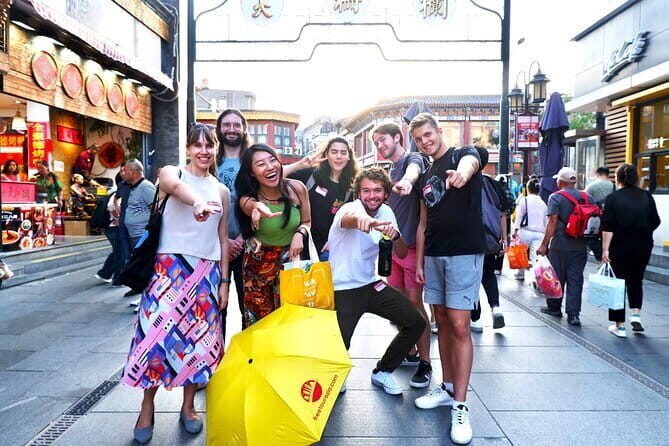
Beijing can feel huge on day one. This tour helps because it moves at a human scale: short, timed stops that build into a bigger picture. In a little over 3 hours 30 minutes, you cover several different slices of the city, from old guild culture to street life around Qianmen.
I like how the format gives you story, then place. You don’t just hear dates and dynasties; you see how those eras shaped streets, institutions, and commerce. And the calligraphy creation element matters because it turns culture from something you observe into something you try.
One more practical plus: it’s an easy plan if your schedule is tight. The route ends near the Qianmen Metro Station (Line 2 & 8, south of Tiananmen Square), so you’re not stuck figuring out your next move.
Huguang Guild Hall (1807): Trade Legends on an Opera Stage
Your first stop is Huguang Guild Hall, built in 1807. The big idea here is that guild halls weren’t just decorative buildings. They were meeting places for influential merchants and officials from Hubei and Hunan provinces, so they connect economic power with government and culture.
What I find useful is the way it anchors your mental timeline early. Before you wander through alley neighborhoods, you get a sense of how people organized themselves and why certain kinds of cultural spaces existed. The hall’s opera stage is the key detail to notice, because it links the guild’s public role to performance and community life.
Admission for this stop is listed as free, so you can focus on absorbing what the guide is connecting rather than juggling entry logistics.
You can also read our reviews of more walking tours in Beijing



Hutong Lanes for About an Hour: The City’s Original Street Plan
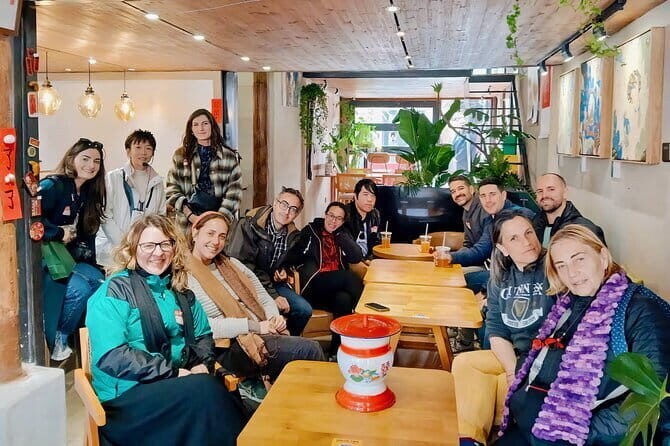
Next comes the hutong tour, around 1 hour, and this is usually where the tour shifts from monuments to lived-in Beijing. Hutongs are narrow lanes, and the value of a guided walk is that you start to see patterns: how courtyards relate to streets, how neighborhoods evolved, and how daily movement shaped the layout.
This section also tends to be where the tour’s pacing becomes important. If you’re the type who gets cold, tired, or distracted on walks, the best strategy is to keep your eyes up and your attention on the guide’s reasoning. The lanes feel simple until someone explains why they’re arranged the way they are.
A common theme from the experience feedback is that the pace and variety feel well balanced. I’d take that as a hint that this hutong segment isn’t meant to be a long, exhausting slog. It’s meant to be a grounding moment.
Liulichang Street + Calligraphy Creation: Art Shops That Make Sense
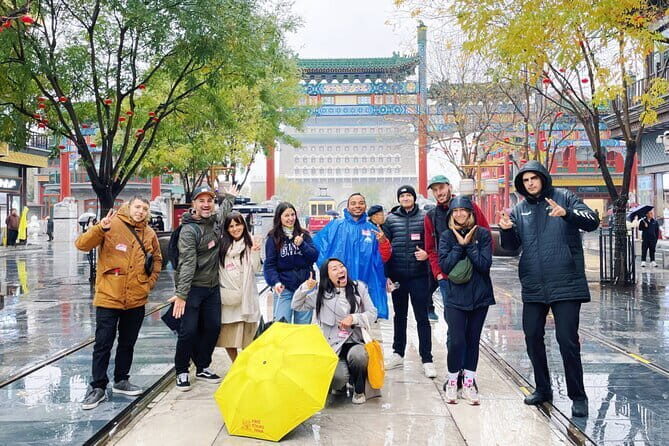
About 40 minutes are set aside for Liulichang Street, known for antique and cultural browsing. This is where the tour’s “calligraphy creation” promise starts to click in a more meaningful way: you’re in the right zone to understand calligraphy as a craft and a shop culture, not just a souvenir.
Liulichang is also the kind of place where it helps to slow down slightly, even if the tour keeps moving. If you spot brushes, ink, paper, or calligraphy pieces, take a quick look and notice how everything is connected to the writing itself. When the calligraphy activity happens, you’ll be more likely to enjoy it because you’ve already seen the surrounding context.
If you’re someone who likes taking home something that isn’t just a photo, this is your moment. Writing your name or a character in a new way gives the tour a personal souvenir you can actually use or frame.
Yangmeizhu Byway and Dashilan Street: Modern Flavor Without Losing the Thread
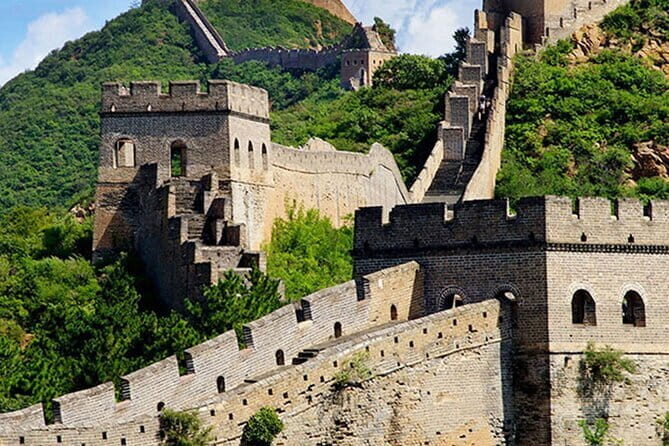
After Liulichang, the tour shifts to shorter beats: Yangmeizhu Byway (about 20 minutes) and then Dashilan Street (about 20 minutes).
Yangmeizhu Byway is described as a more modern creative alley area, with boutique shops and art studios, plus cafés. This part matters because Beijing isn’t stuck in one era. You get a controlled sample of how newer street culture sits right beside older frameworks. It’s also a good break time. The route is walk-heavy, and shorter stops help you reset.
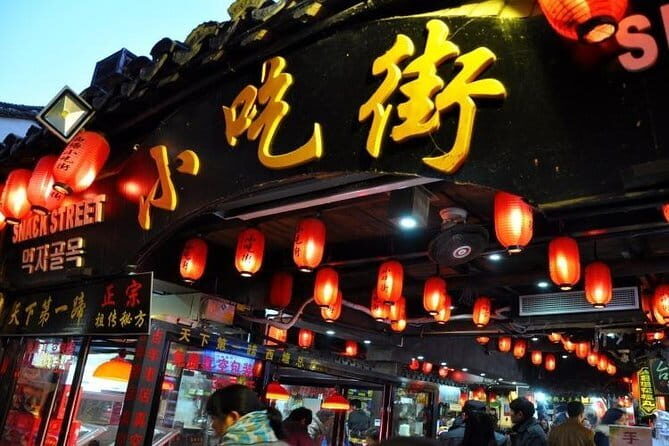
Then you hit Dashilan Street, noted as one of the city’s oldest major commercial pedestrian streets. Here, your goal should be to watch for rhythm: how people shop, snack, and move through the pedestrian flow. The tour also includes the kind of street-food vibe that helps you understand why these commercial streets kept surviving through decades of change.
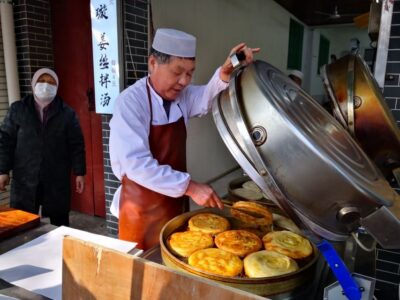
Food sampling is mentioned as part of the experience, and that fits this section best. Even if you don’t go big on snacks, you’ll still learn how to order, what to look for, and what people typically grab while wandering.
Qianmen Walking Street to the Tiananmen Square Edge: Where Your Tour Ends
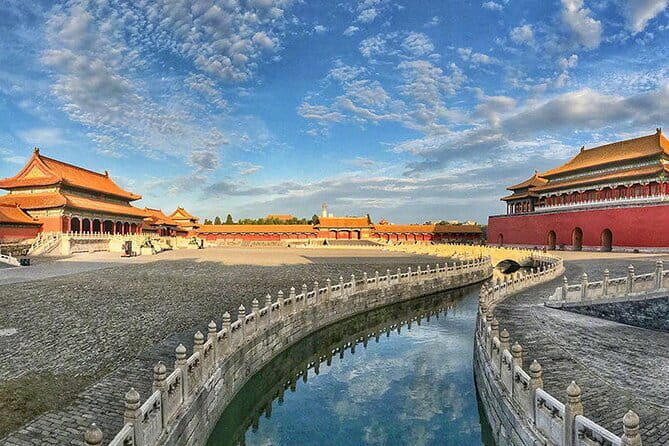
The final major stretch is Qianmen Walking Street, about 20 minutes. It sits just south of Tiananmen Square and is known for restored historic streets and shopping-and-cuisine energy.
This is a smart landing point because it’s both recognizable and practical. You’ll feel close to the big landmark area while still staying in the walking-tour sweet spot—no long detours, no extra transit after you’ve finished.
Two important notes for planning:
- The tour ends in front of Tiananmen Square, but it does not enter Tiananmen Square.
- If you want to visit Tiananmen Square itself, you’ll need to arrange it separately ahead of time. Same-day plans aren’t supported.
From a logistics viewpoint, ending near the Qianmen Metro makes it easier to tack on other sights afterward, whether you go north toward the Square area or head back toward your hotel.
You can also read our reviews of more guided tours in Beijing




Price and Tips: What You’re Really Paying For
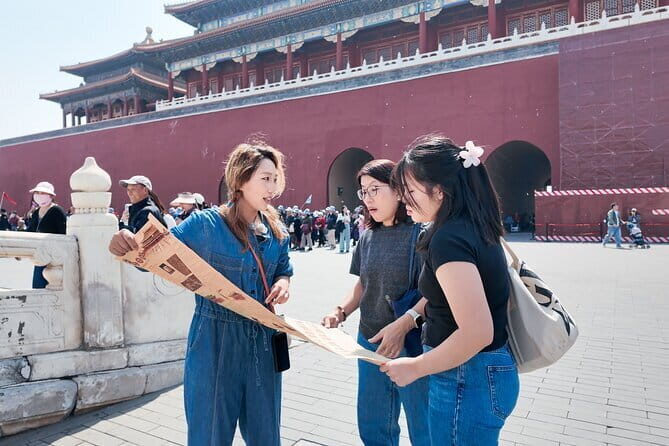
The headline price is $5.00 per person, but the fine print matters. That amount is described as a booking fee to reserve your spot. The tour operates on a tips-based model, meaning your guide’s pay depends on what you decide.
A suggested tip range is 160–200 RMB, which is roughly 20–25 USD/EUR. I like that the tour gives you a concrete target, because it avoids the awkward guesswork. Still, it’s your choice, and it helps to think in terms of effort: a 3.5-hour walk with multiple stops, story-building, and staying on schedule is a real workload.
Value-wise, this model can be a bargain if you enjoy guided storytelling and want a structured way to see Beijing without turning the day into a map-and-museum marathon.
Pacing, Group Size, and How to Prepare
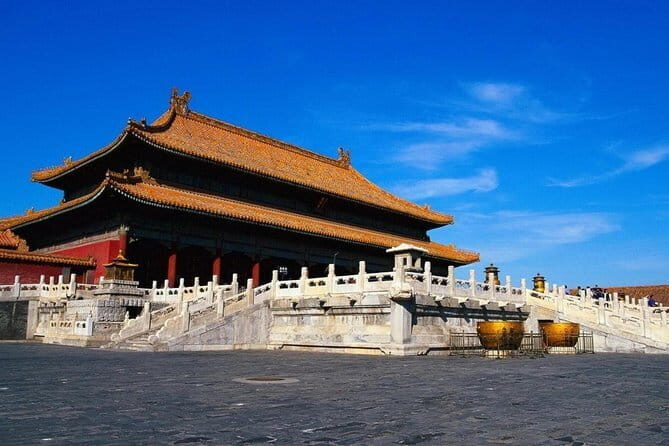
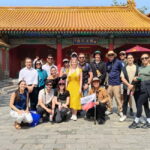
This is a shared-group walking tour with a stated limit of 6 guests per booking. The overall maximum is listed as 50 travelers, so you may see more people in the broader schedule, but your specific group size per booking stays relatively small.
That matters because walking tours can turn uncomfortable when the group is too large. Smaller groups usually mean you can hear the guide better and keep a steadier tempo. The experience feedback also points to a strong sense of organization and structure, which you’ll feel most in the way the tour transitions between neighborhoods.
Practical prep tips:
- Wear shoes you can walk in for a few hours. The route includes multiple streets and alley segments.
- Bring a light layer. Even when the day is pleasant, walking changes your temperature fast.
- If you’re interested in calligraphy, set aside a little mental room for paying attention to the activity itself, not only the shops nearby.
Also, the tour is listed as requiring good weather. If conditions are poor, you’ll either be offered another date or receive a full refund.
Who Should Book This Tour (And Who Might Skip It)
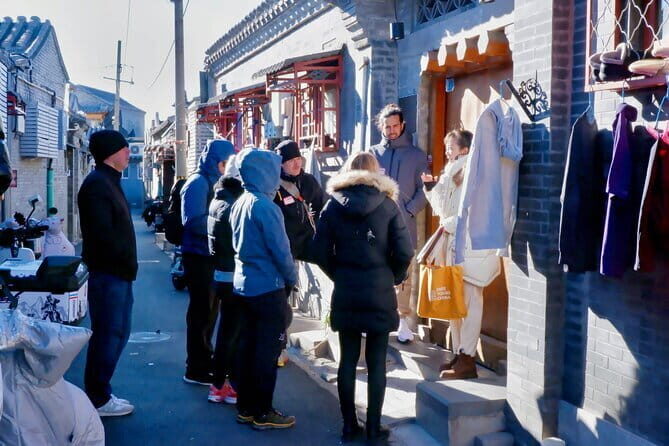
This tour fits best if you want a Beijing day that’s:
- Walking-focused but not overwhelming
- Based on local storytelling that connects old institutions and street layout
- A mix of historic stops plus modern street scenes
- Includes a hands-on calligraphy creation moment
It might be less ideal if you want only the biggest headline landmarks and want lots of indoor museum time. This tour intentionally ends near Tiananmen Square but does not go inside it, so it’s not built around a single-ticket mega visit.
If you’re traveling with kids, the route is still “most travelers can participate,” but it’s still a long walk. Plan for breaks, and treat snack time as part of the strategy.
Quick Decision Guide: Should You Book This Beijing Hutong + Calligraphy Tour?
Book it if you want an organized Beijing orientation that doesn’t rely on crowded buses. The combination of Huguang Guild Hall, an hour in hutong lanes, Liulichang (perfect for calligraphy culture), and a finish on Qianmen gives you a balanced sweep of old and new in one morning.
Consider skipping (or pairing with another plan) if Tiananmen Square is your one must-see and you need guaranteed entry as part of the tour. This ends outside the Square area, so you’d need separate arrangements.
FAQ
How long is the Beijing Historic City Guided Walking Tour + Calligraphy creation?
It lasts about 3 hours 30 minutes.
Where do I meet, and when does the tour start?
The tour starts at Huguang Guild Hall, located at 3 Hu Fang Lu, Xi Cheng Qu, China, 100052, and the start time is 10:00 am.
Where does the tour end?
It ends at Zhengyangmen, near Qianmen Metro Station (Line 2 & 8, south of Tiananmen Square). The tour ends in front of Tiananmen Square, but it does not enter the Square.
Is there a calligraphy creation part, or is it just shopping?
The experience is billed as including calligraphy creation along with the walking tour.
What does the $5 price include?
The $5 is described as a booking fee to reserve your spot. The tour itself follows a tips-based model.
How much should I tip?
A suggested tip is 160–200 RMB (about 20–25 USD/EURO). Tips are voluntary, but this range is recommended.
Is the tour entry fee included for the listed stops?
Admission tickets at the stops are listed as free.
How big is the group?
It’s a shared group tour limited to 6 guests per booking, and the maximum overall is listed as 50 travelers.
What if the weather is bad or I need to cancel?
The tour requires good weather. If it’s canceled due to poor weather, you’ll be offered a different date or a full refund. You can cancel up to 24 hours in advance for a full refund.