REVIEW · BEIJING
Beijing: Prince Kung’s Palace Museum Ticket—Must-See Spot
Book on GetYourGuide →Operated by PANDA HAPPY JOURNEY IN CHINA · Bookable on GetYourGuide
Prince Gong’s Palace is history you can actually walk through. This Qing Dynasty prince’s mansion—often described as half of Qing Dynasty history—lets you see how nobility lived, worked, and displayed power across courtyards, halls, and gardens. I love the scale and layout, plus the way the place blends architecture and calm outdoor spaces in one visit.
I also like that your ticket comes with an English PDF guide so you can go at your pace without needing to hunt for meaning in every room. The biggest drawback is crowd timing: if you roll in late, you’ll spend more time squeezing than sightseeing—so plan your hours carefully.
In This Review
- Key highlights to know before you go
- Prince Gong’s Palace: A Qing Mansion Made for Walking
- Price and what the $20 ticket really gives you
- Skip-the-line entry: why it changes the whole feel
- Self-guided with an English PDF: how to use it well
- The late-18th-century palace story: He Shen, Qianlong, and the power of layout
- Architecture lovers will feel at home in these courtyards
- Gardens, water features, and feng shui ideas for slower moments
- When to go in Beijing: beat the 11:00 crowd wave
- Walking from nearby areas: Shichahai and Drum Tower connections
- Evening light show and cultural performance: the part people plan around
- Who should book this self-guided palace ticket
- Important practical notes (so your day runs smoothly)
- Should you book Prince Gong’s Palace Museum tickets?
- FAQ
- What is included in the Prince Gong’s Palace Museum ticket?
- Is there a live tour guide included?
- Is an audio guide included?
- How long does the experience take?
- What is the price per person?
- Do I need to bring ID?
- Is the ticket self-guided?
- Does this include skipping the ticket line?
- Is there an evening show?
- What are the cancellation rules?
Key highlights to know before you go
- Skip-the-line entry into Prince Gong’s Palace Museum, so you start touring faster
- English PDF guidebook to help you spot what matters in halls, corridors, and artifacts
- Late-18th-century palace story, tied to He Shen (Qianlong’s influential minister)
- Garden + water features designed around traditional principles, great for slower walks and photos
- Evening light show and cultural performance if you’re still around after daylight
Prince Gong’s Palace: A Qing Mansion Made for Walking
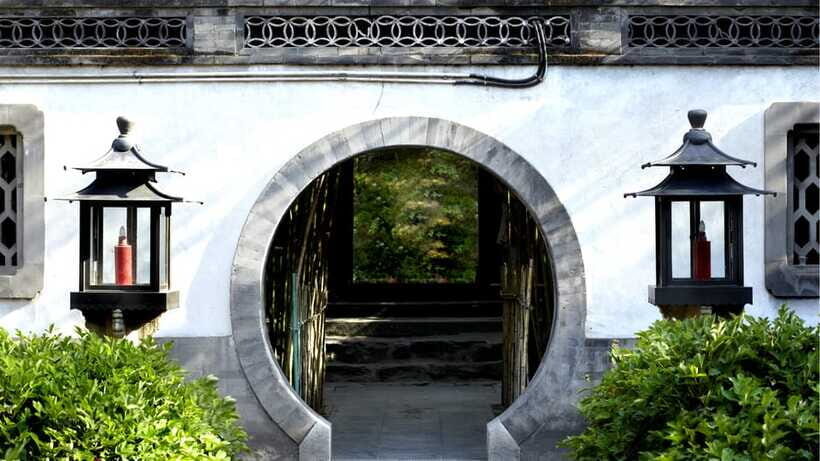
Prince Gong’s Palace Museum is one of the big-name Qing-era residences in Beijing, and the layout is built for wandering. You’re not just looking at objects behind glass—you’re moving through an entire world of courtyards, corridors, and living spaces that show how status was staged day after day.
The palace was built in the late 1700s and is strongly linked to He Shen, the influential minister during Emperor Qianlong’s time. That connection matters because it frames what you’re seeing: this wasn’t a random estate. It was a statement of wealth, political reach, and refined taste.
What I like most is the mix of “grand” and “quiet.” Yes, there are major halls and impressive architectural details, but you also get serene outdoor pockets, including garden scenery and water features that give you a break from the urban rush.
A few more Beijing tours and experiences worth a look



Price and what the $20 ticket really gives you
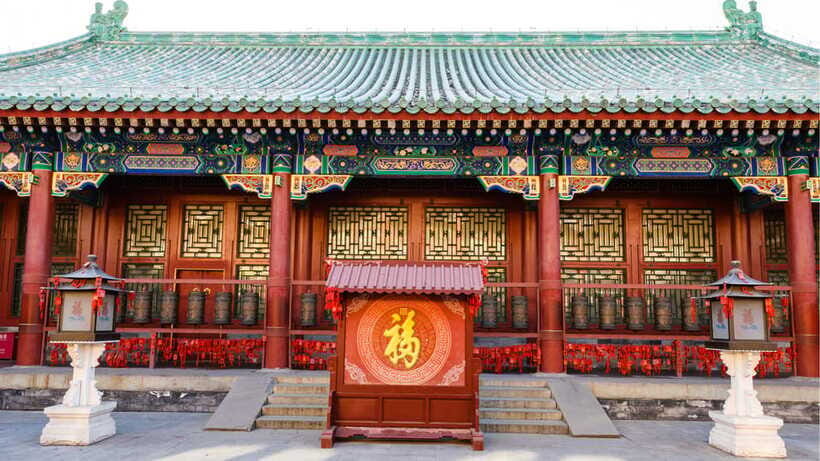
At about $20 per person, this is good value if you want a high-impact Beijing site without committing to a full-day marathon. The entry ticket is the core, and the experience package adds an English PDF guidebook—so you’re paying for both access and context.
A smart way to think about value: you’re not just buying admission. You’re buying time saved (thanks to skip-the-line entry) and you’re buying clarity (English guidance that helps you choose what to focus on as you move). If you like self-guided travel, this is exactly the kind of site where a good guide makes the difference.
Two things to note so expectations match reality: there’s no live tour guide included, and there’s no audio guide included. If you rely on a person to translate or explain everything, you’ll want to plan for your own reading time.
Skip-the-line entry: why it changes the whole feel
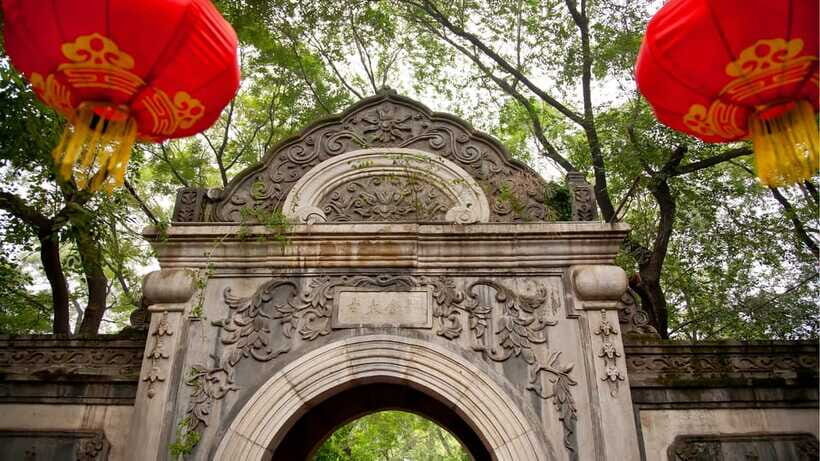
Skipping the ticket line can sound small, but in Beijing it often means the difference between starting relaxed and starting annoyed. Once you’re inside, you can use your energy on the palace itself—especially because there’s a lot to see and it’s easy to lose your bearings if you go in blind.
Use the early part of your visit to get oriented. Even if you don’t read every line of the PDF instantly, skim it right after entry so you’re not guessing which halls and courtyards are the priority.
Self-guided with an English PDF: how to use it well
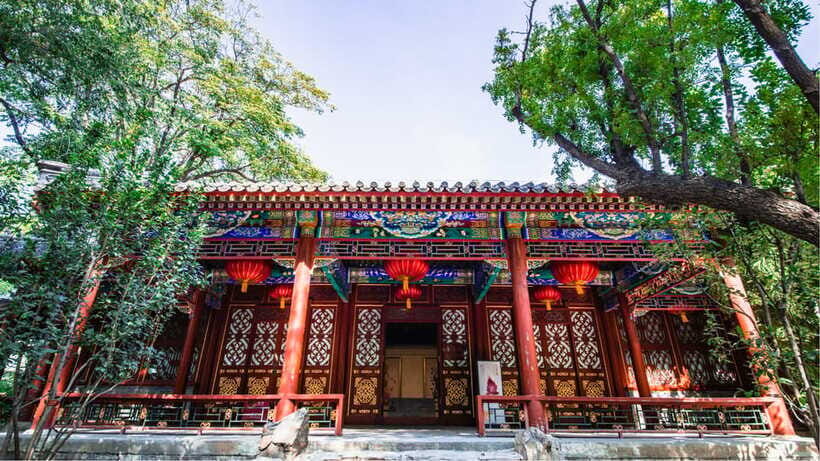
The included English PDF guidebook is the heart of the experience, because it points you toward must-see areas—halls, gardens, and historical artifacts—without turning the day into a schedule you can’t control.
Here’s how I’d use it if I were planning your visit:
- Start with a quick scan of the PDF so you know the palace’s main zones.
- Pick a “must-see” route, then leave room for detours when the scenery pulls you in.
- Use it to interpret details you might otherwise miss—like why certain layouts feel formal, how courtyards connect spaces, and what kinds of artifacts you should look for.
Because there’s no audio guide, the PDF matters even more. The payoff is that you can linger where you care and move on quickly when something isn’t catching your attention.
The late-18th-century palace story: He Shen, Qianlong, and the power of layout
Prince Gong’s Palace was built in the late 18th century, and it was associated with He Shen, the influential minister of Emperor Qianlong. That background gives the whole site a sharper lens. You’ll notice how the palace is organized to project order, control, and hierarchy.
As you walk through the complex, focus on the “sequence” of spaces: you move from more public-feeling areas into deeper courtyards and more residential zones. That change in atmosphere is the architecture doing the storytelling—refined transitions that communicate rank without needing a label.
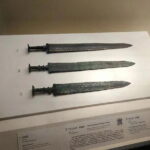
Also, keep an eye out for the ways the palace preserves Qing-era artifacts and displays. Even when you’re not an expert, the artifacts help connect the spaces to real life—who lived here, what kind of daily routines might have happened, and why certain rooms mattered.
You can also read our reviews of more museum experiences in Beijing



Architecture lovers will feel at home in these courtyards
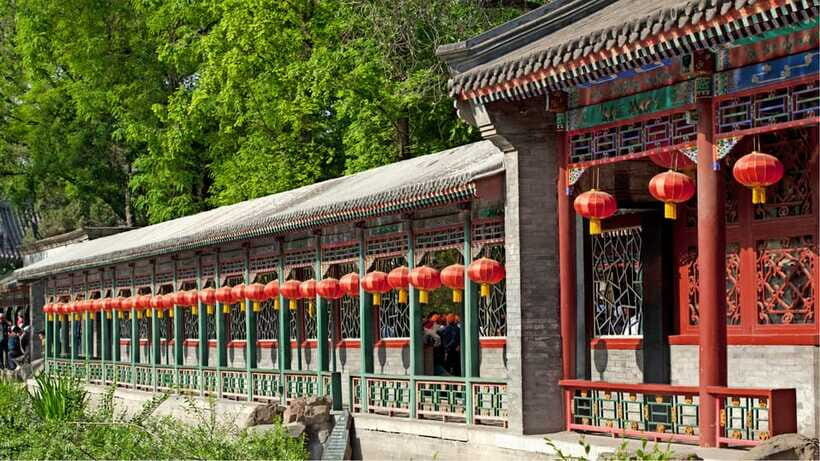
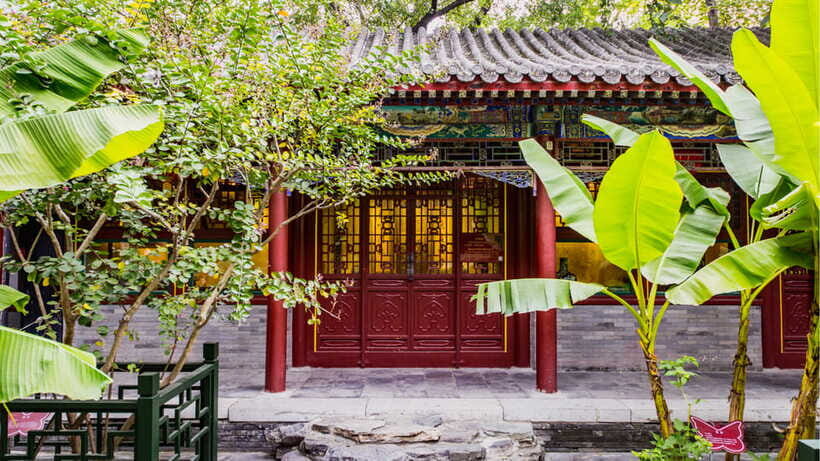
One of the strongest reasons to go is the diverse Chinese architectural aesthetic packed into a single visit. You’ll see repeated design elements—rooflines, courtyards, corridors, and garden structures—each with its own character depending on where you stand.
What makes this enjoyable isn’t just beauty. It’s clarity: you can compare spaces directly because everything is close enough to walk between. That helps you understand why the palace looks the way it does and how different parts of the complex relate to one another.
Bring your camera if you like details. The palace is well-suited for photography because you can frame shots through courtyards, capture symmetry, and contrast interior hall spaces with outdoor garden scenes.
Gardens, water features, and feng shui ideas for slower moments
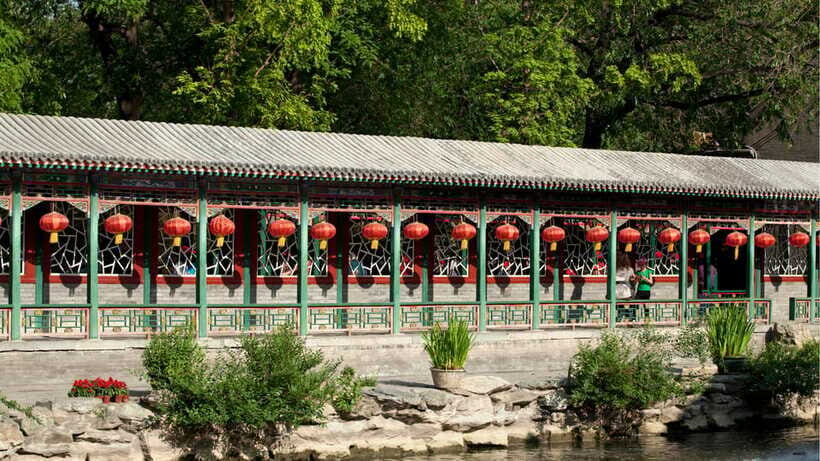
The palace isn’t only about formal buildings. It also includes peaceful gardens and water features, shaped using traditional feng shui principles. That translates into real atmosphere as you move—more breathing room, calmer sightlines, and a place where you’re not constantly surrounded by ticket lines and tour groups.
This is where you can slow down. I’d save some time after you hit the main halls so the last part of your visit doesn’t feel rushed. If you’re the type who likes wandering without a strict checklist, this portion is the payoff.
Photographers often do well here because you get natural light and softer scenes compared to the more structured indoor areas. Even if the gardens aren’t your top priority, they’re an excellent reset for your legs and your brain.
When to go in Beijing: beat the 11:00 crowd wave
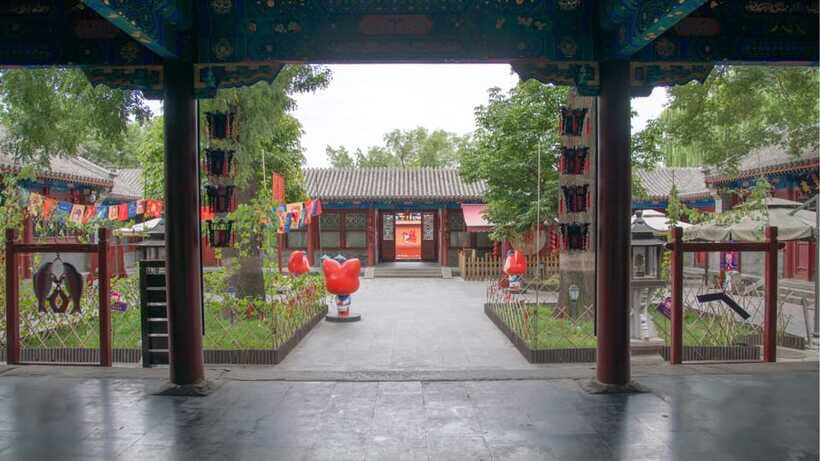
Crowds are the one recurring challenge at Prince Gong’s Palace. A clear pattern shows up: if you arrive after late morning—especially after 11:00—it can get overcrowded and visibility suffers. You end up moving through spaces instead of taking them in.
If you want a smoother experience, plan to go earlier in the day. You’ll still see plenty, but you’ll move more comfortably through the palace’s key areas. Also, going earlier often pairs well with how Beijing sites work overall, because you may be visiting other attractions the same day.
One practical tip: don’t try to pack every single section into one frantic hour. A smaller, more manageable rhythm lets the palace feel like a place, not a checklist.
Walking from nearby areas: Shichahai and Drum Tower connections
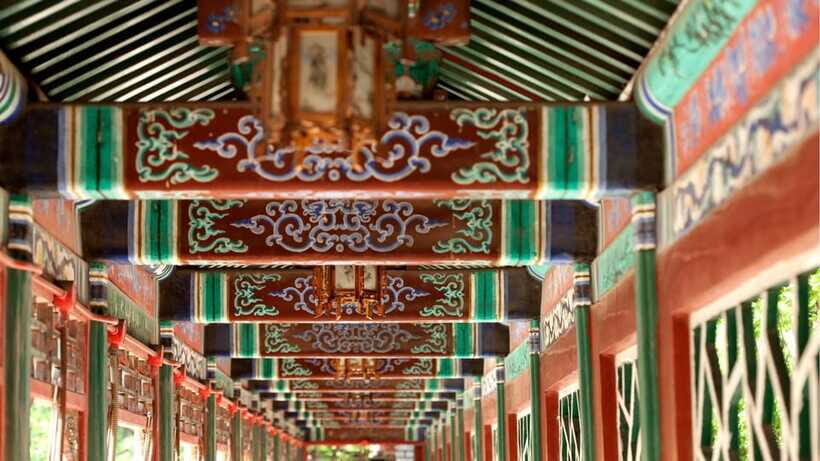
One helpful thing from nearby sightseeing is the chance to combine Prince Gong’s Palace with a broader walk. You can walk from the Shichahai metro area through a scenic route and also see the Drum Tower along the way. That makes Prince Gong’s Palace easier to fit into a real day of exploration rather than treating it like a stand-alone errand.
If you’re already in central Beijing and you like low-stress sightseeing, this kind of “connect-the-dots” approach adds value because you’re not only paying for a ticket—you’re getting a better overall route and more context for the neighborhood feel.
Evening light show and cultural performance: the part people plan around
Prince Gong’s Palace also offers an evening light show and cultural performance, which can be a big reason to schedule your visit into the later hours. If you like performances or you enjoy seeing historic sites presented with modern staging, this is the add-on that can make the day feel special beyond the architecture.
The key is pacing. If you spend too long in the earlier sections and then rush through the end, the evening offering won’t feel as good. I’d decide in advance whether you care about the show, then adjust your timing around it.
Who should book this self-guided palace ticket
This experience suits you best if you:
- Like self-paced sightseeing with help from a guidebook you can read quickly
- Want Qing-era context without committing to a live English tour
- Enjoy photography through courtyards, halls, and gardens
- Prefer a major site that can feel less exhausting than going full steam at the largest Beijing landmarks
It’s also a good choice for history and culture enthusiasts who want something that feels authentically “everyday palace complex,” not only a museum display. And if you already plan to visit other major sites, this can balance out your day because it’s substantial without requiring all-day energy.
Important practical notes (so your day runs smoothly)
Before you go, make sure you bring a passport or ID card, since that’s what you need for entry. Also plan to bring the mindset of a walker. This is a place you navigate by moving from one section to the next, so wear shoes that handle pavement and long indoor-outdoor transitions.
If you’re sensitive to crowds, treat timing like a priority—not an afterthought. Start earlier, read the PDF as you go, and give yourself breaks in the garden areas so your experience doesn’t turn into endurance.
Should you book Prince Gong’s Palace Museum tickets?
Yes, I’d book it if you want a top Qing destination with strong architectural payoff and you like self-guided travel. The ticket makes sense especially because you get skip-the-line entry plus an English PDF guidebook, so you’re not just buying access—you’re buying direction.
Skip this only if crowds will ruin your day and you can’t adjust your timing. If you’re arriving late, the palace can feel cramped and harder to enjoy at your pace. But if you can go earlier (and especially if you’re interested in the evening light show), this is an excellent Beijing choice that balances big sights with real breathing room.
FAQ
What is included in the Prince Gong’s Palace Museum ticket?
The ticket includes entry to Prince Gong’s Palace Museum (Qing Palace) and an English PDF guidebook.
Is there a live tour guide included?
No. A live tour guide is not included.
Is an audio guide included?
No. An audio guide is not included.
How long does the experience take?
The duration is listed as 1 day.
What is the price per person?
The price is listed as $20 per person.
Do I need to bring ID?
Yes. You should bring a passport or ID card.
Is the ticket self-guided?
Yes. The experience is described as self-guided, supported by the included English PDF guidebook.
Does this include skipping the ticket line?
Yes. Skip the ticket line is included.
Is there an evening show?
Yes. There is a light show and cultural performance in the evening.
What are the cancellation rules?
Cancellation is free up to 24 hours in advance for a full refund.