REVIEW · BEIJING
Beijing: Yonghe Lama Temple Entry Ticket
Book on GetYourGuide →Operated by Andy's private china tours · Bookable on GetYourGuide
That QR code is your fast lane. This Beijing temple visit is built around easy entry, and it lands you at the Yonghe Lamasery, Beijing’s principal and largest Buddhist temple. I love how smoothly you can get in using the QR code and your passport, and I love that the place is famous for being the largest and most perfectly preserved lamasery in present-day China.
I do want to flag one possible snag: the QR system can trip you up if you grab the wrong code. The Get your guide QR is not valid, so double-check your email or WhatsApp for the correct QR before you head out.
In This Review
- Key Highlights You’ll Actually Feel
- Yonghe Lamasery in a Nutshell: What You’re Actually Seeing
- Ticket Entry Made Simple: QR Code, Passport, and the Right QR
- How Long Is 2 Hours at the Temple Grounds?
- Finding Yonghe Temple: Subway Exit F and Bus Options
- Subway directions (fastest for many people)
- Bus directions (useful if your hotel is closer to a bus stop)
- What to Look for When You Explore (1694, Yongzheng, Qianlong)
- Price and Value for a Beijing Temple Ticket
- Who This Experience Fits Best (and Who Might Want More)
- Should You Book This Yonghe Lamasery Entry Ticket?
- FAQ
- How do I enter Yonghe Lamasery with this ticket?
- Is the Get your guide QR valid for entry?
- What is the duration of the experience?
- How much does the Beijing Yonghe Lama Temple ticket cost?
- Does this experience help you avoid the ticket line?
- Is there free cancellation?
- Can I reserve now and pay later?
- Is the site wheelchair accessible?
- How do I get there by subway?
- What bus routes can I take?
Key Highlights You’ll Actually Feel
- QR + passport entry is quick (and built for skip-the-line use)
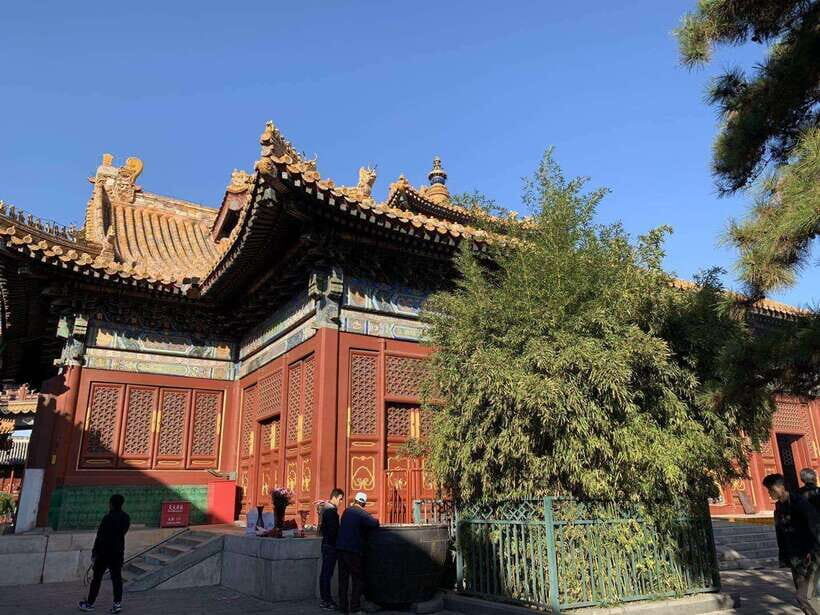
- Yonghe Lamasery is Beijing’s top big Buddhist temple
- Built in 1694, linked to Emperor Yongzheng’s earlier palace-era plans
- Qianlong-era change in 1744 brought Tibetan monks and Chinese students
- About 2 hours gives you enough time to explore without rushing every corner
- Wheelchair accessible, so it’s easier to plan around mobility needs
Yonghe Lamasery in a Nutshell: What You’re Actually Seeing
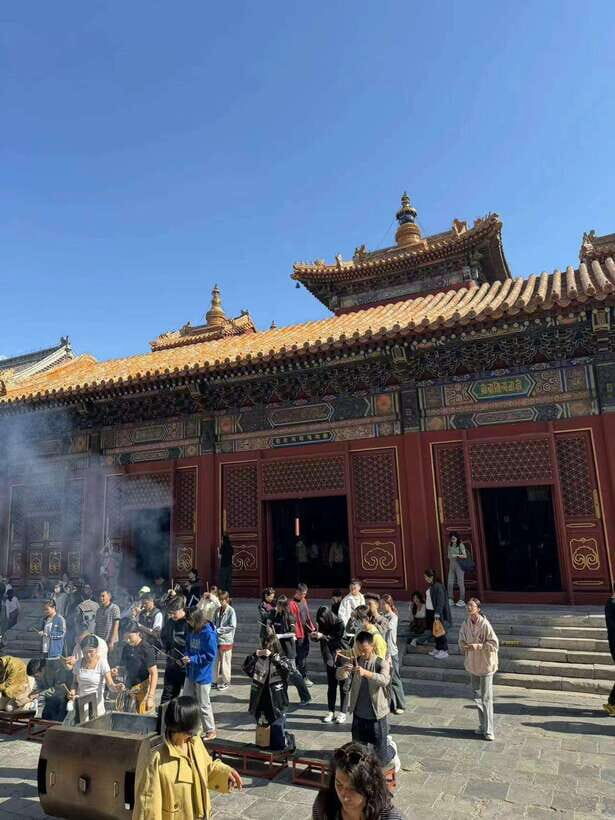
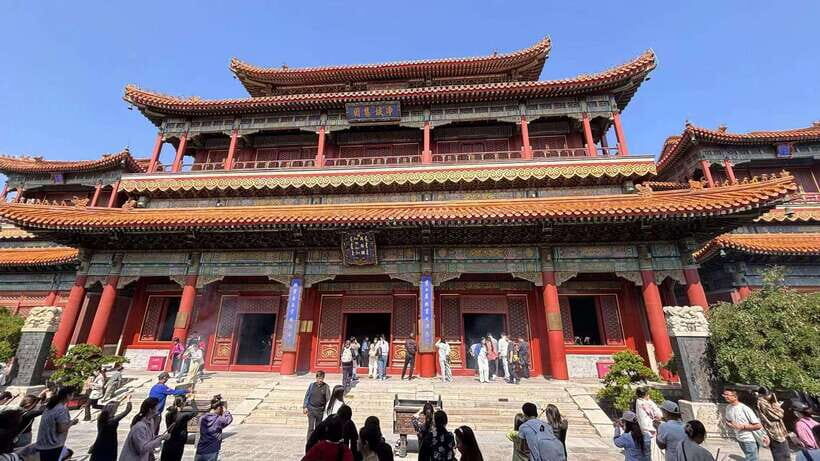
Yonghe Lamasery—also called the Lama Temple—is Beijing’s key Buddhist stop, and it’s big in both meaning and scale. This is not a small temple you pop into for a quick photo. The information you’re working with frames it as the principal and largest Buddhist temple in the city, and it’s considered one of the greatest centers of Buddhism outside Tibet.
What I appreciate most is that the temple’s story isn’t vague. It’s tied to specific imperial decisions and dates. It was built in 1694, originally as part of the city wall for Emperor Yongzheng before he became emperor in 1722. Then his son, Emperor Qianlong, is the turning point: in 1744, he sent 300 Tibetan monks and housed 200 Chinese students, and the dwelling’s role shifted toward a temple and monastery life.
So when you walk around, you’re visiting a site that was shaped by real policy and real movements of people—not just a decorative “old building” stop. That context helps you look at the place with sharper eyes, even if you’re not there for a long guided lecture.
A few more Beijing tours and experiences worth a look

Ticket Entry Made Simple: QR Code, Passport, and the Right QR
The biggest practical win here is how the ticket works. The experience is designed around QR entry: you can use the QR code and your passport to enter the park. That alone can save time and stress, especially in Beijing where lines and crowds can change fast.
But the one thing you must get right is the QR choice. Here’s the rule that matters: the Get your guide QR is not valid. Instead, you need to find the right QR in your email or WhatsApp and use that at entry. If you show up with the wrong one, you can end up standing around while you sort it out.
If you want to make this friction-free, do this before you leave:
- Have the correct QR accessible on your phone screen
- Keep your passport ready (not buried in a bag)
- Plan to arrive with buffer time in case your connection acts up
This is also where the “skip the ticket line” feature becomes more than marketing. When your entry method is tied to QR + passport, the process is usually smoother at the gate—provided you use the right code.
How Long Is 2 Hours at the Temple Grounds?
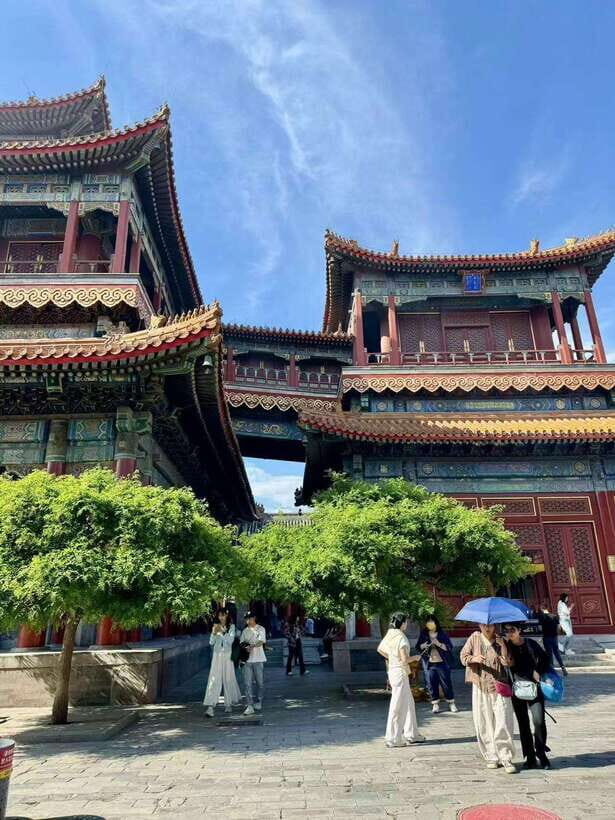
The duration is 2 hours, and that’s a sweet spot for a temple visit where the main goal is to explore and absorb. It’s long enough to slow down, find your footing, and take in the scale of the Yonghe Lamasery without feeling like you need an all-day marathon.
Here’s a realistic way to use the time:
- First 20–30 minutes: Get your bearings after entry. Treat this like orientation time.
- Next 60 minutes: Focus on what makes Yonghe Lamasery historically distinct. You’re there to connect the physical place with the known timeline: 1694 origins, Yongzheng’s role, and the 1744 Qianlong shift.
- Final 20–30 minutes: Re-walk the parts you found most meaningful. This is where the place starts to “click” because you’re no longer trying to map everything at once.
A gentle caution: because this is structured around ticket entry rather than a detailed, stop-by-stop narrated program, you’ll get the most out of it if you read what’s available on-site or focus on the historical thread. If you want a fully scripted, guided experience, you might find yourself wanting more direction once you’re inside.
Finding Yonghe Temple: Subway Exit F and Bus Options
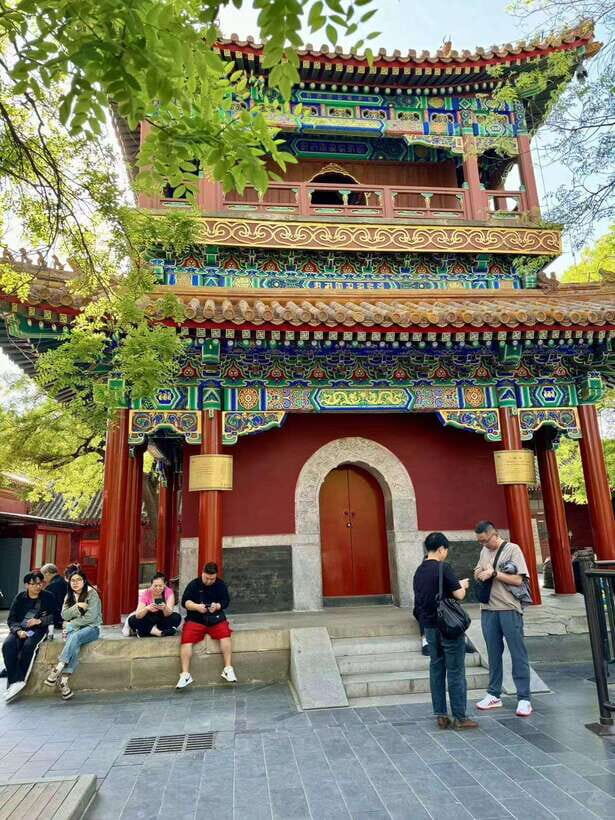
Getting to Yonghe Lamasery is straightforward if you follow the transit guidance closely. The easiest approach is usually the subway because it’s consistent and quick.
Subway directions (fastest for many people)
Take:
- Subway Line 2 or Line 5 to Yonghegong (Yonghe Temple) Station
Then exit:
- Use Exit F
Walk:
- Head south for a few meters, turn east, and you should reach the temple area in about two minutes of walking.
That “two minutes” part matters. It means you’re not stuck in a long walking transfer after you exit the station.

Bus directions (useful if your hotel is closer to a bus stop)
You can also take bus routes such as:
- 13, 116, 117, 684 and get off at Yonghegong Station
- 13, 18, 44, 75, 116, 684, Te 2, Te 12 and get off at Yonghegong Qiao Dong Station
- 117 or 125 and get off at Yonghegong Qiao Bei Station
When buses are involved, I suggest having one backup plan: check which stop is closest to where you’ll be dropped off, and don’t assume every entrance feels equally convenient once you’re on foot.
What to Look for When You Explore (1694, Yongzheng, Qianlong)
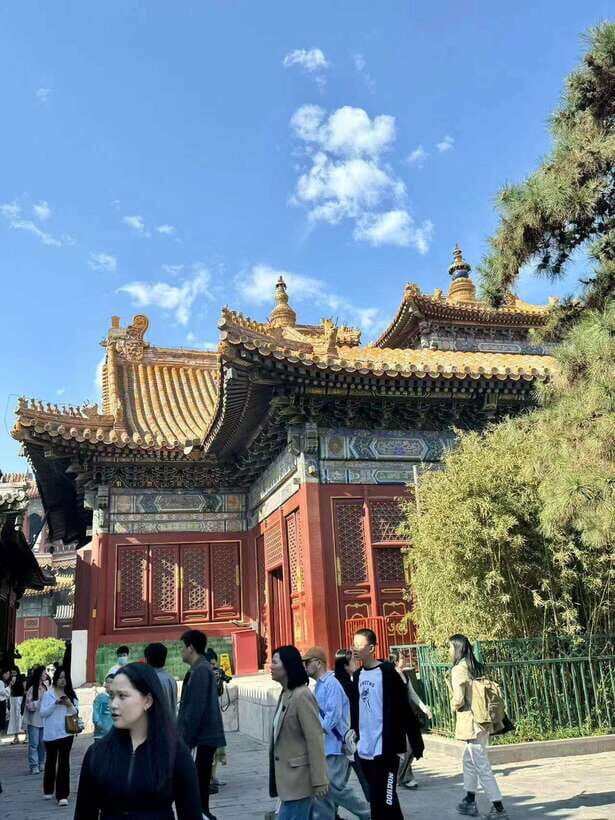
This visit earns its reputation in part because it’s not just old—it’s preserved and famous. The information you’re given highlights Yonghe Lamasery as the largest and most perfectly preserved lamasery in present-day China.
To make that real during your 2 hours, anchor your walk to the key historical beats you already know:
- 1694: built as part of the city wall framework under Emperor Yongzheng before he ruled
- 1722: Yongzheng rises to the throne
- 1744: Qianlong sends 300 Tibetan monks and houses 200 Chinese students
- The site becomes a temple/monastery role and is treated as a major Buddhist center beyond Tibet
You don’t need to memorize dates like a quiz. The value is that these facts help you interpret what you’re seeing. When you understand that the site became a religious center through the 1744 movement of monks and students, your attention naturally shifts from “What building is this?” to “What did this place become, and why?”
One more practical tip: since the experience duration is limited, you can’t chase every angle. Pick a focus—history thread, scale, or just soaking up the atmosphere—and let the rest be secondary. That keeps your visit from turning into frantic checklist tourism.
Price and Value for a Beijing Temple Ticket
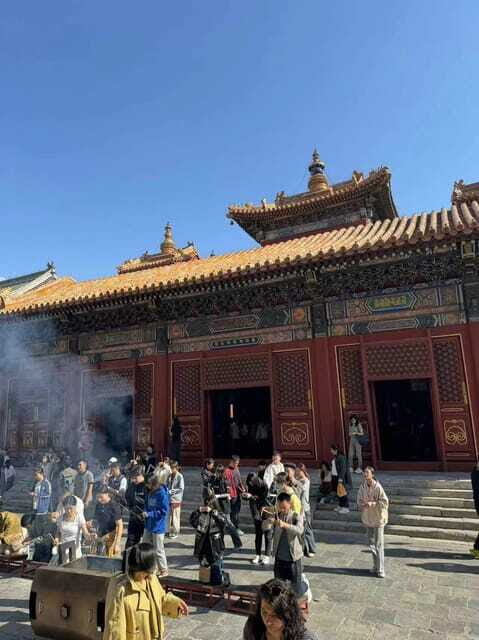
The price is $9 per person, and it includes the Yonghe Lamasery ticket plus the ticket booking service charge. That matters because you’re not paying an extra surprise “on top” amount at the door based purely on how the reservation works.
For a famous Beijing site, $9 for a ticketed entry with a skip-the-ticket-line feature is strong value—especially when you’re working with only 2 hours. You’re paying for access and time efficiency, not for an all-day program.
Also, the booking flexibility is part of the value math. The experience offers:
- Free cancellation up to 24 hours in advance for a full refund
- Reserve now & pay later, so you can hold your spot without paying right away
If your plan might shift due to weather, crowds, or subway timing, that flexibility can be worth more than a few dollars in saved stress.
Who This Experience Fits Best (and Who Might Want More)
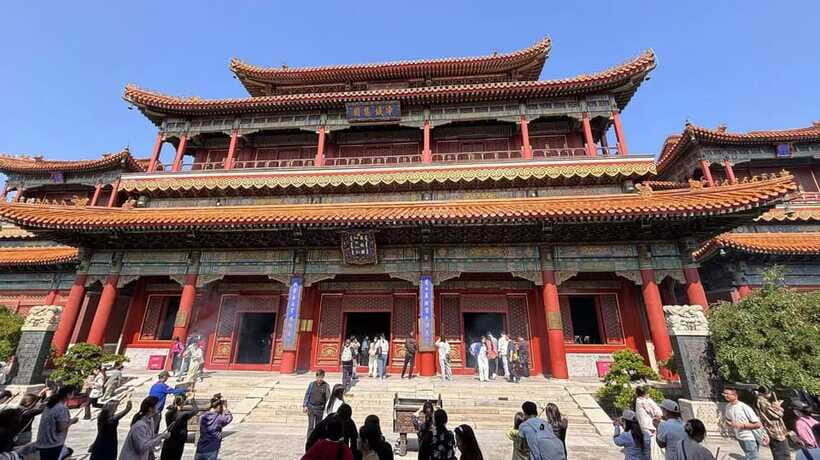
This is a good fit if you:
- Want an efficient, ticket-based visit to one of Beijing’s most important Buddhist temples
- Like structure without needing a long tour schedule
- Appreciate history tied to real dates and named emperors
- Need an option that’s wheelchair accessible
- Prefer to handle entry with QR code + passport and minimize time at ticket lines
It might feel less ideal if you’re the type of traveler who always wants a narrated route with lots of explanation. Based on what this experience includes, you’re mainly buying admission and entry efficiency. You may still enjoy it hugely—you’ll just need to supply your own curiosity once inside by using whatever on-site context is available and focusing on the historical thread.
And finally, the QR detail makes a difference. If you tend to arrive without double-checking confirmation messages, take a minute at home to ensure the correct QR is stored and accessible.
Should You Book This Yonghe Lamasery Entry Ticket?
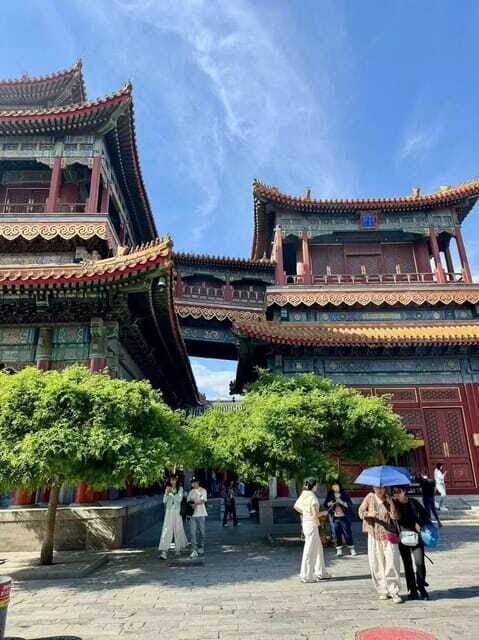
Yes, I’d book it if you want a low-cost, time-efficient way to visit Yonghe Lamasery in Beijing with minimal hassle. The QR code + passport entry method is exactly the kind of practical setup that helps you spend your time at the site instead of wrestling with ticket counters.
I’d hesitate only if you’re likely to show up with the wrong QR, because the Get your guide QR is not valid. If you follow the simple rule—use the QR from your email or WhatsApp—this turns into an easy, affordable Beijing landmark visit.
One more confidence booster: with 2 hours, you’re not committing to an all-day schedule. You can pair it with other nearby sights and keep your day feeling manageable.
FAQ
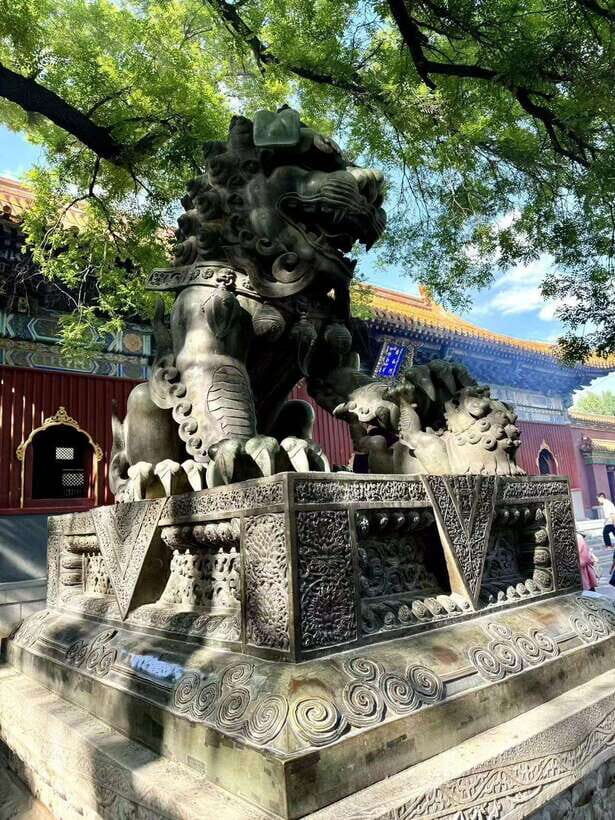
How do I enter Yonghe Lamasery with this ticket?
You can enter using the QR code and your passport.
Is the Get your guide QR valid for entry?
No. The Get your guide QR is not valid. Use the correct QR you receive in your email or WhatsApp.
What is the duration of the experience?
The duration is 2 hours.
How much does the Beijing Yonghe Lama Temple ticket cost?
It costs $9 per person.
Does this experience help you avoid the ticket line?
Yes, it includes skip-the-ticket-line entry.
Is there free cancellation?
Yes. You can cancel up to 24 hours in advance for a full refund.
Can I reserve now and pay later?
Yes. The option is reserve now & pay later.
Is the site wheelchair accessible?
Yes, it is wheelchair accessible.
How do I get there by subway?
Take Subway Line 2 or Line 5 to Yonghegong (Yonghe Temple) Station, exit at Exit F, walk south a few meters, then turn east. It should be about a two-minute walk.
What bus routes can I take?
You can take buses 13, 116, 117, or 684 to Yonghegong Station; buses 13, 18, 44, 75, 116, 684, Te 2, or Te 12 to Yonghegong Qiao Dong Station; or buses 117 or 125 to Yonghegong Qiao Bei Station.