REVIEW · SHANGHAI
Explore Shanghai Ancient Downtown with Authentic Local Food
Book on Viator →Operated by Shanghai bicycle tour · Bookable on Viator
Shanghai’s old lanes feel faster on a bike. This half-day ride puts Shikumen nongtang housing into the foreground, with you gliding through tight laneways the way locals do. I like that the stops mix architecture and street scenes, and you get help from a real guide (Mayfer is frequently mentioned for solid planning and keeping the group moving). The main catch is simple: you need to feel comfortable riding in city traffic, since you’ll be cycling alongside busy streets.
You’ll also love the practical package for the money: bike, helmet, bottled water, and snacks are included, so you’re not stopping every ten minutes to figure out logistics. Still, the tour is short, so food is not part of the experience plan, and there’s limited time at each site—great for orientation, not ideal if you want long, slow wandering.
In This Review
- Key highlights at a glance
- Why riding Shikumen nongtang is the real Shanghai move
- Getting started at the school near Luxun Park, then rolling quickly
- The 3-hour route: how the stops connect into one story
- Yu Garden (Yuyuan): the centuries-old bazaar moment
- Former French Concession: architecture and streets you can feel
- Duolun Road Cultural Celebrities Street: Japanese-concession shopping streets
- The Bund from the Huangpu River: skyline time on both sides
- Shikumen architecture lessons you’ll actually remember
- Price and value: what $58 really buys you
- Practical tips so you get the most from the ride
- Who this tour suits best (and who should skip)
- Should you book this Shikumen Ancient Downtown bike tour?
- FAQ
- How long is the Shanghai Ancient Downtown bike tour?
- What does the tour cost, and what’s included?
- Where do I meet and where does the tour end?
- Is food included?
- Is there a ticket cost for the stops?
- Is the tour suitable for children?
Key highlights at a glance
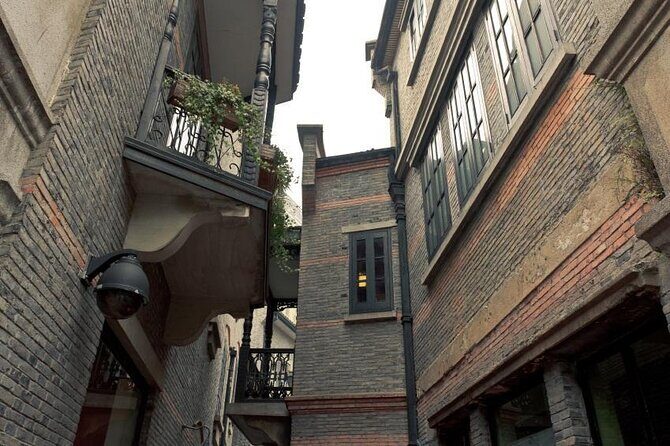
- Shikumen architecture by bicycle: pedal through traditional laneway housing and understand what you’re seeing
- Small group size: capped at 8 people per booking for a calmer ride
- Choice of morning or afternoon departure: pick the time that fits your Shanghai schedule
- Curated stop mix: Yu Garden, Former French Concession area, Duolun Road, and the Bund
- Photo-friendly viewpoints: classic skyline time near the Huangpu River
- Bike + helmet + water + snacks included: fewer add-ons, more time sightseeing
Why riding Shikumen nongtang is the real Shanghai move
Shanghai’s old residential lanes can be tricky to understand if you just walk through them once. On this tour, the bike does the work for you. You can follow the flow of the neighborhood, see how narrow lanes connect to courtyard-like spaces, and notice details you’d miss at a slower pace.
Shikumen (the stone-gate style) and nongtang housing aren’t just pretty buildings. They’re a practical answer to urban life: family homes built around shared streets and community rhythms. As you cycle, your guide points out classic features of Shikumen design and the story behind it, so the architecture stops feeling like trivia and starts feeling like place.
The other big win is variety without feeling scattered. You’re not bouncing between far-flung sites all day. Instead, the route threads together key historic districts and landmarks, with you rolling between them on a bike instead of constantly re-navigating the city.
You can also read our reviews of more food & drink experiences in Shanghai



Getting started at the school near Luxun Park, then rolling quickly

Your tour meets at Shanghai Fuxing Senior High School (28 Che Zhan Nan Lu, Hong Kou Qu, Shanghai). The pickup setup is close to public transport, and the meeting point lines you up near Luxun Park and the Dabaishu Station area.
What matters here is timing and gear. You’ll be fitted with a bicycle and helmet, then you’re off. Expect the ride to get started fast, so don’t plan on long breaks before departure. You’ll also have bottled water on hand, plus snacks included, which helps because food isn’t part of the sightseeing stops.
The group size stays small (up to 8), which makes a big difference on a bike tour. It’s easier to follow along, easier to hear the guide, and less chaotic at photo stops.
One practical note: this is a bike tour. You’ll be cycling through traffic, and the route includes busy streets. If you’re a confident rider, this will feel adventurous. If you’re on the nervous side, plan to take it slow when your guide prompts the group.
The 3-hour route: how the stops connect into one story

This tour runs about 3 hours. In that time, you cover four main areas that, together, explain a lot about how Shanghai layers cultures and architectural styles.
I like how the itinerary is shaped like a guided walk you can ride. You start with a classic old-quarter focal point, then you shift into concession-era streets where you can still read foreign influence in shopfronts and neighborhood layout. After that, you head into a cultural-shopping street area tied to Japanese-concession history. Then you finish with the Bund and skyline views across the Huangpu River, where the city’s modern face becomes the final contrast.
Each stop is intentionally time-boxed. That can be a drawback if you want long museum-style pacing, but it’s ideal if you’re trying to get your bearings fast and understand what you’re seeing as you move.
Yu Garden (Yuyuan): the centuries-old bazaar moment
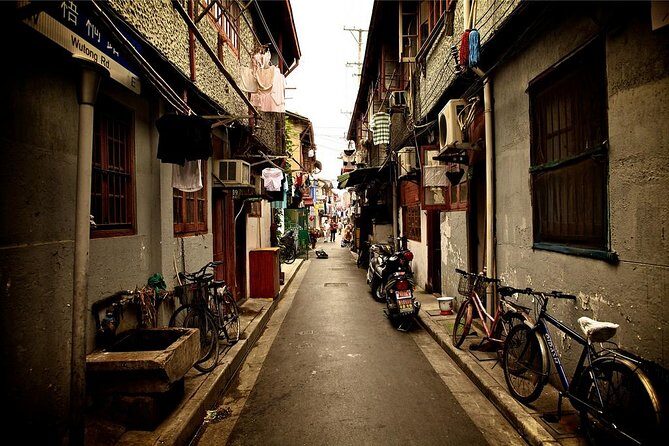
Yu Garden is the first stop, with about 20 minutes on the clock. It’s described as a bazaar with a history going back over 900 years, which is a strong signal that you’re not just visiting a pretty park—you’re entering a long-standing commercial and cultural space.
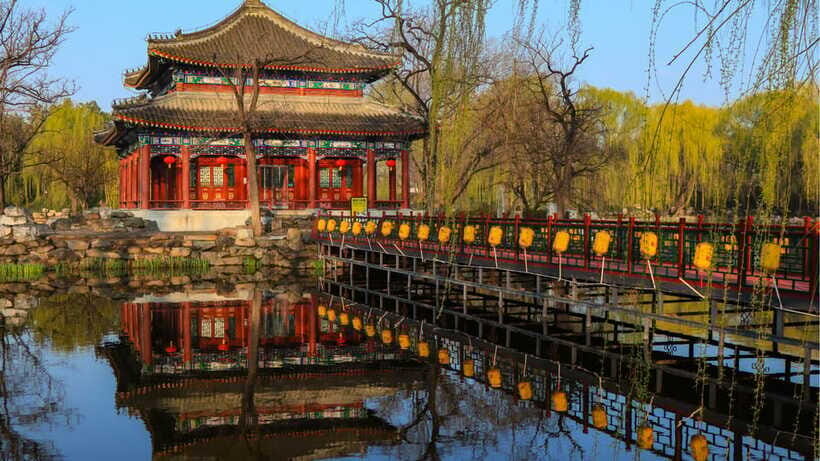
In a short visit like this, your best move is to treat it as a framing stop. Look for the classical Chinese architecture elements, then notice how pools and pavilions structure the walking paths. Even if you don’t have time to roam every alley and walkway, you’ll come away with mental anchors: what the styles look like and how they feel spatially.
Time limits are the main tradeoff. 20 minutes isn’t enough for a deep, unhurried wander. But it is enough to understand why Yu Garden is such an obvious Shanghai reference point.
Former French Concession: architecture and streets you can feel
After Yu Garden, you head into the Former French Concession area, with roughly 1 hour here. This is one of the most useful parts of the tour because concession neighborhoods are easier to grasp visually than from guidebook text.
On the bike, you pass through the kind of streets where the “past” doesn’t sit behind museum glass. You see storefronts, street patterns, and the way the area functions as a neighborhood now. Your guide’s job is to help you connect those visuals to the broader history, so you don’t just get moved along—you get meaning.
One thing I appreciate is that your ride doesn’t treat the French Concession as a single landmark. It feels more like a continuous district experience, which helps you understand why locals and return visitors talk about it as a specific Shanghai mood.
A possible drawback: an hour can feel short if you want to detour off-route. But since you’re on a bike, you’ll likely prefer the momentum and guided context over freestyle wandering anyway.
A few more Shanghai tours and experiences worth a look





Duolun Road Cultural Celebrities Street: Japanese-concession shopping streets
Next comes Shanghai Duolun Road Cultural Celebrities Street, around 30 minutes. This stop is centered on the core area of Japanese concession history, and it works well because it’s not only about buildings. It’s about what’s happening at street level—boutique shopping, jewelry, galleries, antiques, and older bookstores.
This is a great stop for two reasons. First, it gives you a break from heavy landmark viewing. Second, it helps you see how concession-era layers still show up through commerce and cultural spaces, not just architecture.
The tour includes an admission ticket for this specific stop, so you don’t have to worry about finding the right counter or figuring out additional entry costs on the fly.
If you’re shopping-minded, you’ll enjoy this segment. If you’re not, just treat it as a visual and cultural cue: it’s a street where Shanghai’s layered history keeps a daily rhythm.
The Bund from the Huangpu River: skyline time on both sides
You finish with time at the Bund (Wai Tan), with about 30 minutes allocated. The Bund is famous for skyline views, and here you’ll get that classic photo payoff while also taking in the riverfront perspective from both sides of the Huangpu River.
This end stop matters because it gives contrast. After hours of lane housing and concession neighborhoods, the Bund shows the big-city Shanghai picture—modern towers against the river, with a sense of scale that’s hard to appreciate from the older districts.
Thirty minutes is enough to get the main views and a couple of solid photos, but again, it’s not a long sunset stroll. If you’re the type who wants a slow golden-hour walk, you can plan a follow-up on your own after the tour ends.
Shikumen architecture lessons you’ll actually remember
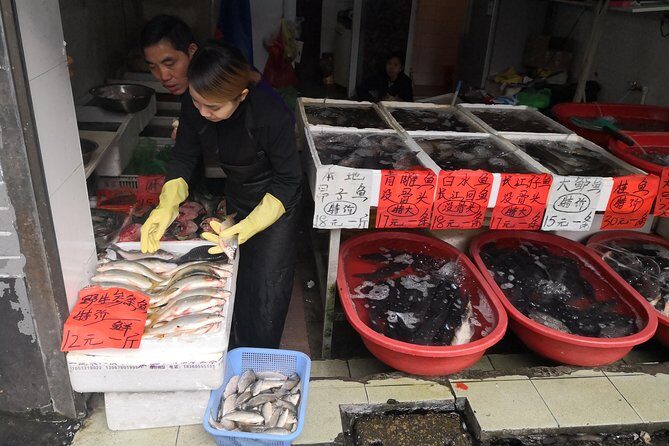
Bike tours can become “photo + traffic.” This one is designed to avoid that by focusing on Shikumen and how it works in real life.
As you ride, you’ll learn about Shikumen-style architecture and see examples linked to recognizable residential complexes, including General Zhou Enlai and Xichengli. That detail is more than trivia. It helps you distinguish between generic old housing and specific, named residential communities that represent Shikumen patterns.
Also, you’ll cycle through areas like Tianzifang, which is tied to the French Concession area. That matters because it shows you how old spaces get repurposed. You’re not only learning what Shikumen looked like historically; you’re seeing how Shanghai keeps reusing older forms for modern life.
Finally, there’s a practical cultural rhythm to the ride. You’ll take breaks for rest and photos, and your guide fills in the key features as you pass them. That pacing helps you connect each visual detail to an explanation, instead of collecting images without understanding.
Price and value: what $58 really buys you
At $58 per person, the value comes from what’s included rather than from the headline price. You’re paying for a guided route plus real equipment support.
Included:
- professional guide
- bicycle and helmet
- bottled water and snacks
- a stop that includes a ticket (for the Duolun Road Cultural Celebrities Street segment)
Not included:
- food and drinks at places you might want to buy on your own
- souvenir photos (sold separately)
- hotel pickup and drop-off
From a value standpoint, this is a strong deal if you’re the kind of traveler who would otherwise rent a bike, buy bottled water, and figure out transport timing. You also avoid the mental tax of planning the route yourself through several distinct neighborhoods in a limited time window.
The biggest “cost” isn’t money. It’s energy and comfort with cycling in an urban environment. If you’re not confident on a bike in city traffic, you’ll have a tougher time enjoying the architecture and street scenes. But if you can handle that part, the package is fair and practical.
Practical tips so you get the most from the ride
You don’t need special travel gear, but a few choices will make the experience smoother:
- Wear comfortable shoes you don’t mind getting slightly crowded-foot traffic around.
- Bring sun protection if you book the morning option. Even with breaks, you’ll be outside cycling.
- Keep your phone ready for quick photos, but trust the guide’s timing at the busier spots.
- If you’re traveling with kids, note that child seats are available on request (advised at booking), and children must be accompanied by an adult.
Also, you’ll end back at the original meeting point. That’s useful because it keeps your logistics tidy. You can then head out to your next Shanghai plan without needing to negotiate a drop-off.
Who this tour suits best (and who should skip)
This is a great fit if you:
- want a guided “neighborhood reading” of Shanghai, not just a landmark checklist
- like architecture and street-level culture, and you enjoy learning as you move
- can ride a bike comfortably in busy city traffic
- want a small-group experience with equipment provided
You might skip this if:
- you strongly prefer walking tours over any cycling
- you’re looking for long stays at major sites (this tour is tight and designed for orientation)
- you expect the tour to provide full meals or drink stops (food is not included)
Should you book this Shikumen Ancient Downtown bike tour?
If you want Shanghai in motion, this is an easy yes. The combination of Shikumen nongtang housing on a bike, a smart mix of concession-era streets, and an ending at the Bund gives you both context and contrast in about 3 hours. The included bike, helmet, bottled water, and snacks turn it into a low-friction way to sightsee without constantly stopping for basics.
Book it if you’re a confident rider and you like guided explanation you can connect to what your eyes are seeing. Skip it only if cycling in traffic makes you uneasy or if you need long time at each attraction. For most people doing a first serious Shanghai day, this is a practical, high-value way to understand the city’s old heart and its modern skyline in one smooth loop.
FAQ
How long is the Shanghai Ancient Downtown bike tour?
The tour lasts about 3 hours.
What does the tour cost, and what’s included?
It costs $58. It includes a professional guide, bicycle, helmet, bottled water, and snacks.
Where do I meet and where does the tour end?
The meeting point is Shanghai Fuxing Senior High School at 28 Che Zhan Nan Lu (near Luxun Park). The tour ends back at the same meeting point.
Is food included?
No. Food and drinks are not included, though snacks are provided.
Is there a ticket cost for the stops?
Yu Garden and the other listed stops have admission listed as free, and the Duolun Road Cultural Celebrities Street stop includes an admission ticket.
Is the tour suitable for children?
Children must be accompanied by an adult. Child seats are available on request if advised at booking.