REVIEW · SHANGHAI
Explore Shanghai’s Old Town & Suzhou River by Bike
Book on GetYourGuide →Operated by jill.saarm · Bookable on GetYourGuide
Shanghai changes fast. This ride helps you notice how it changed.
I love that you cover major neighborhoods in a short time without the hassle of figuring out routes or standing in crowds, and the Former French Concession portion gives you that rare mix of European-style streets with Shanghai’s everyday life. I also like the way the tour ends at The Bund, so you get skyline views that make Shanghai’s old-versus-new story feel real instead of theoretical. A possible drawback: you’ll need basic cycling comfort and a moderate fitness level, since it’s not a “sit back and coast” experience.
In This Review
- Key Things You’ll Notice on This Bike Tour
- Xiangyang Park Start: Where You Get Moving Quickly
- Shanghai Old Town Lanes: Narrow Streets and Everyday Shanghai
- Former French Concession on Two Wheels: Tree-Lined Streets and Architectural Attitude
- Art Deco District Focus: 1920s and 1930s Design in Real Life
- Riding Along the Suzhou River: Calmer Views, Bridges, and Museums
- The Bund Finale: Colonial-Era Promenade Meets Modern Skyscrapers
- Price and Value: Is $59 Worth It?
- Who This Bike Tour Suits Best (And Who Should Skip It)
- Weather, Timing, and How to Prepare
- Should You Book This Shanghai Old Town and Suzhou River Bike Tour?
- FAQ
- How long is the Shanghai Old Town & Suzhou River bike tour?
- Where is the meeting point?
- Is a bike included?
- Do I need to bring a helmet?
- What fitness level do I need?
- What ages can join?
- Does the tour run in rain?
Key Things You’ll Notice on This Bike Tour
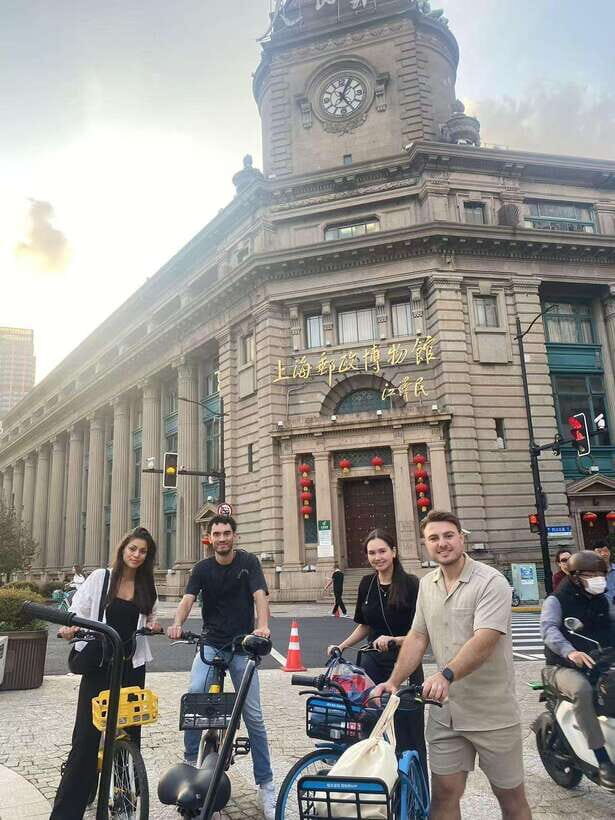
- Small group feel with a guide who can keep an eye on the whole pace.
- Former French Concession streets lined with trees and historic-looking lanes, plus café-and-boutique energy.
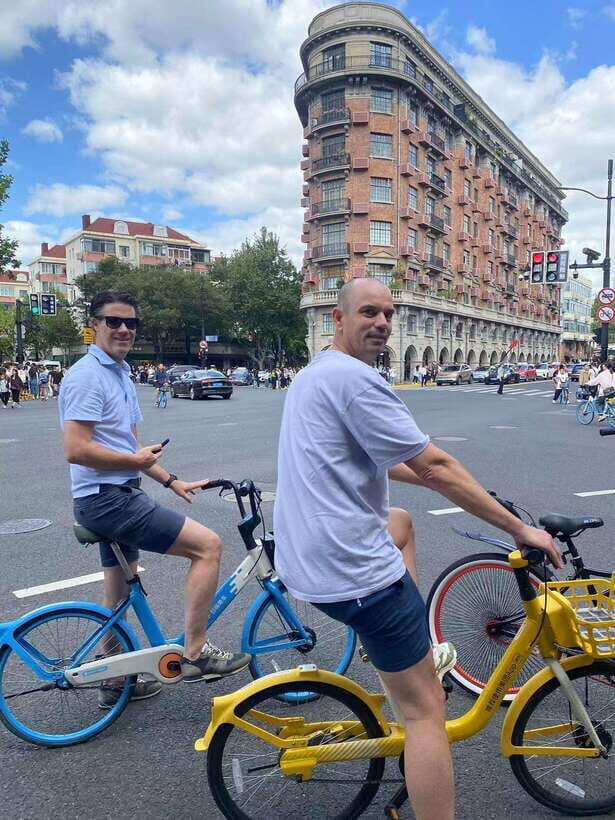
- Art Deco architecture from the 1920s and 1930s, showing East-meets-West design.
- Suzhou River riverside paths for calmer views, historic bridges, and museum scenery along the water.
- The Bund finish with colonial-era buildings on one side and modern skyscrapers on the other.
- English-language guidance from Jill Saarm, with practical local tips.
Xiangyang Park Start: Where You Get Moving Quickly
Your tour begins at Xiangyang Park, right by the crossing of Huaihai Road and Xiangyang North Road, close to Line 1 Shanxi South Station, and opposite IAPM. That’s a handy starting point because it’s easy to find, and it means you’re not spending your limited time just getting to the “real” parts of town.
Before you head out, you’ll get bike fitting and orientation. This matters more than people think. Even if you’ve biked before, city riding is its own thing—stop-and-start traffic, curb edges, and shared road space. The tour runs about 3–4 hours total, including sightseeing breaks, so those first minutes help you get comfortable with the bike and the pace.
Also note the bike setup tradeoff: bikes are included, but helmets aren’t. If you’re the type who prefers a helmet for peace of mind, plan ahead.
You can also read our reviews of more cycling tours in Shanghai

Shanghai Old Town Lanes: Narrow Streets and Everyday Shanghai
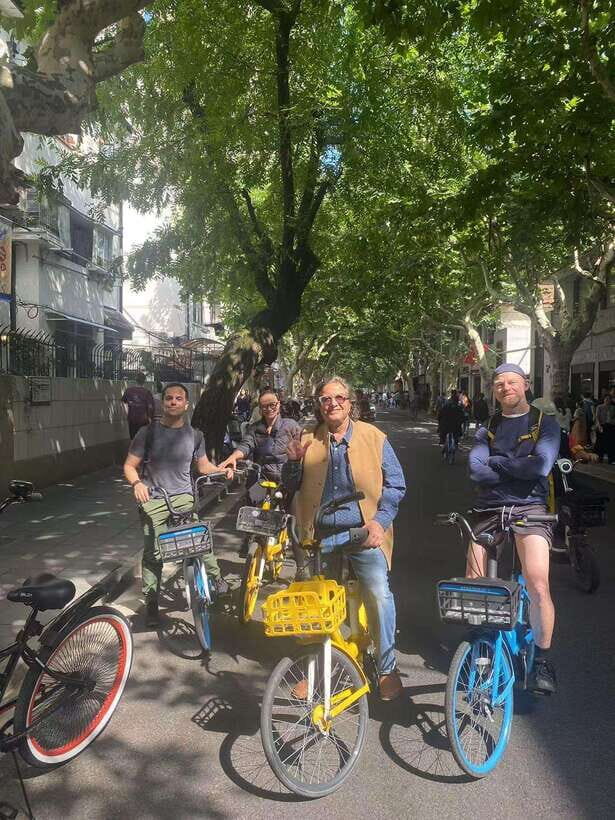
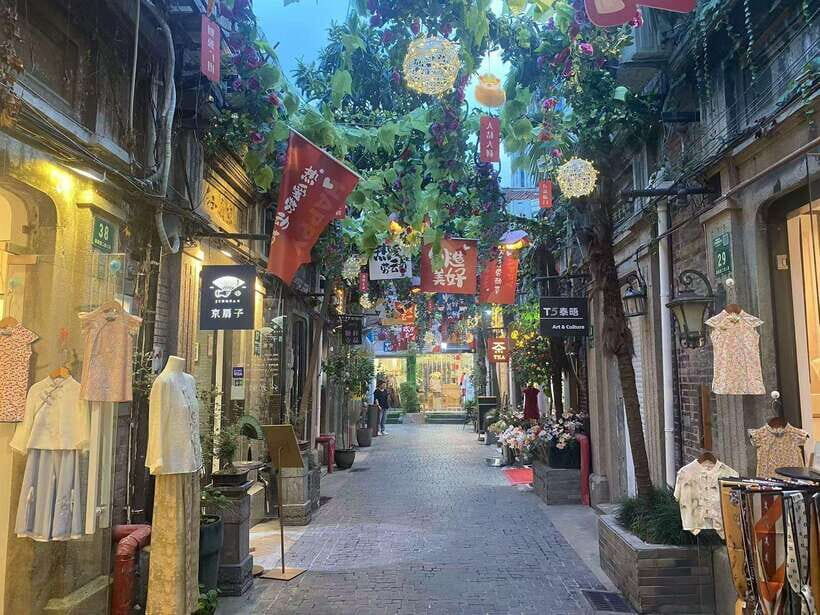
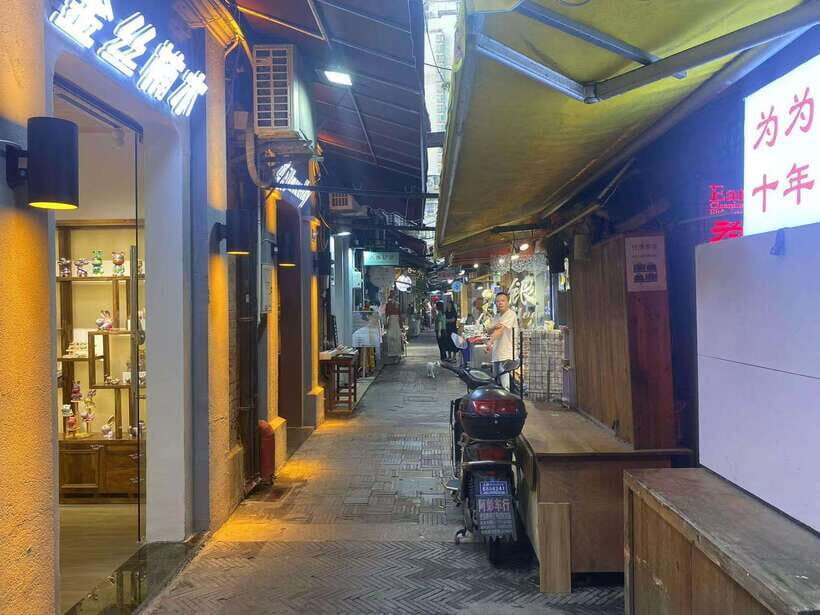
The early part of the experience focuses on Shanghai’s Old Town feel—narrow lanes, older-style architecture, and bustle around markets and local life. Even without getting overly technical, you can usually tell you’re in a different Shanghai “layer” here. The streets feel less like a designed attraction and more like a place that still works as a neighborhood.
This segment is valuable because it sets context. If you only see the glossy highlights later (French Concession villas and The Bund skyline), Shanghai can feel like a set of photo backdrops. Starting with older lanes helps you understand why those later areas look the way they do—Shanghai’s growth didn’t happen in one neat era.
There’s also a practical benefit: biking through tight areas can be faster than walking while still letting you slow down for sights. If you’re sensitive to crowded street conditions, bring a little patience. You’re moving through real city scenes, not a closed-off theme park.
Former French Concession on Two Wheels: Tree-Lined Streets and Architectural Attitude
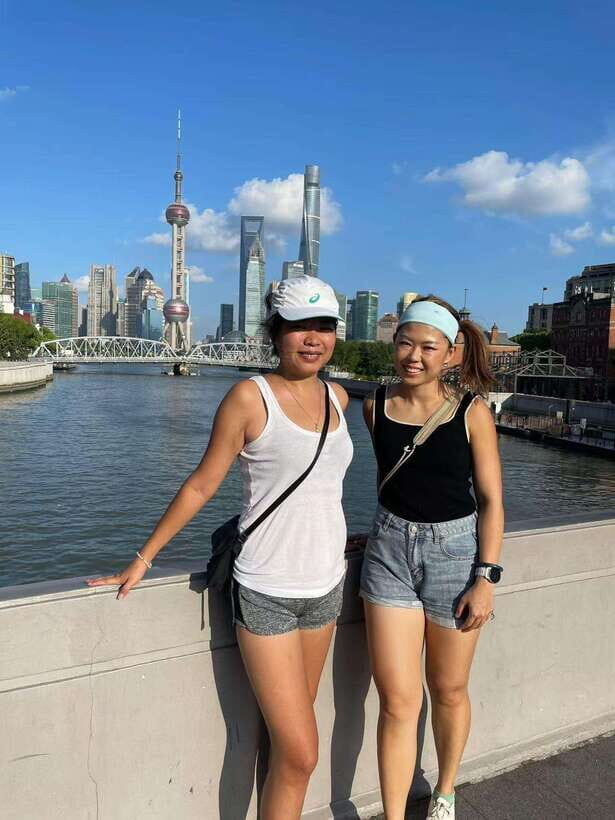
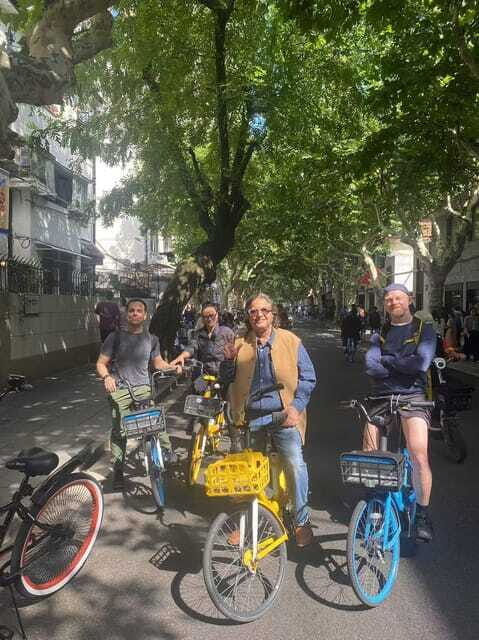
Once you shift into the Former French Concession, the feel changes. You’re on tree-lined streets, cycling past elegant villas, chic boutiques, and quaint cafés. It’s the kind of neighborhood where architecture and street layout do most of the storytelling for you—wide-ish boulevards, tidy facades, and a calmer rhythm compared with the high-speed feeling elsewhere.
What I like about this part is how it frames Shanghai’s identity as a blend. This isn’t just “European buildings in China.” It’s a quarter that reflects cosmopolitan history and long-term urban influence, then lives on as a modern place where people shop, drink coffee, and go about their day.
Why this matters for your trip: it’s a strong “orientation” stop. The French Concession is one of those areas where, after you ride through it once, you start recognizing patterns—street greenery, building styles, and the way the neighborhood’s layout makes it feel walkable even when you’re cycling.
Possible consideration: you may want your camera ready, but don’t force stop after stop. The tour includes planned breaks later, so keep moving unless the guide asks you to pause for a specific view.
Art Deco District Focus: 1920s and 1930s Design in Real Life
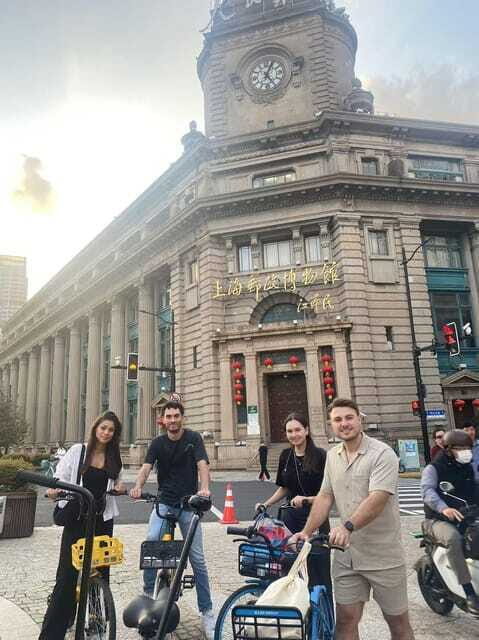
The tour’s Art Deco portion is built around one clear idea: you’re seeing 1920s and 1930s architecture that blends Chinese and Western styles. This is where the bike tour earns its keep. You can’t easily “get” Art Deco from a single building. You need the street-to-street context: façades, repetition, and the way design elements show up across multiple blocks.
The guide support helps here. Jill Saarm leads in English, and the value isn’t just naming buildings—it’s the stories and transformation behind what you’re seeing. A good architecture walk can turn your eye on quickly. This one helps you look beyond the postcard version of a neighborhood.
Photo note: the tour includes at least one photo stop and multiple short pauses. Bring a camera (or phone with good camera handling in bright daylight). And if you’re shooting at angles, try to step slightly aside so you don’t block the group.
Riding Along the Suzhou River: Calmer Views, Bridges, and Museums
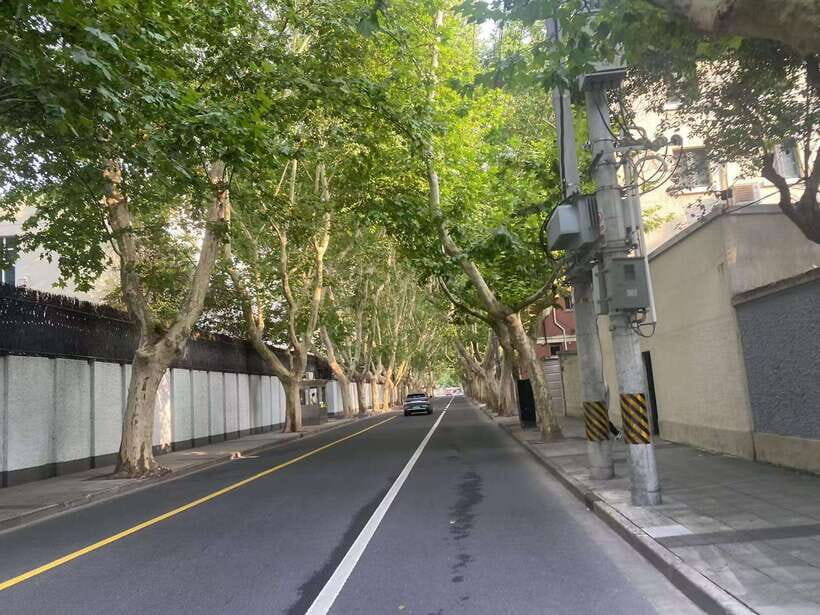
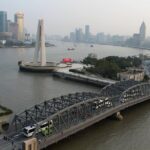
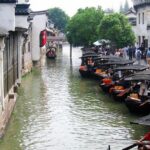
When you head toward the Suzhou River, the mood shifts again. Instead of focusing on street façades, you’re drawn to riverside paths and long views across water. The tour includes historic bridges and museums along the route, which gives the river a personality beyond “scenery.”
This part feels like a palate cleanser after denser streets. You get a chance to breathe a bit, take photos without constant foot traffic in your way, and watch the city’s development from a different angle. It’s also a reminder that Shanghai isn’t only a skyline—there’s infrastructure, culture, and planning wrapped around waterways too.
If you’re someone who gets tired of constant stopping, this segment is a good balance. You’re on the move, but the environment supports easier sightseeing.


The Bund Finale: Colonial-Era Promenade Meets Modern Skyscrapers
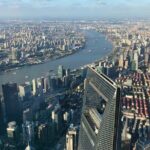
The tour’s ending point is The Bund, Shanghai’s famous waterfront promenade. This is the payoff. You arrive with the context from earlier neighborhoods, so you’re not just seeing tall buildings—you’re seeing the Shanghai contrast that makes The Bund so memorable.
The experience here is straightforward and effective: city skyline views with colonial-era buildings on one side and towering skyscrapers on the other. That “old façade versus new height” contrast is exactly why a bike tour ending here works. You don’t arrive tired from hours of wandering. You arrive ready to look, and ready to compare eras in a single frame.
A small practical tip: skyline viewpoints are high-contrast lighting. If you’re using a phone, check exposure—bright sky can make buildings go dim in photos. If you’re using a camera, consider a quick test shot first so you don’t waste the best minutes adjusting.
Price and Value: Is $59 Worth It?
At $59 per person for about 3.5 hours, this tour is priced like a solid “time-saver with a local brain.” You’re paying for more than sightseeing—you’re paying for:
- A guided route that connects multiple Shanghai zones in one flow
- English-language interpretation from Jill Saarm
- A bike included in the price
- A group size kept small enough that you can ask questions without losing the tour
Where the value really shows: you’re covering Old Town lanes, the Former French Concession, an Art Deco-focused stretch, and the Suzhou River ride, then finishing at The Bund. That’s a lot of geography for one afternoon.
The one cost caveat is the helmet. Helmets aren’t included, so if you don’t already have one, you may need to rent or borrow. That doesn’t kill the value, but it’s a “don’t assume” detail.
Who This Bike Tour Suits Best (And Who Should Skip It)
This tour is listed as moderate fitness and suitable for riders with basic cycling skills. It’s recommended for ages 12 and above, and children under 18 must be accompanied by an adult.
It’s not recommended for:
- Children under 10
- Babies under 1 year
- People over 70
- People over 95
So who should book? If you enjoy architecture, street-level neighborhood atmosphere, and you like getting your bearings quickly, this is a strong match. It’s also a good choice if you want a guided ride through Shanghai’s history without turning your day into a museum-only marathon.
Who might hesitate? If you’re new to biking, have trouble staying steady for longer stretches, or you’re expecting a totally flat, low-effort ride, you may find the “moderate” label important. Ask yourself honestly: can you ride at a comfortable pace for a couple of hours with occasional pauses?
Weather, Timing, and How to Prepare
The tour runs rain or shine, but it may be rescheduled in extreme weather conditions. So it’s smart to treat it like an “outdoor city experience” rather than a fragile plan.
What to bring:
- Water
- Sunscreen
- Comfortable clothing
- A camera (you’ll want it, especially near The Bund and during photo stops)
Since the tour includes multiple stops and breaks, plan to dress for movement. You’ll be riding, stopping, taking photos, and walking short segments.
Also: arrive about 15 minutes early for bike fitting and orientation. That little buffer keeps the first stretch from feeling rushed.
Should You Book This Shanghai Old Town and Suzhou River Bike Tour?
If you want one afternoon that connects Shanghai’s layered identity—Old Town lanes, Former French Concession streets, Art Deco design cues, a Suzhou River riverside reset, and a satisfying The Bund finale—this tour makes sense. The small-group size plus English guide Jill Saarm is a real plus, especially if you like learning while you move.
I’d book it if:
- You want a bike-based way to see multiple key areas without wasting time
- You enjoy architecture and neighborhood context
- You’re comfortable riding with a moderate fitness level
I’d think twice if:
- You don’t ride bikes much and can’t handle basic cycling comfort
- You don’t want to plan for a helmet
- Your trip timing makes it hard if extreme weather leads to rescheduling
If you’re trying to understand Shanghai beyond the skyline photos, this is one of the more practical ways to do it.
FAQ
How long is the Shanghai Old Town & Suzhou River bike tour?
The tour lasts about 3.5 hours and runs approximately 3–4 hours total, including sightseeing and photo breaks.
Where is the meeting point?
You meet at Xiangyang Park, at the crossing of Huaihai Road and Xiangyang North Road, near Line 1 Shanxi South Station, and opposite IAPM. Some details may be provided upon booking.
Is a bike included?
Yes. Bikes are included.
Do I need to bring a helmet?
Helmets are not included. The tour lists that helmets and safety gear are not provided.
What fitness level do I need?
The tour is moderate and suitable for most riders with basic cycling skills.
What ages can join?
It’s recommended for ages 12 and above. Children under 18 must be accompanied by an adult. It’s not suitable for children under 10.
Does the tour run in rain?
The tour runs rain or shine, but it may be rescheduled in extreme weather conditions.