REVIEW · CHENGDU
From Chengdu: Tibetan Village Live as a Tibetan Day Tour
Book on GetYourGuide →Operated by Chengdu Explorer Tour · Bookable on GetYourGuide
Tibetan village life is taught by locals. This Ganbao Tibetan Village day tour is special for the centuries-old stone-and-prayer-flag village you walk through and the hands-on Tibetan butter tea-making that turns culture into something you actually do. You finish with the full evening routine: warm food, dancing, and a bonfire that feels like a community event, not a staged show.
One catch to plan for: the private car round-trip to Ganbao Village is not included in the $159 price, and it’s listed separately as $60 per person—so factor that into your real total.
In This Review
- Key highlights you should care about
- Ganbao Tibetan Village: more than a photo stop
- Chengdu pickup and the drive to the mountains
- Village walking time: stone houses, Mani walls, and prayer flags
- Lungta blessing ritual: a small act with big symbolism
- Lunch and dinner: yak meat hotpot and real comfort food
- Butter tea-making course: the daily staple you can repeat at home
- Hiking to prayer flags: a moderate push with spiritual payoff
- Tibetan art hands-on: paper-cutting included, Thangka optional
- Evening culture: Guozhuang dance, Hada exchange, and bonfire barbecue
- Price and logistics: what $159 really buys you
- Who this tour is best for
- Should you book this Ganbao Tibetan Village day tour?
- FAQ
- How long is the Ganbao Tibetan Village live as a Tibetan day tour?
- What is the price per person?
- Is pickup and drop-off included?
- Is transportation to Ganbao Village included in the price?
- What meals are included?
- What cultural activities are included?
- Are Thangka painting and Tibetan embroidery included?
- What should I bring?
Key highlights you should care about
- Butter tea-making with yak butter (learn the process and taste what locals drink)
- Ganbao village walking loop with stone houses, carved details, and Mani stone walls
- Lungta blessing ritual using Lungta rice paper (note: the paper isn’t included)
- Paper-cutting course plus optional art add-ons like Thangka/embroidery (not included)
- Guozhuang dance and Hada exchange followed by bonfire party and barbecue
Ganbao Tibetan Village: more than a photo stop
This tour is built around everyday Tibetan life—food, tea, art, and community rituals—set inside an old mountain village where the details matter. You’re not just cruising past sights. You’re given moments to slow down: walking the cobblestones, learning a hands-on tea routine, and then joining in the evening festivities.
What I like most is how the day mixes practical activities with cultural meaning. The village architecture and the prayer flags are not just pretty backdrops. They connect to the way people mark faith and daily hope. And the butter tea class makes the point that hospitality here is a process, not a slogan.
It’s also a private group tour with an English live guide, which makes it easier to ask questions and keep the day from feeling rushed. One review note you can use as a clue: the guides can bring extra energy to the trip, including fun touches during the drive (one guest even mentioned karaoke in the car with guide Mua). Another review praised guide Wang specifically for being attentive and dynamic—so quality of guiding seems to be a real strength.
You can also read our reviews of more tours and experiences in Chengdu.


Chengdu pickup and the drive to the mountains
You start in Chengdu with two pickup options: Ganbaoxiang or another Chengdu meeting point (and you return to the same area at the end of the day). The trip runs about 12 hours, so you’re planning a full-day outing rather than a quick half-trip.
The drive time is part of the experience because it sets the rhythm: you’re heading from city life toward a highland cultural world. Your guide is English-speaking, and you’ll have someone coordinating the schedule so you can focus on what you’re doing next.
Quick planning tip: after booking, the tour instructions ask you to provide your contact details by email. Do that early so the pickup can be smooth.
Village walking time: stone houses, Mani walls, and prayer flags
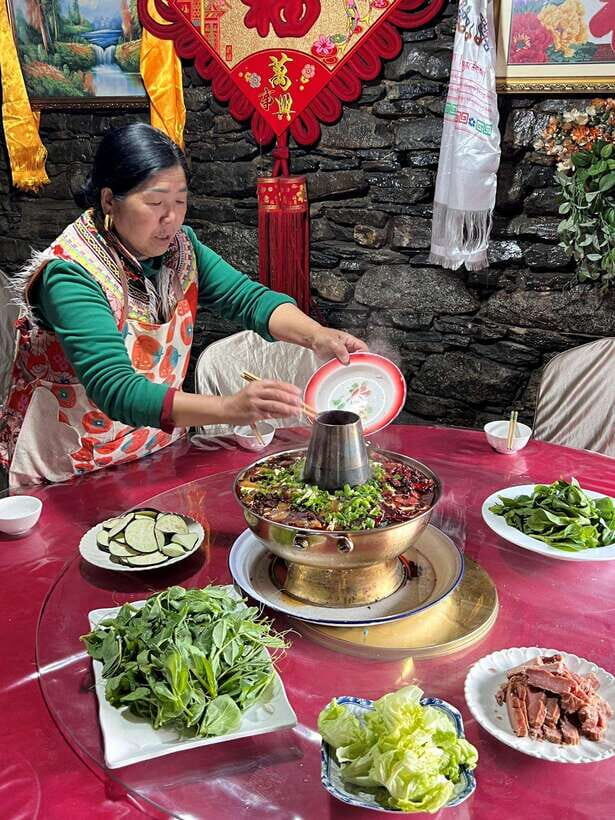
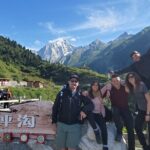
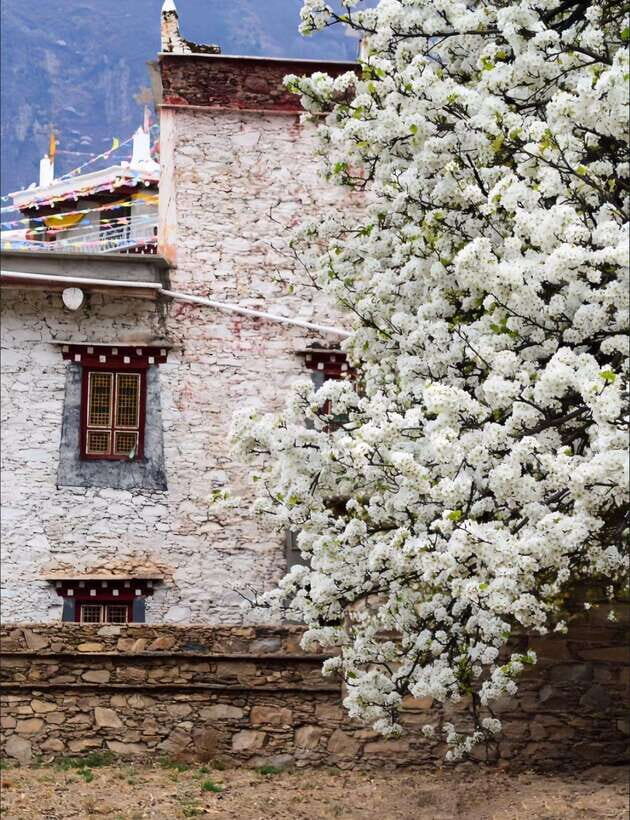
Once you arrive, you get a relaxed walk through Ganbao Tibetan Village for about 1.5 hours. This is not the kind of tour where you sprint from one landmark to another. You’ll have time to look at the small things: the stone houses with carved details, the prayer flags in the mountain air, and Mani stone walls inscribed with Buddhist scriptures.
If you like culture with context, this part is where it clicks. The village layout and design aren’t random. They’re tied to faith and daily routine. The prayer flags and scripture stones help explain how belief becomes physical space—something you see as you walk.
You also hike to a nearby hill area with more prayer flags as part of the day’s flow. The hiking segment later is longer, but even the village area has that gentle “moving through faith” feeling. Wear shoes that can handle uneven surfaces. The included guidance is comfortable shoes for a reason.
Lungta blessing ritual: a small act with big symbolism
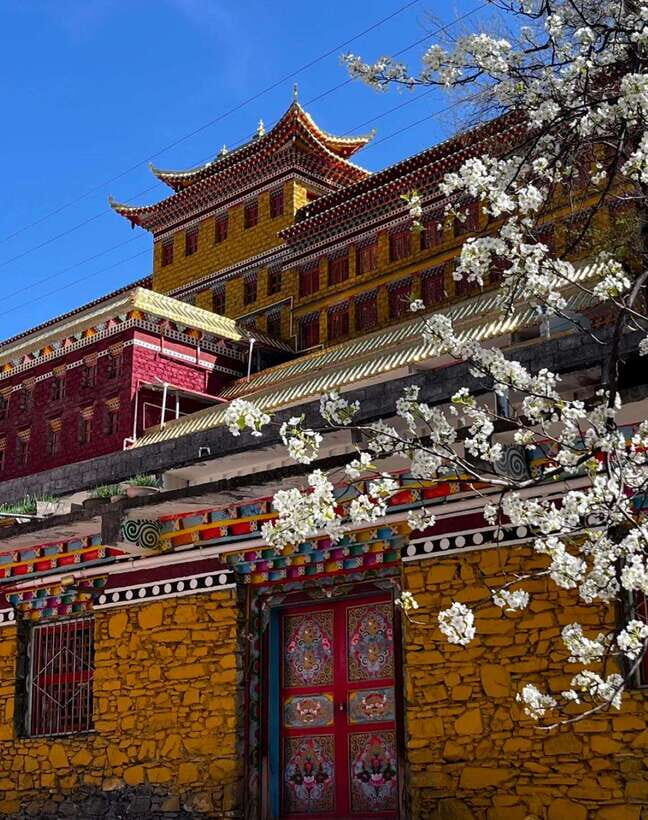
One of the most meaningful moments is the Lungta blessing ritual, where you scatter Lungta rice paper into the wind. Lungta is tied to prayers for good fortune and well-being, and the whole point is that you’re participating—not just watching.
Do note one important detail: Lungta paper is not included in the listed inclusions. That means you should confirm with your guide whether it’s purchased for you on-site or if you need to bring/arrange it. This is the kind of small logistical detail that can change whether you fully join the ritual.
Even if you’re not a ritual person, this is worth leaning into. It’s a short, respectful way to understand how hope and prayer work in everyday Tibetan culture.
Lunch and dinner: yak meat hotpot and real comfort food
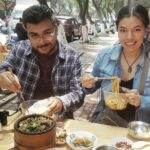
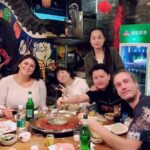
Food is one of this tour’s strongest selling points. You get a Tibetan lunch (about 1 hour) and then later a yak meat hotpot dinner (about 1 hour), which is then followed by communal evening events.
This isn’t fancy “fusion” food. It’s hearty Tibetan fare designed for mountain life. One review specifically praised the lunch hosted by a local sweet lady named Yang Ji, which is a good reminder of what to expect: food here comes from relationships, not just menus.
When you’re planning for value, look at this: you’re not just paying for activities. You’re paying for a full day with two substantial meals and a dinner built around shared warmth. That matters more than people think when you add up time and transport.
If you have dietary restrictions, you’ll want to communicate them ahead of time. The tour data doesn’t specify special diets, and Tibetan meals may rely on local staples you might not expect.

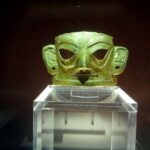
Butter tea-making course: the daily staple you can repeat at home
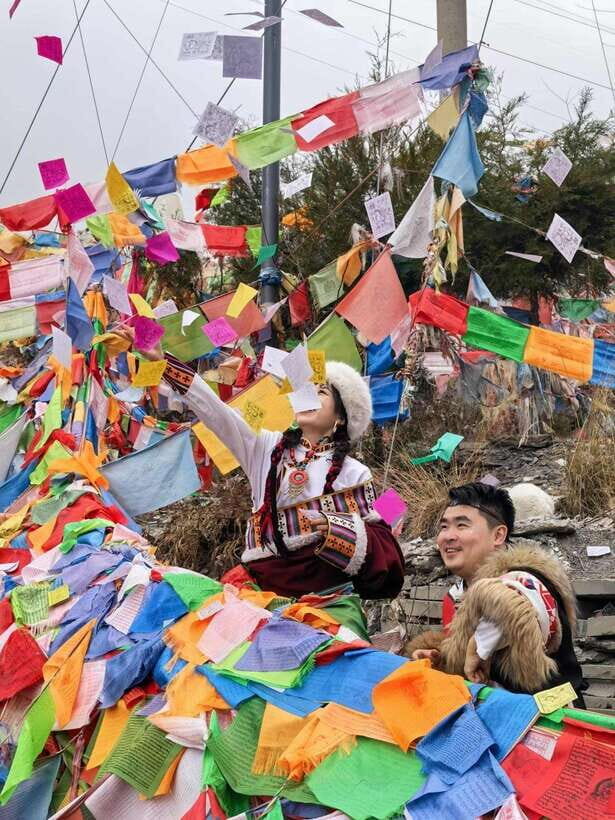
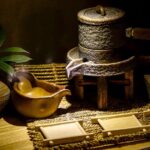
The butter-milk tea-making experience is a core included activity, listed at about 2 hours. You’ll learn how Tibetan tea gets mixed with yak butter, and you’ll understand why this drink is so central to daily life in colder mountain conditions.
What makes this class valuable is the hands-on sequence. Instead of just tasting something once, you’re guided through the making process. That helps you connect flavor to function: warmth, richness, and that hearty feel.
To enjoy the class, go in with open expectations. Butter tea is not like Western tea. It’s thicker, more savory in character, and it can be an acquired taste. But it’s also a very direct way to understand hospitality in Tibetan culture: sharing a drink you take seriously.
Hiking to prayer flags: a moderate push with spiritual payoff
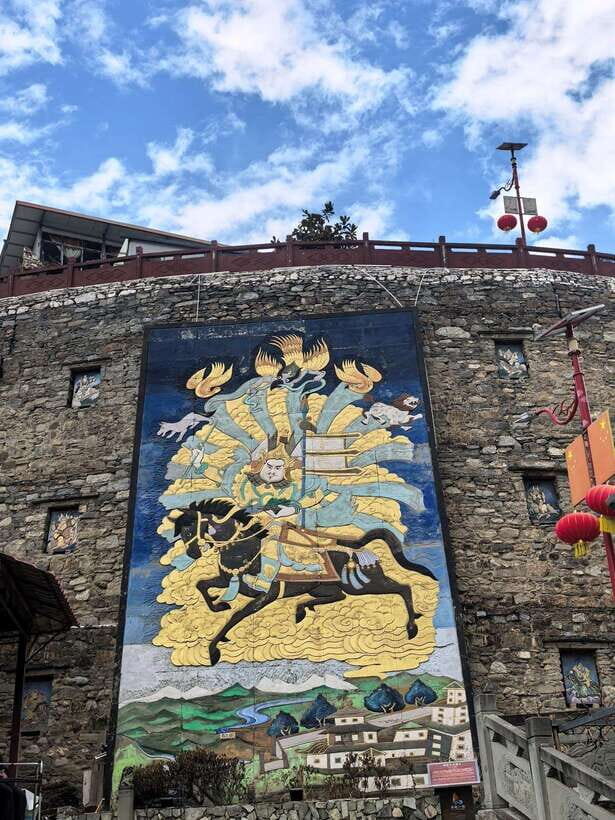
After lunch and tea workshop, the day includes a hike of about 1.5 hours. The goal isn’t athletic training. It’s moving through the mountain air toward prayer flags, so you get the physical sense of being in the region rather than only indoors.
Practical advice: bring shoes with grip and take your time on uneven ground. If you’re prone to knee strain, consider taking shorter steps and pacing with your guide. This is the part of the day where comfort footwear matters most.
The good news is you’re not doing it alone. A live guide is with you, and the schedule is structured so you’re not constantly sprinting between activities.
Tibetan art hands-on: paper-cutting included, Thangka optional
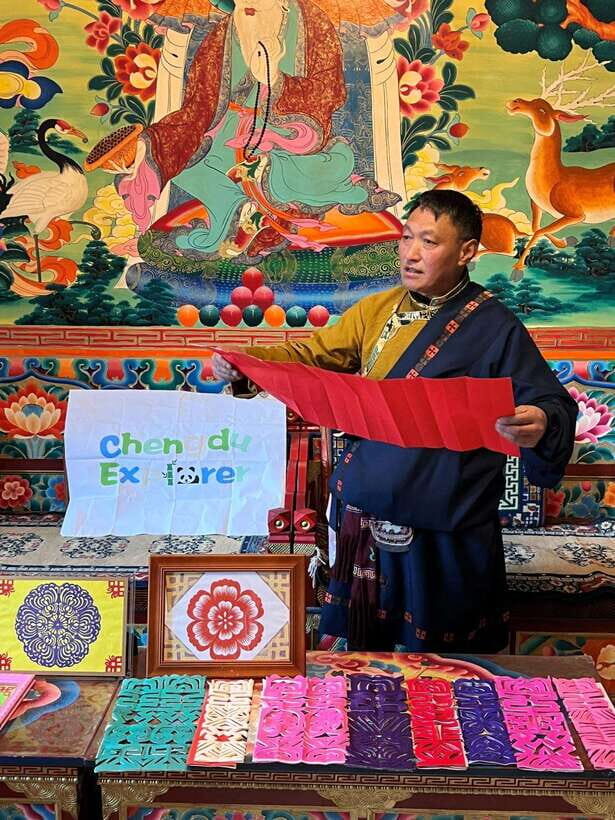
You have at least one included art workshop: traditional Tibetan paper-cutting. This is a quiet, skill-focused activity, and it pairs nicely after the more physical morning.
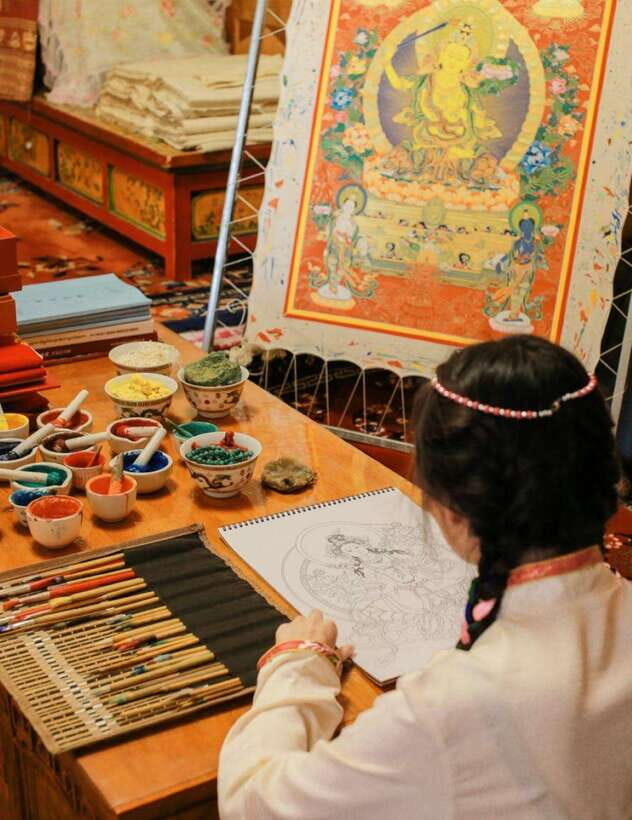
The tour also lists optional art experiences that are not included: Thangka painting, Tibetan embroidery, and Tibetan costume photography. If you want the full set, you’ll be looking at extra cost beyond the $159 package.
Here’s how to decide:
- If you want one hands-on craft, go for the included paper-cutting.
- If you’re a serious art person and want to create something more elaborate, consider adding Thangka or embroidery.
- If you want a cultural photo moment, remember that traditional attire is included, but costume photography is listed as optional.
Evening culture: Guozhuang dance, Hada exchange, and bonfire barbecue
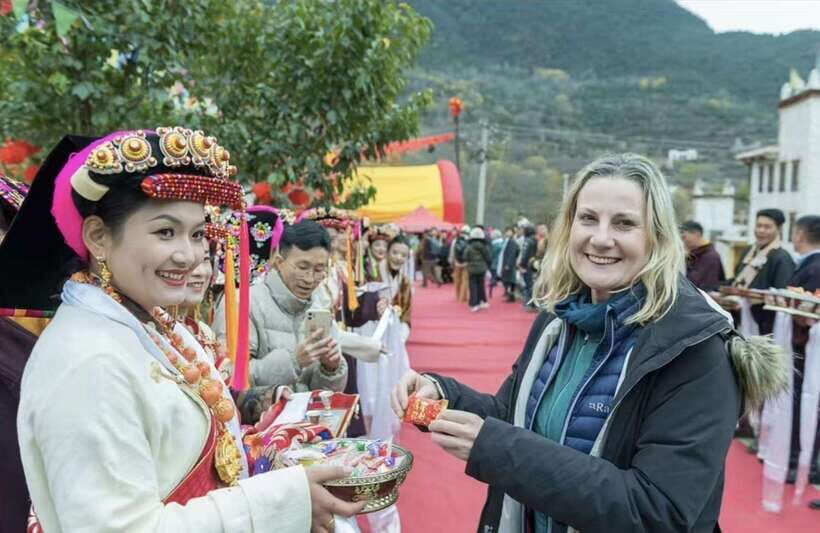
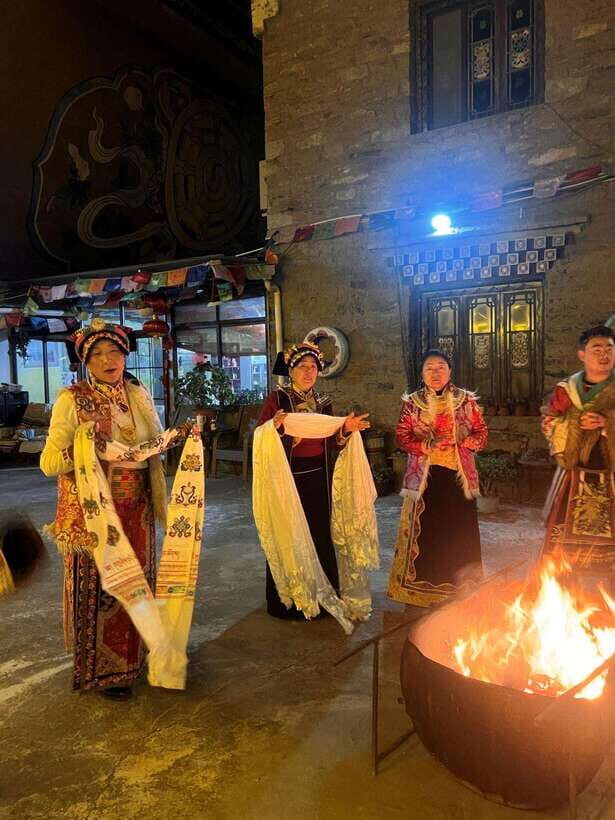
The final stretch is where the day turns social. You’ll have dinner, then join the evening cultural events that include a traditional dance show (about 1 hour) plus the community experience: Guozhuang dance, Hada exchange, and a bonfire party and barbecue.
This is the part where the tour stops feeling like a checklist and starts feeling like a shared evening. The Hada is a greeting symbol of respect and goodwill, and the Guozhuang dance is structured around group energy. You’re not just sitting and watching.
The bonfire element is important because it creates a natural “gathering” moment. One review highlighted dancing around the bonfire and praised how kind the people were. That kind of warmth is exactly what you’re trying to catch on this tour.
Price and logistics: what $159 really buys you
At $159 per person for 12 hours, the headline price looks fair if you compare it to other culture-heavy day tours. But you should calculate your real total before you commit.
Here’s the practical breakdown based on what’s listed:
- Included: guide service, fees/tickets, Tibetan lunch, butter tea-making course, paper-cutting course, traditional attire, yak meat hotpot dinner, bonfire party and barbecue, Guozhuang dance with local residents.
- Not included: private car round-trip transportation to Ganbao Village is listed separately as $60 per person.
- Not included (possible add-ons): Thangka, embroidery, costume photography, Lungta paper.
So if you’re budgeting for transport, your all-in cost could look closer to $219 per person (depending on how your transport is arranged). Still, you’re getting two meals and multiple guided cultural activities in one day, which is where the value comes from.
Also note: the guide may adjust activity details based on conditions on the day. Highland days can be unpredictable, and a flexible schedule is usually a sign of a well-run operation.
Who this tour is best for
This is a good match if you want:
- A hands-on cultural day rather than only sightseeing
- English guidance and a structured schedule that keeps the day flowing
- Craft activities like paper-cutting
- A community-style evening with dance and bonfire barbecue
It’s less ideal if you dislike moderate walking/hiking, or if you want a lot of free time with no itinerary structure. This day is scheduled, and the activities build on each other.
Also, the tour is listed as wheelchair accessible, and it’s a private group, which can make pacing easier than a large group bus tour.
Should you book this Ganbao Tibetan Village day tour?
If you want a Tibetan day that includes real participation—butter tea, a craft workshop, a village walk with prayer flags and Mani walls, and an evening with Guozhuang dance and bonfire barbecue—then yes, this is a strong option to book.
Book it especially if you’re the kind of traveler who enjoys learning processes, not just collecting photos. The hands-on classes and the guided rituals make it feel more personal.
Before you confirm, do two quick checks:
- Ask about Lungta paper and whether you need to pay for it separately.
- Factor in the $60 per person transport cost so you’re not surprised by the total.
If those points fit your plan and you’re comfortable with a full day, you’ll likely come away with more than memories—you’ll have skills, stories, and a sense of how these traditions move through daily life.
FAQ
How long is the Ganbao Tibetan Village live as a Tibetan day tour?
The tour lasts about 12 hours.
What is the price per person?
The price is listed as $159 per person.
Is pickup and drop-off included?
Pickup and drop-off are available in Chengdu, with two pickup/drop-off options: Ganbaoxiang and Chengdu.
Is transportation to Ganbao Village included in the price?
No. Private car round-trip transportation to Ganbao Village is listed as not included, priced at $60 per person.
What meals are included?
Tibetan lunch and Tibetan yak meat hotpot dinner are included, along with bonfire party and barbecue.
What cultural activities are included?
Included activities list butter-milk tea-making, Tibetan paper-cutting, traditional Tibetan attire, Guozhuang dance with local Tibetan residents, and a bonfire party and barbecue.
Are Thangka painting and Tibetan embroidery included?
No. Thangka painting and Tibetan embroidery courses are listed as not included (optional).
What should I bring?
Bring comfortable shoes and a passport (a copy is accepted).