REVIEW · BEIJING
Great Wall of China at Mutianyu Full-Day Tour Including Lunch from Beijing
Book on Viator →Operated by Hantang International Travel Service · Bookable on Viator
Climb the Great Wall without the crush. This full-day trip focuses on Mutianyu, a steeper, older section with watch towers and parapets, plus an English-speaking guide who gives you the story behind the stones before you start climbing. I like that it’s built around real viewing time, not just bus time, and that it adds cultural stops along the way.
What I especially like is the included Chinese-style lunch and the straightforward logistics: hotel pickup and drop-off by air-conditioned vehicle, with admission handled for you. One heads-up: the day includes factory/shop-style stops for souvenirs, and if you’re sensitive to sales pressure or want more time purely on the wall, you may wish you had slightly more wall time.
In This Review
- Key things to know before you go
- Mutianyu vs. Badaling: why this Wall section feels more doable
- Morning logistics from Beijing: pickup, timing, and what to pack
- The guided story before the climb: what you’ll learn on the way
- Climbing 1,400+ steps: what the hike feels like at Mutianyu
- Cable car options: how to choose without regretting it
- Lunch and the cultural stops: the part that can make or break your mood
- Time at the Wall: getting the balance right
- Price and value: is $79 a smart buy?
- Which guide experience you might get (and how to work with it)
- Who should book this tour, and who might pass
- Should you book this Mutianyu full-day Great Wall tour?
- FAQ
- What’s included in the price?
- How long is the tour?
- What time does the tour start?
- Where does pickup happen?
- Do I need a cable car?
- Is lunch included?
- Are admission tickets included?
- Is the guide English-speaking?
- What part of the Great Wall will I visit?
- How many people are on the tour?
- What happens if the weather is bad?
Key things to know before you go

- Mutianyu is steeper than Badaling, so plan for a more “hike” feel than a stroll
- You’ll climb 1,400+ steps and see watch towers along a 2,250 m stretch
- English-speaking guide helps you connect what you see to how the Wall worked
- Lunch is included, so you’re not scrambling around after the climb
- A cable car option is available at your own expense if you want a less strenuous route
- The trip includes factory/shop stops (souvenir browsing is part of the flow)
Mutianyu vs. Badaling: why this Wall section feels more doable
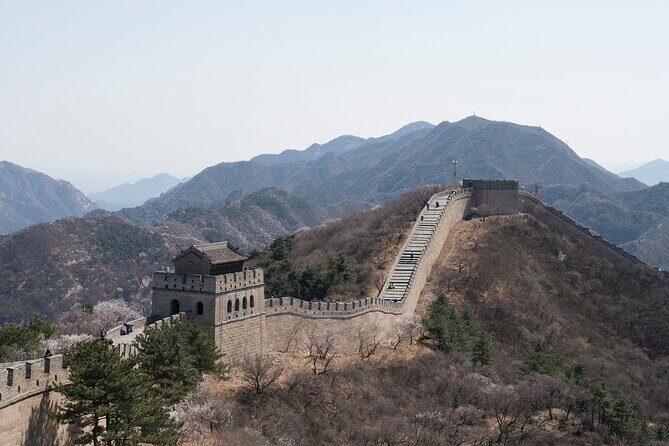
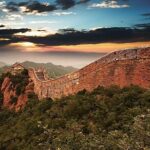
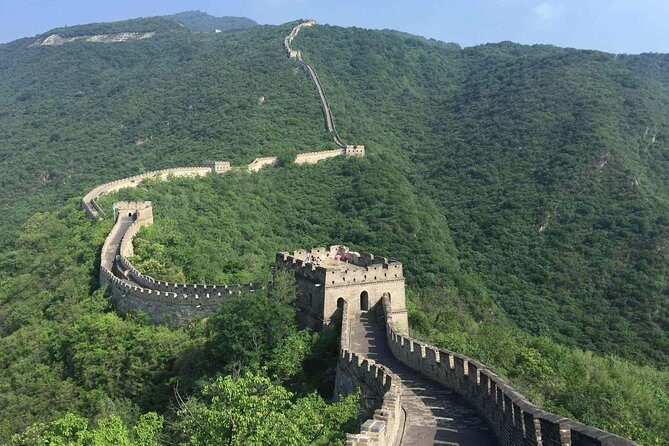
Mutianyu is the choice for people who want the Great Wall to feel like a place you explored—not a theme-park queue. It’s part of the UNESCO World Heritage-listed Great Wall of China, and it’s older than Badaling. Translation: the stonework and defensive features can look a bit more rugged and “worked-in” by time.
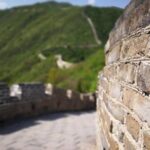
This section is also steeper. That matters because your experience won’t be the same as the flatter, more tour-bus-famous stretches. You’ll be climbing more, and it helps to know that going in. The good news is that Mutianyu is set in a valley with woodland and streams, so the views keep changing while you work upward.
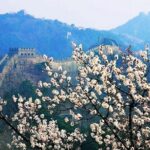
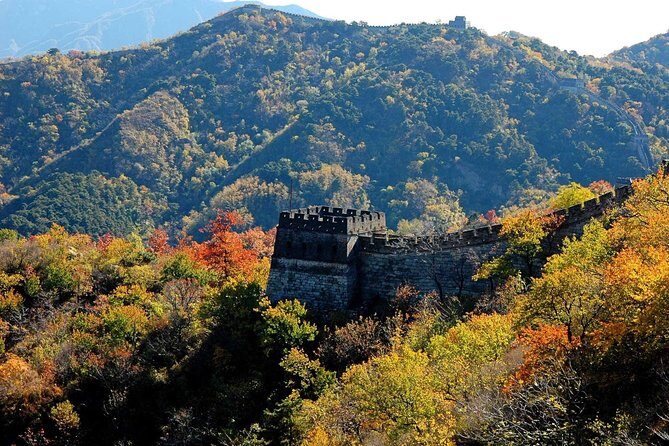
If you love photos, Mutianyu’s seasonality is a real bonus. The Wall can look different in spring, summer, winter, and especially autumn, when colors shift and the area feels extra scenic. Even if you don’t obsess over seasons, you’ll still get that “wow, this really is huge” feeling as you look along the parapets and towers.
A few more Beijing tours and experiences worth a look

Morning logistics from Beijing: pickup, timing, and what to pack
The day starts early, with a 7:30 am departure. You’ll ride in a comfortable, air-conditioned vehicle, and pickup is offered for hotels within the 4th ring circle highway. If your hotel is outside that zone, you join from Prime Hotel instead.
Two small practical notes that make a difference:
- You’ll want comfortable shoes with grip. The climb includes steep steps, and you’re on uneven historic surfaces.
- Bring a layer. Even when Beijing feels mild in the city, the Wall area can feel colder and windier—especially if you’re climbing high.
You get a mobile ticket, and admission tickets are included. That reduces the usual “where do I stand?” stress at the gate. Also, because the tour includes round-trip transportation, you’re not negotiating local transit or timing your own return after you’re tired.
The guided story before the climb: what you’ll learn on the way
One reason this tour feels smoother than an independent trip is that the guide doesn’t just point. They explain. On the drive and at the Wall, you’ll get an English-language narrative about the Great Wall and how this section functioned as part of China’s defensive system.
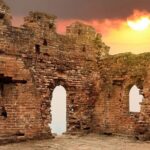
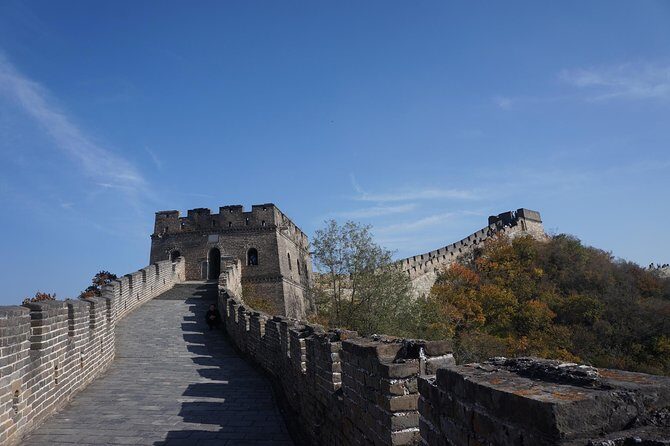
Mutianyu has outer and inner parapets, plus 22 watch towers along a 2,250-meter stretch. The highest watch tower here sits at 540 meters above sea level. When you have those facts in mind, the architecture becomes easier to read while you’re climbing—like you’re studying a map you can walk through.
I also like the way the tour is paced. You get guided context, then you physically earn the views. That combination tends to make the Wall feel less like a checklist item and more like an actual place with a job.
Climbing 1,400+ steps: what the hike feels like at Mutianyu
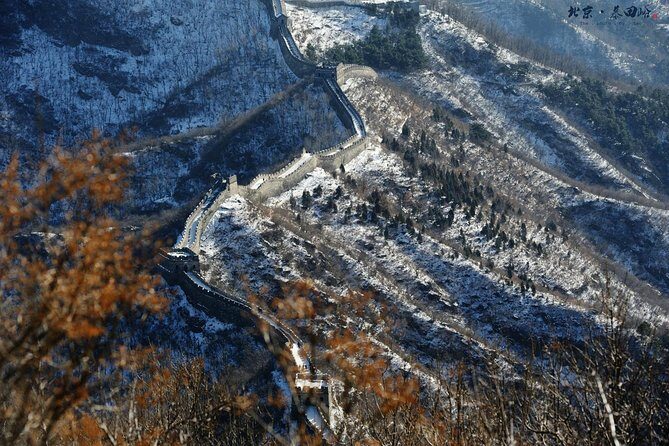
At Mutianyu, you’ll start your ascent of more than 1,400 steps. This is where the tone of the trip shifts from “tour day” to “short workout.” Some people are fine with that and love it. Others prefer a route that minimizes stair time. Either approach works as long as you plan.
What makes the climb worth it is what’s around you as you go:
- Parapets and preserved defensive sections that help you imagine how guards moved and signaled
- Watch towers that break up the Wall into segments you can visually track
- Changing scenery with woodland and streams below, so you’re not just staring at stone
Once you reach the top, you’ll have time for photos and the kind of wide views that are hard to recreate from street level. You’ll be climbing at a time when the goal is to avoid the biggest crowds. In practical terms, arriving early helps you enjoy the Wall rather than constantly stepping aside for other groups.
One detail to keep in mind: your time at the Wall is not all-day. The Mutianyu visit includes a window of around 2 hours (with admission included). That means you should decide early how you want to spend those hours—quick towers and viewpoints, or a slower climb and more wandering.
Cable car options: how to choose without regretting it
The tour includes the Wall hike and ascent, and there’s an optional cable car ride available at your own expense. People who choose it often do so because Mutianyu is steeper than some famous alternatives.
If you want to move efficiently, the cable car can help you conserve energy for the parts you care about most—especially if you’re traveling with anyone who finds stairs challenging. If you want the full workout and the satisfying feeling of earning the views, skip it and climb.
Here’s the trick: decide based on your energy on the morning of the tour, not on bravado. The Wall is demanding, but the payoff is also huge. If you go up by stairs, pace yourself so you’re not wiped out before the photo views. If you go up by cable car, be ready for stairs on the route back down or on the segments you choose to walk.
A few more Beijing tours and experiences worth a look

Lunch and the cultural stops: the part that can make or break your mood
After you climb, you’ll refuel with a traditional Chinese-style lunch. Lunch is included in the tour price, which is a big value point. It also keeps your day from turning into the classic problem of sightseeing tours where you’re hungry and grumpy right when you most want to enjoy the main attraction.
The tour also includes time to browse a cloisonné enamelware factory for souvenirs. In addition, many guides build in short cultural moments tied to the craft experience—some groups report tea ceremony elements and craft demonstrations connected to the souvenir areas.
This is the part that splits opinions, and you should go in with eyes open. The Wall is the star, but the itinerary includes shop/factory time because the experience is packaged as a full day with “extra” regional culture. Some guests love these stops as a change of pace after the climb. Others feel the sales energy can take attention away from the Wall itself.
My advice: treat the factory stop like a coffee break with shopping nearby. If you want souvenirs, go in curious and budget your time. If you don’t, keep your expectations simple: look, learn the basics, and move on.
Time at the Wall: getting the balance right
This trip gives you a real Wall visit, but it’s still a structured tour day. The Mutianyu portion is about 2 hours, so you’ll be doing some combination of climbing, viewpoints, and photo stops—not an all-day ramble.
That structure can be great if you like:
- a clear plan
- an efficient schedule
- an expert guide explaining what you’re seeing
It can feel tight if you’re the type who likes lingering at every watch tower or wants long, quiet time away from group momentum. Some people also prefer that storytelling continues while they’re on the actual Wall. If that’s you, plan to ask your guide questions during the time you’re together, and use the walking segments to read the features with your own eyes.
Either way, you’ll leave having seen Mutianyu’s defensive layout—parapets, towers, and the steep character that makes this section different from the easiest-to-reach Walls.
Price and value: is $79 a smart buy?
At $79 per person, this tour is priced like a solid day experience that covers the big costs: guide service, admission, lunch, and round-trip hotel transportation. You’re not just buying tickets to a site—you’re buying time saved and friction reduced.
Here’s the value logic I see:
- Admission is included, so you avoid extra ticket hunting.
- Hotel pickup and drop-off reduces travel time and stress, especially early in the morning.
- Lunch is included, so you’re not paying for food while trying to recover from the climb.
- The English-speaking guide gives you context for what otherwise can feel like endless stairs.
Where value can vary is how much you personally enjoy the included factory/shop segments. If you like cultural craft stops, this is a well-rounded day. If you’d rather stay strictly on the Wall, you’ll still get the main attraction—but you may feel the day is less “pure” than you hoped.
Which guide experience you might get (and how to work with it)
The tour runs with professional English-speaking guides, and names that come up in recent groups include Mary, Jenny, Jennifer, Michael, Wendy, Lee, and Lisa. What matters most isn’t the name—it’s the style.
A strong guide adds texture: quick explanations that help you read towers and parapets, plus small practical tips so you don’t waste time at the wrong viewpoints. Many guests also liked guides who kept the pace friendly and answered questions without sounding rehearsed.
If you want the best version of this experience, do two things:
- Ask questions early, before your feet are tired.
- If you’re not interested in buying souvenirs, be polite but firm about your boundaries during the factory time.
A good guide will adapt. A pushy sales flow is rarely the guide’s favorite part either, but the itinerary includes it, so your response matters.
Who should book this tour, and who might pass
This is a great match if you want:
- Mutianyu specifically (steeper, older, less like the busiest showcase sections)
- hotel pickup and drop-off that keeps your day simple
- a guide who explains the Wall’s purpose and structure
- included lunch so the day stays comfortable
It may be less ideal if you strongly prefer:
- lots of unstructured time on the Wall (because the visit is about 2 hours)
- fewer shop stops (because souvenir browsing is built in)
- minimal stair climbing (because Mutianyu involves more than 1,400 steps, unless you use the optional cable car)
If you like a plan and want an efficient Great Wall day without logistics headaches, you’ll likely be happy. If you want maximum freedom only on the Wall, you might consider a different self-guided approach.
Should you book this Mutianyu full-day Great Wall tour?
I’d book it if your ideal Great Wall day includes a real guide, included admission and lunch, and the Mutianyu section with its steep climb and defensive towers. For most visitors, that mix hits the sweet spot between effort and payoff.
I would think twice if you’re very sales-averse or if you’re the kind of traveler who wants to spend the whole day wandering watch towers without anyone steering the schedule. In that case, the Wall will still impress you, but the “extra” stops could feel like they steal time from the main event.
If you book, go in with one mindset: you’re here for the climb and the views. Use the guide for the story, enjoy the included lunch to reset, and treat the craft browsing as optional side quests—not the reason you’re making the trip.
FAQ
What’s included in the price?
The tour includes a professional English-speaking guide, a Chinese-style lunch, air-conditioned transportation, pickup and drop-off from hotels within the 4th ring circle (or Prime Hotel if outside), admission tickets, and a guided experience at Mutianyu.
How long is the tour?
The duration is about 7 hours.
What time does the tour start?
The start time is 7:30 am.
Where does pickup happen?
Pickup is available from hotels within the 4th ring circle highway. If your hotel is outside that area, you join from Prime Hotel.
Do I need a cable car?
A cable car ride is optional and is not included in the tour price (it’s at your own expense). The tour itself includes the Wall experience with a climb of more than 1,400 steps.
Is lunch included?
Yes. You get a Chinese-style lunch as part of the tour.
Are admission tickets included?
Yes. Admission tickets are included.
Is the guide English-speaking?
Yes. The guide is described as professional and English-speaking.
What part of the Great Wall will I visit?
You’ll visit the Mutianyu section of the Great Wall.
How many people are on the tour?
The tour has a maximum of 999 travelers.
What happens if the weather is bad?
The experience requires good weather. If it’s canceled due to poor weather, you’ll be offered a different date or a full refund.