REVIEW · GUANGZHOU
Guangzhou: Walking Tour of Xiguan Ancient Town
Book on GetYourGuide →Operated by SilkRoadTrips · Bookable on GetYourGuide
Guangzhou has a way of turning a simple walk into a story. This Xiguan Ancient Town tour mixes Cantonese daily life with real old-street corners, starting at Renwei Temple and ending on the Pearl River’s Shamian Island. I like that it’s hands-on: you’re out in the neighborhood, watching people shop, snack, and linger, not just taking photos at “sights.”
One thing to consider: the pace can feel slow if you want heavier explanations at every stop.
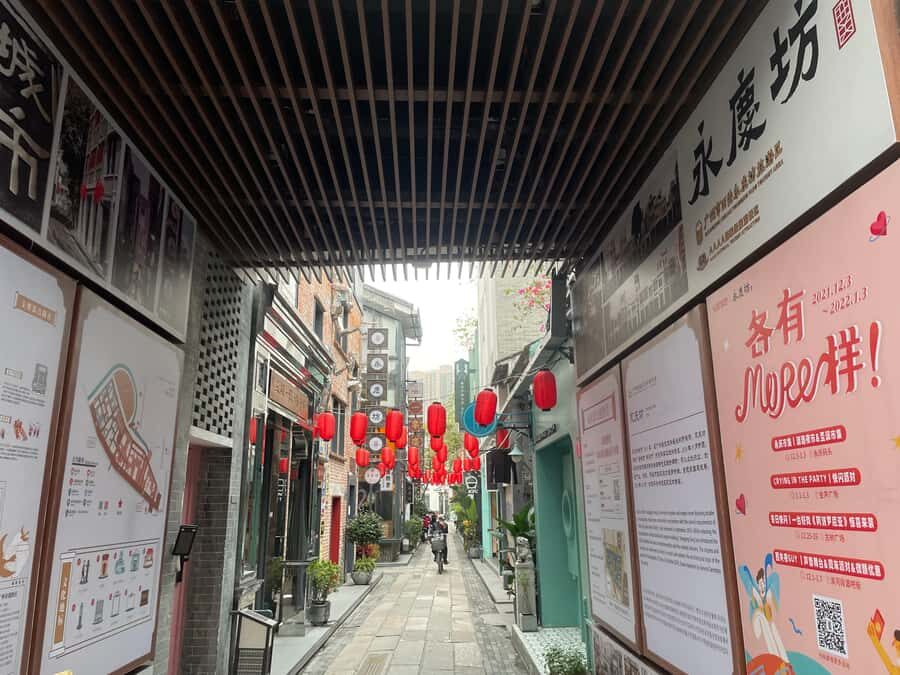
What I love most is the variety packed into just 3.5 hours. You’ll see how locals use public space at Liwanhu Park (dancing, singing, and games), then follow the flow of everyday commerce on Duobao Road and En’ning Road, with a snack street vibe that’s easy to enjoy even if you don’t eat much. And at Lychee Bay and Yong Qing Fang, you get a closer look at preserved Xiguan-style lanes and residences tied to the Lingnan region.
In This Review
- Key Stops That Make This Walk Worth Your Time
- Starting at Zhongshanba Station: Easy Meet-Up, Clear Direction
- Renwei Temple and Liwanhu Park: Street Life Meets Local Tradition
- Duobao Road and En’ning Road: Cantonese Living in Motion
- Lychee Bay: Preserved Xiguan Houses and a Taste of the Past
- Yong Qing Fang and Shangxiajiu: From Back-Street Feeling to Famous Streets
- Shamian Island: A Pearl River Stroll With a Colonial-Style Calm
- Guides Matter Here: Mango and Raymond as Examples of the Best Fit
- Price and Logistics: What You Get for $89
- When This Tour Is a Great Match (and When It’s Not)
- Should You Book This Xiguan Walking Tour?
- FAQ
- What is the duration of the Guangzhou walking tour?
- Where do I meet the guide?
- Is there hotel pickup included?
- What language is the tour guide?
- What’s included in the price?
- What should I bring?
- How much does the tour cost?
- Is free cancellation available?
Key Stops That Make This Walk Worth Your Time
- Renwei Temple at the start, giving you a feel for local spiritual life before the street scenes
- Liwanhu Park, where you watch people actually doing what they do day to day
- Duobao Road and En’ning Road, a practical snapshot of markets, shops, and street snacks
- Lychee Bay, where preserved Xiguan houses show what the rich parts of town once looked like
- Yong Qing Fang and Shangxiajiu, old-town textures plus a well-known pedestrian stretch
- Shamian Island, tree-lined streets along the Pearl River with a calmer mood to close the loop
Starting at Zhongshanba Station: Easy Meet-Up, Clear Direction
The tour meets you outside Exit A of Zhongshanba Station on Metro Line 5. Your guide will be holding a sign with your name, which saves time and reduces the usual “Where is the group?” stress. If you chose the hotel pickup option, you’ll start from your centrally located hotel instead.
This matters because the whole experience is built around walking efficiently. If you start late, you lose the “just enough time in each place” rhythm that makes the route feel complete without dragging on.
Once you’re matched up, you start right away—no long intro talk. Expect a steady pace that still leaves room to look, ask questions, and grab a snack if you want one.
You can also read our reviews of more walking tours in Guangzhou
Renwei Temple and Liwanhu Park: Street Life Meets Local Tradition
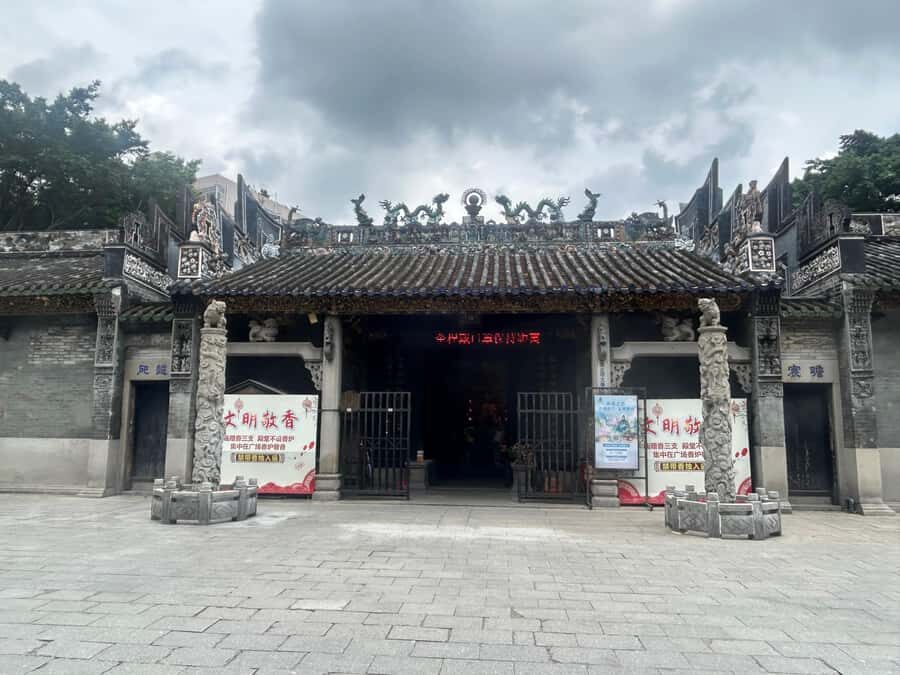
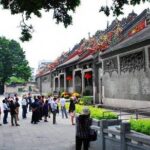
First up is Renwei Temple, a Taoist temple in Guangzhou’s historic Liwan district. It’s a strong opener because it changes the setting from transit-mode to neighborhood-mode fast. Even if you’re not a temple person, you’ll likely appreciate how early the tour grounds you in the culture of the area rather than rushing straight to “pretty streets.”
Then you head to Liwanhu Park, where locals dance, sing, and play games. This is one of the best parts of the tour because it’s not staged for visitors. It’s simply people using the park like it’s theirs—making the experience feel current, not museum-like.
Practical tip: since this is a walking tour (and not just sightseeing with occasional stops), wear shoes you can keep on for a full stretch. The tour’s focus is on moving through the streets, and comfortable footwear will quietly make or break your afternoon.
Duobao Road and En’ning Road: Cantonese Living in Motion
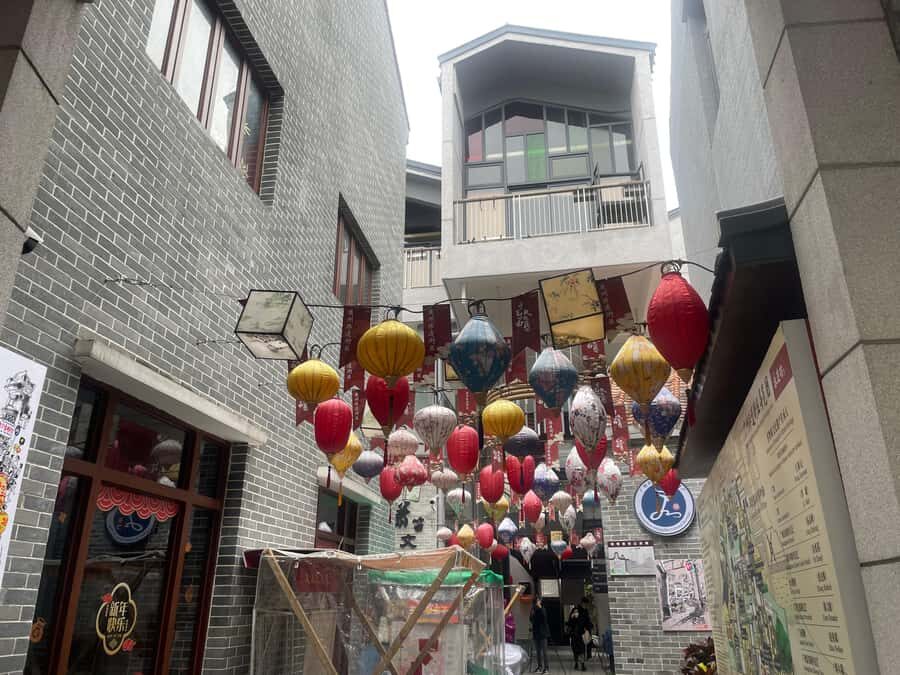
After the park, you’ll walk into the daily-energy zone around Duobao Road and En’ning Road. This is where you’ll notice the tour’s real strength: it’s designed to show you how the neighborhood actually functions. You’ll pass lively markets, small shops, and areas that feel like they run on regular foot traffic.
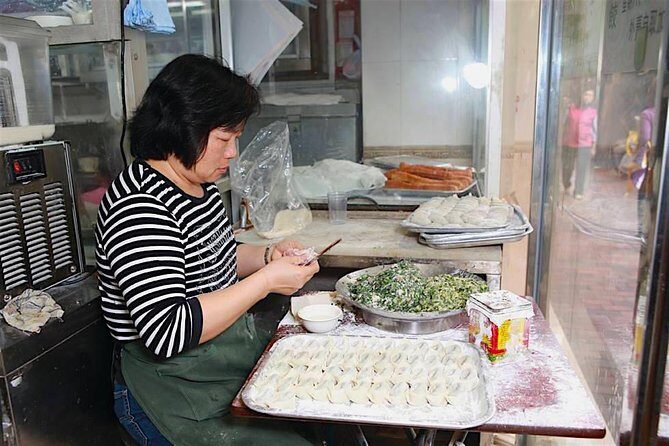
There’s also a snack-street feel here, which is great for people who like to experience a place through food and small-scale street culture. Even if you’re cautious about what you order, just watching the flow of people is useful. It helps you understand the town’s “rhythm,” which is hard to get from a bus or a quick stop.
One note for picky eaters or dietary needs: one guide-led stopping area can include a seafood market segment that may be tough if you’re vegan. In that case, you can reroute to other stalls in the area, like fruit-market options, and keep your walk going without forcing every snack choice.
Lychee Bay: Preserved Xiguan Houses and a Taste of the Past
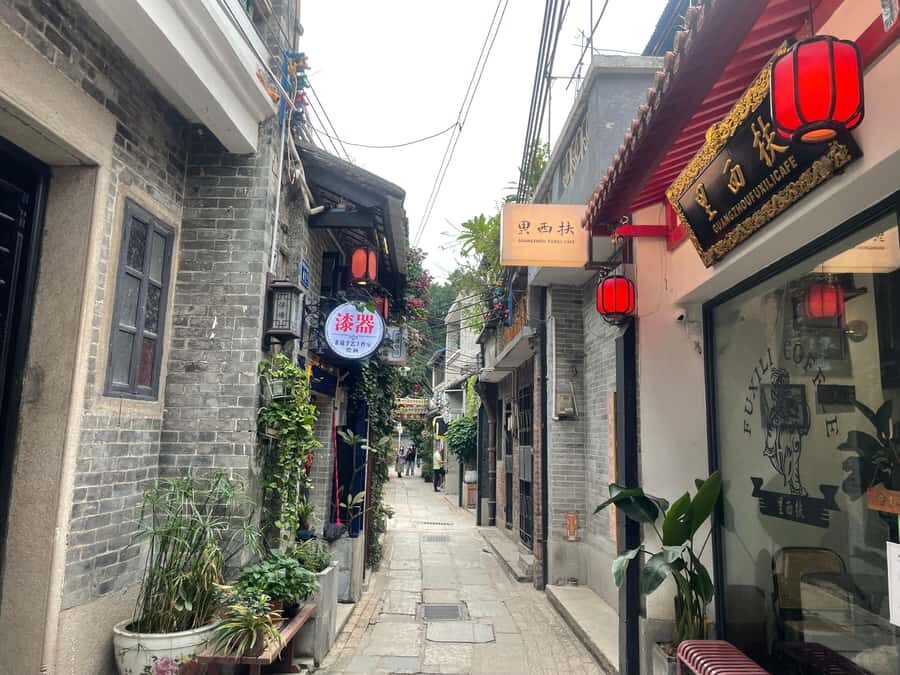
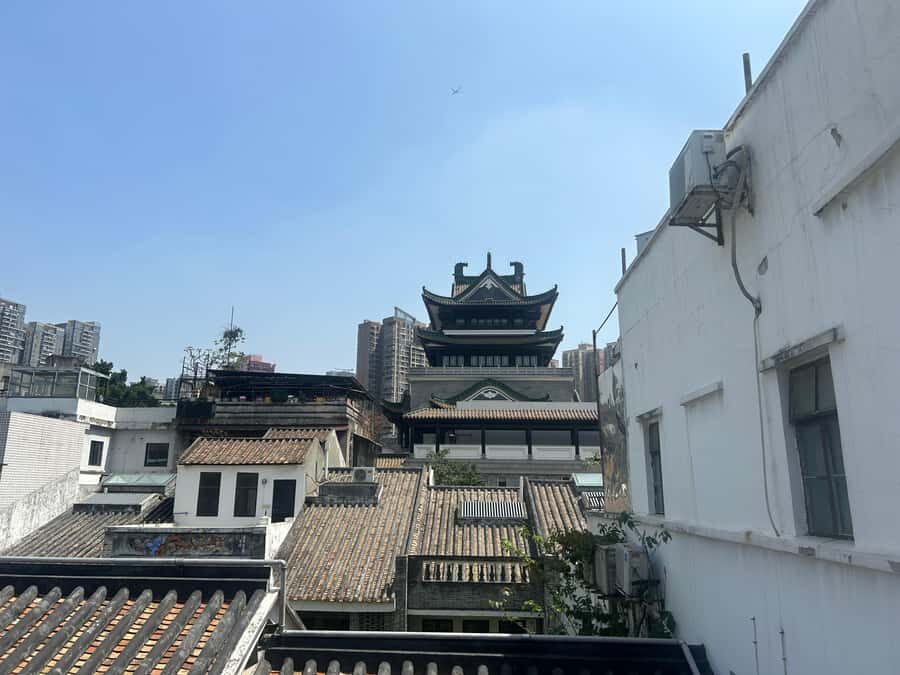
Next comes Lychee Bay, known for well-preserved Xiguan houses and the kind of older residential feel that connects to Guangzhou’s wealthier past. The value here isn’t just the buildings—it’s the shift in atmosphere. One moment you’re surrounded by street commerce; the next you’re in a slower, more heritage-focused pocket.
This stop works especially well if you like “place reading,” meaning you enjoy noticing how a neighborhood is laid out, how people pass through lanes, and how old residences shape daily routes. Lychee Bay is a good example of how Guangzhou’s history didn’t vanish—it simply changed jobs, functions, and visitors over time.
If you like photography, this is often where it clicks. But you don’t need to be a serious photographer to enjoy it. Even without a camera, you’ll likely like the change of pace and the chance to slow your walking for a few minutes.
Yong Qing Fang and Shangxiajiu: From Back-Street Feeling to Famous Streets
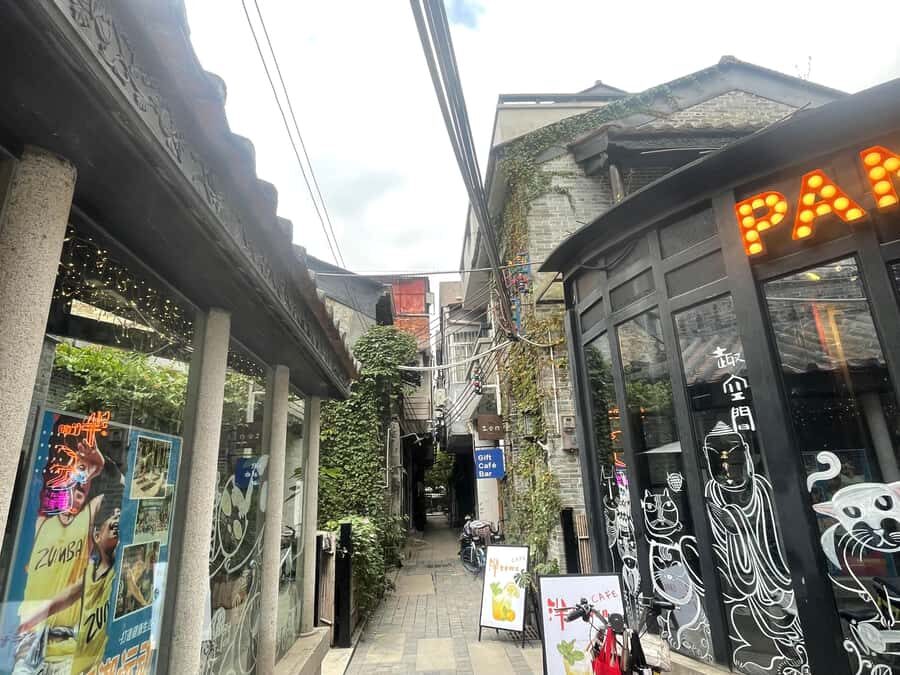
From Lychee Bay you move toward Yong Qing Fang, described as part of the old-town core. This is the kind of stop that tends to feel “in-between”: still connected to the old neighborhood mood, but with enough street life to keep things interesting.
Then you head to Shangxiajiu Pedestrian Street, one of Guangzhou’s well-known walking areas. This is useful if you want a contrast: you get the old-town lanes and then a major pedestrian strip that shows what the city looks like now—especially in terms of shopping and street atmosphere.
I like this pairing because it helps you avoid the common trap of seeing only one version of a city. You finish the old-town side, then end up in a place that’s clearly alive today. It gives you a more balanced sense of where Xiguan ends and modern Guangzhou begins.






Shamian Island: A Pearl River Stroll With a Colonial-Style Calm
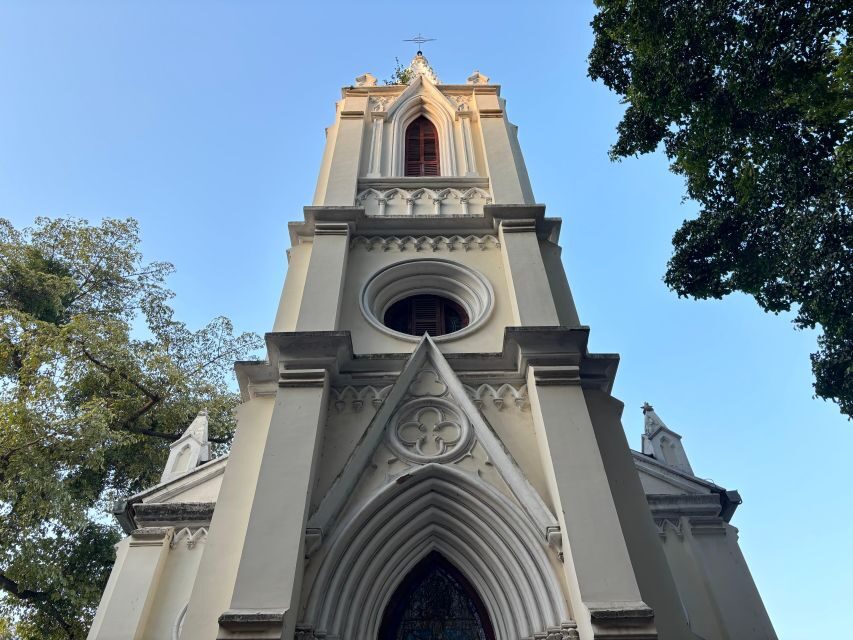
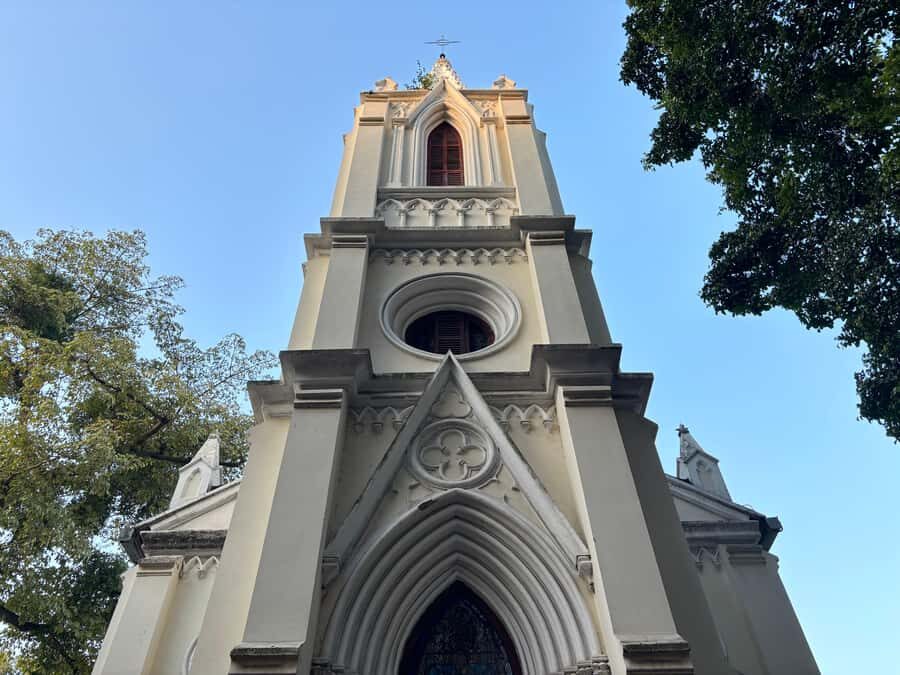
The tour finishes with Shamian Island, a charming neighborhood along the Pearl River. This is where the walk relaxes a bit. Tree-lined streets and a calmer colonial-street feel help you reset after the busier market sections earlier.
Shamian Island is also a nice “final memory” stop. Even if your legs are getting tired, the setting makes you want to slow down and take it in. In one of the guides’ own routes, the colonial-style street walkthrough was highlighted as especially relaxing, with the trees looking almost unreal because of how the canopy frames the streets.
At the end, your guide helps you get back by taxi or metro. That last step is small but practical—it keeps you from ending your day with the added challenge of figuring out transport while you’re already tired.
Guides Matter Here: Mango and Raymond as Examples of the Best Fit
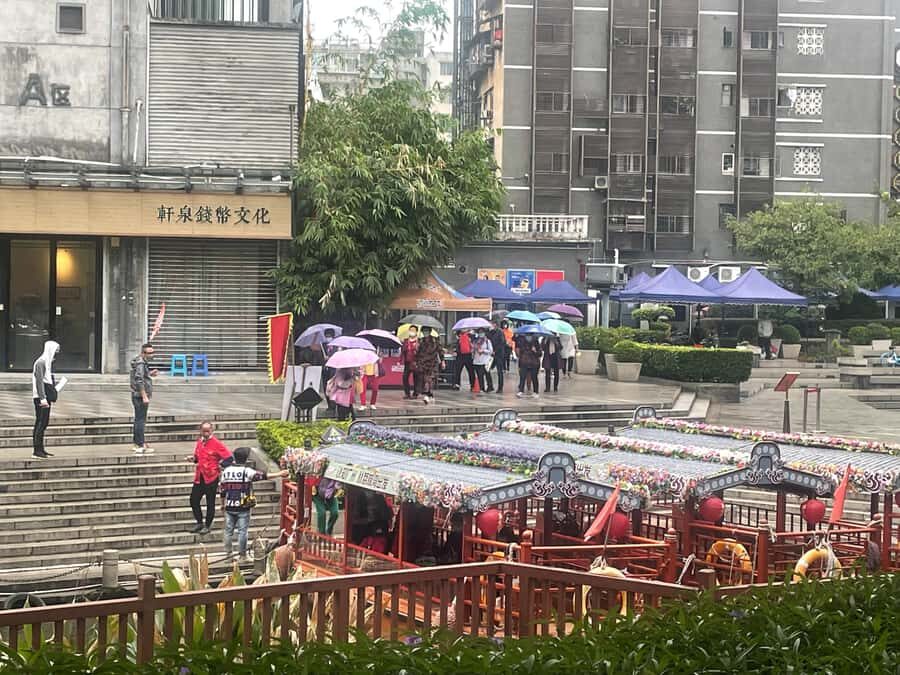
This tour is led by an English-speaking local guide, and the quality of the experience can hinge on how well the route is explained. Two guide names came up in the experiences I reviewed: Mango (including Mango Lu) and Raymond.
Mango was described as enthusiastic and organized, with a clear plan that made the walk feel smooth. Raymond was praised for strong English and stories that link old and modern Guangzhou, which can make the streets feel more alive than a basic route description.
If you’re deciding what matters most to you—architecture, food stops, or stories—choose accordingly when you book. A guide who brings the route to life can turn “just walking” into a richer half day.
Price and Logistics: What You Get for $89
At $89 per person for a 3.5-hour walk, the price is aiming for a guided, curated neighborhood circuit—not a self-guided stroll.
Here’s what your money covers:
- A local guide walking with you throughout
- Entrance fees along the way
- Bottled water
- Hotel pickup only if you select that option
To me, that price makes sense when you value having someone steer you between neighborhoods you might not connect on your own. Xiguan and the surrounding areas can feel like a maze if you’re just wandering. A guide helps you see the same streets, but with a purpose—and without you spending extra time figuring out where to go next.
For timing, the tour is short enough to fit into an afternoon plan but long enough to feel like you covered more than one “photo stop.” You’ll come away with a sense of the neighborhood layout and the everyday life patterns that tourists often miss.
When This Tour Is a Great Match (and When It’s Not)
This is a strong choice if you:
- Like walking as a way to understand a city, not just see highlights
- Want a close look at Xiguan street life, parks, and old residential pockets
- Enjoy food culture through snack stops (with options depending on what you eat)
- Prefer an English live guide to add context while you move
It may not be ideal if you:
- Want extremely detailed explanations at every stop. One experience noted the pace could feel too slow with not enough explanation.
- Plan to move at a faster pace than the group. This tour is designed to keep things unhurried and view-focused.
A small, helpful detail: one guide helped set up a ride app (DiDi) and even guided a decision about where to eat afterward. That’s the kind of extra service that can save time once you’re done walking for the day.
Should You Book This Xiguan Walking Tour?
Book it if you want the most practical kind of Guangzhou experience: neighborhood streets, old-town flavor, and a gentle finish on Shamian Island. The route makes sense even for first-time visitors because it mixes spiritual and public-space stops (Renwei Temple, Liwanhu Park) with market and heritage lanes (Duobao Road, En’ning Road, Lychee Bay, Yong Qing Fang). And you get transport help at the end, which is a real comfort when you’re done for the day.
Skip it (or consider a different option) if your main goal is heavy, nonstop commentary or you dislike slower pacing. This walk is built for observation and wandering, not for a rapid-fire lecture.
If you like authentic daily scenes and can handle a few hours on foot, you’ll likely find this one of the best ways to understand Xiguan without overplanning.
FAQ
What is the duration of the Guangzhou walking tour?
The tour lasts about 3.5 hours.
Where do I meet the guide?
Meet your guide outside Exit A of Zhongshanba Station on Metro Line 5. The guide will hold a sign with your name.
Is there hotel pickup included?
Hotel pickup is included only if you select that option while booking.
What language is the tour guide?
The live tour guide speaks English.
What’s included in the price?
The tour includes a local guide, entrance fees, and bottled water.
What should I bring?
Wear comfortable shoes.
How much does the tour cost?
The price is $89 per person.
Is free cancellation available?
Yes. You can cancel up to 24 hours in advance for a full refund.