REVIEW · GUANGZHOU
Guangzhou Walking Tour To Explore The Old Xiguan Area
Book on Viator →Operated by SilkRoadTrips · Bookable on Viator
Old Xiguan feels close on foot. This 3.5-hour walk turns Guangzhou’s classic lanes into something you can actually picture, with a local guide who brings the places to life and Lychee Bay’s preserved houses as the anchor. One thing to weigh: it’s still a steady walk, and it’s not recommended for children age 8 and under.
You’ll join a small group (max 15), with a mobile ticket and one of two daily start times (9am or 2pm). If you’re staying in a central district, optional hotel pickup may be available, but drop-off isn’t included—the tour ends on Shamian Island.
Along the way, you’ll mix temple calm, park life, old-shop streets, and a snack stop, then finish on the Pearl River side where the atmosphere shifts. It’s a great way to “get your bearings” fast if you only have a half-day and want real local scenes, not just big-name highlights.
In This Review
- Key things to know before you go
- Old Xiguan on Foot: What This 3.5-Hour Walk Actually Delivers
- Price and Value: Why $89 Covers More Than Just a Stroll
- Meet at Zhongshanba Station Exit A: How the Tour Starts (and ends)
- Yong Qing Fang and Renwen Temple: Cantonese Culture Starts with Taoist Calm
- Liwanhu Park and Renwen Temple Timing: Why This Order Works
- Lychee Bay and Old Xiguan Houses: The Best Part to Slow Down
- Yongqingfang to Street Life: From Old Lanes to Shopping Streets
- The Snack Stop: A Small Inclusion That Changes the Whole Tone
- Shamian Island Finish: A Pearl River Ending with Old-House Atmosphere
- Who This Tour Fits Best, and Who Should Skip It
- Practical Tips for a Comfortable Old Xiguan Day
- Should You Book This Old Xiguan Walking Tour?
- FAQ
- What time do the departures run?
- Where do I meet the guide?
- How long is the tour?
- What is included in the price?
- How many people are in the group?
- Is optional hotel pickup available?
- Is this tour suitable for kids?
Key things to know before you go

- Small group size (max 15): easier questions, less rushing, more guide time
- Two departure times (9am and 2pm): pick the one that fits your day best
- Yong Qing Fang + Lychee Bay focus: you’ll see classic Xiguan spaces on foot
- Local snack included: a practical bite of Cantonese day-to-day
- Ends on Shamian Island: you finish where you can keep strolling by the river
- Metro-friendly start: meet at Zhongshanba Station, Metro Line 5, Exit A
Old Xiguan on Foot: What This 3.5-Hour Walk Actually Delivers
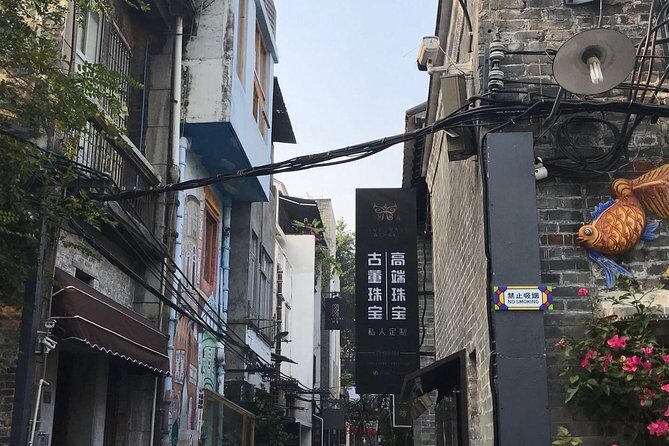
This tour is built for people who want place-feel more than postcard views. You move through old Cantonese neighborhoods where daily life still shows up in the small details—how streets are laid out, what people do in public space, and what’s preserved versus what’s changed.
The best part is that it’s paced like a story. You’re not just jumping between sights; you’re walking the threads that connect temples, parks, old-house lanes, and street culture. If you enjoy understanding a city by how it’s lived in, you’ll click with this format.
You can also read our reviews of more walking tours in Guangzhou
Price and Value: Why $89 Covers More Than Just a Stroll
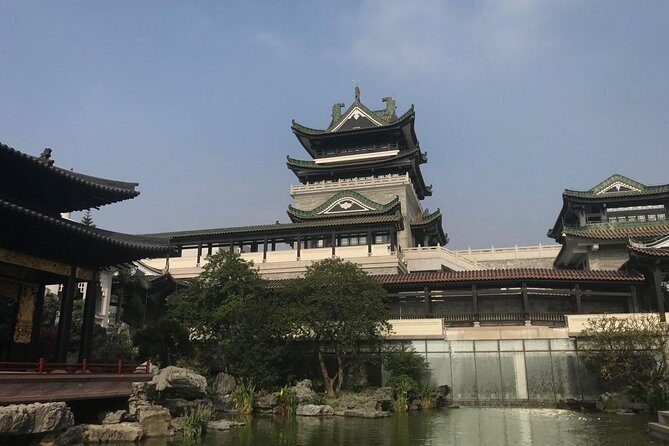
$89 per person sounds specific, and the value comes from what’s included rather than what’s excluded. You get a local guide, bottle water, entrance fees, and a local snack—plus the time structure that keeps you from figuring everything out solo for a short visit.
For a half-day (about 3 hours 30 minutes), that package is usually worth it if:
- you want a guided path through an older neighborhood that can feel like a maze on your own
- you don’t want to spend your limited time chasing the “right” streets
- you like asking questions and getting them answered quickly, on the spot
Meet at Zhongshanba Station Exit A: How the Tour Starts (and ends)
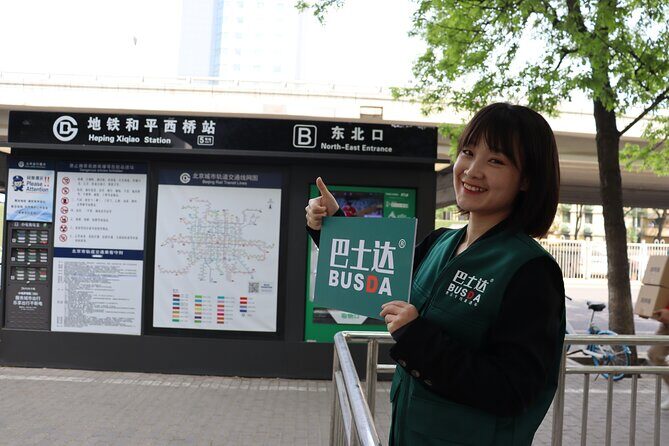
The meetup is straightforward if you use the metro. You meet your guide outside Exit A, Zhongshanba Station on Metro Line 5, using a nameplate.
You’ll start in the Liwan area zone and end on Shamian Island (Shamiandao Island, Liwan District). That ending matters: it’s a good place to linger after the tour, because the vibe shifts toward river-and-colonial-era architecture without you needing to change plans.
If you’re staying in a central Guangzhou district (Liwan, Yuexiu, Tianhe, or Haizhu), pickup is optional. The key point is that pickup exists as an add-on convenience, not as a guaranteed part of every booking, and drop-off isn’t included—so plan your next step around finishing on Shamian Island.
Yong Qing Fang and Renwen Temple: Cantonese Culture Starts with Taoist Calm
The first big stop is Yong Qing Fang, and it begins with a look at Renwen Temple, described as a typical Taoism temple. Even if you’re not visiting for religion, temples are great “reading tools” for a city. They show how locals think, organize space, and hold on to traditions.
After that, the walk shifts toward everyday public life with Liwanhu Park. This is where you’ll see the city from the ground level, not the sightseeing-brochure angle. The tour specifically notes that locals come to dance, sing, and play games, which tells you the park isn’t just decoration—it’s part of routine.
The value here is pacing. You get quiet structure at the temple, then movement at the park, and then you’re ready for the old-street scenes that follow.
Liwanhu Park and Renwen Temple Timing: Why This Order Works
I like the order because it prevents “museum fatigue.” If you hit old streets first, you can spend the whole time hunting for meaning. Here, you see a temple and a living park early, so when you later walk past old-house lanes and markets, you’re already tuned to how Cantonese neighborhoods function.
Also, the guide’s role is practical: it’s not only history talk. It’s help with context—why certain buildings matter, and what you should look for as you walk. In the experience, guides are often praised for being patient and quick to answer even basic questions, which is ideal for first-timers.






Lychee Bay and Old Xiguan Houses: The Best Part to Slow Down
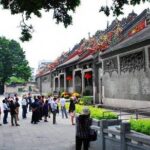
After the temple-and-park portion, you head into Lychee Bay, known for well-preserved old Xiguan houses. This is the part I’d tell you to watch with your feet, not just your eyes. Walking the lanes is what makes the architecture feel real, because you notice scale, layout, and how people move through the space.
The route includes streets like Duobao Road and En’ning Road, described as full of busy market energy, old shops, and a snack street feel. That’s useful because it frames Lychee Bay as a lived neighborhood, not a theme set.
If you’re hoping for the “how did people live here?” feeling, this section delivers. The old houses are the visual hook, and the street life is the context.
Yongqingfang to Street Life: From Old Lanes to Shopping Streets
The broader walk also connects you with Yongqingfang and Shangxiajiu Pedestrian Street. That jump matters because it shows the neighborhood ecosystem changing over time—old lanes and structures on one side, mainstream street commerce on the other.
In practice, this means you’ll be walking through a mix of:
- preserved or restored old-house areas
- lanes that feel active and local
- pedestrian shopping space that’s easy to browse at your own speed after the guided pacing
A good guide helps you spot what’s “historic texture” versus what’s “today’s daily flow.” That’s what turns a walk into understanding, even when you only have a few hours.
The Snack Stop: A Small Inclusion That Changes the Whole Tone
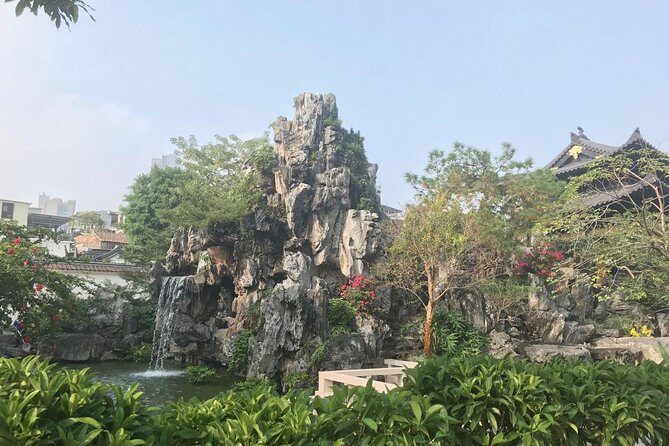
You get to taste a local snack at a local restaurant, and that’s not a throwaway extra. Food during a neighborhood walk is a shortcut to feeling the place. It’s also a good pace-reset when you’ve been walking through lanes and small streets.
This tour also includes bottle water, which sounds basic, but in Guangzhou heat it’s a real comfort. It helps you stay in the walk rather than doing the mental math of where the nearest drink is.
If you’re the type who thinks, I’ll just eat later, consider flipping that. The snack timing is usually best while you’re already in the old-street zone.
Shamian Island Finish: A Pearl River Ending with Old-House Atmosphere
The last stop is Shamian Island, a small island area known for old houses by the Pearl River. It’s a smart place to end because the atmosphere shifts from neighborhood street energy to a more open, strollable feel.
Shamian is especially good if you like architecture and walking for the sake of walking. The tour ends there, so you can keep going at your own tempo—either lingering by the water or using it as your calmer transition back to the rest of your day.
Who This Tour Fits Best, and Who Should Skip It
I’d put this tour in your “yes” pile if:
- you’re short on time (a layover, a first afternoon, or a half-day window)
- you want local life and the logic of neighborhoods, not just museum checklists
- you like having a guide to explain what you’re looking at while you walk
I’d be more cautious if you’re traveling with someone who needs minimal walking. The tour is about 3.5 hours on foot, and it explicitly isn’t recommended for children age 8 and under.
If you’re a solo visitor, this kind of guided neighborhood walk can be a confidence booster. The end point on Shamian Island is also an easy reference point if you’re arranging onward plans.
Practical Tips for a Comfortable Old Xiguan Day
Here’s how I’d set yourself up for an easy, enjoyable walk.
Wear shoes you can trust. This is an on-foot tour, and old neighborhoods mean uneven surfaces and plenty of street-level walking.
Bring a light layer if the weather is changeable. The tour is short enough that you’ll be fine if you’re prepared, but you don’t want to stop early just because you’re uncomfortable.
Go in with questions. Guides on this tour style are praised for being patient and helpful, including guides who have strong English and a friendly way of answering what feels like a basic question. If you’re curious about why places look the way they do, ask.
Should You Book This Old Xiguan Walking Tour?
Book it if you want a well-paced half-day that combines old Xiguan houses, local park life, temple context, and a real street feel, ending on Shamian Island where you can keep strolling. The included guide, entrance fees, water, and snack make the price feel more grounded than many “pay-to-walk” options.
Skip it if you already know you want only major monuments, or if you need a minimal-walking experience. This tour’s value is in the neighborhood fabric, and that only works if you’re happy to spend time on foot.
If you’re visiting Guangzhou for the first time and want something genuinely practical for your time window, this is a solid way to spend a morning or afternoon.
FAQ
What time do the departures run?
There are two departures each day: 9am and 2pm.
Where do I meet the guide?
Meet outside Exit A, Zhongshanba Station on Metro Line 5. Your guide will have a nameplate.
How long is the tour?
The tour lasts about 3 hours 30 minutes.
What is included in the price?
The tour includes a local guide, bottle water, entrance fees, and a local snack.
How many people are in the group?
The tour has a maximum group size of 15 travelers.
Is optional hotel pickup available?
Yes, pickup is optional for centrally located Guangzhou hotels (Liwan, Yuexiu, Tianhe, Haizhu). Drop-off isn’t included.
Is this tour suitable for kids?
It is not recommended for children aged 8 and under.