REVIEW · BEIJING
Half Day Walking Tour to Tiananmen Square and Forbidden City
Book on Viator →Operated by Lily's Tour Company · Bookable on Viator
Two Beijing icons, wrapped in a half-day plan.
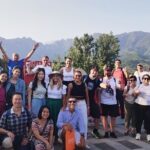
What makes this tour work is the time math: you get Tiananmen Square plus the Palace Museum without getting stuck in ticket lines, and you travel with a small group (max 15) so the guide can keep things moving. I like the clear structure—short, purposeful stops—paired with entrance fees included for the big paid sights.
One caution: access at Tiananmen Square can be unpredictable. On one day, it was closed, and the guide still made the morning enjoyable—yet you should be ready for the possibility of a less-than-perfect square moment.
In This Review
- Key things to know before you go
- A half-day plan that hits the two most time-crunched stops
- Tiananmen Square, covered in 40 minutes (what you’ll actually get)
- Palace Museum in about two hours: the “how to understand it” part
- Practical tip for the palace hour
- Hall of Great Harmony and the Imperial Garden: quick stops that matter
- Hall of Great Harmony (Taihe Dian)
- Imperial Garden
- Hotel pickup and where the tour actually finishes
- Price and value: why $58 can be a smart buy
- What to expect from the guide (and why it matters here)
- Who this tour fits best
- Should you book this tour of Tiananmen Square and the Forbidden City?
Key things to know before you go
- Small group pace (max 15): easier questions and less waiting around.
- Tickets handled for the paid sites: the Palace Museum gets advance prep so you lose less time.
- Short stops, big landmarks: Tiananmen overview, then focused time inside.
- Two departure windows: hotel pickup is described as available between 8:00 and 13:00, with alternate meet times.
- Finish at the North Gate of the Forbidden City: convenient for continuing your day nearby.
- Passport details matter for non-Chinese travelers: you’ll need passport info when booking and bring your passport on the day.
A half-day plan that hits the two most time-crunched stops
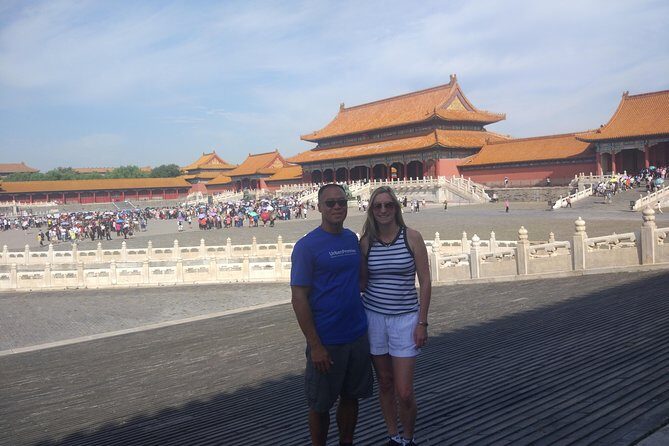
Beijing’s top sights can feel like a full-day wrestling match. Crowds, long entrances, and the problem of “where do we even start?” This tour is built to shrink that chaos.
For about 3 to 4 hours, you’ll cover the headline combo: Tiananmen Square and the Palace Museum (Forbidden City). The guide handles the “what to look for” part, and the tour includes entrance tickets for the paid stops. The result is you don’t spend your limited time standing in lines trying to figure out the system on your own.
The tour also keeps the group compact. A maximum of 15 people makes a difference here. When you’re walking between major monuments, a small group means less clogging at viewpoints and fewer people blocking each other’s sightlines.
You can also read our reviews of more walking tours in Beijing



Tiananmen Square, covered in 40 minutes (what you’ll actually get)
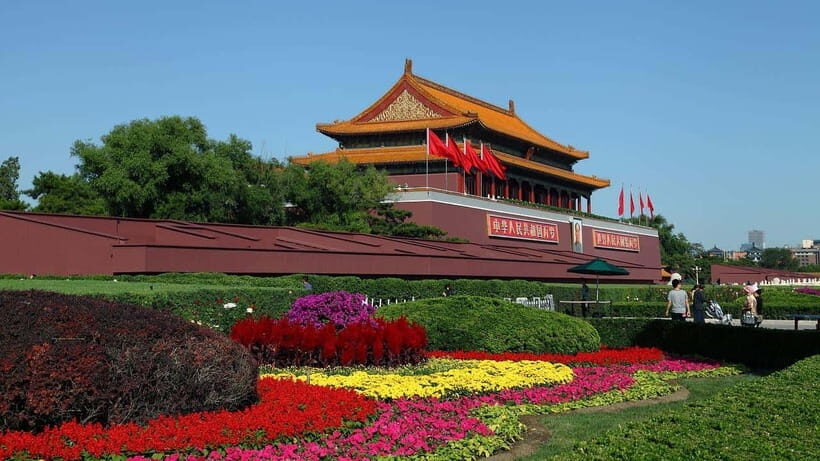
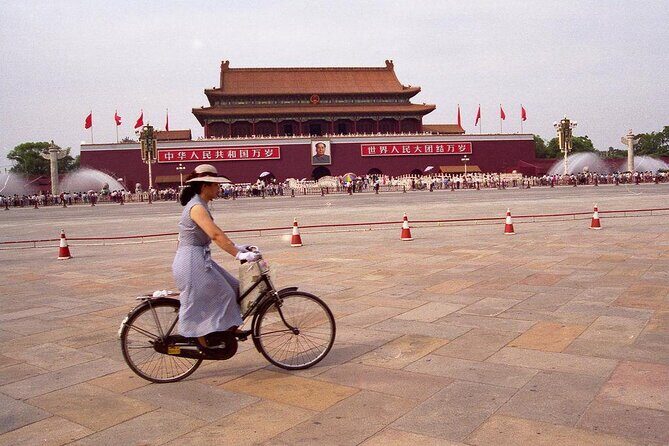
Tiananmen Square is enormous—so enormous that “see it all” is a joke. This tour doesn’t try to do the impossible. It gives you a smart overview window that helps you get oriented fast before you head into the palace complex.
You’ll spend about 40 minutes at Tiananmen Square, with admission free. From there, you get outside views of key landmarks your brain will thank you for later:
- The outside of Memorial Hall of Chairman Mao
- The Monument to the People’s Heroes
- The Great Hall of the People
- The National Museum of China
- The ancient Zhengyang Gate area
Here’s why that matters. The square isn’t just open space. It’s a layout you need a guide to read—how the buildings relate to the axis of the city and how the political story gets staged in stone and symmetry. With commentary during the walk around the square’s perimeter, you’ll start to understand how the Forbidden City fits into the same imperial power landscape.
One real-world note from guide-led tours: the square can be affected by closures on specific days. If Tiananmen access is restricted, your guide may shift the timing and emphasis so you still have a strong day. Plan for flexibility, especially if you’re traveling on a short schedule.
Palace Museum in about two hours: the “how to understand it” part
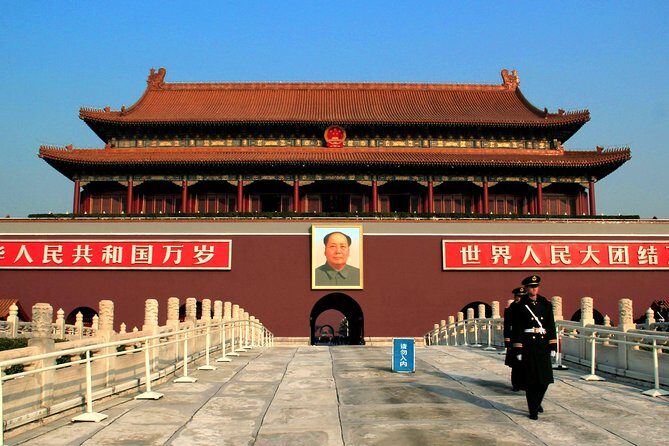
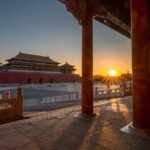
Then comes the main event: the Palace Museum, the large and well-preserved imperial palace complex that people call the Forbidden City. You’ll get about 2 hours inside, with admission ticket included.
The tour’s biggest advantage inside isn’t just that you’re going. It’s how you get there. The tour says tickets are bought in advance to help you skip the line. That’s one of the most valuable forms of travel time savings in Beijing. When you’re walking through a place this large, a 30–60 minute ticket-line delay can wreck the rest of your afternoon.
Inside the palace, you’re not just wandering randomly. The tour keeps a focused route:
- You’ll be directed through the imperial space in a way that helps you “place” each area.
- You’ll get quick context for what you’re seeing—how court and power worked, and what the big ceremonial halls were designed to communicate.
This is also where guide quality really shows. Several guides have been praised for making the palace feel alive, not like a museum label marathon. For example, Marco was highlighted for bringing the Forbidden City’s story to life and adjusting focus to your interests. Nancy and William also stood out for being helpful and clear, with one reviewer specifically praising William’s English. If English is part of what you rely on to enjoy a tour, you’ll likely be in good shape here.
Practical tip for the palace hour
At the Palace Museum, you’ll be walking and looking up. Wear shoes you trust. And don’t expect to photograph everything. If you focus on a few key buildings and ask your guide what they represent, you’ll leave with a mental map—not just a camera roll.
Hall of Great Harmony and the Imperial Garden: quick stops that matter
After the main palace time, you’ll hit two short, high-impact highlights, each around 10 minutes and included in the ticket.
You can also read our reviews of more city tours in Beijing
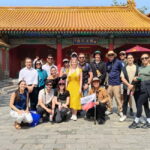
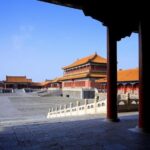
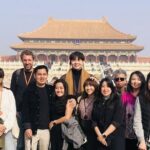
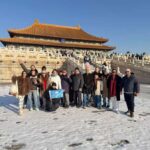
Hall of Great Harmony (Taihe Dian)
You’ll visit Hall of Great Harmony for about 10 minutes. This is one of the ceremonial heart points. It’s a big deal in the palace story—less about getting lost in details, more about seeing the scale and understanding what it was built to do: stage authority.
Because your time here is intentionally short, treat this stop like orientation training. Look at the layout and take in the hall’s size and position. You’re trying to remember where you are in the palace system so later visits (even on your own) make sense.
Imperial Garden
Then you’ll go to the Imperial Garden for another 10 minutes. This contrast helps. The garden is your reminder that the palace complex wasn’t only about ceremony. It also had the quieter, curated side—space for imperial leisure and controlled nature.
One reviewer specifically mentioned really enjoying the Imperial Garden, which fits the pattern: when you’ve just seen formal halls, the garden is a relief. It breaks up the “stone and rules” feel and gives your eyes a chance to breathe.
Hotel pickup and where the tour actually finishes
This is where I tell you to pay attention, because logistics can either make your day easy or add stress.
You start at Grand Hotel Beijing (address listed as 35 Dong Chang An Jie). The tour includes meeting-point flexibility:
- You can also have the guide pick you up at your hotel between 8:00 and 13:00, or
- You may meet the guide at the meeting point at 8:00 or 13:00.
The important line: hotel pickup is only included for the private tour option. If you booked the group tour, plan on meeting at the listed start point rather than assuming pickup.
The tour ends at the North Gate of the Forbidden City, with an end point listed near Jingshan Park. There’s no hotel drop-off included. That’s a reasonable trade if you’re planning to explore that north-side area next, but it’s not ideal if you were hoping to get returned to your hotel afterward without extra hassle.
If you want a smoother day with fewer rides, consider the private upgrade for hotel pickup. One of the highlights of private tours in your options is the “hassle-free hotel pickup” angle, and at least one review described the convenience from hotel pickup into the history route.
Price and value: why $58 can be a smart buy
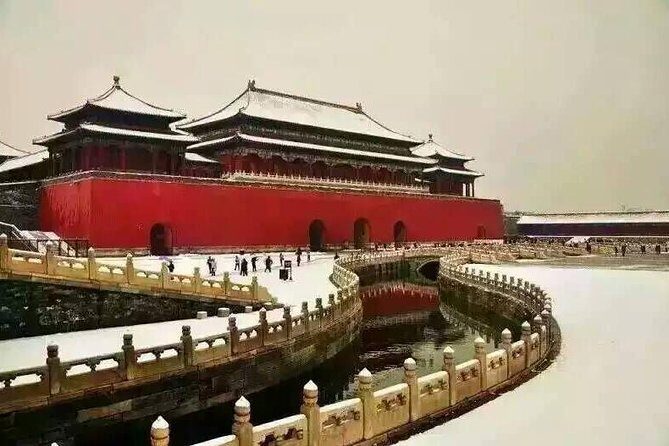
The price is listed as $58 per person, for a 3 to 4 hour guided visit covering both Tiananmen Square and the Palace Museum.
At first glance, it’s just a number. The value comes from what you’re not paying for separately and what you’re not spending time figuring out:
- Entrance fees included (for the paid sights)
- Guide to explain what you’re seeing
- Ticket handling in advance to help reduce line time at the Palace Museum
- Small group size (max 15), which makes the experience more manageable
Here’s the quiet math: if you’re visiting during peak hours, time is money. A guide who reduces ticket friction and helps you focus your attention can make the difference between “I was there” and “I understood what I saw.”
Also, the tour is described as commonly booked about 25 days in advance on average. That suggests demand is real. If you’re traveling in a busier season or on a tight schedule, booking ahead helps you lock a slot that fits your itinerary.
One more value factor: this isn’t trying to be an all-day encyclopedia. It’s designed for people who have only a half day in the center of Beijing and want the headline sights done properly.
What to expect from the guide (and why it matters here)
You’re walking through places where the symbolism is dense. Tiananmen Square and the Palace Museum aren’t just “big buildings.” They’re built to communicate power through layout, scale, and placement.
That’s why guide quality shows up in the reviews again and again. People praised guides for:
- Explaining history in a way that feels like a story, not a lecture
- Being able to answer questions
- Adjusting focus based on interests
- Keeping the mood friendly and easy
Specific guide names mentioned in the feedback include Marco, Nancy, Summer, William, Jerry, Deeper, Lucy, Jeffrey, Thaís, and Anucha. Even if you don’t get the same guide, the pattern is clear: you’re not just buying entry. You’re buying interpretation.
If you care about English quality, a reviewer singled out William’s English as the best among several tours they took. That’s not a guarantee for every guide, but it is a helpful signal that English support is often a strength.
Who this tour fits best
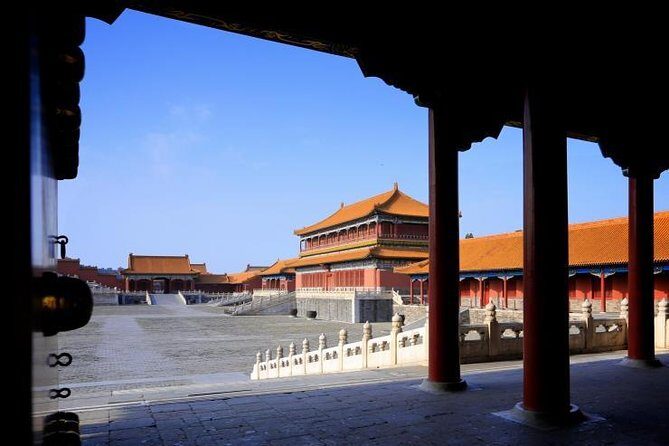
This half-day format is ideal if you:
- Have limited time in Beijing and want both Tiananmen Square and the Palace Museum
- Prefer a guided route over figuring everything out on your own
- Like a small group experience (up to 15 people)
- Want entrance tickets handled and line time reduced
It also says travelers should have a moderate physical fitness level. That makes sense. You’re doing a walk-through day in two major areas, with multiple stops and some standing time to take things in.
If you’re the type who wants to spend most of your day slowly wandering every corridor in the Palace Museum, this might feel short. In that case, you’d likely want a longer, more open-ended visit. But if you want a strong “first visit” version done well, this fits nicely.
Should you book this tour of Tiananmen Square and the Forbidden City?
Yes, if your goal is efficient, guided first-time coverage. This tour is built for your reality—limited hours, major sights, and the need to reduce friction.
Book it if:
- You want Tiananmen Square plus the Palace Museum in one focused morning or afternoon window
- You’d rather pay for a guide than spend your precious time managing lines
- You like the idea of a max 15 group and a clearly structured route
Consider a different setup if:
- You want hotel return service included (this one ends at the North Gate and does not include hotel drop-off)
- You’re hoping for a leisurely, no-rush exploration of every palace detail (two hours inside is a “best-of,” not a full slow crawl)
If you’re trying to make the most of a short Beijing stop, this is one of the more practical ways to do the classics without turning your day into a line-counting exercise.