REVIEW · HONG KONG
Hong Kong: Street Food Tour with Locals – Dim Sum and Wonton
Book on GetYourGuide →Operated by Hong Kong Free Tours · Bookable on GetYourGuide
A good bite can teach a whole city. This 3-hour street food tour in Sheung Wan connects dim sum, wontons, and Cha Chaan Teng classics to Hong Kong’s trade-and-labor past, with guide storytelling baked right into every stop. You’ll taste 10+ authentic items, from har gow to BBQ pork and egg tart-style desserts, while learning the why behind local dining habits.
What I especially like is the tight focus on everyday local eating spots, not a “walk-in, grab-a-sample, move on” route. Second, I love the way the tour turns food facts into real context, including the evolution from the opium trade era to a labor hub and then a financial center.
One consideration: this tour is not for everyone. It’s not suitable for vegetarians, and halal food will not be provided, with the guide-led tastings built around regular Chinese and Hong Kong flavors.
In This Review
- Key Highlights You’ll Feel Fast
- Sheung Wan’s Street Food Starts With Trade, Not Tourist Lists
- Wing Lok Street and the Dried Seafood “Luxury Market” Side of Hong Kong
- Cha Chaan Teng Stops: Milk Tea, Toast, and the Local Café Mindset
- The Dim Sum and Wonton Segment: Where Skill Shows in Small Bites
- Sun Yuen and the “Eat Like a Local Kitchen” Feeling
- Herbal Tea Stops: Bitter Brews and Five-Flavored Traditions
- Queen’s Road Central to Central Market: Finish With a Local Food Reality Check
- How Much Food Is Enough for 3 Hours?
- Price and Value: Why $51 Works Here
- Who This Tour Fits Best (and Who Should Skip)
- Finding the Tour: Meeting at Sheung Wan MTR Exit E2
- Should You Book This Dim Sum and Wonton Street Food Tour?
- FAQ
- How long is the Hong Kong street food tour with locals?
- What kinds of food will I taste on the tour?
- Is the tour suitable for vegetarians?
- Is halal food provided?
- Where do I meet the guide?
- Is the tour in English?
Key Highlights You’ll Feel Fast
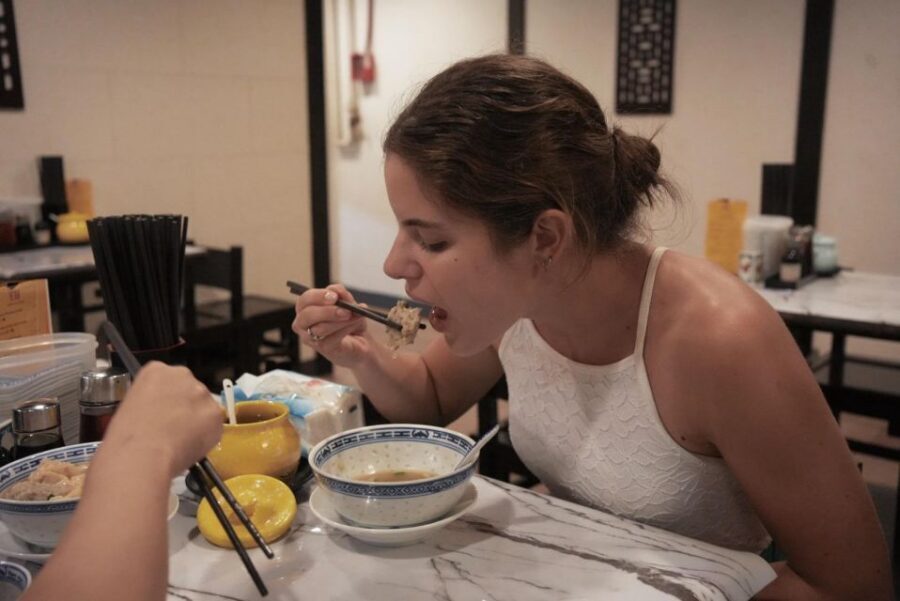
- 10+ tastings in about 3 hours so you can skip the long lunch line.
- Sheung Wan’s Wing Lok Street for a look at luxury dried seafood culture, from shark fin to bird’s nest and cordyceps.
- Cha Chaan Teng culture with milk tea style and classic café snacks.
- Dim sum and wonton technique talk, including how wontons get folded and steamed.
- Guide storytelling in English, with repeat praise for guides like Michael, Jasmine, Stephen, Alice, Isaac, and Wind.
- Not vegetarian or halal-friendly, so plan meals accordingly.
Sheung Wan’s Street Food Starts With Trade, Not Tourist Lists
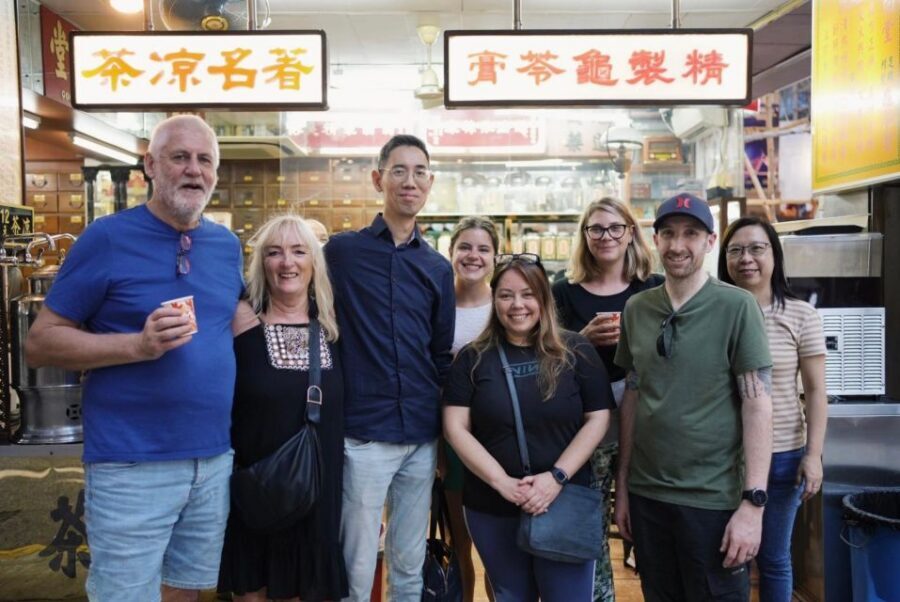
Start at Open Piazza, then work your way through Sheung Wan’s old-town lanes where food is part of the neighborhood rhythm. This area is where Hong Kong’s story started, and the tour uses that fact to explain why certain ingredients and dining styles became so normal here.
The mood is very practical: you’re walking, stopping often, and eating as you learn. You’ll also get the big timeline as it relates to what you see—opium trade days, later labor export, then the shift toward a financial center. It makes the city’s food feel less random and more like it evolved for a reason.
You can also read our reviews of more food & drink experiences in Hong Kong

Wing Lok Street and the Dried Seafood “Luxury Market” Side of Hong Kong
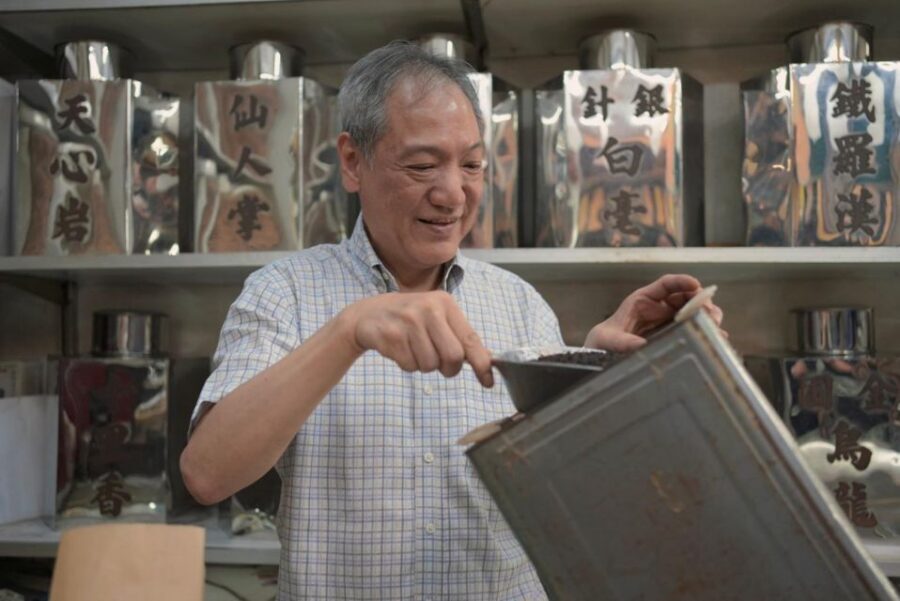
One of the most memorable parts is Wing Lok Street, a hub linked to the trade of premium Chinese ingredients. The tour points you toward the idea of dried seafood as status and supply chain, with examples like shark fin, bird’s nest, and rare cordyceps mentioned in the context of what merchants moved and why.
This stop isn’t just “look at expensive stuff.” It gives you a way to understand ingredient culture—how something stays rare, how it gets valued, and why luxury foods can still show up in broader city life. You’ll walk through the spirit of a marketplace that once served business more than casual shoppers.
Practical note: if strong smells from seafood shops aren’t your thing, you might want to take it slow and keep water handy. The tour doesn’t pretend it’s a perfume garden; it’s a working food-and-trade zone.
Cha Chaan Teng Stops: Milk Tea, Toast, and the Local Café Mindset
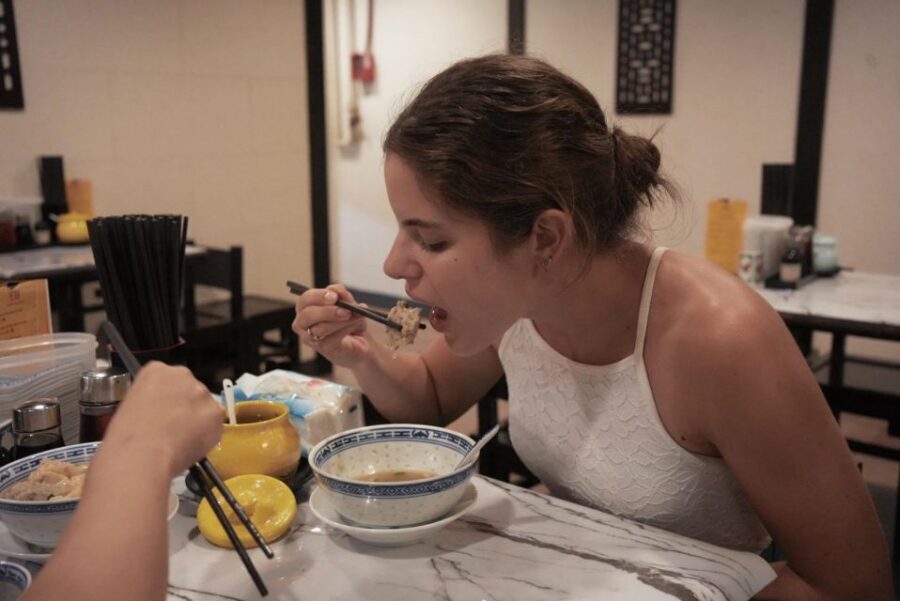
Next, you’ll spend time at the kind of places locals actually use, often Cha Chaan Teng style cafés rather than polished tourist restaurants. Here’s where the tour shines for first-timers: Hong Kong doesn’t treat café food like a fancy occasion. It treats it like an easy, satisfying routine.
You’ll get a taste of “silk-stocking” style milk tea, tied to the classic idea of straining tea through cloth. The tour also addresses the myth side of this story, including the famous question about whether it’s made with stockings. You get the real explanation, not just the rumor.
You’ll also meet snacks that feel instantly familiar once you taste them—think crispy toast-style bites and other Hong Kong tea-time favorites. And because the guide talks through what locals order and why, you’ll start picking up patterns like sweetness levels, tea pairing logic, and what “comfort” means here.
The Dim Sum and Wonton Segment: Where Skill Shows in Small Bites
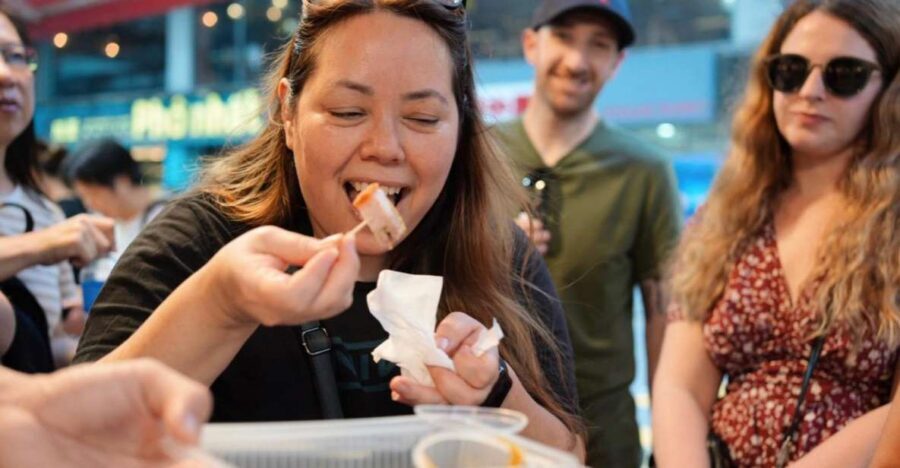
This is the part that makes the tour name feel accurate. The route builds around dim sum and wonton eating, with guided explanations that help you understand what you’re tasting and why it matters.
At the noodle and wonton-focused stops, the guide talks about how Chiu Chow artisans fold shrimp-stuffed wontons and how broths like flounder fish broth show up in the dining logic. It’s not just “here’s food.” You’re learning technique through flavor: the thin-wrapped texture, the balance of filling and wrapper, and how hot broth changes everything.
For dim sum, you’ll likely encounter the classic bamboo-steamed style, including har gow. The tour’s emphasis is on how high-society snacks became everyday staples. That story matters because it changes how you think about dim sum: it’s not only a brunch novelty, it’s a tradition that spread.
If you care about learning through food, you’ll enjoy how the guide breaks down ingredients and method right alongside your tastings.
Sun Yuen and the “Eat Like a Local Kitchen” Feeling
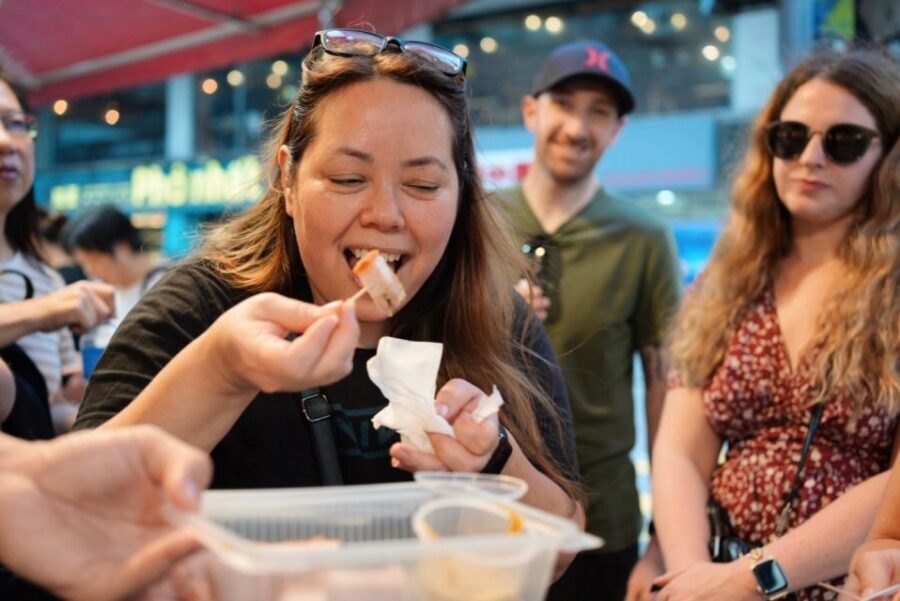
One of the stops includes Sun Yuen Restaurant, where the tour shifts from street-level to a more sit-down-style local eating atmosphere (still part of the tasting flow). This matters because it shows a different side of Hong Kong eating: food culture isn’t only at sidewalk stalls.
You’ll get more tastings here as part of the steady, around-the-clock Hong Kong pattern of snacking and sharing. It’s a good moment to slow down for a few minutes, especially if you’ve been walking in the heat or crowds.
The only drawback is straightforward: you’ll be eating continuously through most of the 3 hours. If you have a sensitive stomach, go easy when offered optional items and sip water between stops.
A few more Hong Kong tours and experiences worth a look
Herbal Tea Stops: Bitter Brews and Five-Flavored Traditions
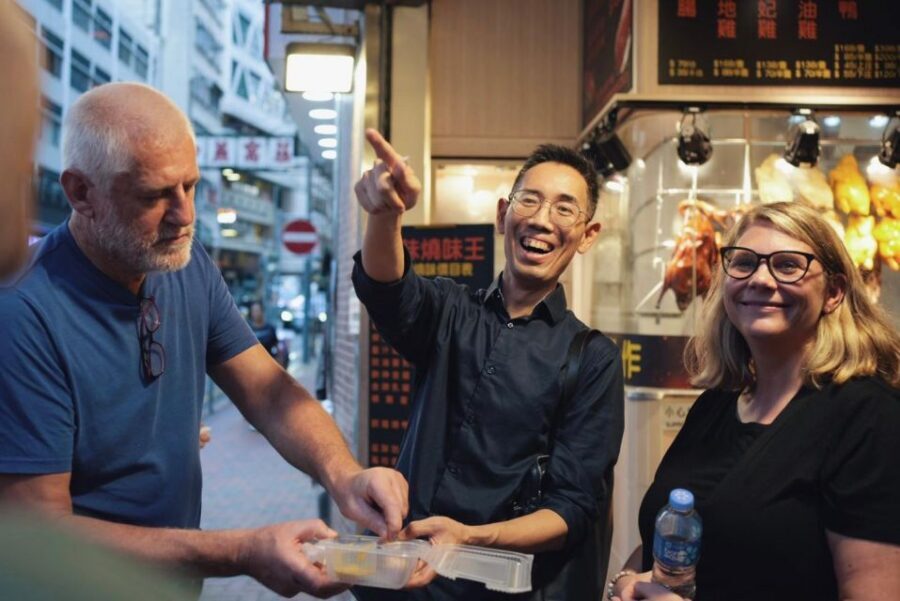
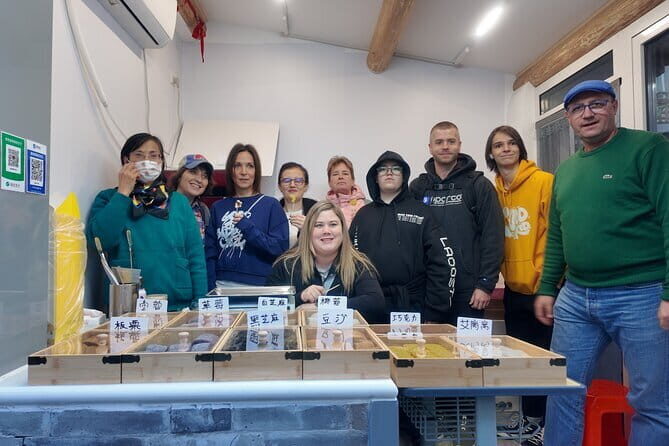
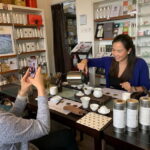
Tea is a core thread on this tour, not an afterthought. You’ll visit a tea-focused stop where the guide explains herbal choices and the cultural meaning behind them.
Examples mentioned include Five Flowers tea and bitter Five flavors-style options like 24 flavors tea. You’ll also learn how tea fits into meals, how it changes the way you taste next bites, and why certain flavors became social go-to drinks.
This is a great segment if you like your food tour with some personality. Tea gives you a different angle than dumplings and BBQ pork alone, and it helps connect the history lessons to daily habits.
Queen’s Road Central to Central Market: Finish With a Local Food Reality Check
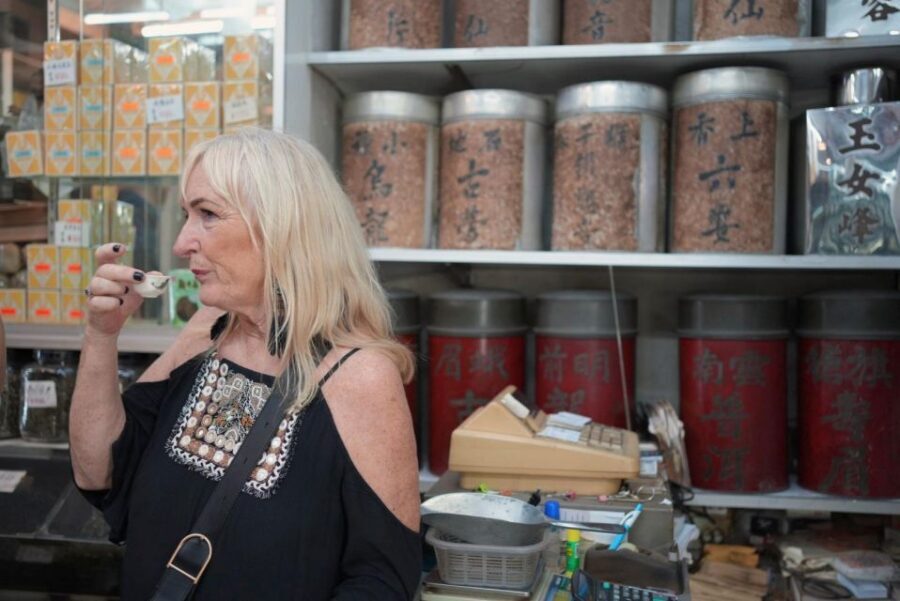
As you head toward Queen’s Road Central, the tour keeps building food variety and pacing. This stop in particular is given enough time for you to settle in and taste at a fuller rhythm, not just rushing between micro-samples.
The ending is at Central Market, a practical closing point because it feels like the real food world, not a themed set. By then, you’ll have a mental checklist of flavors and textures: what you loved in dim sum, what you’d return for in BBQ pork, and what surprised you in sweets like egg tarts and other local dessert-style bites.
Also, many guides on this route get credit for keeping the tour unrushed even while moving through a lot of places. The payoff is simple: you’ll likely leave full enough to skip dinner.
How Much Food Is Enough for 3 Hours?
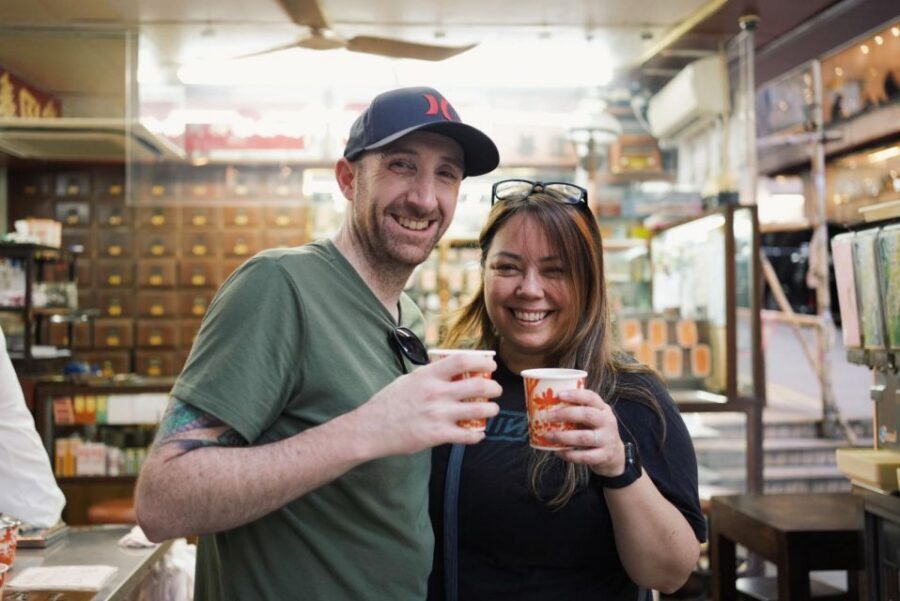
The promise here is 10+ bites, and the way it’s built makes sense for Hong Kong. Instead of one heavy meal, you get a sequence of small, guided tastings: savory dim sum, wonton noodles, BBQ pork-style bites, and sweets plus tea.
That structure helps in two ways:
- You get variety without needing to commit to a big dish early.
- The history and dining customs make more sense because you’re tasting while the guide explains.
Walking is moderate, but constant. Wear comfortable shoes, and plan to snack only during the tour window. If you start late or arrive grumpy hungry, it’ll feel like the tour is rushing you—because it kind of is, in the best way.
Price and Value: Why $51 Works Here
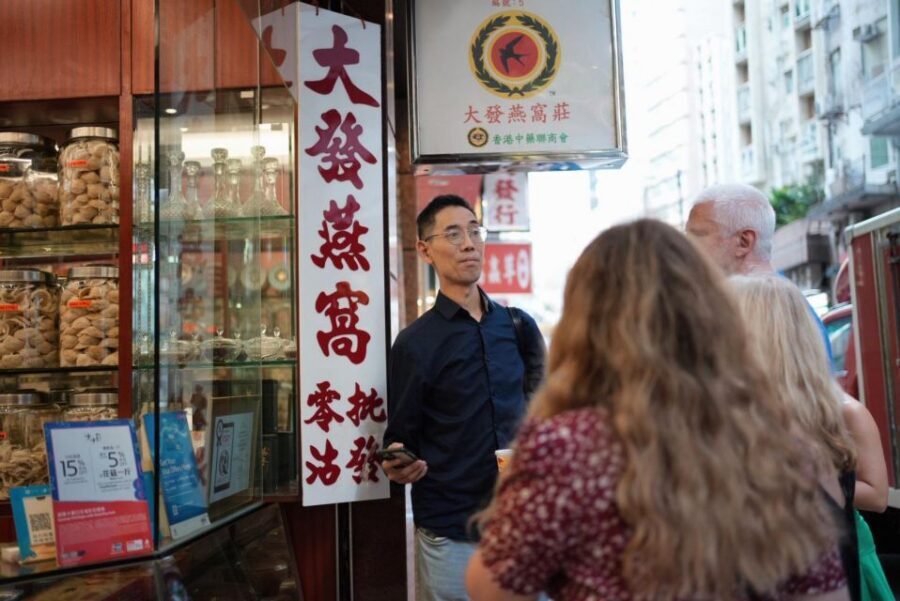
At $51 per person for about 3 hours, the value comes from three things that usually don’t line up on food tours.
First, you’re getting a lot of tastings for the time—10+ items, including both savory and sweet bites. Second, you’re paying for local context, not only food. The guide connects what you taste to the city’s evolution and explains dining customs so you can order smarter later. Third, you’re covering a real food neighborhood, including trade-market context and Cha Chaan Teng style culture.
In Hong Kong, a single plate of dim sum or a good bakery dessert can eat a chunk of your budget fast. So paying for a guided tasting route can feel efficient, especially if you’re new to the city and don’t want to gamble on where to eat.
Who This Tour Fits Best (and Who Should Skip)
This experience is ideal if you:
- Want a first-timer-friendly intro to Hong Kong dim sum, wontons, and tea culture.
- Like guided history moments that actually connect to flavor and shopping streets.
- Prefer eating in local places rather than only in restaurant dining rooms built for tourists.
It’s not a match if you:
- Need vegetarian options (not suitable for vegetarians).
- Are looking for halal food (halal food will not be provided).
- Have dietary restrictions you need accommodated (the tour can’t accommodate dietary restrictions).
If you fall in the middle, like you’re okay with non-vegetarian food but picky about tea flavors, you’ll still likely have a good time. Just tell the guide early that you want lighter tea options when offered.
Finding the Tour: Meeting at Sheung Wan MTR Exit E2
Meeting point is Sheung Wan MTR Station Exit E2. The note about the train concourse matters: once you go to the concourse for exits A–D, you can’t reach exit E from there, so double-check your route on the platform before you head upstairs.
Bring comfortable shoes, and show up hungry with a realistic plan to eat often. The guide is in English, and the pace is built for walking in good weather. If the weather turns, you’ll get an option for another date or a full refund.
Should You Book This Dim Sum and Wonton Street Food Tour?
If you want a tour that’s more than “taste this and move on,” I’d book it. The best part is how the route pairs street-level eating with real explanations, from Sheung Wan trade streets to Cha Chaan Teng café culture and tea-house choices.
I’d skip it only if vegetarian or halal needs are in play, or if you dislike the idea of continuous snacking. If neither applies, you’ll likely leave with a stronger sense of Hong Kong food than you’d get from any one restaurant meal.
FAQ
How long is the Hong Kong street food tour with locals?
It lasts 3 hours.
What kinds of food will I taste on the tour?
You’ll try 10+ authentic bites, including dim sum, BBQ pork, egg tart-style desserts, wonton dishes, herbal teas, and other local snacks.
Is the tour suitable for vegetarians?
No. The tour is not suitable for vegetarians.
Is halal food provided?
No. Halal food will not be provided.
Where do I meet the guide?
Meet at Sheung Wan MTR Station Exit E2.
Is the tour in English?
Yes. The live tour guide speaks English.