REVIEW · HONG KONG
Hong Kong: City Landmarks Tour + Peak Tram Ticket + Lunch
Book on GetYourGuide →Operated by Group Express (Licensed agent) · Bookable on GetYourGuide
Hong Kong is best understood on foot. This Central-area tour strings together skyline views, famous escalators, temples and markets, and finishes with a Peak Tram ticket and harbor views.
I especially like two parts: the ride on the Central-Mid-Levels Escalators (the world’s longest) and the included dim sum lunch with drinks plus a sweet stop like an egg tart.
One consideration: it’s a walk-heavy day. Even when the pace includes stops, you’ll still want comfortable shoes and a willingness to keep moving.
In This Review
- Key things you’ll actually do
- Starting in Central: skyline angles and old-city stops that make sense
- The Central-Mid-Levels Escalators: the world record ride (and why it’s more than a flex)
- Markets and temples: food culture you can read with your feet
- Dim sum lunch in a local spot: what’s included and why it hits
- Residential streets and the reality of tiny apartments
- Victoria Harbor viewpoints: ferry and tram time, plus your Peak Tram plan
- Price and value: why $47 works for what you get
- Pacing, comfort, and who will enjoy it most
- How to make the most of your day (without overthinking it)
- Should you book this Central Landmarks + Peak Tram + Dim Sum tour?
Key things you’ll actually do
- Ride the Central-Mid-Levels Escalators and hear why this spot shows up in Hong Kong movie lore
- Sample Hong Kong market culture while your guide connects food with everyday life
- Visit temples in the Central area and learn how religious practice fits into the city rhythm
- Eat a proper dim sum lunch with drinks included, plus an egg tart or similar snack
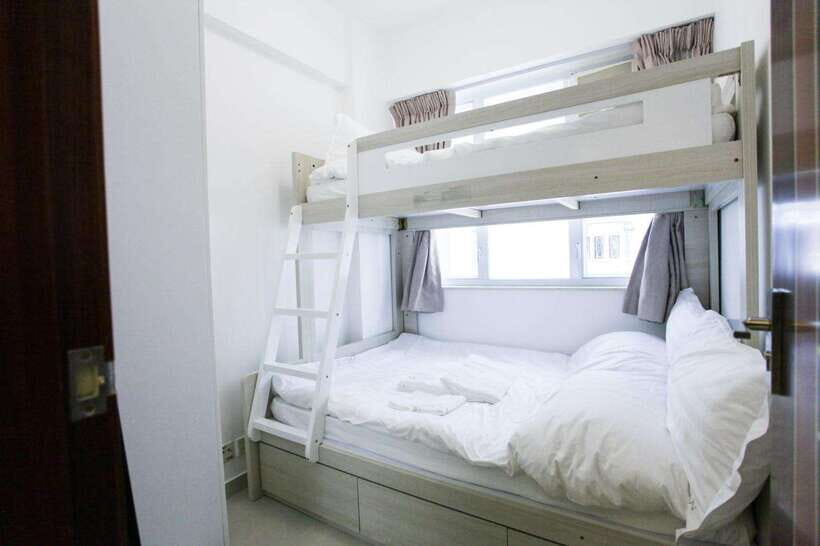
- See housing reality up close in a residential area where apartments are extremely small
- Use the Peak Tram ticket + ferry and tram rides for a classic Victoria Harbor and peak viewpoint
Starting in Central: skyline angles and old-city stops that make sense
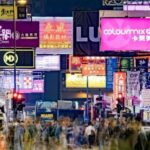
Your day kicks off in Hong Kong’s Central District, meeting at the Hang Sang Bank Headquarters (main entrance, ground floor). From there, the tour works because it begins with orientation. Central can feel like a maze of streets and elevated walkways, and this start helps you understand where the landmarks sit relative to each other.
You’ll get city skyline views early, then move into historical stops around Central’s core. One group highlight in the tour experience is visiting older civic and law-enforcement-related spaces, including an original courthouse, jail, and police precinct. That matters because it stops Hong Kong’s story from being just skyscrapers. You get both the modern city and the framework that shaped it.
Even if you’ve only got one day, this opening stretch gives you a mental map fast. You’re not just “seeing places.” You’re learning what connects them: geography, transport routes, and how neighborhoods evolved.
A few more Hong Kong tours and experiences worth a look

The Central-Mid-Levels Escalators: the world record ride (and why it’s more than a flex)
Next up is the Central-Mid-Levels Escalators, the long-running stair alternative that’s often called the world’s longest. The escalator system isn’t just famous for its length. It’s also a window into how Hong Kong handles steep terrain without turning daily life into an uphill grind.
This stop is also where the tour tends to get fun. You’ll hear about the movies that were filmed around this area, which makes it easier to connect what you see in real life with what you might recognize from screen images. The escalators are one of those experiences where you feel the city’s pace—people stream upward, downward, and sideways as if the city were one moving machine.
Practical note: even though it’s an escalator ride, your feet still do work. You’ll be walking to and from the stations and moving between nearby streets and viewpoints.
Markets and temples: food culture you can read with your feet
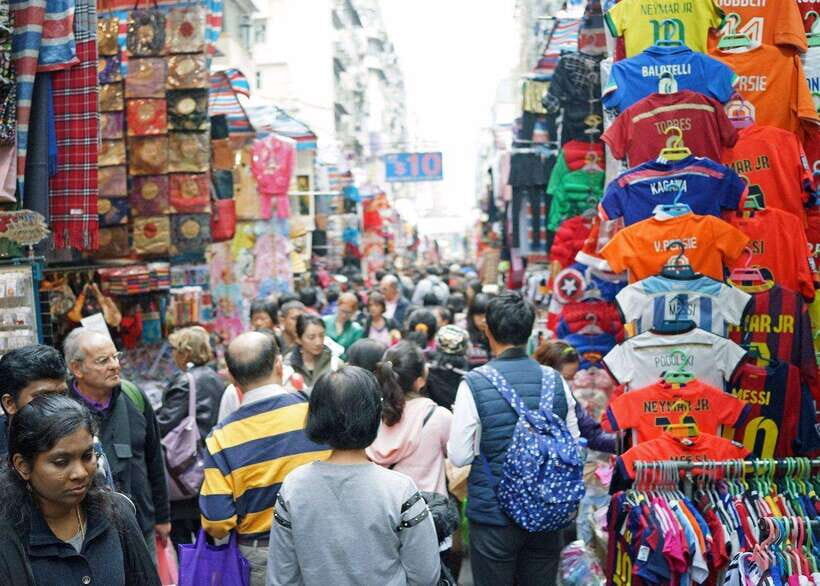
After the escalators, the tour shifts into the human side of Hong Kong: markets, local streets, and temples. This is where you start noticing details that you’d miss wandering on your own. Markets here aren’t only about shopping; they’re part of the city’s daily rhythm—snacks, ingredients, small prepared foods, and the constant motion of people comparing prices and choices.
Your guide’s job is to translate all that into stories you can actually use. You’ll walk through areas tied to Hong Kong cuisine and culture, then stop at temples to understand the religious layer behind the everyday city scenes. One temple moment that stood out in past experiences is seeing locals preparing for the new year. Timing changes what you’ll catch, but the point stays the same: these aren’t “museum temples.” They’re places where people show up with routines, hopes, and habits.
For many first-timers, this segment is the best “Hong Kong feeling” you can get in a short day. It’s also where your senses do the heavy lifting—smells, sounds, and quick conversations passing by in the background.
Dim sum lunch in a local spot: what’s included and why it hits
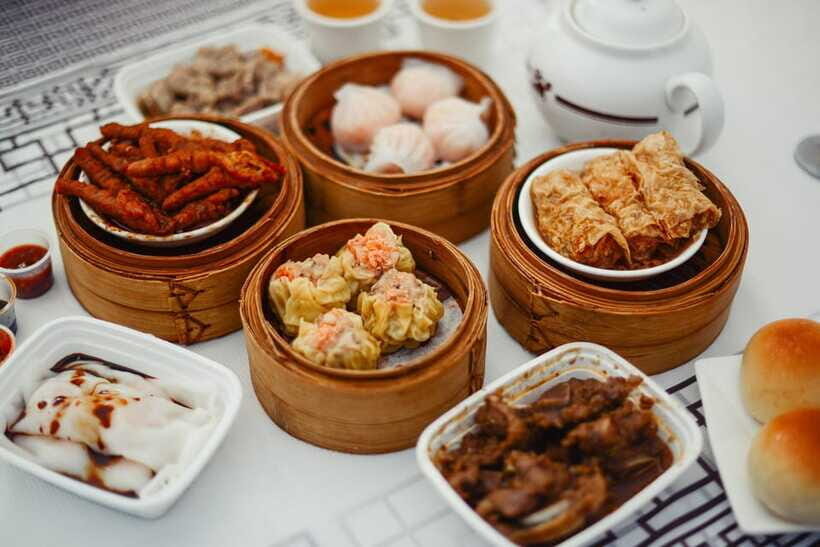
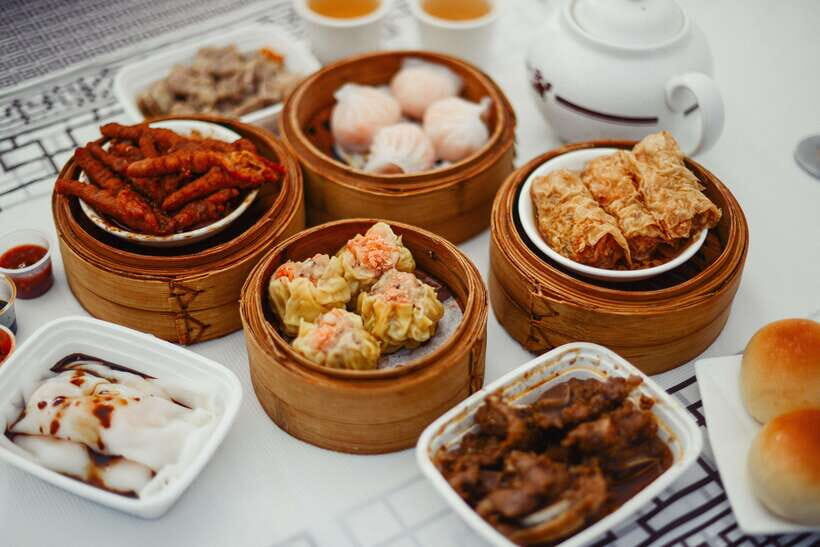
Lunch is a major anchor on this tour. You’ll stop for dim sum at a restaurant serving traditional Hong Kong favorites. The package includes lunch, drinks, and snack items like an egg tart or others.
What I like about this setup is that it avoids the common tourist trap of turning food into a rushed checklist. You’re guided to a place that fits the theme of the day: Central neighborhoods and local food culture. And the lunch timing comes after a good amount of walking and exploring, so you actually feel ready for it—not just hungry.
Some groups have described the lunch as better than expected, including being served in a more private room. That’s not a guarantee, but it’s a good sign that the tour isn’t just “here’s dim sum, next stop.” There’s room for you to eat comfortably, ask questions, and slow down.
If you’re wondering what to order: trust your guide’s flow. Dim sum is a “go with the moment” kind of meal. The benefit of this tour is that you don’t need to be a menu expert to get a satisfying sampling.
Residential streets and the reality of tiny apartments
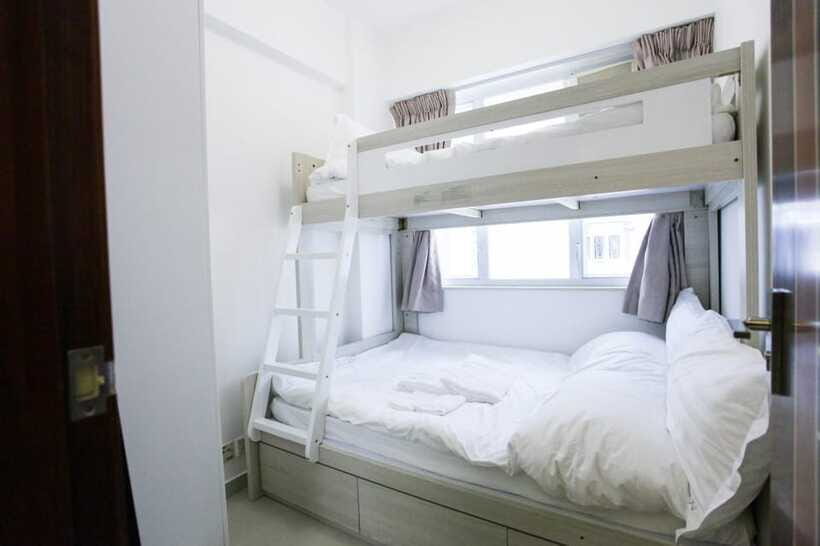
After lunch, the route shifts into a residential area to show how locals live. This part is valuable because it brings in the city’s housing reality—specifically, the issue of very small apartments.
This segment can be surprisingly impactful if you usually only see Hong Kong from the waterfront viewpoint level. The tour uses the change in scenery to change the conversation too. Instead of focusing only on tourist landmarks, you’re encouraged to look at how density shapes daily life: layout, living space expectations, and the practical tradeoffs people manage every day.
It’s also where you’ll get a more balanced picture of Hong Kong. Yes, it’s dramatic from above. But it’s also intensely human up close, and the contrast is part of what makes this day tour feel complete.
You can also read our reviews of more city tours in Hong Kong

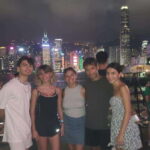
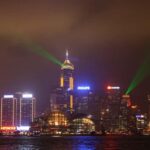

Victoria Harbor viewpoints: ferry and tram time, plus your Peak Tram plan
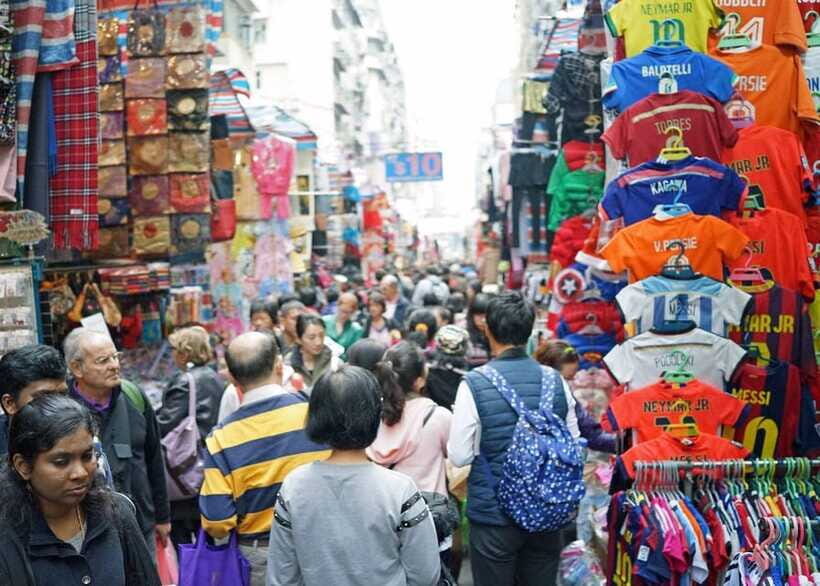
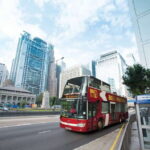
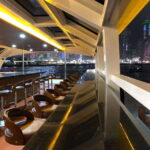
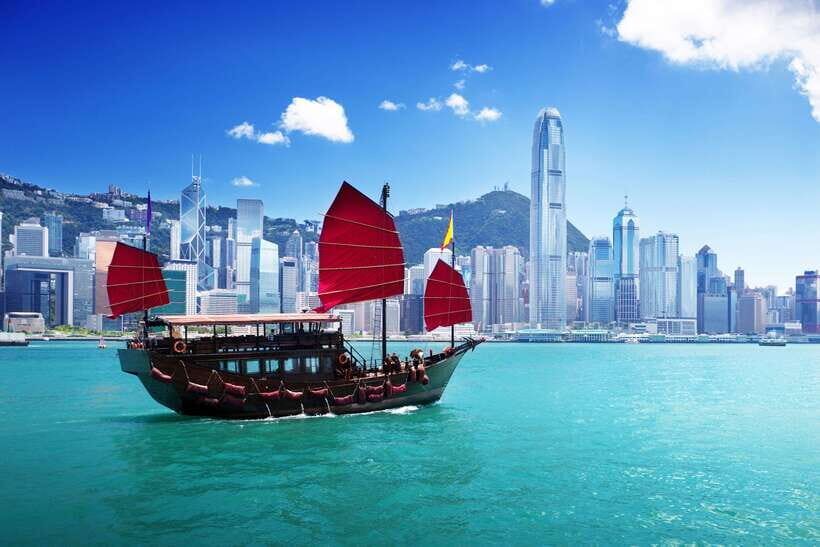
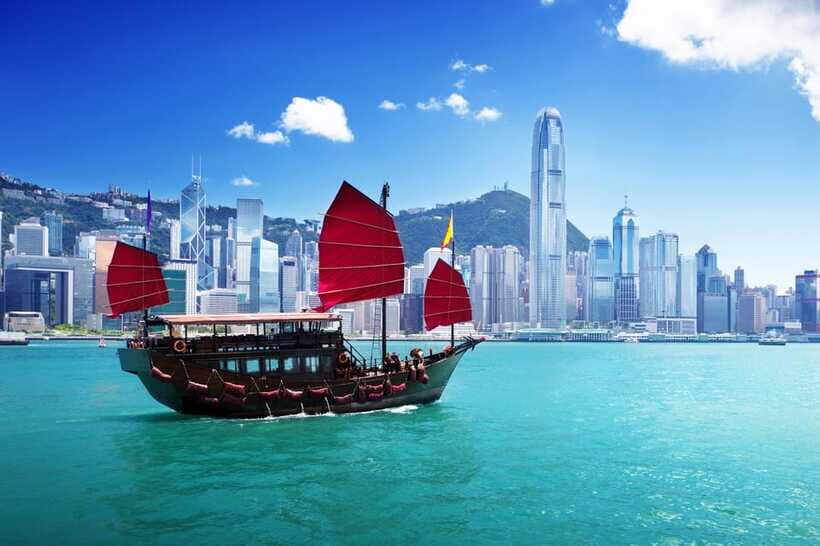
The finish leans into views and classic Hong Kong transport. You’ll ride a ferry and a tram for skyline and harbor perspectives, including the Victoria Harbor area that many people come to Hong Kong for in the first place. Some guides in past groups have also coordinated rides that include Ding Ding trams and the Star Ferry, which is a strong pairing because it gives you both the waterfront drama and the old-school street energy.
Then comes the Peak Tram ticket, included with your tour. Here’s a detail worth planning around: the Peak Tram visit may not be done as part of the guided walk-to-everywhere portion. In practice, that often means you receive the ticket to use shortly after the main tour timing. One experienced tip was to allow a free evening window, because going up later can produce stunning skyline views.
So your best play is simple:
- Keep some flexible time after the tour.
- If weather visibility looks decent, consider going then rather than squeezing it into a tight schedule.
Also note: the Peak Tram experience is a big ask if you’ve been walking all day, so treat it like the final course. Let the viewpoints be the reward for your earlier steps.
Price and value: why $47 works for what you get
At about $47 per person for a 6-hour experience, the value is mainly about how much is bundled into one guided block.
You’re not just buying a “walk with a guide.” The package includes:
- A licensed, government-approved English live guide
- Transport (so you’re not figuring out every jump between districts yourself)
- Dim sum lunch plus drinks
- A snack like an egg tart (or others)
- Peak Tram ticket and ferry ticket
- Admission to attractions
That bundling matters in Hong Kong, where time costs real money. If you were to plan this mix yourself—escalator access, harbor transit, Peak Tram, plus a dim sum meal and a guided narrative to tie it all together—you’d likely spend more than the sticker price, or you’d lose the “story” part and end up hopping around.
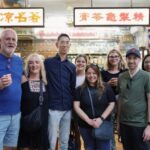
The other value lever is the guide quality. Past groups have credited guides like Joe, Gary, Helen, Monika, and Amy for pacing, clear explanations, and keeping the group together. You can’t pick a specific name in advance from the information here, but the consistent pattern is that the day isn’t chaotic and isn’t just “show up and wander.”
So, yes, it’s paid value for logistics. But it’s also paid value for making the city easier to understand fast.
Pacing, comfort, and who will enjoy it most
This is a walk-focused city tour. You should expect a steady day with breaks rather than a “sit and see” format. Reviews have highlighted both the fact that it can be a good cardio day and that guides often pace the group with stops, which helps if you’re mixing ages or energy levels.
Who it suits best:
- First-timers who want to understand Central + harbor + Peak without doing a puzzle of transit planning
- Food lovers who want real Hong Kong flavor through dim sum and market culture
- People who like transport variety: escalators, tram, ferry, and tram-to-peak in one day
Who should think twice:
- Anyone who can’t handle a walk-heavy route, since you’ll be moving through multiple areas and attractions over roughly 6 hours
- Anyone who expects the Peak Tram to be timed exactly like a straight part of the guided block (because ticket use can be separate depending on schedule and visibility)
How to make the most of your day (without overthinking it)
A few practical moves will help you enjoy this tour instead of just enduring it.
- Wear comfortable shoes. You’ll be on foot enough that this isn’t optional.
- Plan for steps and movement around transit hubs. Even with escalators and vehicles, you’re still covering ground.
- Save a little flexibility for the Peak Tram viewpoint. A later ride can pay off with better city skyline vibe, especially when visibility cooperates.
- If you care about photos, ask your guide for timing cues. The tour is paced, but good guides usually find moments that don’t feel like you’re constantly waiting.
The best part of this tour is that it gives you both the headline moments and the behind-the-scenes understanding. You leave with a clearer sense of how Hong Kong works: transit up hills, food as culture, and dense neighborhoods built for real life.
Should you book this Central Landmarks + Peak Tram + Dim Sum tour?
I’d book it if you want a guided Hong Kong day that feels like the city itself: Central’s skyline energy, the famous escalator system, markets and temples, and food that’s actually part of the story, not an add-on. The included dim sum lunch, plus the Peak Tram ticket and ferry/tram rides, make the overall experience good value for a short visit.
Skip it (or pick something else) if you know you don’t do well with walking days or if you need a strict “everything happens during the guided time” schedule for the Peak Tram. Otherwise, this is one of the more efficient ways to get the big sights and the local context in a single afternoon.
If you’re asking me for one reason to choose it: the tour is built to help you understand Hong Kong quickly, not just photograph it.