REVIEW · SHANGHAI
Shanghai: Natural Museum tickets with guide(optional)
Book on GetYourGuide →Operated by Chinatravelhelper · Bookable on GetYourGuide
Shanghai’s science museums are different here. The Shanghai Natural History Museum turns natural history into a walk-through story, with 10 themed exhibition areas and five theater experiences built for visitors who like to explore at their own pace. I like that you can go solo-style inside a structured museum, and I also like that the English live guide option helps you connect the dots without forcing a rigid route. The one thing to consider is simple: you’ll need to plan around a museum day where food and drinks aren’t allowed.
This is a one-day ticket that’s also great if you don’t want to guess your way through a big building. With a small group capped at 5, the experience stays calm, and the ticket itself is straightforward value because it’s just admission plus an information service fee. If you’re coming with kids or you learn best through hands-on-style learning, you’ll probably enjoy the education activities like Nature Exploration Camp and Drawing Nature.
In This Review
- Key things I’d clock before you go
- Getting Oriented in Jing’an Sculpture Park
- Your One-Day Flow Through 10 Galleries and 5 Theater Experiences
- Gallery-by-Gallery: From Origins to the Path to the Future
- Mystery of Origins
- The Long River of Life
- Path of Evolution
- Earth Treasures
- Diverse Life
- Ecological Wonders
- Survival Wisdom
- Human and Nature Bond
- Shanghai Stories
- The Path to the Future
- The Live Breeding Area and Exploration Center (What to Watch for)
- Educational Activities: Nature Exploration Camp and Drawing Nature
- Price and Value: What $13 Buys in Shanghai
- Practical Tips That Actually Matter (Not the Boring Stuff)
- Who This Museum Ticket Is Best For
- Should You Book This Shanghai Natural History Museum Ticket?
- FAQ
- Is admission to Shanghai Natural History Museum included?
- How long is the visit?
- Do I get an English guide?
- Where is the museum located?
- What should I bring?
- Are food and drinks allowed inside?
- What do I need to do after booking?
- Should I book if I want flexibility?
Key things I’d clock before you go
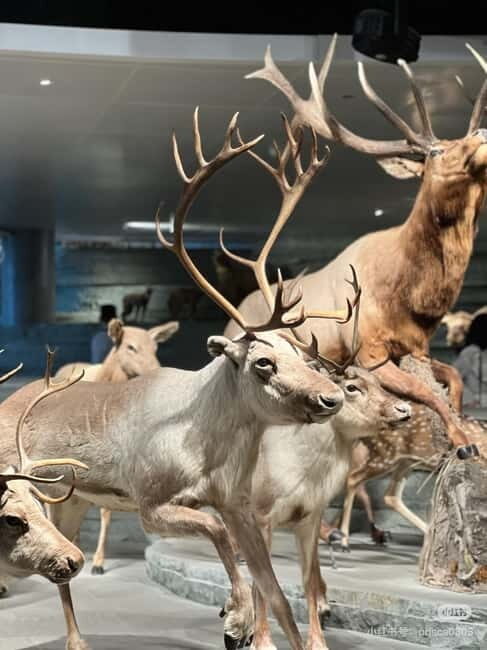
- 10 themed exhibition areas that guide your visit from origins to the future
- Five theater experiences that change the pace when you need a break from walking
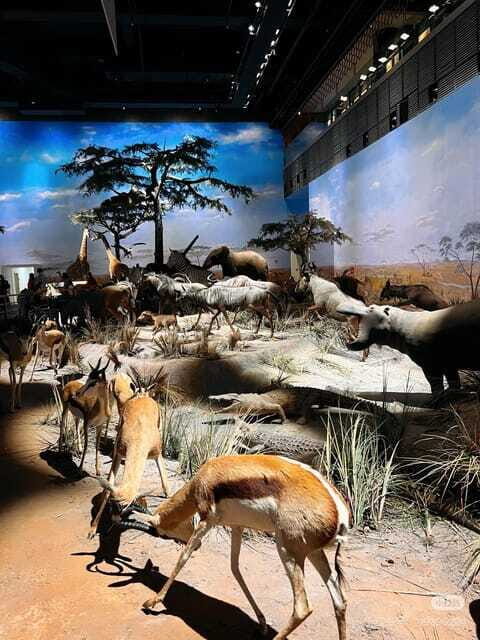
- Over 11,000 specimens and models from the seven continents
- A 300-square-meter live breeding area for science you can watch in real time
- English live guide option (small group size up to 5)
- Education-focused spaces including a 1,200-square-meter Exploration Center
Getting Oriented in Jing’an Sculpture Park
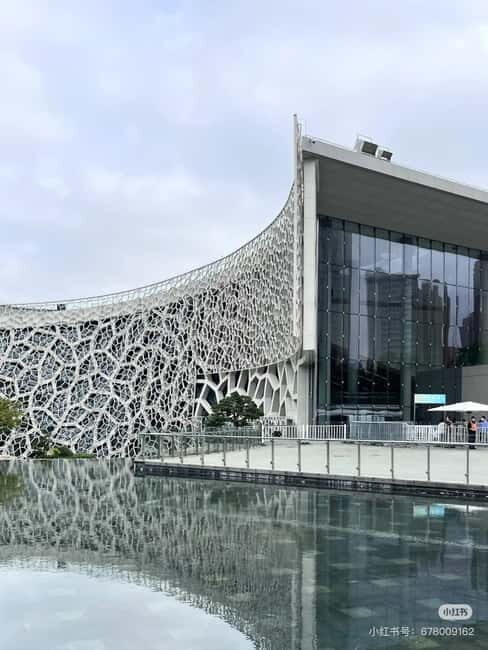
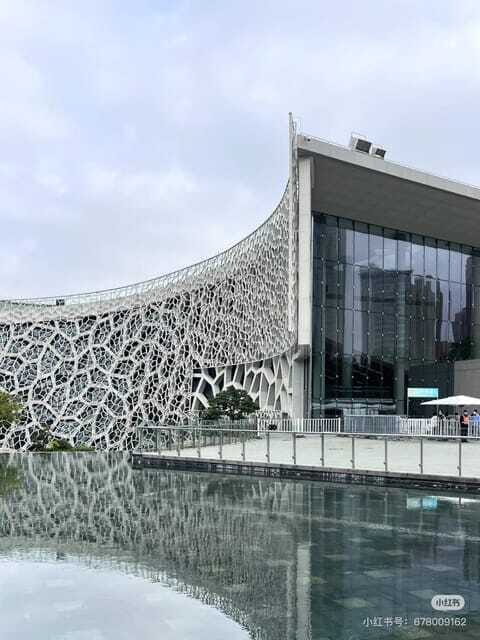
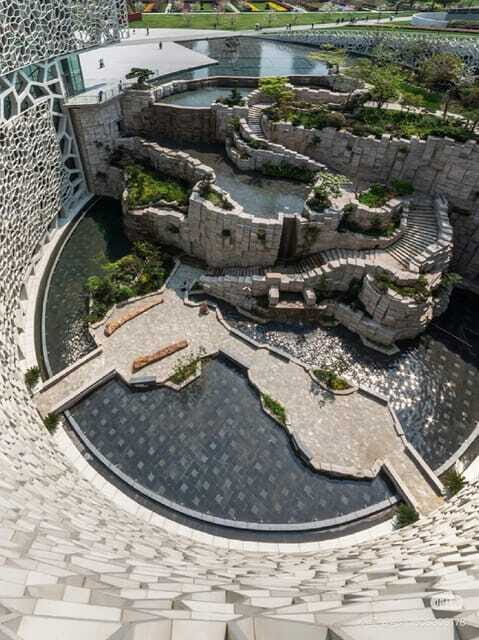
Your ticket gets you into the Shanghai Natural History Museum, a branch of the Shanghai Science and Technology Museum. The address is 510 West Beijing Road, Jing’an District, and it sits in Jing’an Sculpture Park—so you’re not just visiting a building. You’re arriving in a calmer park setting, which helps on a busy city day.
The museum building area is 45,257 square meters, with 32,200 square meters dedicated to exhibition and education services. That matters because it signals the museum isn’t one room with a few displays. You should expect a real indoor circuit that rewards slowing down rather than rushing.
Look for the museum theme on the way in: Nature · Humanity · Harmony. It’s not just a slogan. It’s the framework connecting the galleries, the theaters, and the education side of the museum, so your visit feels like one coherent idea rather than separate exhibits.
A few more Shanghai tours and experiences worth a look

Your One-Day Flow Through 10 Galleries and 5 Theater Experiences
Because this is built for a full-day visit, the best strategy is to treat the museum like zones with different moods. I like that you can explore at your own pace rather than follow a strict order, especially if you’re the type who spends extra time on one display you find meaningful.
A practical way to pace it:
- Start with a gallery that sets up context (origins and evolution concepts are often easiest early).
- Break the walking with a theater experience when you feel your brain slowing down.
- Return to the galleries with a clearer idea of what you’re looking for.
The museum’s structure helps this. You’re not limited to static rooms. You’ll move through 10 themed exhibition areas plus five theater experiences, which means you get visual storytelling and show-style learning in the middle of the self-guided route.
If you choose the English guide option, it’s especially useful early on. I’d use the guide to understand how the museum’s themes connect, then go back to your favorite areas at your own pace.
Gallery-by-Gallery: From Origins to the Path to the Future
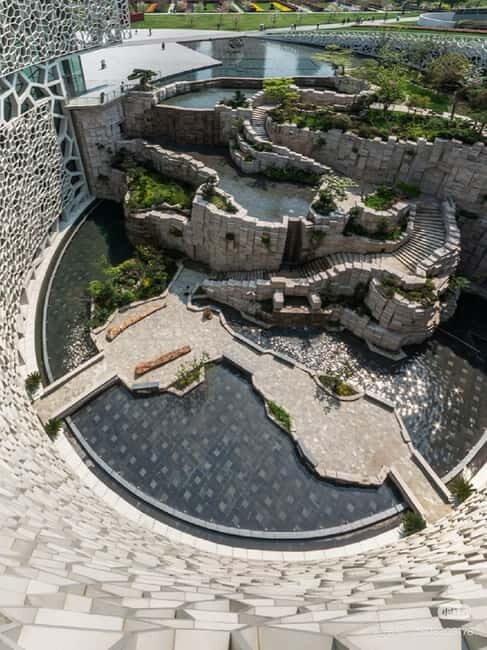
There are 10 themed exhibition areas, and each one is named in a way that tells you what the section is trying to communicate. You don’t need expert biology knowledge to enjoy them, because the titles are basically signposts for how the museum wants you to think.
Here’s how the galleries fit together as a storyline:
Mystery of Origins
This is the natural place to begin if you like getting the “big beginning” ideas first. You can use it to set your mental baseline before you get into evolution, ecosystems, and the human role.
The Long River of Life
If you’re curious about time scales, this gallery’s name suggests a focus on life’s long development. It’s a good mid-visit section because it helps you step back and see connections instead of only looking at individual exhibits.
You can also read our reviews of more guided tours in Shanghai

Path of Evolution
This one pairs well after you’ve already learned how life’s story unfolds. The “path” framing usually works best when you want to track how traits and forms change over generations.
Earth Treasures
When a gallery is called Earth Treasures, you can expect a focus on the planet’s materials and features. It’s a nice counterbalance to purely biological themes, especially if you like geology-adjacent topics.
Diverse Life
This is where the museum leans into variety. If you like seeing how many different kinds of organisms exist and how they adapt, you’ll likely enjoy this area early or late—depending on whether you want variety after context or variety as a wrap-up.
Ecological Wonders
This gallery’s title points to ecosystems and relationships in nature. It tends to help visitors understand that wildlife doesn’t exist in isolation; it’s part of a system with other species and the environment.
Survival Wisdom
“Survival wisdom” is exactly the kind of theme that keeps you looking longer. I find these sections work best when you pause and ask yourself what strategies might help organisms deal with change.
Human and Nature Bond
This is one of the key pieces of the museum’s philosophy: humans aren’t separate from nature. If you like museums that connect science to everyday responsibility, this section is likely to feel more relevant than you expect.
Shanghai Stories
This area brings the idea closer to home. Even if you’re not from Shanghai, this is a helpful bridge between global natural history and local connection—especially in a museum that’s already structured around harmony between nature and people.
The Path to the Future
Ending on the future works well if you want the visit to leave you with more than facts. It’s the right final gallery when you want a sense of where science and society might be headed in terms of environmental understanding.
The Live Breeding Area and Exploration Center (What to Watch for)
Two spaces are worth planning around because they add real-world motion to a museum day.
First, there’s a 300-square-meter live breeding area. Live science has a different rhythm than a display case. I’d give yourself extra time here and expect that some visitors will naturally slow down more than in other galleries, since you’re watching living processes.
Second, the museum includes a 1,200-square-meter Exploration Center. Since the museum is framed as both exhibition and education, this space is where you’re more likely to feel the museum’s teaching style. If you like activities that turn information into experience, this is where you’ll want to spend time even if you’re not traveling with kids.
Both of these areas are part of the museum’s bigger goal around Nature · Humanity · Harmony. They reinforce the message that nature isn’t just something to look at—it’s something science studies and people influence.
Educational Activities: Nature Exploration Camp and Drawing Nature
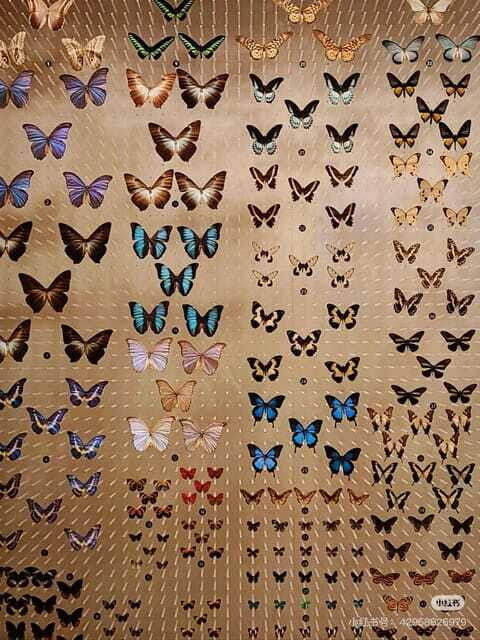
The museum offers educational activities, including Nature Exploration Camp and Drawing Nature. Even if you’re not there for a structured program, knowing these exist helps you choose your timing and energy level. A day that includes at least one education activity can feel more satisfying than only walking through exhibits.
If you’re visiting with children, this is where the museum often earns its reputation for being more than a silent adult walkthrough. If you’re an adult without kids, you can still enjoy these activities as a different way to process the exhibits—especially if you remember concepts better through making and drawing.
And if you choose the English guide option, the guide can help you decide where the education angle fits best into your own interests. You can also use the guide time to ask questions like how the galleries connect to the live breeding area and theater experiences.
Price and Value: What $13 Buys in Shanghai
The price is $13 per person for a 1-day visit. That’s the big selling point: you’re paying for admission to a major museum plus an information service fee. Food isn’t included, so you’ll want to plan meals separately.
Here’s how I’d think about value:
- You’re not just buying a ticket to a single exhibition room. You’re getting a full museum experience with 10 themed areas, five theater experiences, and over 11,000 specimens and models.
- The museum’s education setup (Exploration Center, live breeding area, camp-style activities) means it’s not only about looking—it’s also about learning through format and design.
- The small group cap of 5 participants keeps the experience feeling more manageable than big-group tours.
At $13, you’re also getting a low-risk “try it” option. If you’re already in Jing’an or nearby, the museum fits nicely as a centerpiece activity without wrecking your budget.
Practical Tips That Actually Matter (Not the Boring Stuff)
Before you go, the museum requires passport or ID card. This matters because the ticket process is tied to identification.
After purchase, you’ll need to email the activity provider your:
- expected visit date
- full name exactly as on your passport (including capitalization)
- passport number
Also, there’s an alternative path if you have a real-name registered mobile number from mainland China—you can purchase tickets on your own through the WeChat mini program.
Inside the museum, follow the rules:
- No smoking
- No food
- No drinks
That changes how you pack for the day. Don’t count on snacking inside to save time. Plan for a meal outside the museum area and keep your inside visit focused.
Language-wise, the option is English for the live tour guide. If you don’t select the guide, you still get access to the museum and can explore freely.
Who This Museum Ticket Is Best For
This is a strong choice if:
- You like natural history but don’t want to spend the day guessing where to start.
- You prefer self-paced walking with the option to add guidance in English.
- You want a museum that connects nature to humans through the theme Nature · Humanity · Harmony.
- You enjoy variety—galleries plus theater experiences plus a live breeding area.
It may be less ideal if:
- You want a very short museum visit. This one is built for a 1-day experience, and the size and number of exhibition areas can easily take a while.
- You need to eat or drink during your visit. Since food and drinks aren’t allowed inside, plan meal timing carefully.
Should You Book This Shanghai Natural History Museum Ticket?
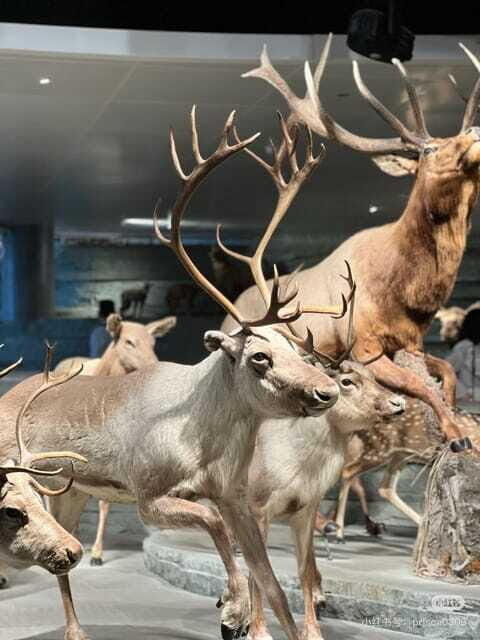
I’d book it if you want an affordable, one-day science-and-nature experience in Shanghai that doesn’t feel like a rushed checklist. For the price, you get real museum scale: 10 themed areas, five theater experiences, over 11,000 specimens and models, plus a live breeding area and education spaces.
The optional English guide is a smart add-on when you want help connecting the museum’s themes rather than just collecting facts. With a small group limited to 5, it’s also less chaotic than tours that herd people through rooms.
One more nudge: if you’re the type who enjoys longer attention to details, this museum rewards that. If you like fast movement and constant action, you might spend extra time reading and watching the living area, which slows the day down—in a good way, but still slower.
FAQ
Is admission to Shanghai Natural History Museum included?
Yes. The ticket includes admission to the Shanghai Natural History Museum and an information service fee.
How long is the visit?
The ticket is valid for 1 day.
Do I get an English guide?
There is an English live tour guide option available, and the group is small (limited to 5 participants).
Where is the museum located?
It’s at 510 West Beijing Road, Jing’an District, Shanghai, inside Jing’an Sculpture Park.
What should I bring?
Bring your passport or ID card.
Are food and drinks allowed inside?
No. Food and drinks are not allowed.
What do I need to do after booking?
After purchasing, you must email the provider your expected visit date, full name exactly matching your passport (including capitalization), and your passport number.
Should I book if I want flexibility?
Yes. The booking offers reserve now & pay later and free cancellation up to 24 hours in advance for a full refund, which makes it easier to adjust your travel plans.