REVIEW · SHANGHAI
Zhujiajiao Water Village & Seven Treasure Town Day Tour from Shanghai
Book on Viator →Operated by Hantang International Travel Service · Bookable on Viator
Two water towns, one Shanghai morning. The real draw is how this tour pairs Seven Treasure Town (Qibao) with Zhujiajiao, then adds a calm boat ride and lunch so you get old-town atmosphere without fighting transit. I especially like the silk-and-textile angle in Qibao, and I like the Ming/Qing bridge-and-temple feel in Zhujiajiao.
One thing to keep in mind: guide time can vary, so double-check that you’ll still get the main sights in Zhujiajiao (not just a house-and-garden stop).
In This Review
- Key highlights to look for
- Two water towns, one smooth day from Shanghai
- Price and logistics: what $159 covers (and what it means for your time)
- Seven Treasure Town (Qibao): silk-making crafts you can connect to
- Zhujiajiao Ancient Town: Ming bridges, temples, and river life on the Dianpu
- The Dianpu River boat ride and the old silk-mill connection
- Lunch, comfort, and the small realities of a 7-hour day
- Guide quality can change the whole feel
- Should you do this tour or save your energy for one water town?
- Who this day tour fits best
- Should you book this Zhujiajiao and Seven Treasure Town day tour?
- FAQ
- FAQ
- How long is the Zhujiajiao Water Village & Seven Treasure Town day tour?
- What time does the tour start?
- Do I get hotel pickup and drop-off?
- Is lunch included?
- Are admission tickets included for the sites?
- Is there a boat ride?
- Which towns are visited on the tour?
- Is the tour focused on silk making?
- Do they use a mobile ticket?
- What is the maximum group size?
- Is free cancellation available?
Key highlights to look for
- Silk trades at Seven Treasure Town (Qibao), from cloth and yarn to rice wine and carpentry
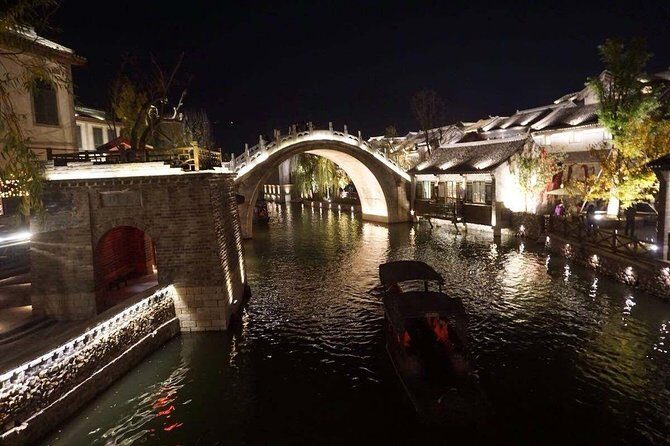
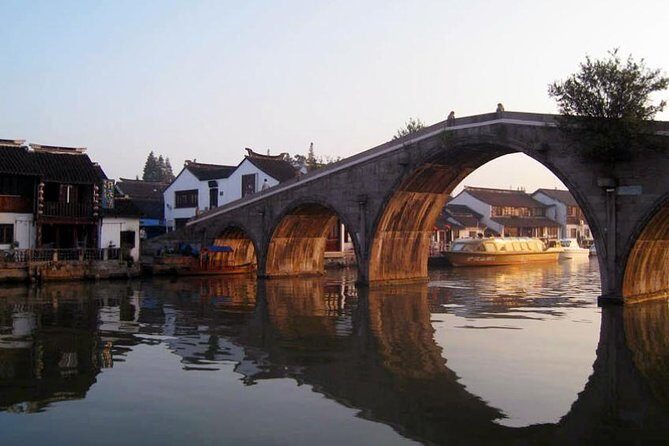
- Zhujiajiao’s five-arch Cao Gang Bridge and well-preserved Ming and Qing architecture
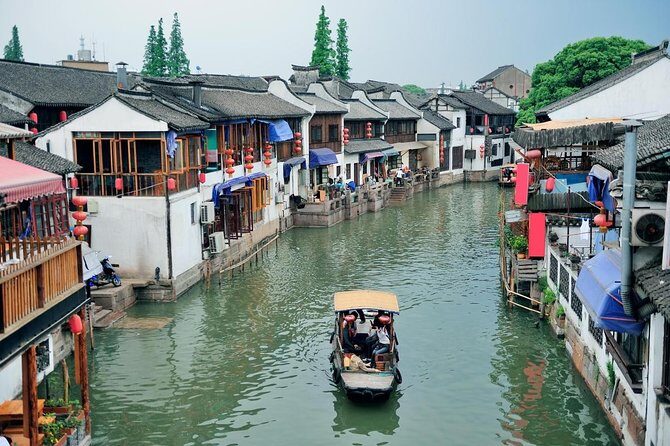
- A Dianpu River boat ride with willow-tree views and a slow, scenic pace
- A structured day with hotel pickup and included admission tickets
- Lunch included (expect it to be basic, and aim for snacks as backup)
Two water towns, one smooth day from Shanghai
This is a full-day trip built for people who want the “old water town” look around Shanghai without spending your energy on tickets, routing, and timing. You leave in the morning from your hotel area and come back after about 7 hours, with the bulk of your sightseeing concentrated in two separate towns.
The pacing matters. You get a first stop that focuses on crafts and silk-making themes, then a second stop that leans hard into classic water-town visuals—bridges, river lanes, courtyards, and temple areas. That mix keeps the day from feeling like you’re just repeating the same street view twice.
You can also read our reviews of more tours and experiences in Shanghai.
Price and logistics: what $159 covers (and what it means for your time)
At $159 per person, you’re not just paying for attractions. You’re also buying convenience: hotel pickup and drop-off, an English-speaking guide, admission tickets, lunch, and a boat tour in the water village. If you’ve ever tried to piece together transport plus entry fees around Shanghai, that bundle is usually where these tours feel worth it.
You’ll likely book this a few days ahead too—on average, it’s booked about 5 days in advance. The operator uses a mobile ticket, which helps on a day when you’re switching places and you don’t want to handle paper.
Group size can be a little “big-city” on paper: the maximum listed group size is up to 999 travelers. Real-world feel can vary, but it’s a useful reminder to keep your expectations flexible. If you want a quiet, slow stroll with zero crowds, any popular water town can challenge that.
Seven Treasure Town (Qibao): silk-making crafts you can connect to
Seven Treasure Town is also known as Qibao. The point of the visit is the town’s historic role as a prosperous marketplace tied to textiles—cloth, yarn, and even carpentry—along with other trades like rice wine and crafts that supported daily life.
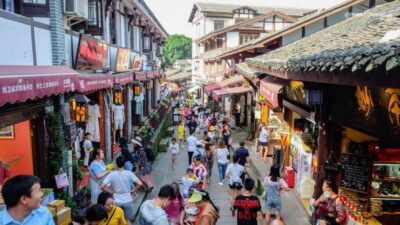
This stop runs about 1 hour 30 minutes, and the admission is included. In that time, you’re not meant to do deep, museum-style research. Instead, you’re meant to see how the town’s identity is expressed through storefronts, workshop-style areas, and themed sites that explain how silk production fits into a broader web of trades.
Two details I’d circle as your “must-look” moments:
- A wedding hall inside a textile mill, used for modern marriages. It’s a strange-and-sincere collision of old industry and current traditions, and it helps you understand why silk towns weren’t just manufacturing centers—they were social centers too.
- A traditional rice wine shop, so you can taste the logic of how goods moved and how local production fed the town economy.
If you care about the global reach of textiles, this town also links to wider recognition: samples from the era are said to still be displayed at the Great Museum of London. Even if that detail stays mostly in the guide’s explanation, it gives context to why the town became famous beyond China.
How it can go sideways: craft-focused towns sometimes feel like shopping corridors more than open-air history. If you mainly want atmosphere (water, bridges, temples), Qibao can feel a bit more structured and staged than the river villages. I’d still go for it—just don’t skip it if you want the silk-making theme.
Zhujiajiao Ancient Town: Ming bridges, temples, and river life on the Dianpu
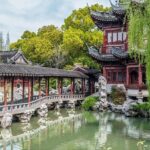
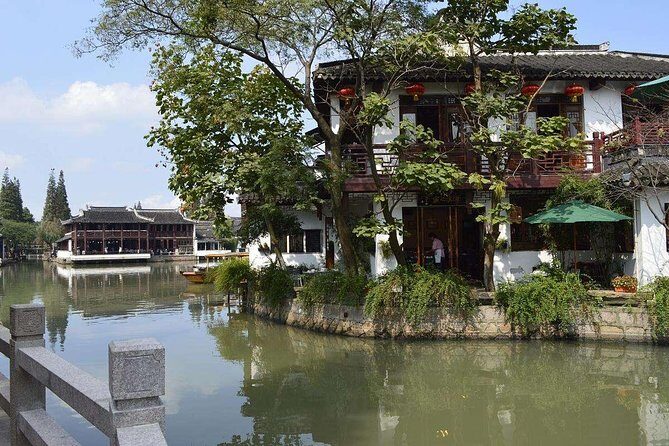
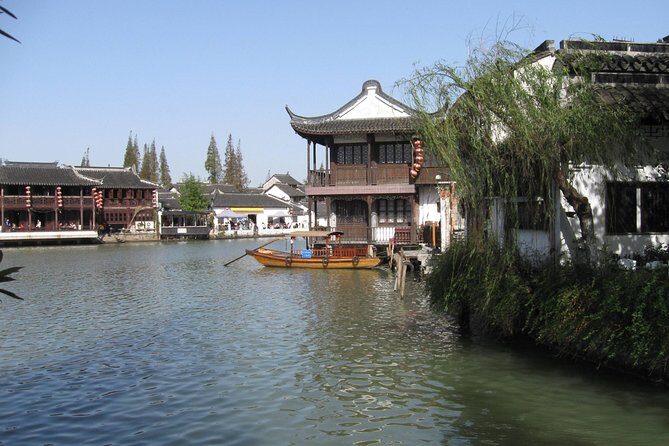
Zhujiajiao is where the day really turns into classic water-town scenery. It’s listed as being over 400 years old, with preserved Ming and Qing Dynasty architecture. The town sits along the Dianpu River, and your experience centers on the idea that this is a place built around movement—canals, bridges, and trade routes.
A standout landmark is the five-arch bridge spanning the Cao Gang River. If you’re the type who likes to orient quickly, this bridge gives you a strong visual anchor. Once you see it, the rest of the maze of paths and courtyards feels more understandable.
You’ll have another 1 hour 30 minutes here, again with admission included. The best way to enjoy it is to slow down and let the town do its thing: the streets can feel like they twist for a reason. The charm comes from watching how people use the space day to day—moving through the town center for ordinary labor and errands—rather than treating everything like a photo mission.
There are also two impressive temples in Zhujiajiao. Those are the kinds of stops that give you a break from the tourist storefront rhythm and bring more meaning to the architecture.
Important note from real-world experience: guide coverage isn’t always equal across the board. Some guides may spend more time on one standout feature like a house or garden, while less time gets directed toward the temples or other listed highlights. If temples matter to you, ask your guide early in the walk: can you still make time for both temple areas? It’s a simple question that can change what you get from the stop.
The Dianpu River boat ride and the old silk-mill connection
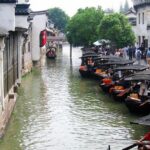
The tour includes a boat component in the water village, and that’s where you switch from walking to floating. On the Dianpu River portion, you’ll see willow trees and get a slower view of the canal edges, bridges, and riverfront buildings. It’s also one of the best ways to keep the day from becoming all pavement and stairs.
The overview of this tour also connects the boat experience to an archaic Silk Mill visit. Even if you don’t come away with a textbook-level understanding of silk production, the boat ride helps you visualize how textile work fit into the river-trade ecosystem. Water towns like these didn’t run on roads alone. They ran on water routes, and silk—like other goods—moved through those channels.
If you’re hoping for the best boat photo, don’t just stand up and aim at the shore. Pay attention to turns and bridge gaps. The river angle makes buildings look taller and lanes look deeper. This part feels calm on purpose, so take advantage of that and enjoy the ride rather than racing through it.

Lunch, comfort, and the small realities of a 7-hour day
Lunch is included. That’s a win on paper because it saves you decisions. Still, included lunches in day tours vary a lot, and this one isn’t immune to mixed feedback. My practical advice: treat the meal as fuel, not as the highlight.
Plan to eat, then move on. If your tastes run picky or you care deeply about food quality, bring a snack for later. It helps you avoid the “I have to be hungry until dinner” feeling if lunch turns out less appealing than you hoped.
Comfort-wise, you’re in an air-conditioned minivan for the ride between Shanghai and the outlying towns. The vehicle is a real benefit on a warm or humid day. Once you step out, though, the walking still depends on weather and how many bridges you choose to cross. Wear shoes you can handle for a mix of flat and slightly uneven streets.
Also keep in mind that you’re doing two separate town atmospheres in one day. That can be tiring for anyone who wants long, slow wandering. If you’re ready for a “see the big stuff and enjoy it” day, you’ll land on your feet.
Guide quality can change the whole feel
This tour includes an English-speaking guide, and guide quality is the difference between a smooth, informative day and a “pretty town, but I’m not sure why” kind of visit.
When the guide is strong, you get clear historical context tied to what you’re seeing: why Qibao became a textiles powerhouse, how the trades connected, and what makes Zhujiajiao’s architecture and bridges matter. The best moments usually happen when the guide links craft and daily life, not just facts.
When the guide focus narrows, the day can feel uneven. One critique I’d take seriously: sometimes the time inside Zhujiajiao can skew toward a house/garden type of stop, while other major sights—like the temples—don’t get the same attention. That’s not a deal-breaker for everyone, but it is for anyone who expects a more balanced walk.
My advice is simple:
- Ask your guide at the start of Zhujiajiao about the temple stops.
- If you want more history, ask a follow-up question when you see a craft site in Qibao. If you don’t ask, some guides will keep the pace moving.
Should you do this tour or save your energy for one water town?
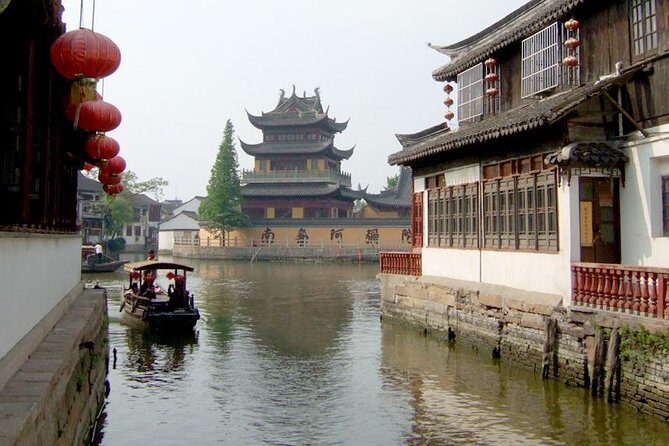
A smart way to decide is to ask what you want from the day. If you’re chasing bridges, boats, and temple lanes, Zhujiajiao is the main event. If you’re interested in silk-making as a theme—textile trades, rice wine, craft workshops—Qibao gives you that industry angle.
Doing both in one trip makes the itinerary feel more complete. But if you already plan a separate water-town tour later (for example, another famous Jiangnan water village), the similarities can stack up. Many of these towns share the same visual toolbox: canal streets, stone bridges, and old-style courtyards. If you’re limited on time, choosing just one water town can feel more satisfying.
My take: this tour works best as your water-town introduction from Shanghai. It’s less ideal as a “third water town in a row” unless you specifically care about the silk/textile theme at Qibao.
Who this day tour fits best
This is a good match if you:
- Want a guided day with admission tickets, lunch, and a boat ride handled for you
- Like cultural stops with an emphasis on crafts and trades—especially silk-related themes
- Prefer a structured itinerary over building your own route
It’s not the best fit if you:
- Want a food-first day (lunch is included, but quality expectations should stay modest)
- Need guaranteed, balanced temple coverage at Zhujiajiao (guide focus can vary)
- Want total quiet and space (even if you don’t feel it all day, water towns can get crowded)
The format is also broadly approachable. The activity notes that most people can participate, which usually means the walking is manageable for a typical sightseeing day.
Should you book this Zhujiajiao and Seven Treasure Town day tour?
Book it if you want an efficient, guided slice of Shanghai-area culture that covers two different angles: textiles and silk trades in Qibao, then Ming/Qing water-town architecture plus a river boat ride in Zhujiajiao. The price feels more fair when you factor in the bundle—hotel pickup, guide, admissions, lunch, and the boat portion.
Before you commit, decide how much you care about the temple areas in Zhujiajiao versus the more decorative stops. If temples are a priority, ask your guide to include them when you arrive. If you can do that, you’ll likely get the best version of this day: walking, floating, and learning how silk culture connects to water-town life.
FAQ
FAQ
How long is the Zhujiajiao Water Village & Seven Treasure Town day tour?
It runs about 7 hours.
What time does the tour start?
The start time is 9:00 am.
Do I get hotel pickup and drop-off?
Yes. The tour includes pickup and drop-off in Shanghai’s city center.
Is lunch included?
Yes, lunch is provided.
Are admission tickets included for the sites?
Yes. Admission tickets are included.
Is there a boat ride?
Yes. You’ll take a boat tour as part of the water village visit.
Which towns are visited on the tour?
You visit Seven Treasure Town (Qibao) and Zhujiajiao Ancient Town.
Is the tour focused on silk making?
Yes. The experience includes learning about the art of silk making.
Do they use a mobile ticket?
Yes. A mobile ticket is provided.
What is the maximum group size?
The tour lists a maximum of 999 travelers.
Is free cancellation available?
Yes. You can cancel for a full refund up to 24 hours before the experience’s start time.