REVIEW · SHANGHAI
Make Soup Dumpling: Vegan or Pork in Shanghai Shikumen
Book on GetYourGuide →Operated by Yin Studio · Bookable on GetYourGuide
Folding soup dumplings becomes oddly satisfying. In Chef Yin’s Shikumen lane-house kitchen, you’ll master the 18-fold pleat with hands-on coaching, then steam your xiaolongbao in bamboo baskets and eat them with tea. I especially like the structured instruction that helps you get the wrapper and pleats right, and I like the cultural details Chef Yin shares about tea and Shanghai food life. One thing to consider: the vegan filling can feel milder, with less soup impact than the pork version.
You’ll get to choose your mission from the start: vegan xiaolongbao (cooked aromatic filling) or pork xiaolongbao (raw minced pork mixed with gelatinized broth/aspic for that soup burst). If you want both, there’s a dual-filling add-on that extends the session by 30 minutes so you can make them side-by-side.
Logistics are usually smooth because the location is described as central and the instructor gives a clear video-style approach; in practice, she can also meet you on the street. Still, plan to arrive with some food in you—this class can run longer than you expect when you’re learning every step carefully.
In This Review
- Key Things I’d Put On Your Radar
- Shanghai Shikumen Lane House Cooking: Why the Setting Matters
- Making the Dough and Wrappers: Where Great Soup Dumplings Start
- Vegan or Pork: Choosing the Filling and Understanding the Soup Effect
- Vegan xiaolongbao filling
- Pork xiaolongbao filling
- Want both?
- The 18-Fold Pleat: Your Hands Learn a Shanghai Signature
- Steaming and Eating: Bamboo Baskets, Black Vinegar, and Tea
- Chef Yin’s Teaching Style: Friendly, Structured, and Practical
- Price and Value: Is $120 Reasonable for 2.5 Hours?
- Who Should Book (and Who Might Skip)
- Should You Book This Shikumen Xiaolongbao Workshop?
- FAQ
- How long is the class?
- How much does it cost?
- Can I choose vegan or pork xiaolongbao?
- What if I want to make both fillings?
- Is tea included?
- Are the materials and tools included?
- Where are the dumplings steamed and what do you eat them with?
- What languages does the instructor speak?
- Does the price include transportation to the meeting point?
- Can I cancel, and do I have to pay right away?
Key Things I’d Put On Your Radar
- 18-fold pleating coaching: real-time corrections so your dumplings actually hold their soup
- Historic Shikumen kitchen: a Shanghai lane-house setup that changes the whole feel of cooking
- Choose vegan OR pork: both options use the same wrapper-and-steam framework
- Bamboo steamer + vinegar/ginger finish: classic serving that rewards your work
- Optional dual filling: +$20/person for vegan and pork in one extended session
- Tea and food context: you don’t just cook—Chef Yin also teaches the why behind the flavors
Shanghai Shikumen Lane House Cooking: Why the Setting Matters
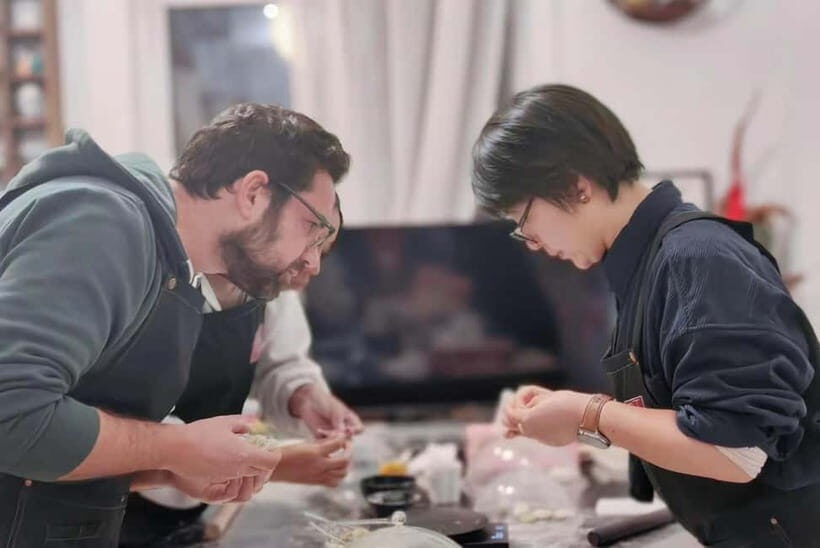
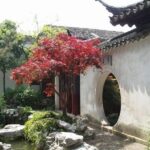
Shanghai’s Shikumen lane houses are more than a backdrop. In this class, that setting shapes how you learn: you’re cooking in a real lane-house style kitchen environment, not a generic studio. That matters because xiaolongbao technique depends on feel—dough texture, wrapper thickness, and pleat tension—and it’s easier to pick up when the whole room feels like the food’s home.
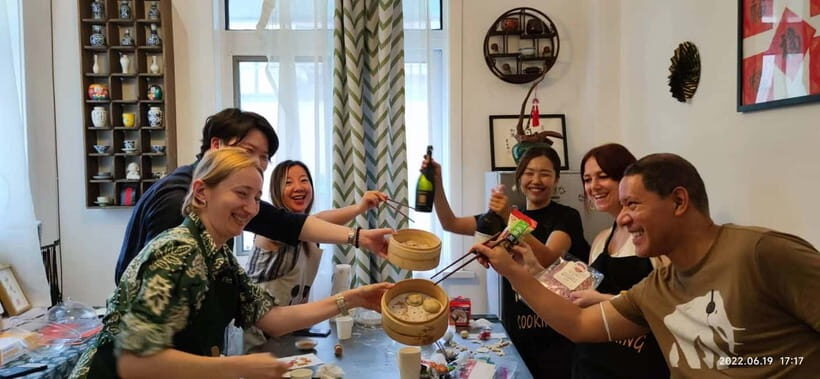
Chef Yin runs the class in an English, Japanese, or Chinese-friendly way, so the teaching can stay practical instead of turning into a translation game. You also get tea as part of the experience, which sounds simple until you realize it’s part of how Chinese meals pace themselves: sip, reset your hands, taste, then adjust. That rhythm is part of what makes the final dumplings more than just food-you-made-for-Instagram.
One more setting note: the exact workshop space can be a touch tricky to find, even if it’s centrally located. The good news is the instructor provides a detailed way to get there, and you may be met on-site. My advice is to treat this like a cooking appointment, not a casual stroll—arrive a few minutes early so you can settle in and start on dough without rushing.
A few more Shanghai tours and experiences worth a look

Making the Dough and Wrappers: Where Great Soup Dumplings Start
Most cooking classes jump straight to shaping. This one starts where xiaolongbao succeed or fail: dough making and wrapper crafting.
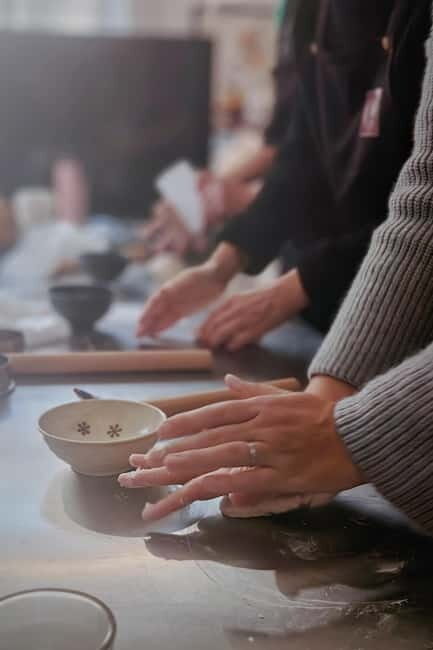
You’ll begin by making the soup dumpling dough from scratch. Chef Yin shows you the precise water-to-flour ratio that creates the right elastic texture. Then you knead and rest the dough under guidance. Rest time is not filler here. If you skip it (or shorten it without reason), the dough won’t behave when you roll it thin, and your wrappers will fight you.
Next comes wrapper crafting: rolling translucent, palm-sized wrappers using traditional techniques. The key detail you’re taught is thickness. Center vs. edges isn’t just trivia—it determines how well the wrapper retains soup during steaming and how easily the pleats seal. Too thick in the center and you get dumplings that chew instead of burst. Too thin and the wrapper can struggle to hold your filling and steam pressure.
This is where you’ll feel the “I can do this” moment. Not because you become a dumpling machine instantly, but because the class gives you repeatable control points: texture, thickness, and rest. By the time you’re ready for filling, you’re not guessing.
Vegan or Pork: Choosing the Filling and Understanding the Soup Effect
The class lets you choose one filling option in the base price: vegan or pork. Both routes train the same wrapper and pleating skills, so your final dumpling quality still depends heavily on your dough work. The difference is flavor and the mechanics of the soup inside.
Vegan xiaolongbao filling
The vegan version is cooked in-class. You sauté aromatics like mushrooms and vegetables in an umami-rich broth to build depth. This is a great option if you want the class to be fully vegetarian-friendly and if you enjoy structured cooking steps (heat, stir, cook down) before shaping.
Still, if you’re chasing a very intense soup burst, keep your expectations flexible. There’s an example of a vegan result that felt a bit light on flavor and soup impact. That doesn’t make the vegan option wrong—it’s just a reminder that broth intensity, seasoning balance, and how the filling sets can change the overall punch.
Pork xiaolongbao filling
The pork version uses a more classic approach: mix raw minced pork with ginger, scallions, and aspic (gelatinized broth). This aspic is the secret to that Shanghai xiaolongbao experience—when steamed, it melts into soup.
You won’t be cooking the pork filling first. Instead, the pork filling is mixed and then safely steamed later in your dumplings. If you’re comfortable working with raw meat ingredients and following the class process, this route tends to deliver the most dramatic soup effect.



Want both?
If you’re the “compare-and-contrast” type (and I respect that), there’s a dual filling add-on: +$20/person and an extra 30 minutes. You make vegan and pork dumplings side-by-side, so you can actually judge the differences in wrapper behavior, soup intensity, and final taste.
The 18-Fold Pleat: Your Hands Learn a Shanghai Signature
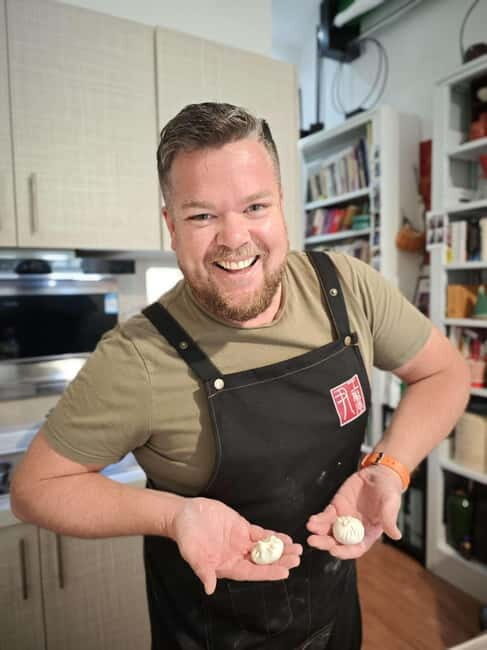
If you only remember one skill from this class, make it the “18-fold” technique.
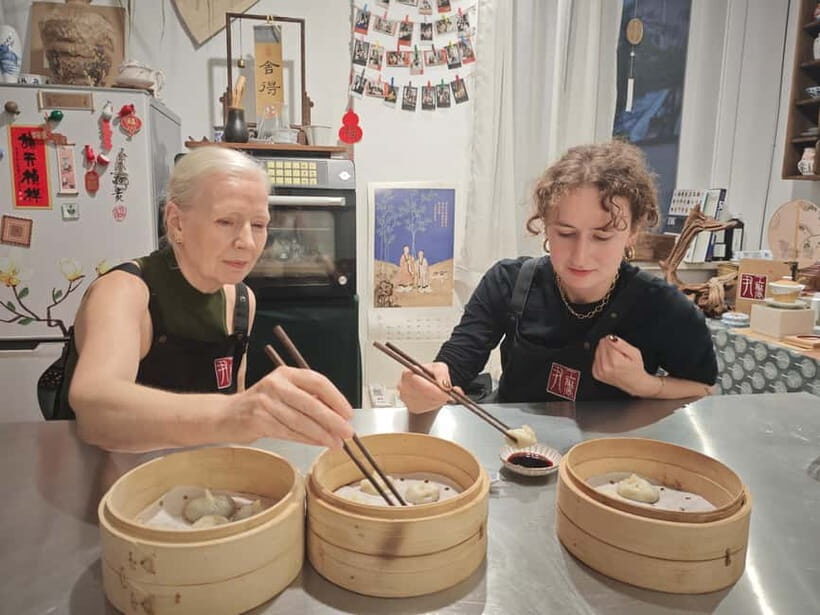
Chef Yin guides you through twisting, sealing, and creating the signature crown shape. This is not a “watch then try” activity. You get real-time corrections, which is huge because tiny changes in how you pinch can affect:
- how tightly the seam seals
- how much soup the dumpling retains during steaming
- whether the crown shape stays tidy instead of bursting open
The 18-fold process is oddly satisfying. You start out thinking of it as counting. Then your hands learn it as rhythm. Each pleat becomes a small decision: tension, angle, pressure, and where you bring the wrapper together.
The practical payoff is that you’ll understand why the wrapper thickness and edge handling mattered earlier. When the seam is correct and the filling is distributed properly, the soup stays put. When it’s not, you’ll notice it right away at steaming time.
And yes, your first few dumplings will look imperfect. That’s normal. The value here is that Chef Yin corrects what’s wrong, not just that you tried.
Steaming and Eating: Bamboo Baskets, Black Vinegar, and Tea
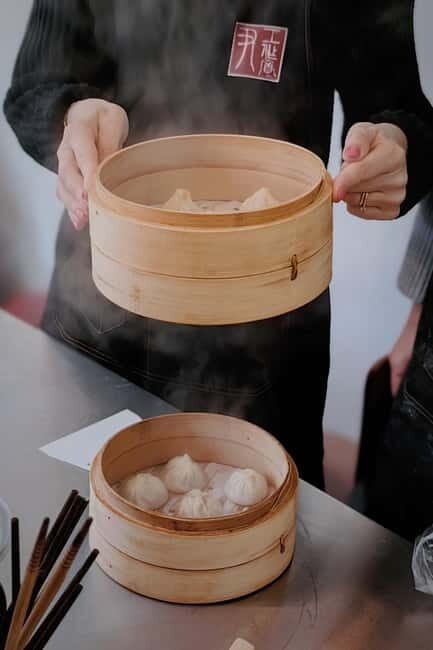
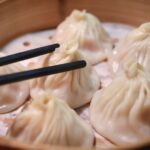
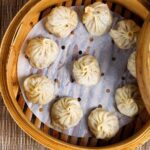
After shaping, you steam your dumplings in bamboo baskets. Steaming is where your earlier choices show up. If your wrappers were too thick, you’ll notice a heavier bite. If the pleats didn’t seal well, you might see leakage—or at least feel less soup inside.
Then you finally eat what you made with black vinegar and ginger, plus tea. This pairing isn’t random. Black vinegar helps sharpen the flavor and balance richness, while ginger adds brightness that cuts through the fat from pork (and lifts the savoriness in the vegan version).
The tea matters again here. After you’re done working your hands raw, tea resets your palate and helps you notice the differences between fillings and how your own dumplings matured.
You also get take-home recipes. That’s one of those small inclusions that makes the class more valuable than a one-night meal. If you actually remake the steps at home, you’ll remember the technique faster because you’ll be working with a reference.
Chef Yin’s Teaching Style: Friendly, Structured, and Practical
The biggest reason people enjoy this class is the way Chef Yin teaches. The vibe is friendly and entertaining, with real structure. You’re not left alone with a rolling pin and hope.
Chef Yin is also prepared. She shares context during the process, including tea taste and food history of China in Shanghai’s lane-house world. That’s useful because it gives flavor choices meaning. You’re less likely to forget what you learned if you understand the cultural logic behind it.
Language support is a strength too. With English, Japanese, and Chinese available, you can stay focused on technique rather than translating every instruction word-by-word.
There’s also a clear practical tip that helps first-timers: don’t show up starving. When you’re learning dough, wrappers, pleats, and steaming all in one session, time can stretch compared with a fast tourist meal. If you eat a light snack beforehand, you’ll enjoy the learning instead of rushing through it.
Price and Value: Is $120 Reasonable for 2.5 Hours?
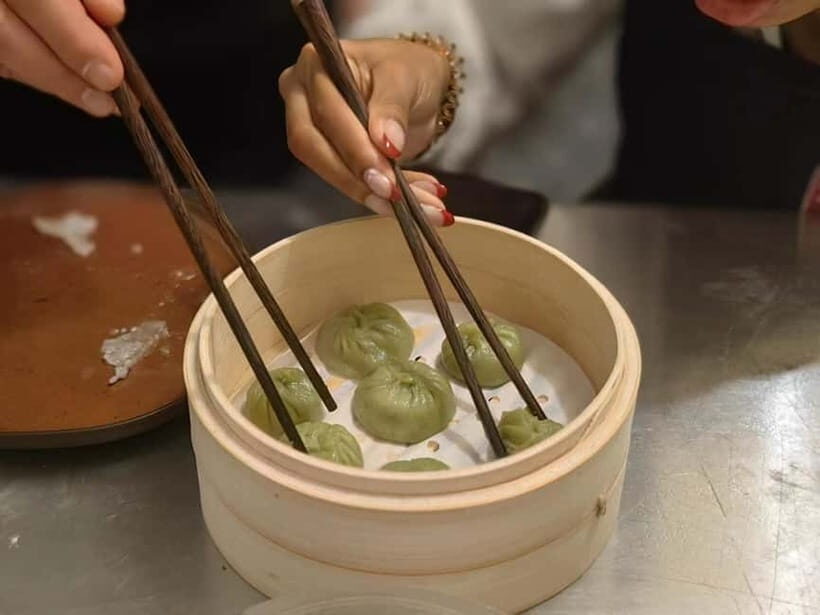
At $120 per person for about 2.5 hours, this class isn’t “cheap,” but it also isn’t purely a souvenir experience. The value comes from what’s included:
- materials and tools for making one filling
- good quality tea
- instructor guidance through dough, wrappers, shaping, and steaming
- a take-home recipe
- a studio gift
You’re paying for skill transfer. Xiaolongbao are deceptively hard. Even if you love dumplings, you usually don’t get to learn the “why” behind thickness, pleating, and soup retention. Here, you’re building those foundations with direct corrections, which is exactly what makes the class worth it.
The add-on (+$20/person for both fillings) also adds value if you want a true comparison. Instead of paying extra just to eat more, you’re getting extra practice and extra technique repetition.
So who does the price fit best? People who:
- enjoy hands-on cooking
- want one authentic Shanghai activity beyond just eating
- care about technique enough to remake it later
Who Should Book (and Who Might Skip)
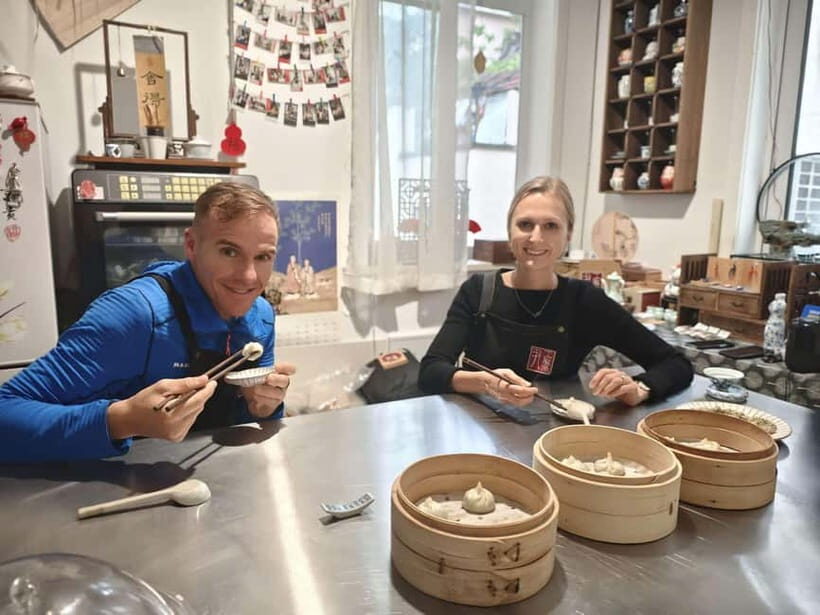
This class is a strong match if you like cooking workshops that teach real technique. I’d especially recommend it if you:
- want vegan OR pork xiaolongbao choice without losing the core technique
- enjoy guided practice (not just watching)
- want to learn the “18-fold” method properly, with corrections
- like cultural context mixed into food, including tea
It may be less perfect if you’re expecting a guaranteed ultra-intense soup burst in every version. Pork often delivers that dramatic soup effect because of the aspic mechanism, while vegan results can feel lighter in flavor and soup impact for some people. Also, if you hate anything raw-meat related, choose the vegan filling. The pork route uses raw minced pork mixed with aspic before steaming.
If you’re short on time in Shanghai, consider whether 2.5 hours plus travel fits your schedule. The class itself is structured, and the dumpling-making pace can be slower than you’d imagine.
Should You Book This Shikumen Xiaolongbao Workshop?
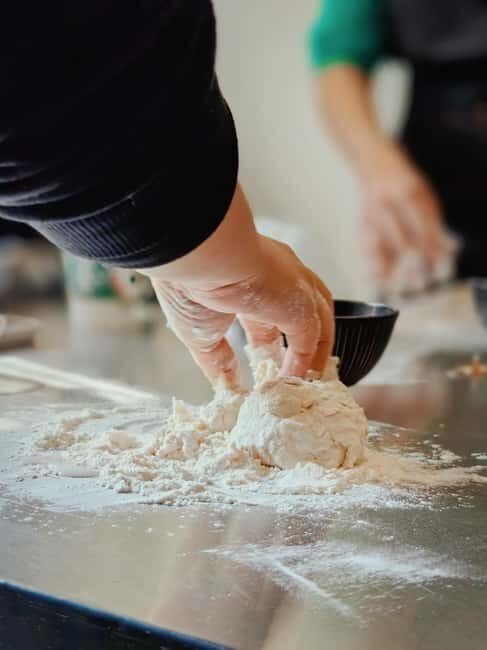
If you want a hands-on Shanghai food experience that’s more than a meal, I’d book it. The combination of Shikumen lane-house setting, step-by-step training, bamboo steaming, and the chance to master the 18-fold pleat makes this feel like actual skill-building.
Choose vegan if you want a vegetarian-friendly class with in-class cooked filling. Choose pork if you want the classic soup explosion effect from aspic. And if you can handle extra cost and time, the dual-filling add-on is the clearest way to compare both versions in one go.
FAQ
How long is the class?
The experience lasts about 2.5 hours.
How much does it cost?
The base price is $120 per person.
Can I choose vegan or pork xiaolongbao?
Yes. The base price includes materials for one filling, and you can pick either vegan or pork.
What if I want to make both fillings?
You can add a Dual Filling Add-On. It costs +$20 per person and extends the session by 30 minutes to make vegan and pork dumplings side-by-side.
Is tea included?
Yes. You get good quality tea as part of the experience.
Are the materials and tools included?
Yes. The class includes all materials and tools needed for one filling.
Where are the dumplings steamed and what do you eat them with?
Your dumplings are steamed in bamboo baskets. You’ll eat them with black vinegar and ginger and tea.
What languages does the instructor speak?
The instructor offers instruction in English, Japanese, and Chinese.
Does the price include transportation to the meeting point?
No. Personal transportation is not included.
Can I cancel, and do I have to pay right away?
You can cancel up to 24 hours in advance for a full refund. You can also reserve now and pay later (book your spot and pay nothing today).