REVIEW · SHANGHAI
Private 2-Hour Shanghai Lanes and Alleyways Walking Tour
Book on Viator →Operated by Shanghai Pathways · Bookable on Viator
Shanghai’s best stories hide behind ordinary doors. This private 2-hour walking tour takes you into the courtyard alleyways locals call nongtangs, where 1920s backstreets meet older daily routines. You’ll move beyond the Bund-and-garden circuit into quieter lanes that still shape how people live, shop, and talk.
Two things I really like about this experience are the focus on real residential backstreets instead of postcard sights, and the way the guide connects architecture to everyday life. You also get time at small local markets, where you can meet shop owners and pick up simple snacks on your own dime, like tea eggs.
One consideration: the tour is mostly outdoors and rain can hit hard. Also, while the idea includes social time with long-time residents, private-home access may not always match what you expect, so go in with respectful curiosity, not a guarantee of being invited inside.
In This Review
- Key highlights to look for
- Shanghai Nongtangs: the backstreets that explain daily life
- Price and time: why $123.08 for 2 hours can still feel fair
- Where you start: Xizang Road (S) and why the meeting spot matters
- The walk itself: how nongtangs are structured and why you’ll notice details
- Stories from long-time residents: what you gain and how to handle it
- Local markets and alley shops: the fun part that’s optional
- Weather and comfort: how to stay happy in rainy nongtangs
- What this tour is really good for (and who should skip it)
- How to get the most out of it without feeling awkward
- Book it or skip it: my recommendation
- FAQ
- How long is the Private 2-Hour Shanghai Lanes and Alleyways Walking Tour?
- Is this tour private or shared with other people?
- How much does the tour cost?
- What’s included in the price?
- Is food and drinks included?
- Do I need to pay an admission ticket?
- Where is the meeting point?
- Is the tour near public transportation?
- Are service animals allowed?
- What’s the cancellation policy?
Key highlights to look for

- Historic nongtangs: courtyard alleyways with a distinctive mix of older design and later Western-style touches
- Long-time resident stories: learn how routines and neighborhood norms changed as Shanghai modernized
- Local wet markets and corner stores: smaller, day-to-day shopping spots rather than tourist shops
- Street food option: sample things like tea eggs, paid separately
- Private just for your party: no wandering with strangers while you hunt down small details
Shanghai Nongtangs: the backstreets that explain daily life
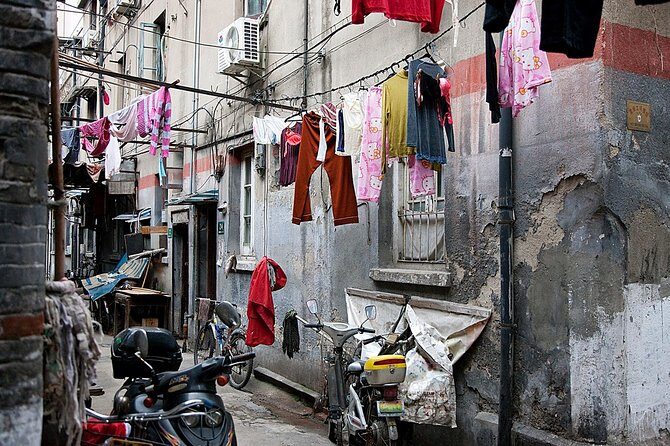
Most first-time Shanghai itineraries start with the headline views: the Bund, major temples, famous gardens. This tour goes for the stuff behind them. The key word is nongtang (often written as nongtangs), which are courtyard alleyways and passageways running through older neighborhoods.
These lanes matter because they show Shanghai as a living place, not a museum. You’ll see how the built environment shapes movement and social life: narrow passages, courtyards, doors that open straight onto the street-side rhythm, and community spots that work for neighbors more than for visitors.
What also makes it interesting is the architecture. The description focuses on back passageways that blend traditional courtyard design with later Western-influenced architecture. Translation: you’re walking through spaces that carry multiple eras at once. That is a big reason the tour feels different from just photographing alleys.
And if you want more than a “look, cool lane” experience, this one is built around explanation. The guide’s job is to help you read what you’re seeing: why residents built and used spaces this way, what norms are typical in nongtangs, and how change in modern Shanghai has affected daily routines.
You can also read our reviews of more walking tours in Shanghai


Price and time: why $123.08 for 2 hours can still feel fair
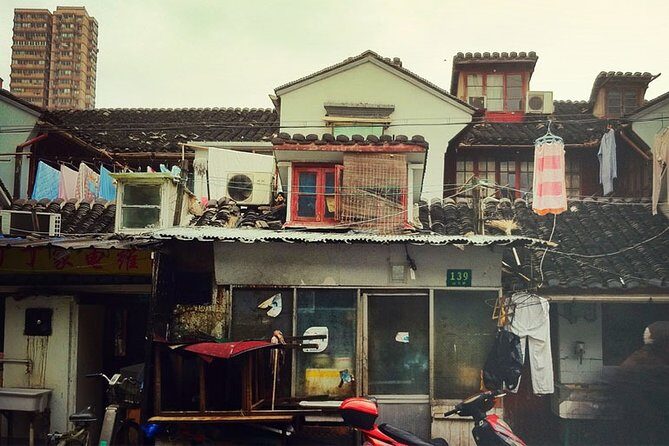
At $123.08 per person for about two hours, this is not the cheapest way to get off the main tourist roads. The value comes from three things you’re paying for.
First, it’s private. You’re not crammed into a big group while trying to hear details in tight lanes. Second, the tour centers on neighborhoods and courtyard layouts that are hard to find and harder to interpret on your own without local context. Third, the guide is part interpreter, part local storyteller, especially around residential housing types and resident life.
Two hours sounds short until you try walking in nongtangs. The streets are smaller, the conversations take time, and you’re not just moving between sights. You’re learning how to look: where people store goods, how shops operate at alley scale, what daily movement feels like, and how residents think about their neighborhood.
If your goal is to maximize cultural return per hour, I’d argue this price is in the reasonable range for a private neighborhood walk with a local English-speaking guide. If your goal is only photos and zero explanation, you might feel the time is too focused. Choose based on what you want out of Shanghai.
Where you start: Xizang Road (S) and why the meeting spot matters
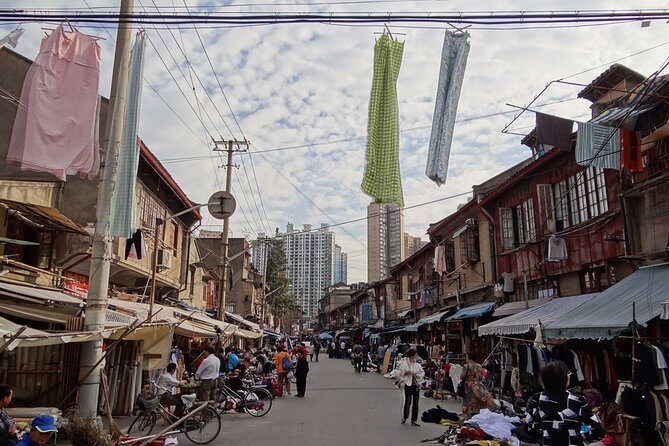
The tour starts and ends at Xizang Road (S), Xi Zang Nan Lu, Huangpu District. That’s useful because this is a true walk tour: you’re not being bused in, dropped at a gate, then returned to the same gate like many “neighborhood” experiences.
Coming prepared to start on time matters here, because you’re walking through small lanes where late arrivals can get awkward fast. Also, since the experience is near public transportation, you can plan to reach the meeting point without needing hotel pickup.
Bring a little patience with the first few minutes. The tour’s strength is what happens once you’re inside the nongtangs. The start is simply where your guide gets you oriented to the neighborhood’s logic—how lanes connect, what to pay attention to, and how to behave respectfully as you enter residential areas.
The walk itself: how nongtangs are structured and why you’ll notice details
As you meander through the nongtangs with your guide, you’ll get the “reading glasses” for what otherwise looks like a maze. These back passageways aren’t random alleys. They have layout patterns that relate to courtyard life and shared neighborhood space.
The tour description highlights a mix of traditional building design and modern Western architecture. You may notice that the lane walls, doorways, and courtyard proportions don’t match modern skyscraper streets. That contrast is the point. You’re seeing a street form that grew for neighborhood living, not for sightseeing.
The tour also sets expectations around time period and continuity. Nongtangs were established in the 1920s, and many original inhabitants still live there. That gives the walk extra weight: you’re not just touring abandoned leftovers. You’re walking through places where people still manage their day in these older structures.
A practical tip: move slower than you think you should. On a normal Shanghai walk, you might pass an alley and keep going. Here, the guide is asking you to look. Pause when your guide explains a feature—an entrance layout, a courtyard edge, the way shops sit along the lane. That’s where the “why” lives.
Stories from long-time residents: what you gain and how to handle it
One of the tour’s most praised elements is the human side: long-time residents who share stories and invite conversation. The experience is described as introducing you to elderly residents who welcome you to socialize and learn about daily life and past experiences.
This is valuable because history in Shanghai can feel abstract if you only read plaques. Here, you’re hearing how changes in modern Shanghai have affected lifestyle. That includes everyday norms—how people socialize, what they prioritize, and how neighborhood life shifts as the city adds new districts and modern infrastructure.
Also, this is the part where your approach matters. One piece of feedback noted that private-house access was not always what was implied. So here’s the practical way to think about it: expect respectful social interaction and resident stories. Don’t assume you’ll be physically inside a private home the whole time.
If you’re sensitive to being intrusive, you’re thinking like a good neighbor. Keep your voice down in tight spaces. Ask permission before any close-up photos. When residents speak, listen first. If the moment turns into a longer conversation, let it happen. This tour works best when you treat it like you’ve been invited into real neighborhood life, not like you’ve bought access to someone else’s living room.
You can also read our reviews of more private tours in Shanghai






Local markets and alley shops: the fun part that’s optional
After the residential architecture, the tour shifts into local buying habits. The plan includes visiting small hidden markets and stores owned by locals, plus wet markets where you can meet owners and learn how they make neighborhood life work.
This is one of those segments that can transform your whole day. Big attractions show you what Shanghai wants to sell. These lanes show you what Shanghai needs to function day to day: produce, staples, quick snacks, and the kind of shopping that fits between errands and dinner prep.
The experience also mentions sampling street food on your own expense. Tea eggs are called out as a common treat—hard-boiled eggs cooked in tea and a marinade sauce. If you like simple, flavorful street snacks, this is where you’ll likely feel the tour pay off. Even if you skip food, you’ll still get a better sense of what people actually buy.
A good move: bring a bit of cash or confirm how payment works at small stalls. The tour itself doesn’t include food and drinks, so your spending is up to you. Think of it as a chance to taste one small slice of daily life rather than turning it into a full meal.
Weather and comfort: how to stay happy in rainy nongtangs
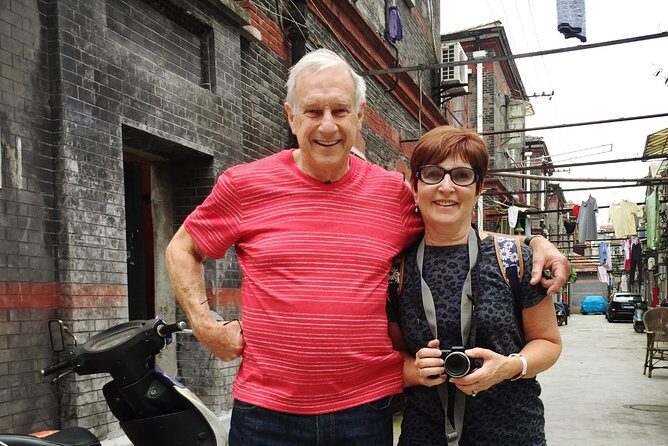
Nongtangs are narrow and you’ll walk a lot on uneven pavement and tight routes. Comfort isn’t optional.
One feedback note is blunt: steady rain can soak you, and it affects the experience. So if you’re booking in shoulder season, pack for weather that can change fast. Bring a rain jacket, wear shoes with grip, and consider an extra layer for warmth. If it rains, you’ll still enjoy the architecture and resident stories, but you’ll enjoy them more if you’re not cold and drenched.
Also, expect walking time to add up. Two hours in city streets can be casual. Two hours in alleyways with frequent pauses feels longer. Plan your next stop accordingly and keep this as your main walking activity of the day rather than a quick add-on between museums.
What this tour is really good for (and who should skip it)
This tour is best if you want to understand Shanghai from the inside out. I’d send you here if you’ve already seen the headline sights like the Bund, City God Temple, and Yuyuan Garden, and you’re hungry for a different angle.
It’s also a strong choice if you like local guides who explain what you’re seeing in plain language and connect buildings to daily routines. The tour leans into “how people live,” not “look at this landmark.”
I’d be cautious if you:
- Want a relaxed sightseeing stroll with zero neighborhood sensitivity
- Expect guaranteed private home entry
- Hate walking in rain or tight spaces
- Are hoping for a food tour where everything is included
If you match the first group, you’ll likely love it. If you match the second group, you might feel it’s too focused and not snack-heavy enough.
How to get the most out of it without feeling awkward
Nongtangs are residential. Even with a guide, the vibe is different from a standard museum stop.
Here are the small ways to make the experience smoother:
- Listen more than you point. The best details are usually the ones your guide explains, not the ones you try to spot instantly.
- Keep questions respectful. Residents shared stories for a reason; asking thoughtful questions helps.
- Take photos only when it feels appropriate. If people look uncomfortable, put the camera away.
- Budget for snacks. Since food and drinks are not included, money and appetite decisions are yours.
You’ll also enjoy the tour more if you mentally switch from tourist mode to neighbor-mode: slower pace, quieter voice, and attention to everyday objects. That is where the authenticity lives.
Book it or skip it: my recommendation
I’d recommend this tour if you want a genuinely local Shanghai snapshot in a short time. The strongest reasons are the nongtangs themselves and the emphasis on daily residential life plus market culture. You’re not paying just for walking. You’re paying for interpretation, resident stories, and access to places you’d likely bypass on your own.
Book it if:
- You already did the major tourist hits and want something older and lived-in
- You like architecture with context, not just facades
- You enjoy meeting locals and learning how the city works beyond the main streets
Consider skipping (or picking a different style of tour) if you want fully included food, guaranteed indoor home access, or you dislike rain-wet walking.
If you do book, bring rain gear, keep an open mind about resident interactions, and bring a bit of spending power for market snacks like tea eggs. That’s when two hours in nongtangs feels like much more than a walk.
FAQ
How long is the Private 2-Hour Shanghai Lanes and Alleyways Walking Tour?
It runs for about 2 hours.
Is this tour private or shared with other people?
It’s a private tour. Only your group participates.
How much does the tour cost?
The price is $123.08 per person.
What’s included in the price?
You get a private walking tour and a local English-speaking guide.
Is food and drinks included?
No. Food and drinks are not included. Street food sampling is at your own expense.
Do I need to pay an admission ticket?
Admission is free.
Where is the meeting point?
The start is Xizang Road (S), Xi Zang Nan Lu, Huang Pu Qu, Shanghai, China. The tour ends back at the meeting point.
Is the tour near public transportation?
Yes, it’s near public transportation.
Are service animals allowed?
Yes, service animals are allowed.
What’s the cancellation policy?
You can cancel for a full refund if you do it at least 24 hours before the experience starts. Changes within 24 hours aren’t accepted.