REVIEW · SHANGHAI
Shanghai-Cooking Dumpling & Meal in Local Family-w/Vegan
Book on GetYourGuide →Operated by China Voyagers · Bookable on GetYourGuide
Making dumplings from scratch in Jing’an is fun, but the real pull is learning in a real Shanghai home with Bonnie and her mom. You’ll get hands-on guidance from an English-speaking dumpling master, then sit down to a full Shanghai-style meal afterward, with vegan support if you tell them your needs. One thing to consider: you’ll want to message your dietary restrictions in advance, since the menu includes some traditional foods you might not want if you’re avoiding certain ingredients.
If you like food that’s practical to learn and easy to repeat later, this is a good fit. And if you want travel tips that aren’t just the usual landmarks, you’ll also get help building a smart, lower-stress Shanghai plan. The main drawback is that you’re spending 3.5 hours in a home-style setting, so it’s not the kind of tour you can treat like a quick snack-and-go stop.
In This Review
- Key takeaways before you go
- Dumpling-Making in a Jing’an Home: Why This Feels Different
- What you’re really paying for
- Meeting Point at Xingya Plaza: Getting There Without Stress
- The 2.5-Hour Cooking Class: Wrappers, Fillings, and Real Dumpling Tricks
- Family guidance from Bonnie and her mom
- Vegan note you should plan for
- Food Tasting After Dumplings: More Than One Dish, More Than Dumplings
- Tea, beverages, and the small comfort factor
- The Travel Tips Component: How to Use Them Instead of Forgetting Them
- My advice: ask two questions
- Price and Value: Is $82 Reasonable for This Format?
- Best For Who: The Right Fit for Your Style of Travel
- Practical Notes: Timing, Food Preferences, and the Home Setting
- Should You Book This Dumpling Class?
Key takeaways before you go
- Small group (max 6) means more time shaping dumplings and asking questions.
- English instruction with a dumpling master who teaches step-by-step.
- Vegan-friendly with notice: tell them what you avoid via WhatsApp after booking.
- Family-style meal after: you learn dumplings, then eat a spread of local dishes.
- Travel tips from a local perspective: you’ll get suggestions aimed at saving time and avoiding crowds.
- Metro-friendly meeting point at Zhongxing Road Station (Line 8), Exit 2.
Dumpling-Making in a Jing’an Home: Why This Feels Different
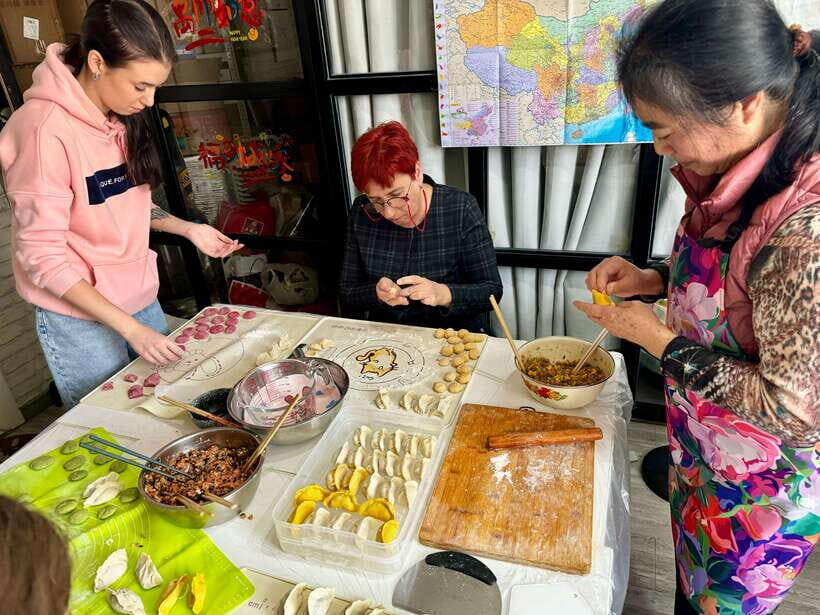
A lot of cooking classes teach you recipes. This one teaches you the rhythm of dumpling-making, the kind you can actually use at home without needing a kitchen full of tools.
You’ll start in Jing’an, in a neighborhood that makes sense for visitors: it’s not only full of everyday life, but also close enough to help you build a Shanghai itinerary without constant long rides. The experience is priced at $82 per person for about 3.5 hours, and it’s set up like a small-group workshop rather than a big show.
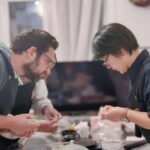
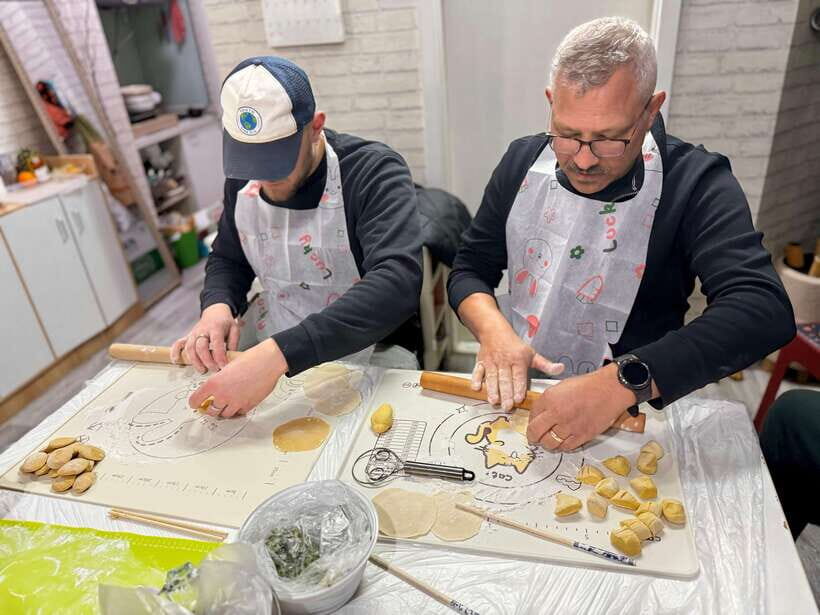
What makes it feel special is the family setting. Bonnie hosts, her mom shares traditions and techniques, and the energy stays warm and conversational. You’re not just watching instructions. You’ll roll dough, form wrappers, and shape dumplings yourself, then eat the results together as part of the meal.
A few more Shanghai tours and experiences worth a look
What you’re really paying for
It’s not only the ingredients. The value is in three places:
- Hands-on coaching (so you’re not guessing)
- A proper meal afterward (so you’re eating more than one single dish)
- Local travel guidance (so your time in Shanghai gets smarter)
Meeting Point at Xingya Plaza: Getting There Without Stress
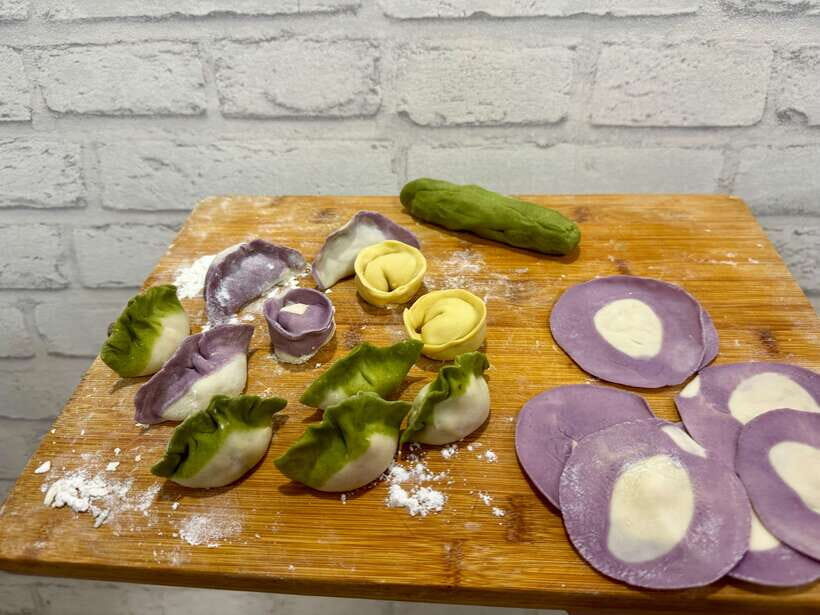
You’ll meet at 兴亚广场商务楼. If you’re using public transit, the listed anchor is Metro Line 8, Zhongxing Road Station, Exit 2.
This matters because Shanghai’s metro is fast and predictable when you know the exit. If you arrive early, you’ll have time to get your bearings before the class starts, which keeps the rest of the afternoon from feeling rushed.
Practical tip: after you book, message them on WhatsApp if you have any allergies or if you’re vegan (or if there are specific ingredients you don’t eat). That message is your best “smooth experience” tool here.
The 2.5-Hour Cooking Class: Wrappers, Fillings, and Real Dumpling Tricks
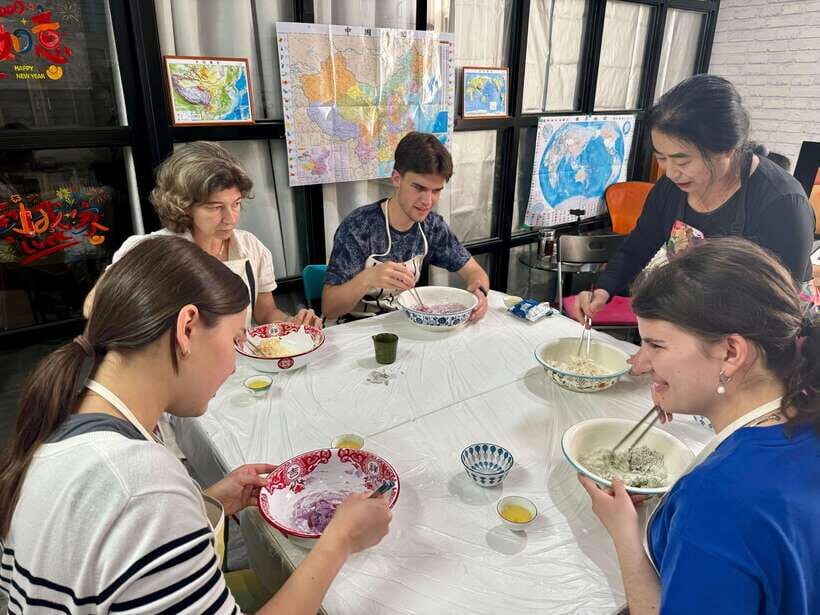
The core session lasts 2.5 hours, and it’s structured for beginners. You start from “zero to one,” which is perfect if you’ve never folded a dumpling before.
Here’s the typical flow you can expect:
- You’ll learn how to handle dough and dough resting basics.
- You’ll work on wrappers and how to shape them.
- You’ll mix filling and portion it correctly.
- You’ll practice forming dumplings with guidance, not just a one-time demo.
The big difference is that instruction is English, and it’s calm and step-by-step. From the way Bonnie runs the class, the goal is that everyone gets hands-on time, not just one person repeating the motions while others watch.
Family guidance from Bonnie and her mom
Bonnie teaches, and her mom adds techniques and small “this is how we do it” wisdom. It’s the kind of input that helps your dumplings turn out better and feel less intimidating.
You may also hear little cultural stories along the way—enough to add meaning without turning the class into a lecture. If you’re the type of traveler who likes food because it connects to daily life, this portion will feel satisfying.
You can also read our reviews of more cooking classes in Shanghai

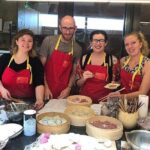

Vegan note you should plan for
This experience is described as “w/ Vegan,” and the organizer explicitly asks you to contact them if you’re vegan and if there are ingredients you avoid. That’s important because some traditional Chinese dishes include eggs or other animal-based ingredients. For the best results, you should message them what you don’t eat clearly and early.
Food Tasting After Dumplings: More Than One Dish, More Than Dumplings
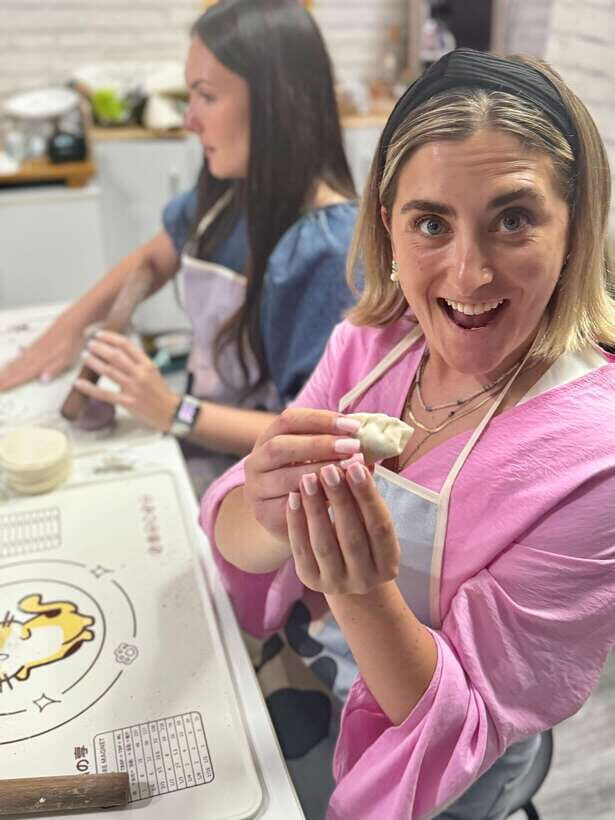
After the dumpling-making, you’ll move into food tasting for about 40 minutes. This is where the meal broadens.
You can expect a Shanghai-style spread alongside tea and snacks, and the tasting often pairs well with what you learned while cooking. If dumplings were your “skill,” the tasting becomes your “flavor map” of Shanghai and northern-style influences.
Based on what has been prepared in past sessions, you might encounter dishes such as:
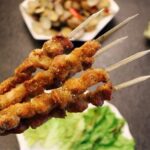
- savory or pungent staples like stinky tofu
- egg-based specialties such as century egg or salted egg
- plates with pork and mushrooms, or seafood-style textures
- vegetable-forward items using mushrooms, lotus root, and spicy seaweed
- options that can include tofu noodles and greens like pok choy
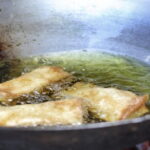
- dumplings themselves, plus additional small dishes
Your exact lineup should depend on your group’s dietary choices. The good news: the host asks about allergies and vegan needs, so you’re not stuck with a one-size-fits-all menu.
Tea, beverages, and the small comfort factor
Tea and snacks are included. That sounds small, but it helps keep the class comfortable. Dumpling-making can get hands-on and a bit messy, and tea plus something light keeps your energy up before the meal’s bigger part.
The Travel Tips Component: How to Use Them Instead of Forgetting Them
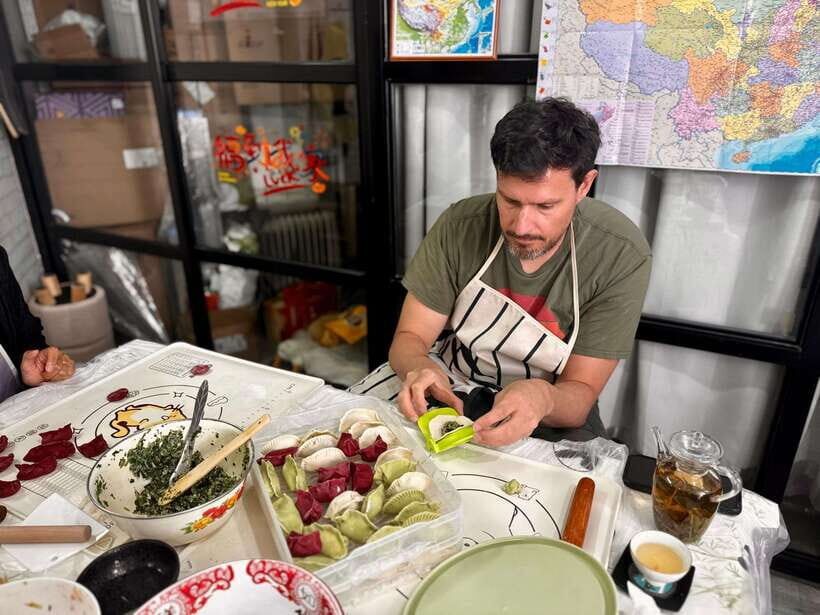
One of the most useful extras is the free travel tips built around your interests. The idea is you leave with a short list of places and strategies that match what you actually like, not a generic checklist.
From their local angle, you can expect suggestions that might include:
- classic gardens
- modern art exhibitions
- ways to visit skyscraper observation areas without spending all day in crowds
- hidden local eats in less obvious places
Even if you already planned a Shanghai itinerary, this section can still help. You can use it to:
- swap out one crowded sight for a better timing plan
- add a neighborhood stroll that fits where you’re already going
- find food that matches your taste (not only what’s famous online)
My advice: ask two questions
During the tips time, ask:
1) What would you do today if you had only half a day?
2) Where should I go for food that feels local but not intimidating?
You’ll get better answers that way, and it’s exactly the kind of local guidance that turns into real memories.
Price and Value: Is $82 Reasonable for This Format?
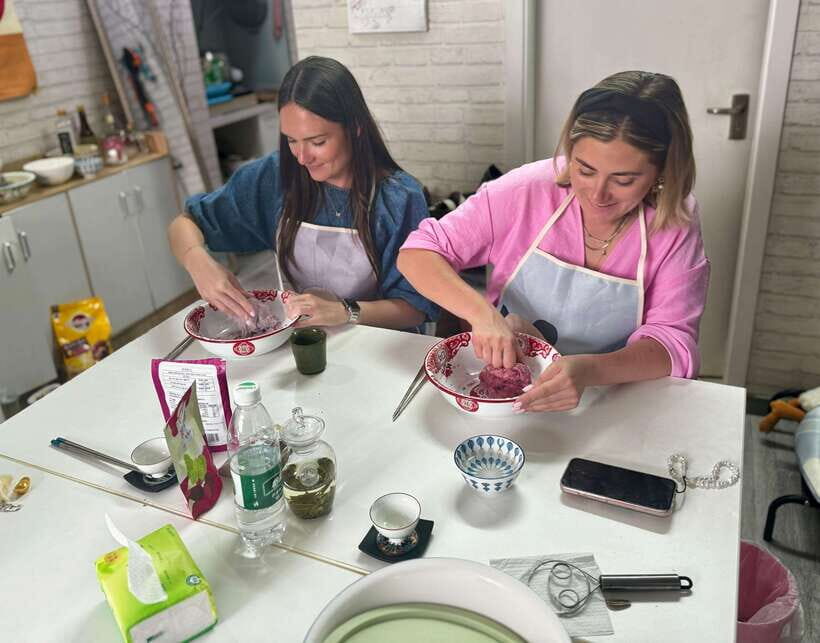
At $82 per person for 3.5 hours, you’re paying for a small-group cooking class plus an included meal and beverages.
Here’s why that price can feel fair:
- It’s small-group (max 6), so you’re not fighting for attention.
- You get all materials and an English host.
- You learn a real skill set: dough, filling, and shaping.
- You eat a broader Shanghai meal, not just what you made.
- You also receive local travel tips, which often cost extra time (or money) elsewhere.
Would it be cheaper if you cooked on your own? Sure. But you’d lose the coaching, the family context, and the meal that comes with the class. For many visitors, paying for instruction is the fastest way to end up with dumplings you’re proud of.
Best For Who: The Right Fit for Your Style of Travel
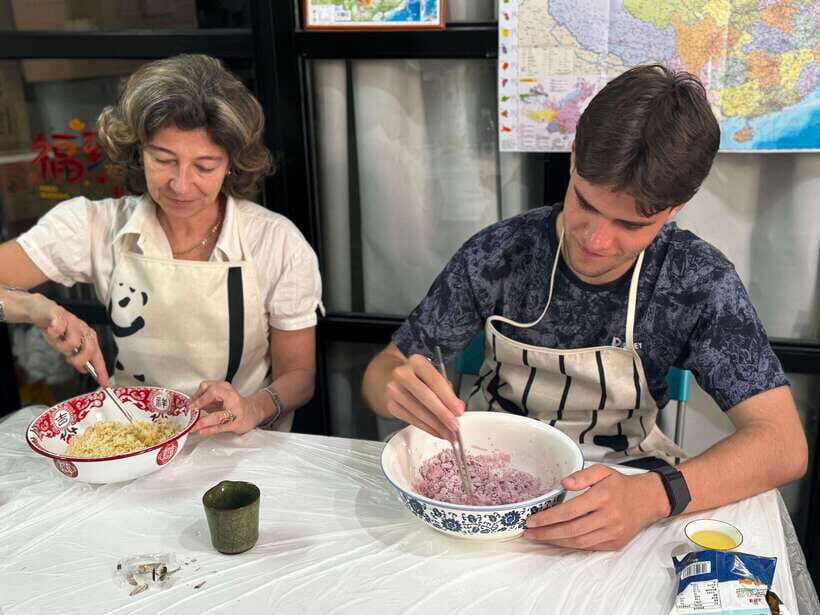
This works especially well if you:
- want something hands-on rather than watching from the sidelines
- like food experiences tied to daily life and family tradition
- want a beginner-friendly class where someone helps you step-by-step
- need vegan support and are willing to message dietary needs via WhatsApp
- prefer a smaller group vibe
It might not be the best match if you’re looking for a fast, scripted “see and go” activity or if you’re short on time and only want one single photo opportunity.
Also, if you’re traveling alone, the small size can actually help. There’s room to chat with the host and your group without feeling like you’re in a classroom with 30 strangers.
Practical Notes: Timing, Food Preferences, and the Home Setting
A few practical details can make the day smoother:
- You’ll spend about 2.5 hours cooking and 40 minutes tasting, then you return to the starting area.
- The experience includes tea, beverages, and snacks, so you don’t need to plan a meal immediately afterward.
- If you have allergies, you should message them after booking. The organizer explicitly asks you to do this.
- The class is wheelchair accessible, which is a strong benefit if you need that.
Finally: because this is a home-style experience, expect a relaxed pace. That’s part of the value. If you go in thinking it’s a rigid “tour program,” you may feel impatient when the flow turns personal and conversational.
Should You Book This Dumpling Class?
If you want a Shanghai experience that goes beyond tourist checking and gives you both a skill and a local meal, I’d say book it.
Do it if:
- you’re excited to make dumplings yourself
- you want an English-speaking host who guides beginners
- you want vegan-friendly options and you’re ready to communicate your needs on WhatsApp
- you also want travel tips that help you plan smart days in and around Jing’an
Skip it if:
- you hate any mess or hands-on cooking (dumplings are not a tidy activity)
- you need a very structured, multi-stop sightseeing schedule
If you’re on the fence, send your dietary questions first. When you match your preferences to what the host can prepare, this kind of class turns into one of those “I’ll remember that forever” days—not because it was flashy, but because you made something and shared it like family.