REVIEW · SHANGHAI
Shanghai: Dragon Beard Candy Making with a Chef
Book on GetYourGuide →Operated by shanghaicooking · Bookable on GetYourGuide
Sugar turns into hair-thin threads. This hands-on Shanghai workshop teaches you the craft of Dragon Beard Candy—with a chef who pairs precise French pastry training with the artistry of Chinese sweets. You start with a short, story-driven setup, then move straight into stretching and wrapping molten sugar into delicate strands.
Two things I really liked: the instruction from Luc, given clearly in English with plenty of encouragement and practical corrections, and the flavor-work you do at the end, wrapping those threads with a mix of peanuts, sesame, and coconut. It’s not just watching. You get your hands in the process, and you get an actual recipe to try again later.
One possible drawback: working with molten sugar is messy and very hands-on. If you want a clean, sit-and-watch experience, this isn’t it.
In This Review
- Key things to know before you go
- Dragon Beard Candy: the 2,000-year sweet you can finally make
- Makerhub meeting point: how to find your way fast
- The 2-hour workflow: from molten sugar to hair-thin threads
- Wrapping the threads: peanuts, sesame, and coconut
- Chef Luc’s teaching style: clear English and real corrections
- What you take home: candy, extra pastries, and a recipe
- Price and value: why $38 can make sense here
- Who should book this class in Shanghai
- Quick tips so you enjoy the class more
- Should you book this Dragon Beard Candy workshop?
- FAQ
- How long is the Dragon Beard Candy making workshop?
- Is the class hands-on or mostly a demonstration?
- What language is the instruction in?
- What is the meeting point in Shanghai?
- What’s included in the price?
- Is it wheelchair accessible and can I cancel if needed?
Key things to know before you go
- A Le Cordon Bleu-trained chef teaches the technique, not just a casual demo
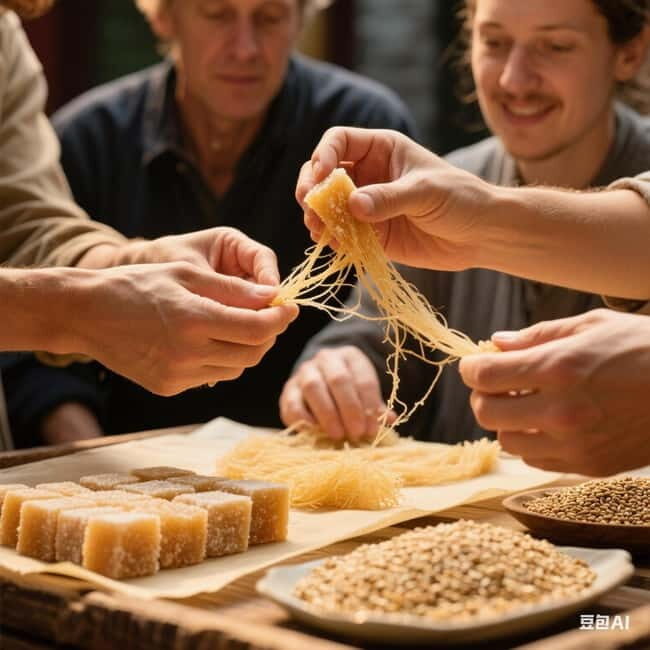
- You stretch and fold the sugar thousands of times for the signature thread look
- You wrap the strands with crushed peanuts, sesame, and coconut
- You start with a 2,000-year story about the candy’s royal origins
- You leave with handmade candy plus extra pastries to take home
- Optional photos help you remember the steps you actually performed
Dragon Beard Candy: the 2,000-year sweet you can finally make
Dragon Beard Candy isn’t one of those modern snacks that just appeared one day. The workshop begins with a short storytelling session about its long background—going back roughly 2,000 years, when it was considered a delicacy reserved for Chinese royalty. That matters, because once you know the candy wasn’t built for convenience, you understand why the method is so exacting.
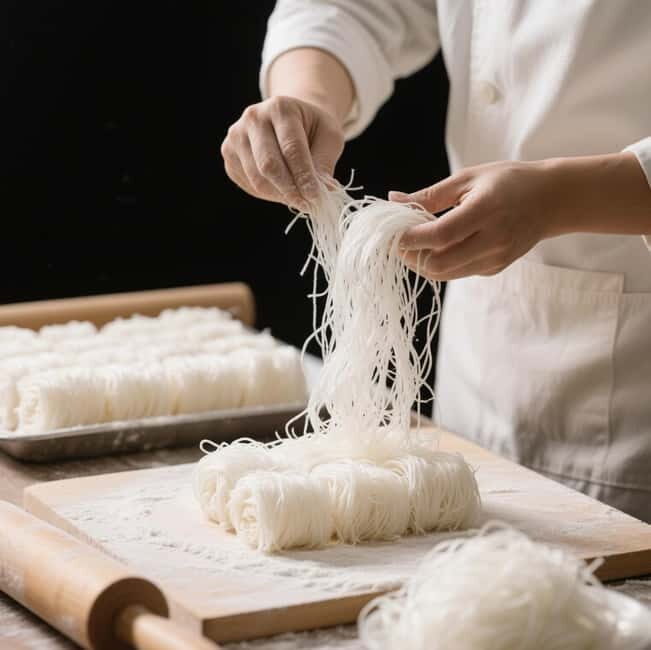
Then the chef frames what you’re about to do in plain terms: this candy is famous because molten sugar can be transformed into silky strands so thin they resemble a dragon’s beard. You’ll see how quickly things can change depending on temperature and technique. That’s the real point of the class. You’re not just learning a recipe—you’re learning control.
I also like that the workshop doesn’t treat the craft like a museum display. Even with the historical story up front, you end up making something you can eat right away. And because you follow step-by-step guidance, you don’t need to be a pastry expert to get meaningful results.
You can also read our reviews of more tours and experiences in Shanghai.


Makerhub meeting point: how to find your way fast
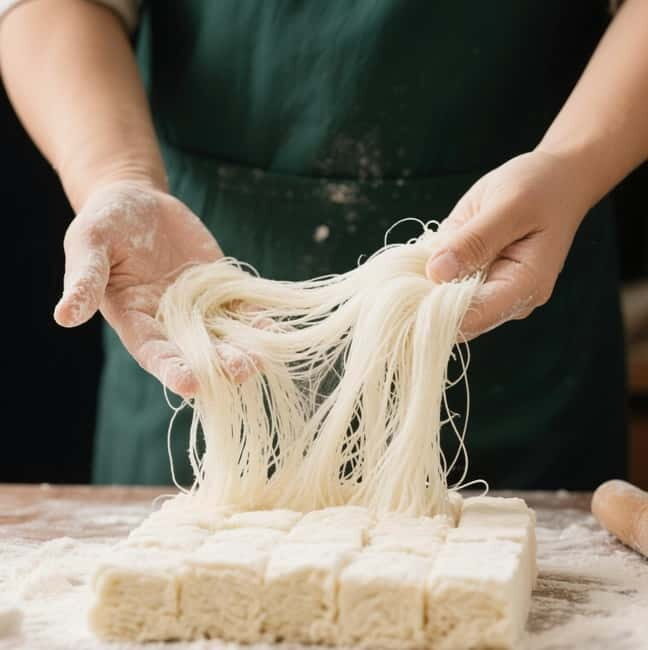
You’ll meet at 4th floor, Makerhub in Shanghai. This is the kind of location that works best when you arrive a few minutes early so you can settle in without rushing.
Since the class is only 2 hours, don’t plan a long buffer right before or after. You’ll want a clear window for your hands-on work, plus time to enjoy what you make instead of racing to your next stop.
The session is English-instruction, so you can follow the process without constantly translating in your head. The workshop is also listed as wheelchair accessible, which is helpful if mobility needs are part of your trip planning.
The 2-hour workflow: from molten sugar to hair-thin threads
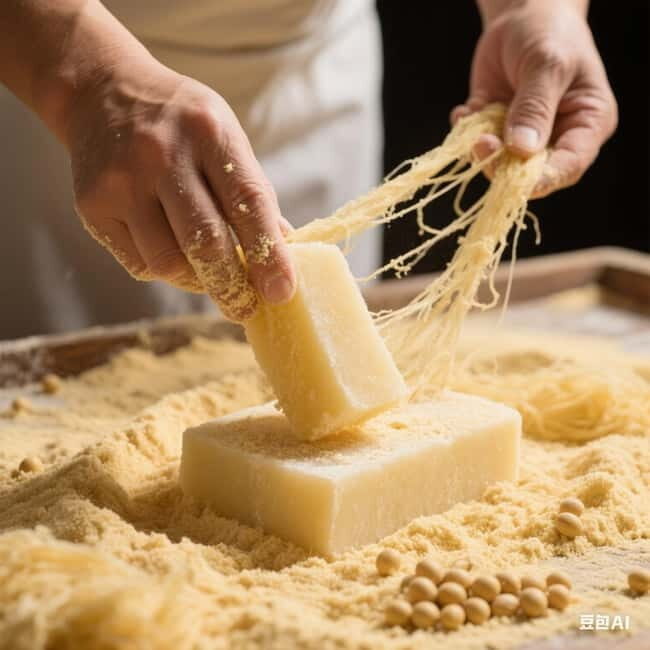
Here’s the flow you can expect, in the order you’ll feel it in real time.
First, you’ll watch a live demonstration of how molten sugar is turned into strands. The chef shows how the sugar behaves, and why technique matters more than brute strength. The goal is thin, elastic threads, not thick, stiff ropes.
Next comes your turn. Under guidance, you’ll stretch and fold the sugar dough over 10,000 times. Yes, that’s a big number—and that’s the whole point. The stretching builds the candy’s texture and the thread-like look.
What I find helpful is that this is taught as a sequence. You’re not trying to improvise. You’re learning a series of small actions that add up. If your first attempts are clumsy, that’s normal. You adjust as you go, using the chef’s corrections.
Also, expect the candy to be temperature-sensitive. That means you’re moving through the steps at the pace the chef sets, not at your own comfort pace. The upside: once you grasp the technique, the process clicks quickly, and your hands start to anticipate what the sugar needs.
The class ends with the satisfaction of seeing your threads form into something recognizable. Not perfect-salon-perfect? That’s okay. Handmade candy is the goal, and your work is part of the experience.
Wrapping the threads: peanuts, sesame, and coconut
After the sugar stretching, you’ll wrap the strands around a filling made from crushed peanuts, sesame, and coconut. This is where the workshop shifts from technique to flavor.
Why that mix works: peanuts bring a deep, nutty crunch; sesame adds a toasty, aromatic note; and coconut brings sweetness and texture balance. You’ll taste how the filling complements the sugar’s delicate, slightly chewy feel.
The wrapping step is also practical training. Thin strands can be tricky to handle, so getting comfortable with how to position, wrap, and manage stickiness is part of the learning. When it goes well, you get those characteristic strands wrapped into a neat bite.
If you like taking home edible souvenirs that don’t taste like a generic factory product, this is the moment that sells it. You’re not just learning a novelty. You’re making a candy with real bite and real flavor.
Chef Luc’s teaching style: clear English and real corrections
This workshop is led by a professionally trained pastry chef with experience spanning traditional Chinese pastry and classical French patisserie from Le Cordon Bleu. That combo isn’t just marketing. You can feel it in how the technique is explained: step-by-step, with attention to what the sugar should look like and how your hands should respond.
Luc, the instructor, is specifically noted for explaining the steps clearly in English and answering questions as you work. That matters when you’re doing something delicate. If you only catch half the instructions, molten sugar punishes you fast. The class is structured so you keep up.
I also like the tone. The workshop is described as kind and encouraging, so you’re not scared to try again. For many people, the hardest part of cooking classes is the fear of messing up. Here, the chef’s approach makes the learning process feel normal.
And because the instructor is Shanghai born and raised, the class can also include practical local guidance—like suggestions for things to do around the city. It’s a nice bonus if you want value beyond the food itself.



What you take home: candy, extra pastries, and a recipe
One of the most practical parts of this experience is what’s included beyond the stretching session.
You’ll leave with:
- your handmade dragon beard candy
- additional pastries to take home
- a recipe to recreate the candy at home
That last item is key for value. A lot of cooking classes teach a trick and send you away with a memory. Here, you get a written recipe so you can try again.
You can also opt into photos of your baking experience. Even if you’re not a photographer, having images helps you remember the exact stage you reached—useful if you try the recipe later and wonder how far the sugar should be stretched.
You’ll also get free drinking water during the class. Small, but smart, especially when you’re working with warm sugar and moving constantly.
And yes, you’ll probably want to eat the pastries early. That’s not a warning, it’s physics.
Price and value: why $38 can make sense here
At $38 per person for a 2-hour hands-on workshop, the price looks simple—until you break down what you’re actually paying for.
First, you’re paying for the chef’s technique and training, including the stated Le Cordon Bleu pastry background plus Chinese pastry know-how. Second, you’re paying for materials and equipment: the class includes high-end ingredients and baking equipment, so you’re not bringing supplies or guessing what tools you need.
Third, you’re paying for the fact that you actually do the work. You stretch, fold, wrap, and make something edible. That “hands-on time” is the expensive part of cooking instruction, and it’s the part that usually delivers the most satisfaction.
Finally, you’re taking home multiple items: your candy, extra pastries, and a recipe. That makes the cost feel less like a pure activity fee and more like paying for an edible takeaway plus a skill transfer.
If you’re the type who prefers one cooking class that’s genuinely different—rather than the same dumpling lesson you can find in many cities—this one has a clear identity. Dragon Beard Candy isn’t widely taught in standard food tours, so you’re paying for access to a specific craft.
Who should book this class in Shanghai
This workshop is a great fit if you:
- want a cultural, edible activity (not just a tasting)
- enjoy learning hands-on techniques with step-by-step coaching
- like food that’s connected to tradition, not just flavor trends
- want to take home something you actually made, plus a recipe
You might want to skip it if:
- you strongly dislike messy, sticky cooking
- you prefer short demonstrations over active participation
- you want a purely passive experience with no hands-on work
No matter what, this is one of those classes where showing up with a curious mindset helps. The technique is challenging, but the instruction is designed to make it learnable.
Quick tips so you enjoy the class more
These are the small things that can make a big difference in a sugar-stretching workshop:
- Expect sticky sugar. Plan to enjoy the process rather than fight it.
- Follow the chef’s timing. Molten sugar doesn’t wait for your schedule.
- Ask questions in English early if you’re unsure about any step. The chef is there to guide you.
- Save a little room for tasting. The class ends with sweets you’ll want to try right away, not pack immediately.
And if you’re worried about shoes or comfort, don’t stress too much. The class has a humorous note that you won’t get professional pastry chef shoes, but you’ll still be guided to work like a pro.
Should you book this Dragon Beard Candy workshop?
If you want one Shanghai activity that feels both unusual and genuinely skill-based, I’d book this. The combination of hands-on stretching, the specific peanut-sesame-coconut wrap, and the chef’s bilingual-in-the-class teaching style makes it more than a novelty stop. You get a cultural story, a real technique, and a takeaway you can share.
Book it especially if you’re someone who enjoys cooking classes and wants a challenge that’s different from the usual dumpling or noodle workshops. The $38 price feels reasonable because you’re paying for instruction, ingredients, and the fact you’ll leave with candy plus extra pastries and a recipe.
If you’re only interested in quick photo ops or you hate getting your hands sticky, then you’ll probably feel frustrated. But if you can roll with a hands-on sugar craft, this is exactly the kind of experience that makes a trip feel personal.
FAQ
How long is the Dragon Beard Candy making workshop?
The workshop runs for 2 hours.
Is the class hands-on or mostly a demonstration?
It’s hands-on. You’ll watch a live demonstration and then stretch and fold the sugar dough yourself, with step-by-step guidance.
What language is the instruction in?
The instructor teaches in English.
What is the meeting point in Shanghai?
You’ll meet at 4th floor, Makerhub.
What’s included in the price?
The experience includes a 2-hour Chinese pastry workshop, high-end ingredients and baking equipment, personalized instruction from the pastry chef, step-by-step guidance, extra pastries to take home, free drinking water, and a recipe to recreate the candy at home. Photos are optional.
Is it wheelchair accessible and can I cancel if needed?
The workshop is listed as wheelchair accessible. There is free cancellation up to 24 hours in advance for a full refund.