REVIEW · SHANGHAI
Shanghai: Private Tour of the Shanghai Museum
Book on GetYourGuide →Operated by Shanghai Guided Tours · Bookable on GetYourGuide
Bronze and jade make Chinese history feel personal. In this private 3-hour visit to the Shanghai Museum, I love how a local guide turns artifacts into real context, especially in the Bronze Gallery and Jade Gallery.
One practical catch: cameras are not allowed, so you’ll want to plan on absorbing the details and taking notes instead of shooting photos.
In This Review
- Quick hits before you go
- Shanghai Museum in 3 Hours: what the private format does for you
- Meeting at the East Wing: practical logistics that save time
- Bronze Gallery: Shang and Zhou ritual power in plain terms
- Ceramics Gallery: Ming and Qing porcelain, including blue-and-white
- Jade Gallery: the symbolism behind burial, beauty, and morality
- Other galleries on the day: how to get what you actually want
- Wrap-up and Q&A: making sure things click
- Value for $60: what you’re really paying for
- What to know before you go: ID, cameras, and your best mindset
- Should you book this Shanghai Museum private tour?
- FAQ
- How long is the Shanghai Museum private tour?
- Where do I meet my guide?
- Is entry to the Shanghai Museum included?
- Is hotel pickup included?
- What languages is the guide available in?
- Are cameras allowed during the tour?
- What ID do I need to bring?
- Are special exhibitions included in the price?
- Is the tour wheelchair accessible?
- Can I cancel for a full refund?
Quick hits before you go
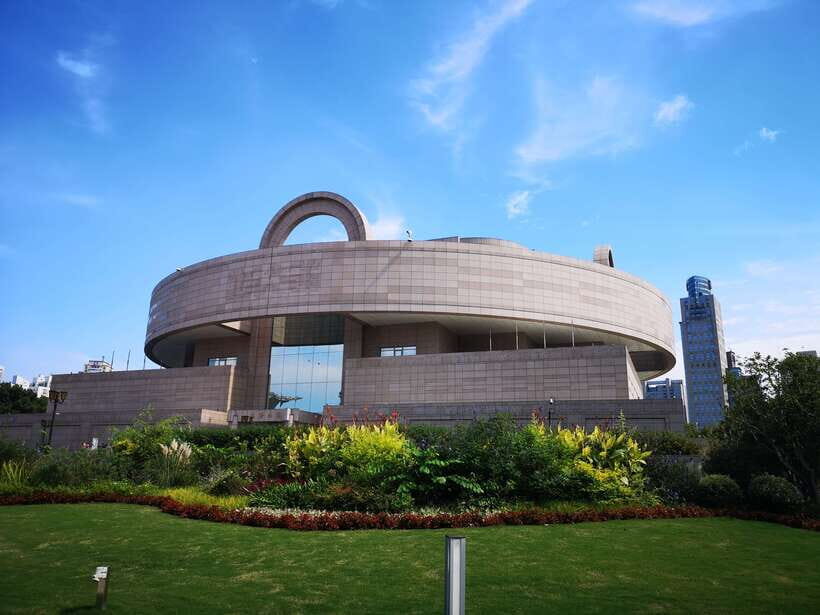
- Three galleries, one clear storyline: Shang and Zhou bronzes, Ming and Qing ceramics, then jade with its symbolic meaning.
- A guide who explains the why, not just the what: expect ritual use, carving techniques, and cultural symbolism.
- Ming and Qing porcelain highlights: especially the famous blue-and-white work and how styles evolve.
- Named-guide quality signals: guides like Vicky, Linda, Linda Chen, and Tom are repeatedly praised for clear explanations and patience.
- Entry is included: you pay for guide time plus museum access, not just a ticket.
Shanghai Museum in 3 Hours: what the private format does for you
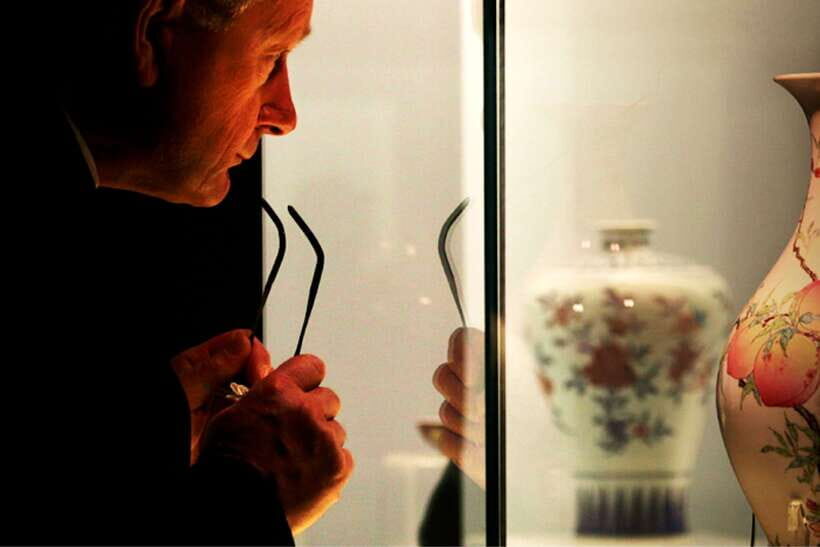
The Shanghai Museum can feel like a big, beautiful maze. This private tour is a smarter approach because it gives you a route with an actual purpose: help you understand what you’re seeing and why it matters. You’re not just looking at objects; you’re learning how they fit into Chinese civilization over time.
I like that the pace is structured into clear sections. You start with the early power of bronze, then shift to porcelain craft, and finish with jade’s cultural role. That sequencing helps your brain connect materials to the society that made them.
And because it’s private, you can ask questions as you go. In particular, several guides are known for handling questions smoothly and patiently, including Vicky and Linda Chen. That matters in a museum where labels can be short and dates can blur together fast.
If you’re the kind of person who wants a museum visit to feel like an organized conversation, this format suits you. If you love wandering without structure, you may find the route a bit guiding—but that’s the trade for getting meaning out of 3 hours.
You can also read our reviews of more private tours in Shanghai



Meeting at the East Wing: practical logistics that save time
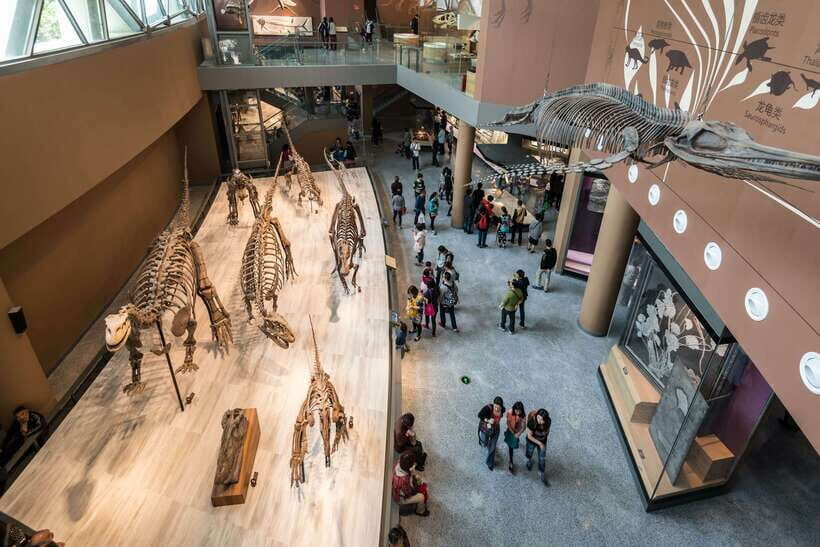
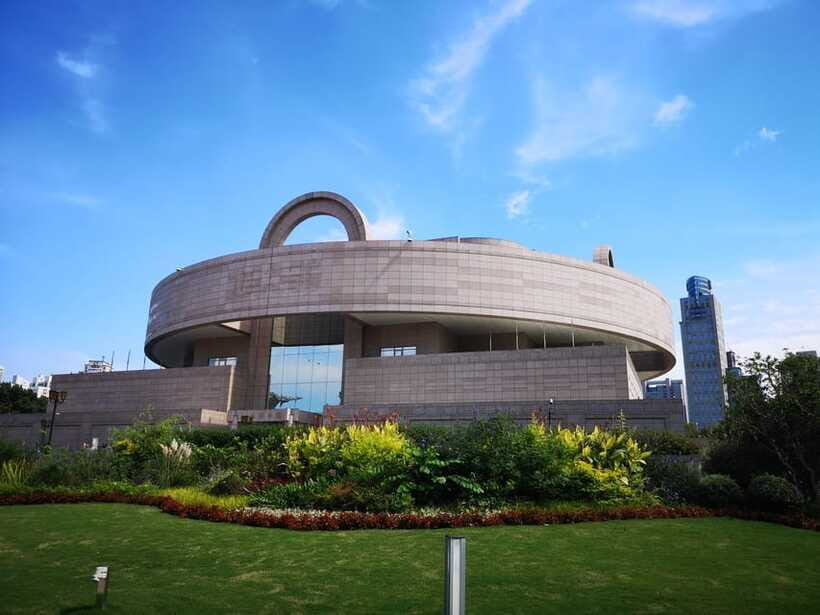
You meet at the Entrance of the Shanghai Museum East Wing, and your guide holds a sign with your name. That sounds small, but it’s a real help in a busy museum environment, especially when you arrive a little early or the signage is confusing.
The tour includes museum entry and the guide, but it does not include hotel pickup. So you’ll want to build in time to get to the East Wing on your own. Also, drinks aren’t included, so plan to handle water separately if you’re the sort who gets thirsty while walking and reading.
Your guide leads the tour in Chinese or English. If you’re planning around language comfort, this is a big plus because you won’t be relying only on the museum text.
Two more “check this before you go” points: you’ll need passport or an ID card, and cameras are not allowed. If you were counting on photos for later, shift your strategy to notes. A notebook or phone notes app can do the job for what cameras won’t.
Bronze Gallery: Shang and Zhou ritual power in plain terms
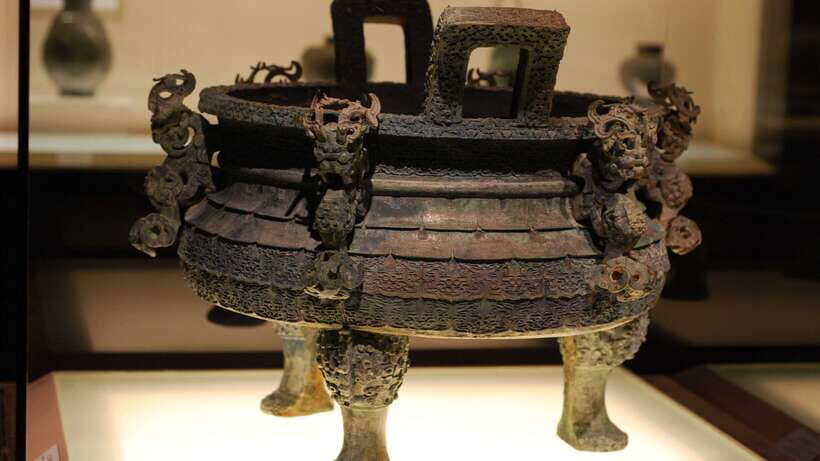
The tour starts in the Bronze Gallery with artifacts from the Shang (1600–1046 BC) and Zhou (1046–256 BC) dynasties. Bronze isn’t just pretty metal here. Your guide explains why it mattered: bronzes were tied to rituals, social rank, and political structures.
You’ll get a guided look at major categories like ritual vessels and weapons. That combination is useful because it shows you bronze as both ceremonial and practical. In other words, you’re seeing how the same material could signal authority in a ritual setting and also connect to warfare and power.
One thing I appreciate about this section is the way bronze casting techniques are explained. A guide’s job isn’t to turn you into a metalworking student, but it helps to know how these objects were made and why that skill would have been rare and respected.
The drawback to keep in mind: bronze halls are often the kind of place where details can be dense. If you’re easily overwhelmed by lots of small text, lean into your guide. The value here is interpretation—turning display information into a story you can remember.
If your guide is someone like Vicky (a name that comes up for standout ceramics explanations) you may notice a strong emphasis on how materials reflect society. Linda and Linda Chen are also frequently praised for turning museum facts into engaging background stories, which fits especially well in this first gallery where the context really sets your expectations.
Ceramics Gallery: Ming and Qing porcelain, including blue-and-white
Next comes the Ceramics Gallery, where you’ll focus on porcelain across dynasties, with attention on the Ming and Qing periods. Porcelain can feel endless if you treat it like a checklist. A guide fixes that by pointing out what changes over time and what those changes tell you about taste, technology, and cultural influence.
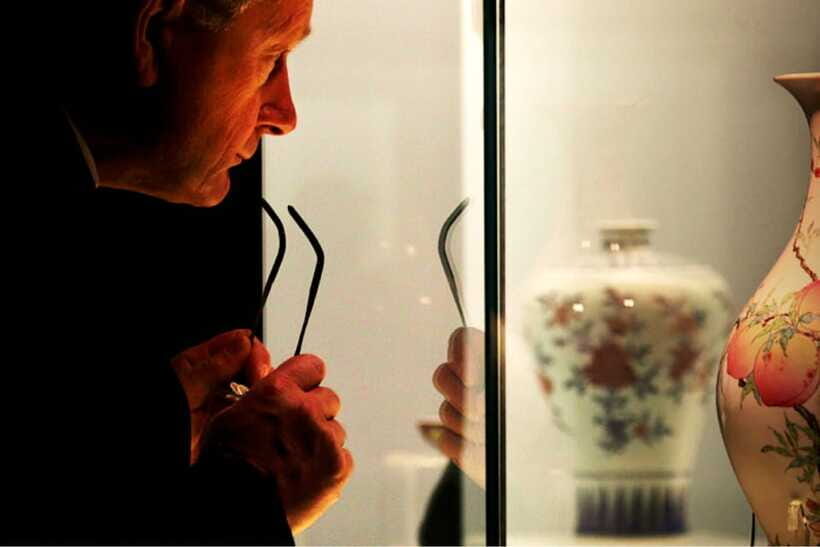
This is where the tour’s “look closer” energy kicks in. Your guide walks you through how ceramic art evolved, including styles and influences. And yes, you should make time to examine blue-and-white porcelain, since it’s singled out as a famous and important category.
What I like about this stop is that it’s craft plus culture. You’re not only admiring decoration; you’re learning how artistic choices connect to the era that produced them. That helps the porcelain feel less like isolated art objects and more like a living product of its time.
A small consideration: if you’re mainly interested in ancient bronzes and jade, porcelain can feel like the middle act. But for most people, this gallery is the easiest to relate to visually. The patterns and designs can be instantly graspable, even while you’re still learning the background.
Jade Gallery: the symbolism behind burial, beauty, and morality
Then you move to the Jade Gallery, with artifacts that date back thousands of years. Jade in Chinese culture isn’t “just jewelry.” Your guide explains its cultural significance and how it appears in different roles—especially as part of burial objects and as ornaments.
This section gets interesting fast because jade is tied to symbolism. Your guide highlights how jade represented ideas like purity and moral integrity. That’s a key difference from western habits of viewing jade mainly as a gemstone. Here, the stone functions as meaning.
You’ll also learn about the carving techniques used to shape jade. Even without seeing every technical step, it helps to understand why jade is challenging—so the craftsmanship stops being abstract.
If you’re worried about this ending up as too spiritual or too poetic, don’t. The tour keeps it practical by pairing symbolism with the physical reality of carving and form. It’s one of the reasons jade galleries tend to stick in your memory after the visit.
And it’s also a great closing point. You start with bronzes that connect to ritual and power, move to ceramics that show artistic and technological evolution, and finish with jade, where symbolism becomes the main thread.
You can also read our reviews of more museum experiences in Shanghai



Other galleries on the day: how to get what you actually want
After jade, your guide introduces you to other galleries available on the day. That flexibility can be a benefit because it lets your tour stay relevant to what’s showing at that time and what you want most.
If you’re the type who likes to tailor your visit, use this moment. Ask what’s best for your interests. Do you want more ancient objects, more art-focused pieces, or more context about how styles changed?
Your guide’s skill matters here. One of the most praised elements across guides is their ability to provide a clear overview and adjust based on what questions you bring. That’s valuable because museum “overview time” can go two ways: either you get a quick sprint, or you get meaningful guidance.
If cameras are off the table, you’ll likely enjoy these extra galleries even more when the guide helps you focus. You’ll learn what to look for, and you won’t just scan cases at random.
Wrap-up and Q&A: making sure things click
The tour ends with a wrap-up and Q&A. This is genuinely useful, because it gives you a chance to clarify what you saw while it’s still fresh in your mind.
Your guide can also share information about further areas to explore in the museum, plus any resources or special exhibitions you might want next. The key detail to remember: special exhibition entry is not included in this tour. So if something catches your eye during the Q&A, you may need an extra ticket depending on what it is.
This Q&A stage is where the best guides shine. People consistently praise guides for being patient, answering questions, and staying engaged throughout the visit. That matters because museums often leave you with “wait, what does that symbolize?” questions that you’d otherwise carry around for months.
Value for $60: what you’re really paying for
At $60 per person for 3 hours, you’re paying for two things: entry plus a guided interpretation of major galleries. You’re not paying for transportation (hotel pickup isn’t included), and you’re not paying for drinks or special exhibition entry.
So when is it good value? It’s a strong deal if:
- You want context and explanations, not only museum labels
- You care about the “why” behind bronzes, ceramics, and jade
- You prefer a planned route through big, sometimes overwhelming museum spaces
It may be less of a fit if you’re happy to read everything yourself and you don’t mind figuring out what order makes sense. A museum day is cheaper on paper if you go solo. But you lose the shortcut to understanding, especially for objects like ritual vessels and jade symbolism where a local explanation helps a lot.
This is also where the guide’s quality affects the math. Guides like Tom, Linda, and Linda Chen are praised for thoroughness and entertainment value, and that directly impacts whether the tour feels like a worthwhile investment in your time.
What to know before you go: ID, cameras, and your best mindset
Plan on bringing passport or an ID card. Also, be ready for the rule that cameras are not allowed. That changes your experience in a helpful way: you slow down and look more carefully, because you can’t rely on a photo later.
If you want to make the most of the no-camera approach, bring a small notebook and jot down what you find most interesting in each gallery: names of dynasties, the type of object, or a symbolism point your guide mentions. You’ll thank yourself later when you’re trying to remember which piece caught your attention.
Timing matters too. The tour is 3 hours, so you’ll be focused on the highest-priority collections rather than trying to see everything. That’s the point. You’re buying understanding, not exhaust-the-museum bragging rights.
And since it’s reserve now, pay later, you can keep flexibility if your Shanghai schedule might shift. Free cancellation up to 24 hours in advance is also comforting if weather or timing changes.
Should you book this Shanghai Museum private tour?
Book it if you want a museum visit that feels organized, explained, and efficient. This tour is built around three big pillars—bronze, ceramics, and jade—and the value is the way a guide connects artifacts to ritual, craft evolution, and symbolism.
Skip it or consider a different approach if:
- You absolutely want to take photos inside the museum
- You’re mostly interested in only one material (and nothing else)
- You prefer total freedom and self-guided wandering with no set structure
If you do book, I’d choose it for the same reason I’d choose a great map in a big city. It saves mental energy. And in a museum with serious artifacts and long timelines, that energy is what lets you actually enjoy what you’re seeing.
FAQ
How long is the Shanghai Museum private tour?
The tour lasts 3 hours.
Where do I meet my guide?
Meet at the Entrance of the Shanghai Museum East Wing. Your guide will hold a sign with your name.
Is entry to the Shanghai Museum included?
Yes. Entry to the Shanghai Museum is included along with your guide.
Is hotel pickup included?
No. Hotel pickup is not included.
What languages is the guide available in?
The live guide is available in Chinese and English.
Are cameras allowed during the tour?
No. Cameras are not allowed.
What ID do I need to bring?
Bring your passport or ID card.
Are special exhibitions included in the price?
No. Special exhibition entry is not included.
Is the tour wheelchair accessible?
Yes. The tour is listed as wheelchair accessible.
Can I cancel for a full refund?
Yes. You can cancel up to 24 hours in advance for a full refund.