REVIEW · SHANGHAI
Shanghai: Xintiandi, CCP Museum and French Concession Tour
Book on GetYourGuide →Operated by Shanghai Guided Tours · Bookable on GetYourGuide
Shanghai can feel like it has too many layers. This tour picks a smart route through the city’s past, starting in Tianzifang and ending at Xintiandi where the CCP was formed. I love how the walk connects street-level Shanghai (shops, villas, everyday courtyards) to the big political story of CCP history. I also love the way the guide keeps it clear and conversational, with fluent English and room for questions. One consideration: it’s a 3-hour walking tour, so comfortable shoes matter more than you’d think.
The Former French Concession piece is the real hook. You get architecture and courtrooms, not just dates. You also get a guide who can explain why places like the Sinan Mansions and French-style political buildings matter, not only what they are. The pace is relaxed enough to take photos, but you’ll still be on your feet for most of the experience.
If you want Shanghai history that feels grounded in real neighborhoods, this one delivers. It’s especially good for first-timers who don’t want to sort out directions or storylines on their own.
In This Review
- Key highlights you’ll actually feel on this tour
- Tianzifang to Xintiandi: one tight route through Shanghai’s big story
- Meeting at Tianzifang’s entrance 3: where the creative shops help you get oriented
- Former French Concession walking: the architecture sets up the politics
- Shanghai Associated House Common Pleas: foreign-run courts in Shanghai
- Sinan Mansions: Western villas built under restrictions
- Zhou Enlai’s former residence: a French-style building with Communist Party roots
- Sun Yat-sen’s former residence: what’s still left after the years
- Xintiandi: where the CCP was formed and the first National Congress site
- Price and logistics: is $60 for 3 hours worth it?
- Who this tour is best for (and who might want a different plan)
- Should you book this Shanghai Xintiandi and French Concession Tour?
- FAQ
- Where does the tour meet?
- How long is the tour?
- Is the tour private?
- What languages are the guides?
- Are hotel pickups included?
- What’s included in the price?
- What should I bring?
- What does the tour cover?
- What’s not included?
Key highlights you’ll actually feel on this tour
- Tianzifang first: creative streets set an easy mood before heavier history
- Former French Concession court lore: the Shanghai Associated House Common Pleas and its foreign-run justice
- Sinan Mansions: a rare look at the era when Western villas were restricted to certain areas
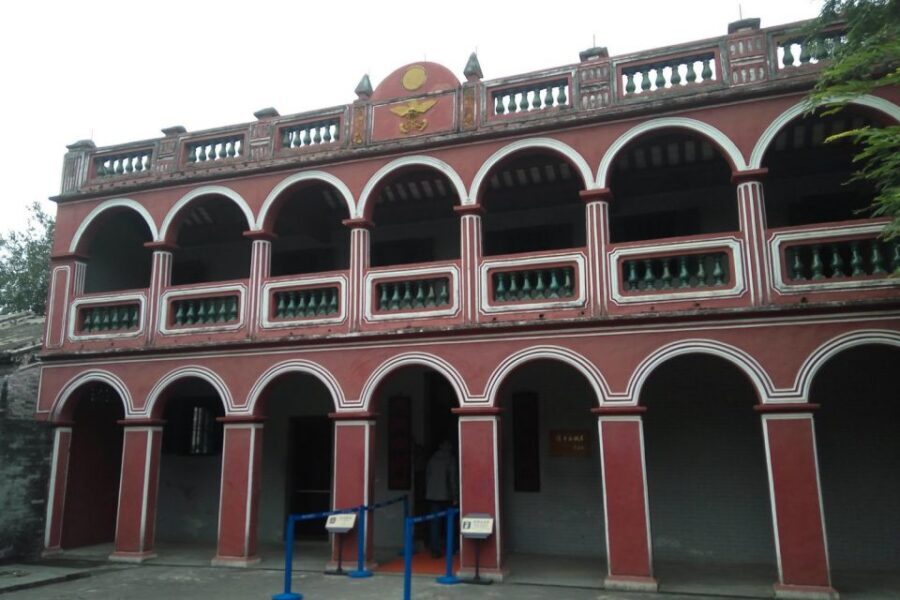
- Zhou Enlai’s residence: a French-style home tied to Communist Party operations in Shanghai
- Sun Yat-sen’s former residence: key revolutionary influence with many elements still in place
- Xintiandi + early CCP sites: where the CCP formed and the setting of the first National Congress
Tianzifang to Xintiandi: one tight route through Shanghai’s big story
This tour is built like a story arc. You start in a pocket of Shanghai that feels artsy and lived-in, then gradually move toward the political architecture and revolutionary milestones that shaped modern China. That structure helps you remember things. Instead of collecting facts, you connect them to locations you can picture.
The walking route also matters. Shanghai history can turn abstract fast, especially when you’re reading signs while moving. Here, you get a professional English-speaking guide who turns the blocks and building entrances into context you can actually use.
And because it’s small group (limited to 10), you’re not just listening from the back row. It’s realistic to ask questions and get answers in a direct, friendly way. This is one of the reasons guides like Tom and Roy earn such strong praise for fluency and clarity.
You can also read our reviews of more museum experiences in Shanghai


Meeting at Tianzifang’s entrance 3: where the creative shops help you get oriented
You meet in front of Tianzifang station, entrance 3. If you arrive early, you’ll have time to get your bearings before the group comes together. The local address is 泰康路248弄田子坊3号门.
Tianzifang is a good first stop. It’s a cozy, creative area full of small businesses, and your guide uses it like a warm-up. You start noticing how Shanghai neighborhoods feel up close: narrow lanes, shopfronts, and the sense that people actually live and work here, not just pass through.
Practical tip: you’ll do better if you’re ready to walk and look up. Architectural details matter later on, so get into that habit early.
Former French Concession walking: the architecture sets up the politics
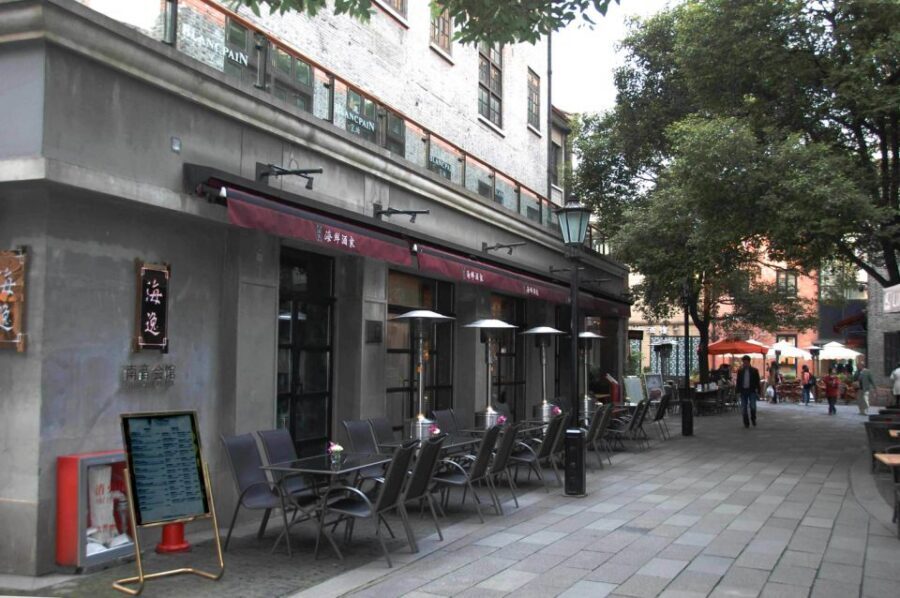
Once you leave Tianzifang, the scenery shifts. You move into the Former French Concession, an area known for Western-influenced city planning and buildings. Your guide doesn’t treat it like a museum hallway. Instead, they connect what you see—courts, villas, and institutional buildings—to the foreign presence that shaped Shanghai’s development.
This is where the tour turns from “nice neighborhood” into “why this city looks like it does.” You’ll start seeing how design and power overlap: who built what, who had access, and how institutions operated in a foreign-run environment.
It’s also where you may hear a lot of compelling explanation in plain language. In past tour experiences with this guide team, people highlighted how Tom and Roy could explain the history of Shanghai and especially the French Concession in depth, without making it feel like a lecture.
Shanghai Associated House Common Pleas: foreign-run courts in Shanghai
One of the stops is the Shanghai Associated House Common Pleas, a key landmark tied to how legal matters were handled in that era. Your guide walks you through what the building represents and why it’s historically important.
You’ll hear the story of how the UK, US, and France ran their courts in Shanghai. That’s the kind of detail that can sound dry until a guide gives it meaning. Then suddenly you’re picturing officials, legal disputes, and the logic of “extraterritorial” power—things that strongly influenced daily life for certain groups and shaped how foreigners interacted with Shanghai.
What to do with this stop: don’t just look at the building facade. Listen for the contrast your guide draws between Shanghai as a homegrown city versus Shanghai as an international hub where foreign systems operated side-by-side.
Sinan Mansions: Western villas built under restrictions
After the court stop, you’ll head toward Sinan Mansions. This area is especially interesting because of a specific rule: it was a place where only Western villas were allowed to be built. That’s a powerful reminder that the city wasn’t just “international”—it was organized by access and permission.
As you walk the area, keep an eye out for how the neighborhood layout supports that story. The buildings are more than pretty architecture. They’re physical evidence of a time when city space was managed according to foreign status.
This stop also gives you a bridge to the next part of the tour: revolutionary history tied to buildings that look French but served Chinese political purposes later. That contrast is a theme here, and it’s one of the tour’s most memorable strengths.





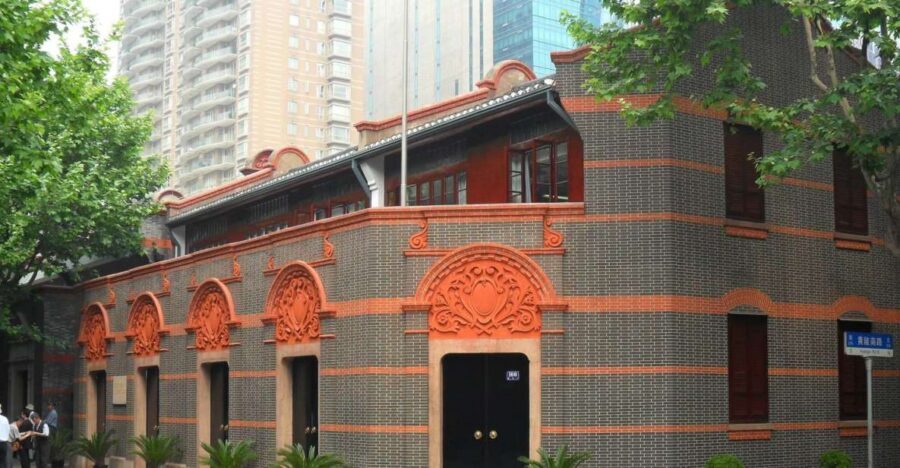
Zhou Enlai’s former residence: a French-style building with Communist Party roots
Next comes a highlight with both architectural charm and political weight: the former residence of Zhou Enlai, set in a beautiful French-style building. Your guide connects the building to its use as the Shanghai Office of the Delegates of the Communist Party of China.
This is the point where the tour stops being only about the foreign concession era. It becomes about how power networks formed and operated in Shanghai—how revolutionary leadership used real buildings, real addresses, and real logistics.
A good guide helps you understand why this matters. Not just who lived here, but how a place like this fits into the broader move from organizing to action. If you’ve ever wondered how political movements go from meetings to control, this stop makes that feel more tangible.
Practical note: you’ll likely spend time listening at key points, not just walking. So keep your phone charged and your questions ready.
Sun Yat-sen’s former residence: what’s still left after the years
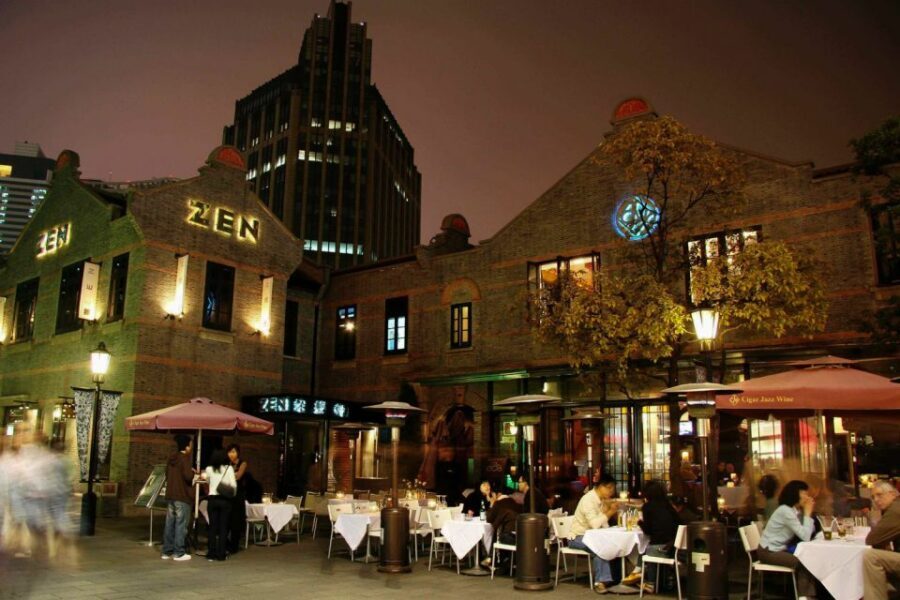
Then you’ll visit Dr. Sun Yat-sen’s former residence. Your tour focuses on what remains—your guide notes that many elements are left largely untouched—so you can see the environment rather than just the story.
This stop is important because it adds another layer to the revolutionary arc. Your guide explains how Sun Yat-sen influenced the revolution in China and why he’s still a well-known figure in Chinese society.
If you’re worried this will turn into a name-and-date checklist, don’t be. The value here is the location-based context. A former home helps you understand the human scale of history: this wasn’t an abstract ideology floating in textbooks. It was tied to specific spaces where people lived, worked, and connected.
Xintiandi: where the CCP was formed and the first National Congress site
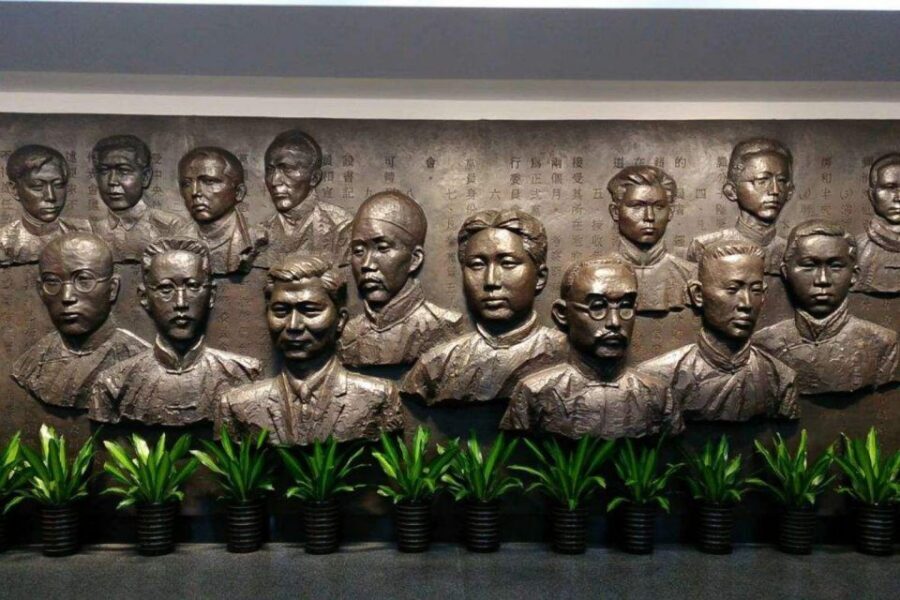
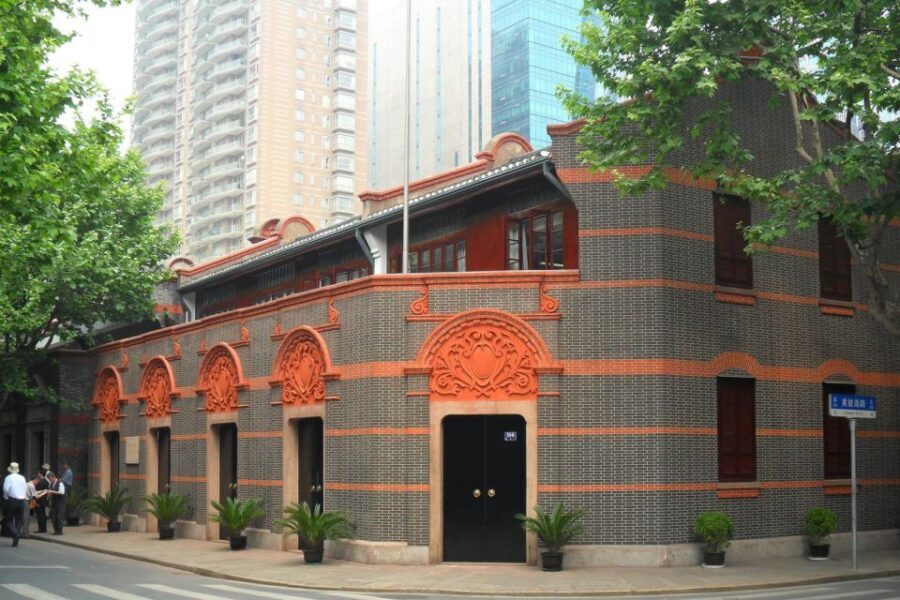
Finally, you arrive at Xintiandi, the tour’s closing moment with clear political significance. This is where your guide takes you to the site of the CCP’s formation and the setting of the first National Congress of the CCP.
This part matters because it pins the story to a place you can recognize easily later, even after the tour ends. You’re not just told that the CCP formed. You’re shown the setting and explained its meaning.
Also, Xintiandi today isn’t only a historical site. Your guide typically wraps up with practical recommendations for nearby food and bars in the area. It’s a nice transition: history first, then a chance to recharge.
Tip for your final minutes: ask your guide what they’d do next if they had one hour. Even a quick answer can steer you toward a better meal or drink spot than random browsing.
Price and logistics: is $60 for 3 hours worth it?
At $60 per person for a 3-hour small-group tour, the value comes from two things you can feel right away:
First: the guide time. You’re getting a professional English-speaking guide for multiple stops that would be hard to connect on your own, especially when the story involves both foreign court systems and later Communist Party use of specific buildings.
Second: the focus. This isn’t a “see famous spots and move on” route. Your guide actively explains why buildings and neighborhoods matter—courts run by the UK, US, and France; restrictions on where villas could be built; French-style architecture tied to revolutionary offices. That kind of interpretation is what you’re paying for.
What to watch for: this tour is walking-heavy enough that your experience will depend on comfort level. If you have knee issues, plan accordingly and consider shorter independent exploring on other days. If you love history but hate slow museum pacing, you’ll probably like the balance here.
Also: the tour includes hotel pickup if you select that option, and it ends with no drop-off. For many visitors, that’s fine—Xintiandi is easy to keep exploring after.
Before you go, bring:
- Passport or ID card
- Comfortable shoes
- Face mask or protective covering
Who this tour is best for (and who might want a different plan)
This tour is a great fit if you:
- Want a first-timer-friendly way to connect Shanghai neighborhoods to major political history
- Like walking tours where you can ask questions instead of listening to a fixed script
- Appreciate architecture and “why this area looks this way” explanations
- Want strong English interpretation (guides like Tom and Roy are noted for fluency and responsiveness)
It may be less ideal if you:
- Hate walking or need lots of sitting breaks
- Only want a museum-style visit with minimal street time
- Prefer a purely chronological timeline with no neighborhood storytelling
Should you book this Shanghai Xintiandi and French Concession Tour?
Yes, you should book it if you want a tight 3-hour route that makes Shanghai’s layers understandable. The tour’s strength is the way it links places you can actually stand in—Tianzifang lanes, French Concession legal sites, Sinan Mansions, Zhou Enlai’s residence, Sun Yat-sen’s home, and ending at Xintiandi’s CCP story.
You’re paying for fluent guidance and story clarity, not just entrances. And since the group stays small, you can get answers that match your interests instead of feeling stuck with whatever question someone else asked.
If you want history that feels connected to the street, this is a strong choice.
FAQ
Where does the tour meet?
You meet in front of Tianzifang station entrance number 3 (田子坊3号门). The guide will be holding a GetYourGuide logo. The local address is 泰康路248弄田子坊3号门.
How long is the tour?
The tour lasts 3 hours.
Is the tour private?
It’s described as a small group tour, limited to 10 participants.
What languages are the guides?
The tour offers live guiding in Chinese and English.
Are hotel pickups included?
Hotel pickup is included if you select that option.
What’s included in the price?
Included are a professional English-speaking guide and hotel pickup if selected.
What should I bring?
Bring a passport or ID card, comfortable shoes, and a face mask or protective covering.
What does the tour cover?
You’ll see Tianzifang, the Former French Concession, the Shanghai Associated House Common Pleas, Sinan Mansions, Zhou Enlai’s former residence, Dr. Sun Yat-sen’s former residence, and end at Xintiandi to learn about the CCP formation and the first National Congress site.
What’s not included?
The tour does not include food and drinks, and it does not include hotel drop-off.