REVIEW · SHANGHAI
Shanghai: Wild Animal Park Ticket
Book on GetYourGuide →Operated by PANDA144 experience · Bookable on GetYourGuide
Pandas, plus a true safari drive. Shanghai Wild Animal Park is a great one-day pick when you want up-close wildlife without the chaos of a big city zoo. Two things I really like: the self-drive safari setup (you get a safe, guided way to see free-roaming animals) and the chance to spot giant pandas in the same park as giraffes and white tigers. One thing to think about first: this isn’t a fit for everyone—people with animal allergies, and some mobility situations, need to skip it.
The park is built for a full day of sightseeing and shows, plus a few extras you can add if you want. Just plan on checking show and interaction times, because the best moments happen at specific hours.
In This Review
- Key things to know before you go
- A one-day park that mixes safari driving with zoo wandering
- Price and value: what the $40 ticket actually buys
- Getting into the park: plan for the right start time and smoother entry
- Safari zone day: self-drive access plus a bus tour
- Zoo time: 200+ species and the panda factor
- Animal shows and conservation education that doesn’t feel like filler
- Interactive extras: feeding, camel rides, and where extra costs can appear
- What to pack and what to leave at home
- Who this park suits best (and who should skip it)
- Practical tips to make your day feel smooth
- Should you book Shanghai Wild Animal Park?
- FAQ
- What does the ticket include for Shanghai Wild Animal Park?
- How long is the Shanghai Wild Animal Park ticket valid?
- What is the price per person?
- Do I need to bring my passport?
- Are meals included?
- Are feeding or camel rides included in the ticket?
- Is the park suitable for wheelchair users?
- Are tickets refundable?
Key things to know before you go
- Self-drive safari access lets you explore the park’s safari zone at your own pace
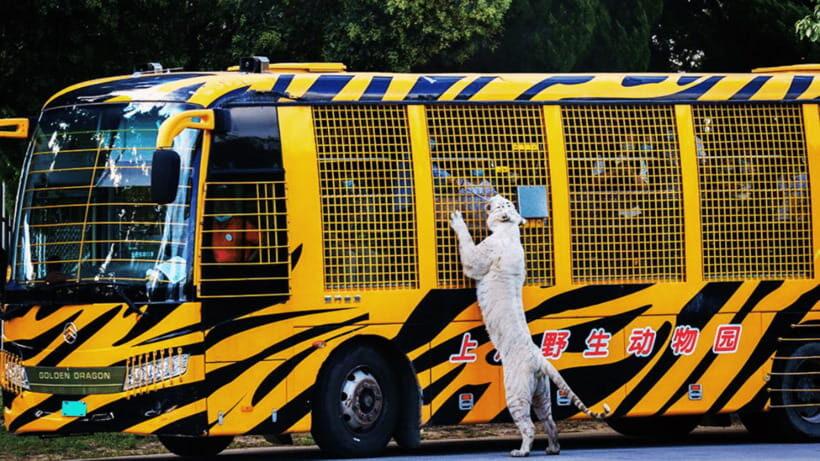
- Bus tour through the safari area gives you another way to see animals safely
- Over 200 rare and endangered species include pandas, giraffes, and white tigers
- Animal shows and conservation education explain what wildlife protection looks like in practice
- Hands-on activities like feeding and camel rides may cost extra beyond the main ticket
- You need passport details for booking, and you should keep an eye on rules about belongings
A one-day park that mixes safari driving with zoo wandering
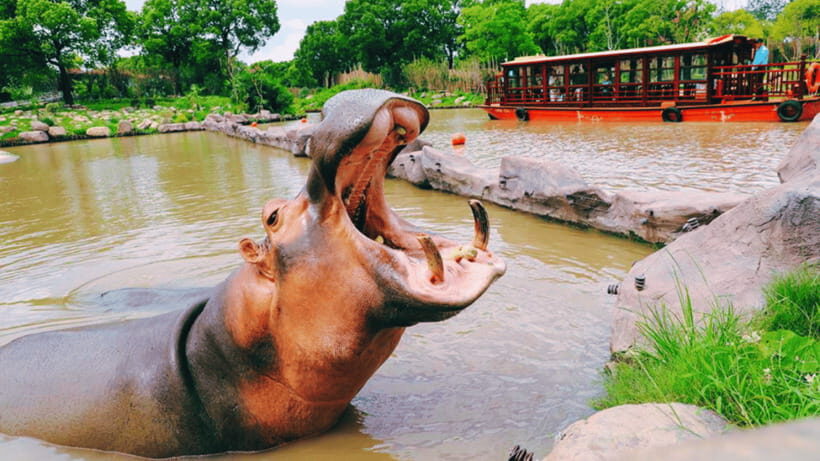
If you’re trying to do Shanghai without turning your whole day into logistics, this park is a smart choice. The ticket is priced for a full day of animal time, and the experience is split into two very different vibes: first, the safari zone (free-roaming animals viewed from the safari area), then the classic zoo-style layout with lots of species to browse.
What makes it more than a basic zoo day is the blend. You’re not only walking past enclosures—you’re also using the park’s self-drive safari area and included safari viewing by bus. That combination helps you see more without feeling like you’re repeating the same kind of animal encounter over and over.
And yes, pandas are part of the main draw here. If you can’t swing a trip to Chengdu, this is one of those places where the “panda plan” can still work. I also like that you get variety beyond pandas: the park highlights animals like giraffes and white tigers alongside other rare and endangered species.
A few more Shanghai tours and experiences worth a look


Price and value: what the $40 ticket actually buys
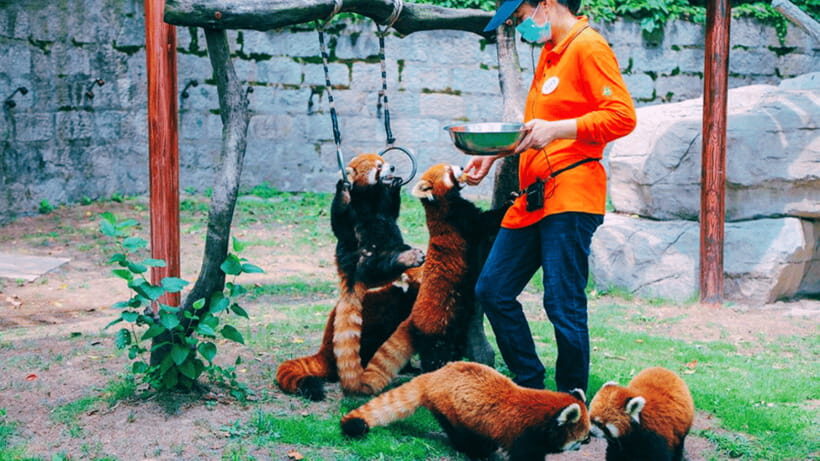
At about $40 per person for a 1-day ticket, this is best understood as a bundle deal. Your ticket covers:
- admission to the zoo
- access to the self-drive safari area
- a bus tour through the safari area
- animal shows
What isn’t included is also clear, and that matters for budgeting. Meals and drinks aren’t included, and souvenirs are on you. Also, interactive activities like feeding and camel rides may be available as paid add-ons. The key value move is that you can keep the day mostly “included-ticket” and still feel like you did a lot—then add extras only if you really want them.
If you’re traveling on a tighter schedule, the structure helps. You’re not picking just one exhibit—you’re getting multiple modes of animal viewing plus shows, which usually means a better use of your time than paying for only one segment.
Getting into the park: plan for the right start time and smoother entry

Your ticket is valid for 1 day, and the park uses starting times, so it helps to know when you’ll enter rather than just showing up whenever. The booking also includes skip-the-ticket-line, which is a real quality-of-life upgrade. In a park setting, waiting at entry can quietly eat half your energy.
One important detail: you’ll need to send your full name exactly as it appears on your passport plus your passport number to complete the booking. If that info isn’t provided in time, your booking can be canceled and a cancellation fee may apply. Before you commit, double-check that the name matches your passport—especially with spelling and middle names.
What to bring is simple and practical:
- passport
- camera
- sunscreen
Security rules are also straightforward: no weapons or sharp objects, and no smoking or explosive substances. Keep that in mind if you’re traveling with anything that might be flagged at screening.
Also plan to keep an eye on your belongings. The park doesn’t provide storage services, so don’t toss your phone, bag, or camera into “some random corner” and hope it stays safe.
Safari zone day: self-drive access plus a bus tour
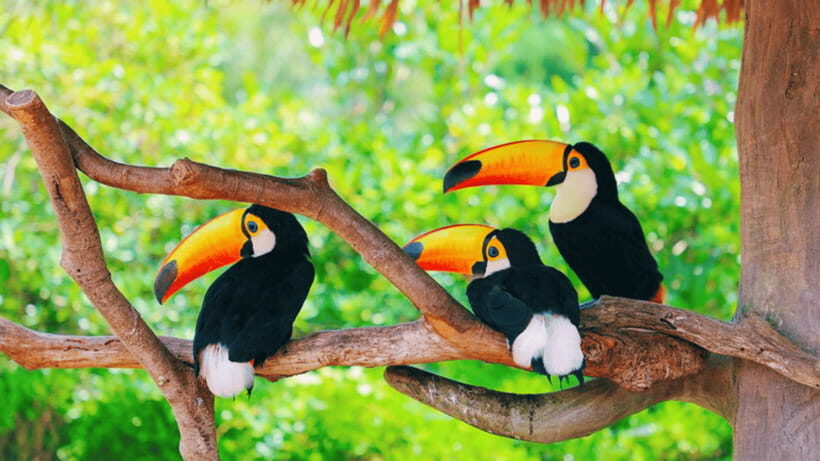
This is the heart of the experience. The safari area is designed for viewing free-roaming wildlife in a safe setting, with staff rules to follow. Your included access gives you two ways to experience it:
1) the self-drive safari area
2) a bus tour through the safari area
That’s useful because a self-drive route can be more flexible—stop when you’re ready, slow down when you spot something interesting. The bus tour, on the other hand, tends to be a more guided way to cover the area without constantly thinking about driving or timing.
Either way, the rule is consistent: follow park safety regulations and staff instructions, and don’t approach animals or try to feed wildlife. It’s tempting to get close for photos, but the park clearly expects you to keep distance. If you want better photos, choose safer angles and use a zoom lens or your camera settings rather than crossing boundaries.
One more practical note: the park has animal golf carts available for getting around (at least on some visits). If you want to reduce walking time, this could help you move between the safari area and zoo sections with less fatigue.
Zoo time: 200+ species and the panda factor
After the safari portion, you’ll shift into the zoo grounds. This is where the “species count” becomes real: the park is home to over 200 rare and endangered species from around the world.
The animal highlights are not subtle here. The park specifically points to:
- giant pandas
- giraffes
- white tigers
And for many people, the panda moment is the emotional payoff. If you’re traveling with kids, pandas are usually the easiest win. If you’re an adult, pandas still do the job. They’re memorable even when you’ve seen them in pictures your whole life, because seeing them in person changes the scale and behavior—you notice their movement and habits more.
A practical tip: if your goal is to see the big-ticket animals and still have energy for shows, build your day around animal clusters. You can easily end up crisscrossing if you browse randomly, so I’d keep a rough plan in your head: safari first (when animals may be active), then pandas and other headline species, then performances.
One helpful timing hint from real-world experience: you can sometimes see a lot in a half-day pace if you move with purpose. The official format is a full-day ticket, though, so if you want slower browsing and photo time, you’ll still fit it comfortably.






Animal shows and conservation education that doesn’t feel like filler
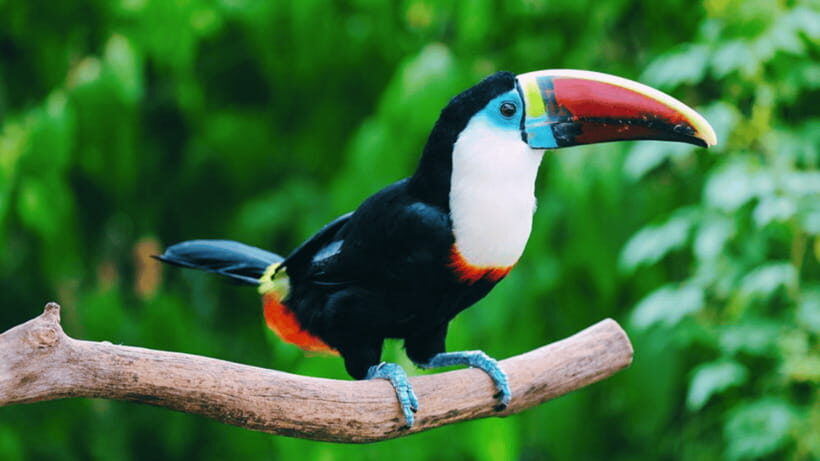
A big part of making this park feel like more than “look at cages” is the show program. Your ticket includes animal shows, and the park also connects the day to conservation education through interactive displays.
This matters because it gives your visit a reason beyond sightseeing. Instead of just spotting animals, you learn how wildlife protection is framed and why endangered species need attention. The park’s message is consistent with what you’d expect from a national wild animal park: learn the stakes, then see the animals.
When you go, treat shows like scheduled landmarks. Check show and interaction times so you don’t miss the moments you care about most. A common way to waste a day in parks is being “always almost there” for the start of something—then you blink and it’s gone.
Interactive extras: feeding, camel rides, and where extra costs can appear
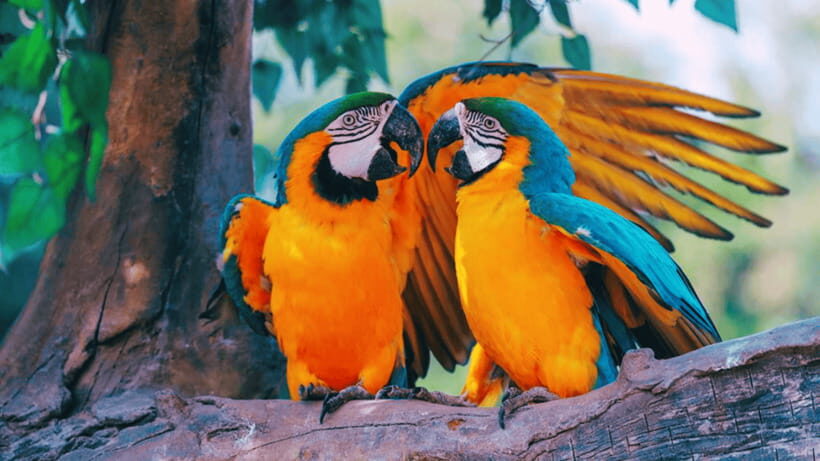
The park offers interactive activities like feeding and camel rides. However, your ticket isn’t a blank check. The main ticket includes animal shows, zoo admission, and safari access—but additional paid interactive experiences aren’t included.
So how do you decide? I’d think in two buckets:
- If you care mostly about animal viewing and shows, you can keep your day simple with included items.
- If you want hands-on moments, you’ll likely pay extra for some activities—like feeding wildlife or riding.
This is also where your own comfort level matters. Even if an activity is offered, the park still expects rules to be followed, and you should avoid pushing boundaries for closer contact. The best interactive experience is the one where everyone stays safe and you actually enjoy the animals rather than worrying about rules.
What to pack and what to leave at home
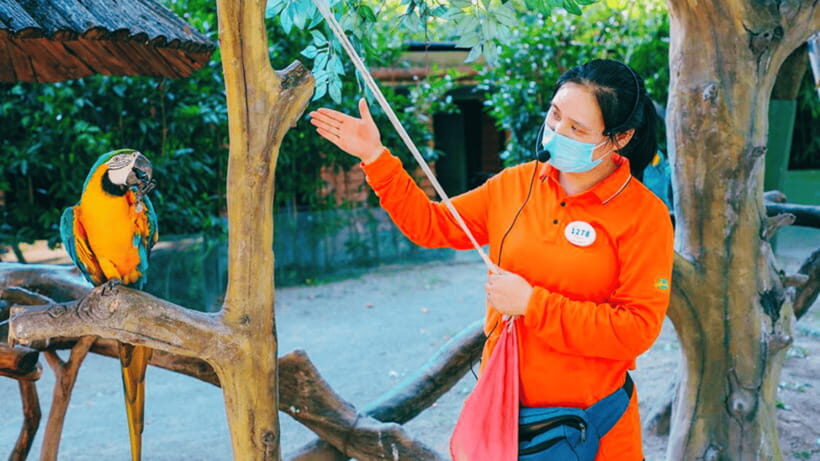
This visit is easy to prep for, and that’s good news when you’re traveling. Here’s a tight packing list based on park requirements and practical use:
- Passport (booking and entry require passport details)
- Camera (expect to photograph from safari viewing points)
- Sunscreen (you’ll be outdoors)
Avoid bringing:
- weapons or sharp objects
- anything that counts as explosive substances
- anything you plan to light (smoking is not allowed)
Two small habits I’d keep:
- Keep your stuff on you. No storage services are offered.
- Follow posted rules about animals. Do not feed or approach wildlife, even if you see other people getting close.
Who this park suits best (and who should skip it)
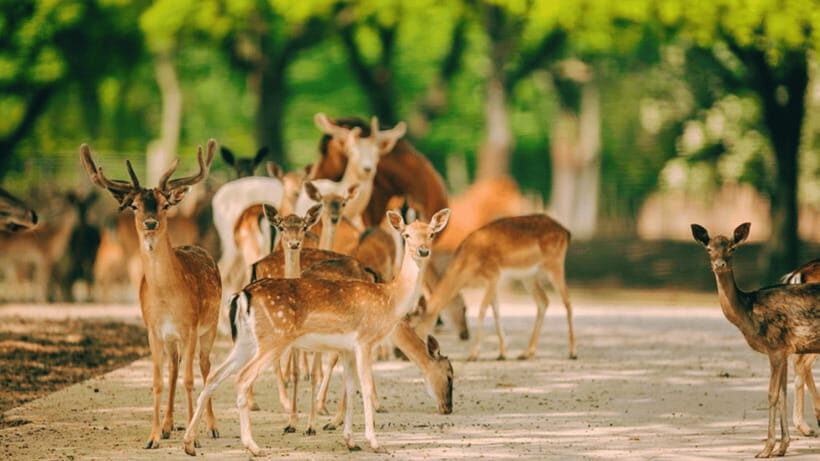
Shanghai Wild Animal Park is best for people who want a structured day with built-in highlights—safari time, zoo time, and shows.
It’s a great fit if:
- you want pandas and other headline animals in one outing
- you like the idea of a self-drive safari zone
- you want interactive elements, but you’re okay with some being paid add-ons
It’s not suitable for:
- pregnant women
- wheelchair users
- people with animal allergies
If you fall into one of those categories, don’t force it. In cases like mobility limits or allergy risks, this kind of park environment can become stressful fast.
Practical tips to make your day feel smooth
A good day here is mostly about timing and movement.
- Start with the safari experience: it sets the tone and uses your included access early.
- Plan your photo strategy: animals are free-roaming, so moments can be quick. A camera ready position helps more than chasing.
- Treat shows as anchors: check interaction and show times so your day has built-in rhythm.
- Expect that some extras cost more: feeding and camel rides may be additional paid experiences.
- Bring sunscreen and water (meals aren’t included): you’ll be outside for long stretches.
If you’re the type who likes to see everything, you can—but you’ll probably spend the day moving steadily. If you’re more “enjoy the highlights,” you can cut walking stress by using the park’s golf carts if available during your visit.
Should you book Shanghai Wild Animal Park?
I’d book this if you want a one-day Shanghai animal outing that mixes a safari viewing setup with classic zoo browsing, plus shows. The ticket value is strong because it includes both safari access modes (self-drive and bus) and animal shows, and it gives you major animals like giant pandas without requiring another long trip.
Skip it if you’re wheelchair-bound, pregnant, or have animal allergies. And if you’re the kind of traveler who hates following rules in shared animal spaces, be aware: the park’s safety expectations are central to the experience.
If your goal is a fun, organized wildlife day where you can see a lot in a single outing, this is the kind of ticket that makes sense.
FAQ
What does the ticket include for Shanghai Wild Animal Park?
Your ticket includes zoo admission, access to the self-drive safari area, a bus tour through the safari area, and animal shows.
How long is the Shanghai Wild Animal Park ticket valid?
It’s valid for 1 day. You’ll want to check availability for the starting time you choose.
What is the price per person?
The price is listed as about $40 per person.
Do I need to bring my passport?
Yes. You should bring your passport, and you’ll also need to provide your full name as it appears on your passport and your passport number to complete the booking.
Are meals included?
No. Meals and beverages are not included.
Are feeding or camel rides included in the ticket?
The park offers interactive activities like feeding and camel rides, but additional paid interactive experiences are not included with the main ticket.
Is the park suitable for wheelchair users?
No. The experience is listed as not suitable for wheelchair users.
Are tickets refundable?
Tickets are non-refundable once purchased, so it’s important to confirm the date and time before booking.