REVIEW · SHANGHAI
Small-Group Shanghai’s Old City Walking Exploration
Book on Viator →Operated by Arcade Experiences · Bookable on Viator
If a city is changing, the streets change first. This small-group Old City walk in Shanghai focuses on places around Nanshi that are being emptied and redeveloped, with a guide who explains what you’re seeing as you go. I especially like how much time you get for questions and back-and-forth, not just a rushed slideshow.
Second, I love the mix of architecture and everyday life. You’ll look at shikumen-style housing, step into lively neighborhood lanes, and then take a proper break for a Shanghainese snack in a typical restaurant. One consideration: it’s a 3-hour walk, so you’ll want comfortable shoes, and the tour depends on good weather.
In This Review
- Key points to know before you go
- Why Nanshi feels like Shanghai on a timer
- Meeting at Small South Gate, then walking like locals
- Stop 1: Old Town (Nanshi) and the Disappearing Shanghai ghost city
- Stop 2: Longmen Cun (South Gate) and shikumen houses
- Stop 3: Laoximen snack time in a typical restaurant
- Stop 4: Laoximen around Confucius Temple—outside views only
- How the guide makes this walk worth doing
- Price and what you’re really paying for at $100
- What to wear, how to pace yourself, and who should go
- Should you book this Old City walking exploration?
- FAQ
- How long is the Old City walking exploration?
- How much does the tour cost?
- Where do I meet the tour?
- Where does the tour end?
- What time does the tour start?
- Is a mobile ticket used?
- Is food included?
- Can I request accommodations for food needs?
- Will I be able to visit Confucius Temple inside?
- Is free cancellation available?
Key points to know before you go

- Small group (max 10) keeps the pace human and makes questions easy.
- Nanshi’s Disappearing Shanghai theme means you’re seeing parts of the Old City before major redevelopment changes them.
- Shikumen housing on Longmen Cun gives you a concrete way to read Shanghai’s architecture.
- A real snack stop in Laoximen is included, with bottled water to keep you going.
- Confucius Temple is outside-only since it’s closed under renovations.
Why Nanshi feels like Shanghai on a timer
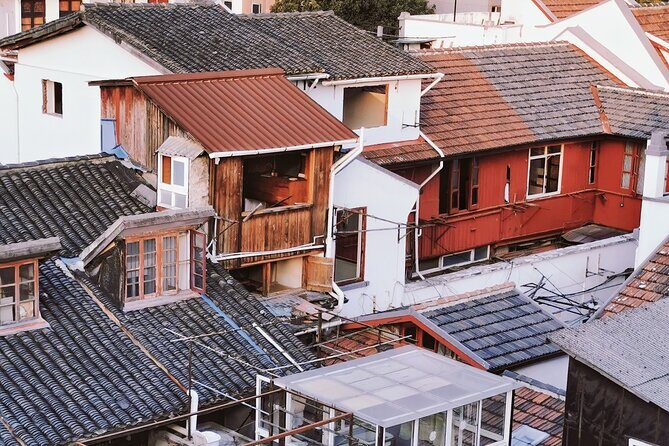
Shanghai’s Old City areas around Nanshi (including Laoximen) are in the middle of major change. The tour leans into that reality on purpose. You start in a part of the Old City close to destruction and emptied of its inhabitants, which gives the whole walk a strong sense of timing—this is not the Old City as a postcard. It’s the Old City as it is right now.
That matters because many other sights in Shanghai are preserved, replicated, or rebuilt for visitors. Here, the guide points you toward the human scale: lanes, walls, doorways, and the kinds of homes locals lived in. If you like understanding how a city actually works—who lived where, how people believed and worshipped, and how neighborhoods evolve—this format makes a lot of sense.
And yes, the name ghost city is not subtle. You’ll feel the contrast between what’s being replaced and what still remains on the ground.
You can also read our reviews of more walking tours in Shanghai


Meeting at Small South Gate, then walking like locals
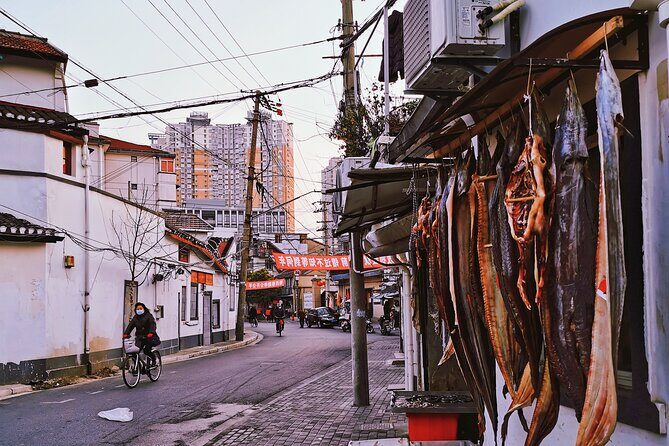
The walk starts at Small South Gate in Huangpu, with a 9:00 am start time. You’ll finish near Laoximen Metro Station (Exit 6), which makes it easy to continue on your own after the tour.
Because it’s near public transportation, you can build it into a normal day without wasting time. Also, you get a mobile ticket, so you’re not hunting for paper vouchers mid-trip.
This is a 3-hour experience on foot. You should plan for steady walking between stops and short stretches of time at each place. If you’re the type who likes to slow down and read what’s in front of you—signs, house fronts, courtyards, and alley details—this tour’s pacing fits.
Stop 1: Old Town (Nanshi) and the Disappearing Shanghai ghost city
You begin with a look at an area of the Old City close to destruction, described as a place emptied of its inhabitants. That’s heavy in tone, but it’s also honest. The guide sets context for Shanghai’s history and this specific part of town, then points out details you might otherwise miss—small architectural clues, the way streets are arranged, and what life likely looked like before the redevelopment wave took over.
This first stop is where the tour’s main promise becomes real: you’re not just sightseeing. You’re learning how cities erase and replace neighborhoods, and how redevelopment changes daily life.
The practical upside: the guide spends time here (about an hour), so you’re not crammed into a quick drive-by. You also have time to ask what the guide is seeing—especially if you’re trying to understand the bigger story of Shanghai’s urbanization.
Stop 2: Longmen Cun (South Gate) and shikumen houses
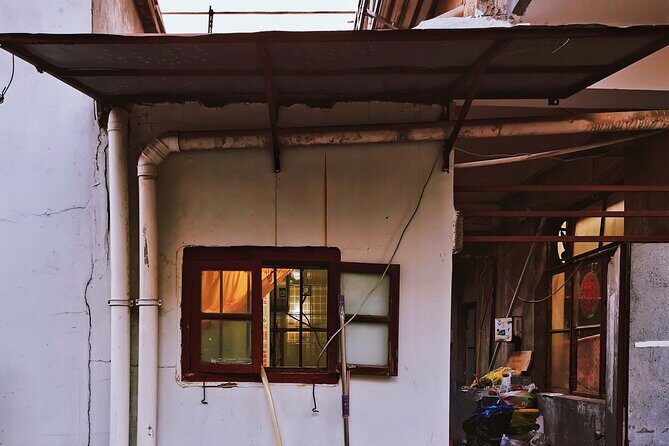
Next comes Longmen Cun (South Gate), a lively neighborhood area where traditional Shanghainese architecture and local life still show up in everyday scenes.
The tour leader focuses on shikumen houses—Shanghai’s distinctive “door-gate” style of residence—and explains how that housing layout shapes how people live. Even if you’ve never heard the term before, you’ll likely understand the idea quickly once you’re standing there: the architecture isn’t just pretty. It affects privacy, movement, street life, and the relationship between home and neighborhood.
Time here is shorter (about 30 minutes), so it works best if you’re paying attention to what the guide points out. If you’re the sort of person who takes lots of photos, this is a good stop to do it at a slower pace. The street-level details are where the learning happens.
Stop 3: Laoximen snack time in a typical restaurant
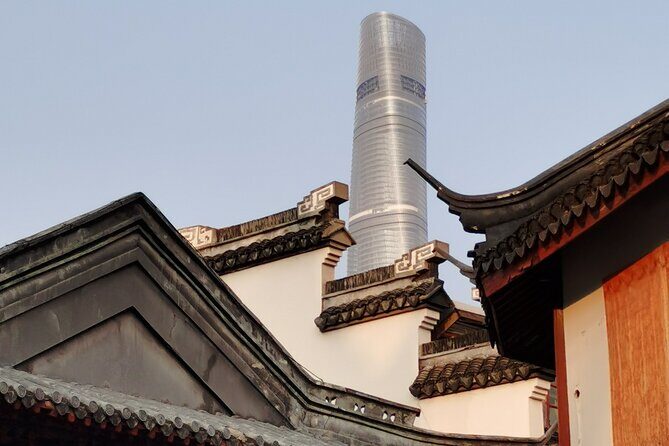
Then you head to Laoximen for a Shanghainese snack at a typical restaurant. This is one of the most practical parts of the tour: after walking and listening, you get to sit, reset, and taste local food.
The tour includes snacks and bottled water, so you’re not stuck doing math on street-food prices mid-walk. Also, the tour notes that you should let the team know if you have any special food requirements, which is important. If you’re vegetarian, avoiding certain ingredients, or have an allergy, plan to communicate it before this stop.
At about 30 minutes, the snack break isn’t long, but it’s long enough to enjoy it without breaking the flow. This stop helps the whole tour feel less like an academic lecture and more like a day in the city.
You can also read our reviews of more city tours in Shanghai






Stop 4: Laoximen around Confucius Temple—outside views only
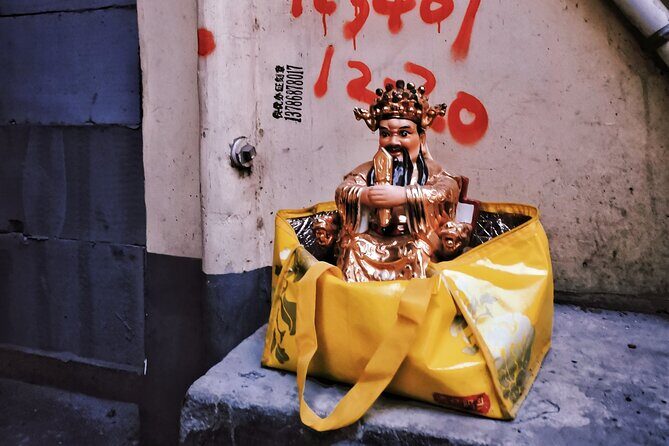
The final stretch brings you back to Laoximen, ending around the area of the Confucius Temple. There’s a clear note: the temple is closed under renovations, so you won’t visit inside.
Even with that limitation, this stop still has value. The guide shows you the most beautiful house in the neighborhood and explains secrets tied to what people believed and how the area developed. The tour is also set up to talk about architecture, history, beliefs, religion, and urbanization across the whole route. This last part pulls those threads together.
Because you’re finishing in the Laoximen area (near the metro exit), it’s an easy landing point for more exploring afterward—shopping streets, nearby neighborhoods, or just a calm walk once the tour ends.
One thing I’d keep in mind: since the main temple visit is off the table, your payoff here is mainly the neighborhood context and what the guide explains in that surrounding area. If you’re hoping for a full temple interior experience, this tour won’t match that expectation.
How the guide makes this walk worth doing

This is a “guide-led learning” tour, not a silent self-guided stroll. The strongest advantage is that small group size, capped at 10 people, gives the leader room to handle questions and adjust pacing.
In the feedback, a recurring theme is the guide’s preparation and storytelling. A guide named Clarisse shows up in many past experiences, praised for being thoughtful, funny, and highly prepared. People also mention her ability to share behind-the-scenes stories and bring Shanghai details into focus in a way that feels personal—not scripted.
Even if you don’t care about the name of a guide, that kind of track record is a clue about what you’ll get: not only facts, but the little “why” behind them. You’re learning architecture and urbanization through real streets, real houses, and real neighborhood context—exactly the kind of experience that improves with a strong local explainer.
Also included: you receive a gift bag, which is a small thing, but it signals this is more than a basic, no-frills walk.
Price and what you’re really paying for at $100
At $100 for roughly 3 hours, this isn’t the cheapest way to see Old Shanghai. But the value comes from three things you get together:
- A small group, meaning less time stuck behind other people and more time for questions.
- A guided focus on houses (like shikumen), beliefs, and urbanization—topics that are hard to piece together on your own without local context.
- Included extras that reduce friction: snacks, bottled water, and a gift bag, plus admission at stops that are listed as free.
If your goal is just photos of famous sights, you could probably spend less. If your goal is to understand how Shanghai’s Old City is being reshaped while it’s still visible, the guide + route structure makes the price feel more reasonable.
What to wear, how to pace yourself, and who should go
This is a walking tour with multiple stops across Old City neighborhoods, so wear comfortable shoes and plan for uneven streets and close-quarters alleyways. Bring a bottle of water if you like, even though bottled water is included.
Good weather is required. If it’s canceled due to poor conditions, you’ll be offered another date or a refund, so don’t lock your schedule too tightly unless you’re flexible.
Who it suits best:
- You want an Old Shanghai experience that feels grounded in real neighborhoods.
- You enjoy architecture explained on the street, not just in books.
- You like history tied to urban change—how redevelopment affects real life.
- You’re visiting Shanghai for a limited time and want a focused 3-hour window.
Who might consider another option:
- If you’re mainly craving temple interiors and big-ticket landmarks, note that Confucius Temple is closed and you won’t go inside.
- If long walking sessions make you miserable, you may need to be selective about time and pace.
Should you book this Old City walking exploration?
I’d book it if you like seeing Shanghai as a living city under change. The Nanshi Disappearing Shanghai theme is the main draw, and the guide-led explanation makes the difference between wandering and truly understanding what you’re looking at.
You should also book it if you want a tour that doesn’t just tell you where to stand. The snack stop, the small group size, and the shikumen architecture focus turn it into a more human experience—listen, look, walk, and then taste something local before finishing near Laoximen Metro.
If you’re chasing only famous landmarks or expect temple interior access, save your time and pick a different itinerary.
FAQ
How long is the Old City walking exploration?
It’s about 3 hours.
How much does the tour cost?
The price is $100.
Where do I meet the tour?
The start point is Small South Gate, Huangpu, Shanghai (200010).
Where does the tour end?
It ends at Laoximen Metro Station, Exit 6 (200021).
What time does the tour start?
The start time is 9:00 am.
Is a mobile ticket used?
Yes, it uses a mobile ticket.
Is food included?
Yes. The tour includes snacks, and bottled water is also provided.
Can I request accommodations for food needs?
Yes. You’re asked to let the team know about any special requirements regarding food.
Will I be able to visit Confucius Temple inside?
No. Confucius Temple is closed under renovations, so you’ll only explore the surrounding area.
Is free cancellation available?
Yes. You can cancel for a full refund up to 24 hours before the experience starts. If you cancel less than 24 hours before, the amount paid is not refunded.