REVIEW · HONG KONG SAR
Unveiling Hong Kong Cultural Gems [BRAND NEW 2024]
Book on Viator →Operated by Breakaway Travel International Ltd. · Bookable on Viator
Hong Kong’s culture shows up in small moments. This 4-hour private walk in Causeway Bay strings together Tin Hau Temple, Lin Fa Kung Temple, Fire Dragon Heritage Centre, and even a Ding Ding tram ride, plus local food stops and a folk ritual. I love how it connects sacred places to everyday Hong Kong life instead of treating them like museum props.
My second favorite part is the food-and-custom pacing: wonton noodles, a cup of milk tea or coffee, a glass of herbal tea, and a demo of petty person beating. One thing to plan for: you’re responsible for any extra transport from your hotel (pickup is offered, but hotel-to-meeting-point fees aren’t listed as included) and any food drinks beyond what’s on the plan.
In This Review
- Key Highlights You Should Care About
- Causeway Bay in 4 Hours: Why This Tour Feels “Doable”
- Tin Hau Temple: Empress of Heaven, Sea Goddess, and Why It Matters
- Lin Fa Kung Temple in Tai Hang: The Lotus Temple Detail Trip
- Fire Dragon Heritage Centre (1909): Hung Shing Yi Hok and People, Not Just Places
- Tai Hang Street Walk and Old Sign Stories: How to Read a City
- Ding Ding Tram to Causeway Bay: A Classic Move, Built Into the Plan
- Wonton Noodles Break: The Included Lunch You’ll Actually Appreciate
- Petty Person Beating: A Folk Ritual You Can Understand (Not Just Watch)
- Herbal Tea Shop Stop: Practical Folk Wisdom in a Cup
- Traditional Chinese Confectionery: The Sweet Finish With a Historic Industry
- Price and What You Get: Is $157.44 a Good Deal?
- Who This Tour Fits Best (and Who Might Want Something Else)
- Quick Tips Before You Go
- Should You Book Unveiling Hong Kong Cultural Gems (2024)?
- FAQ
- What is the duration of the tour?
- What time does the tour start?
- Where do I meet the guide, and where does the tour end?
- Is this tour private?
- What’s included in the price?
- What food and transport are not included?
- Do the temple stops require tickets?
- Is free cancellation available?
Key Highlights You Should Care About
![Unveiling Hong Kong Cultural Gems [BRAND NEW 2024] - Key Highlights You Should Care About](https://b.thechinatraveler.com/wp-content/uploads/unveiling-hong-kong-cultural-gems-brand-new-2024-1.jpg)
- A short 4-hour route focused on intangible cultural heritage, not just photo stops
- Temples with free admission like Tin Hau Temple and Lin Fa Kung Temple in the Causeway Bay/Tai Hang area
- Fire Dragon Heritage Centre (built in 1909) tied to an older school for poor students
- Ding Ding tram ride included, so you get a classic Hong Kong move between sights
- Petty person beating demonstration gives you context for a folk practice meant to ward off evil
- Lunch-style inclusions: wonton noodles plus milk tea or coffee, with herbal tea included
Causeway Bay in 4 Hours: Why This Tour Feels “Doable”
![Unveiling Hong Kong Cultural Gems [BRAND NEW 2024] - Causeway Bay in 4 Hours: Why This Tour Feels “Doable”](https://b.thechinatraveler.com/wp-content/uploads/unveiling-hong-kong-cultural-gems-brand-new-2024-2.jpg)
This is the kind of cultural tour that works on a normal trip schedule. You get a tight loop through Causeway Bay and nearby Tai Hang, with short visits that don’t drag. The whole experience is private, so you’re not squeezed into a big crowd. It also runs around a 10:00 am start and lasts about 4 hours, which is handy if you want the rest of the day free.
The value is real when you look at what you’re already paying for. At $157.44 per person, you’re not just buying a guide and walking time. Your package includes a Ding Ding tram ride, wonton noodles, milk tea or coffee, a glass of herbal tea, and the petty person beating demo. Add in the fact that key temple stops list free admission, and you end up spending less time checking tickets and more time watching and listening.
You can also read our reviews of more tours and experiences in Hong Kong SAR.



Tin Hau Temple: Empress of Heaven, Sea Goddess, and Why It Matters
![Unveiling Hong Kong Cultural Gems [BRAND NEW 2024] - Tin Hau Temple: Empress of Heaven, Sea Goddess, and Why It Matters](https://b.thechinatraveler.com/wp-content/uploads/unveiling-hong-kong-cultural-gems-brand-new-2024.jpg)
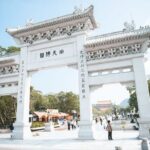
Tin Hau Temple is the kind of place you visit and immediately understand it’s still part of local life. Tin Hau is the Empress of Heaven and the Goddess of the Sea, and the shrine in Causeway Bay is credited to the Tai clan, with a build date in the 18th century.
What I like about starting here: the tour begins with a belief system, not a schedule. You see a shrine tied to seafaring life and protection, which helps you later make sense of why folk rituals and temple customs matter in daily Hong Kong culture. You’ll spend about 15 minutes here, with admission listed as free—so it’s long enough to notice details, but not so long that it stalls the tour.
Practical note: temples often mean standing, looking up, and moving slowly through tight spaces. Bring comfortable shoes. Also, dress sensibly; even when entry is simple, temples expect respectful behavior.
Lin Fa Kung Temple in Tai Hang: The Lotus Temple Detail Trip
Next comes Lin Fa Kung Temple, also known as the Temple of Lotus. It’s recognized as a Declared Monument since 2014, and it sits in the Tai Hang neighborhood. You’ll get another ~15 minutes here, again with admission listed as free.
This stop is useful because it teaches you how Hong Kong temples can differ while still following a familiar spiritual purpose. The “declared monument” label matters too: it’s a reminder that these buildings aren’t just old—they’re protected for their cultural significance. If you enjoy architecture and symbolism, you’ll likely enjoy how the tour frames what you see rather than treating it as scenery.
Tai Hang also gets a walk-through segment afterward, where the streets connect the temple sites to everyday neighborhood life. That’s where you start to see why intangible heritage isn’t only inside buildings—it’s in the continued habits of the area.
Fire Dragon Heritage Centre (1909): Hung Shing Yi Hok and People, Not Just Places
![Unveiling Hong Kong Cultural Gems [BRAND NEW 2024] - Fire Dragon Heritage Centre (1909): Hung Shing Yi Hok and People, Not Just Places](https://b.thechinatraveler.com/wp-content/uploads/unveiling-hong-kong-cultural-gems-brand-new-2024-4.jpg)
Fire Dragon Heritage Centre is one of the most meaningful stops on the route. The main building dates to 1909, and its original name—Hung Shing Yi Hok—refers to a Confucius free school for the poor. That detail is important because it shifts the story from religious ritual alone to education, community care, and folk belief.
Your time here is shorter (about 10 minutes), but the context is what counts. When a heritage site connects to a school for poor students, it helps you understand culture as something practical. It’s not only prayers and festivals—it’s social support, teaching, and local identity.
You’ll also likely notice how the tour’s theme stays consistent: it keeps returning to “intangible heritage,” meaning the living habits, beliefs, and customs that people pass along.
Tai Hang Street Walk and Old Sign Stories: How to Read a City
![Unveiling Hong Kong Cultural Gems [BRAND NEW 2024] - Tai Hang Street Walk and Old Sign Stories: How to Read a City](https://b.thechinatraveler.com/wp-content/uploads/unveiling-hong-kong-cultural-gems-brand-new-2024-5.jpg)
After the temples, you’ll spend time walking through the Tai Hang area. Then later, you’ll get a Causeway Bay segment focused on historic street names and signs. This is one of the best parts if you like noticing how places remember the past.
Why it’s worth it: street signs are boring until you learn how to read them. They’re one of the few sources of local memory you can see every day, and the tour guide’s job is to explain how Hong Kong’s history shows up in ordinary street labeling—especially considering the city’s former British colony period, which the tour mentions in its framing of street-name stories.
The historic street-sign stop is only about 5 minutes, and the admission ticket is listed as not included. The good news is you don’t need a ticket to learn the story—just a guide who can connect the sign to a wider context.



Ding Ding Tram to Causeway Bay: A Classic Move, Built Into the Plan
![Unveiling Hong Kong Cultural Gems [BRAND NEW 2024] - Ding Ding Tram to Causeway Bay: A Classic Move, Built Into the Plan](https://b.thechinatraveler.com/wp-content/uploads/unveiling-hong-kong-cultural-gems-brand-new-2024-6.jpg)
Between stops, you’ll ride a Ding Ding tram to Causeway Bay. The ride is included, and that matters because it stops you from having to figure out transport mid-walk.
The best use of tram time is attitude. You’re not “traveling” so much as you’re traveling like a local—on a vehicle that tourists love for photos, but locals likely treat as normal infrastructure. It also gives your legs a break after temple walking and street time.
The tour’s Causeway Bay schedule then hands you a longer food stop, so the tram also works like a reset button: you’ll arrive ready to eat instead of tired and cranky.
Wonton Noodles Break: The Included Lunch You’ll Actually Appreciate
![Unveiling Hong Kong Cultural Gems [BRAND NEW 2024] - Wonton Noodles Break: The Included Lunch You’ll Actually Appreciate](https://b.thechinatraveler.com/wp-content/uploads/unveiling-hong-kong-cultural-gems-brand-new-2024-7.jpg)
In Causeway Bay, you’ll eat at a famous wonton noodle restaurant. You get about 45 minutes, and the wonton noodles and a cup of milk tea or coffee are included per person.
This is a smart inclusion because wonton noodles are one of those Hong Kong meals that feel like a “daily culture” food, not a special occasion souvenir. It also gives you a chance to taste something iconic without negotiating menus or hunting for the best place on your own.
Keep expectations realistic: you’re eating during a scheduled tour break, so you may not linger as long as you would in a full restaurant meal. Still, 45 minutes is a solid chunk of time for a warm, satisfying lunch.
Petty Person Beating: A Folk Ritual You Can Understand (Not Just Watch)
![Unveiling Hong Kong Cultural Gems [BRAND NEW 2024] - Petty Person Beating: A Folk Ritual You Can Understand (Not Just Watch)](https://b.thechinatraveler.com/wp-content/uploads/unveiling-hong-kong-cultural-gems-brand-new-2024-8.jpg)
One stop that tends to stick with people is the demonstration of petty person beating—da siu yan in Cantonese. The tour positions it as a Chinese folk ritual to dispel evil, particularly aimed at protecting children and encouraging well-being.
This is a meaningful cultural moment, and it’s also the most “meaning-based” part of the itinerary. You’re not only learning the story behind it—you’re seeing a practice that’s meant to influence how people feel and how they believe life should go. The included demo segment lasts about 20 minutes, with admission ticket included.
Caution for your own comfort: folk rituals can look strange if you only know the modern explanation. Go in with curiosity, not skepticism. The guide framing is what makes it coherent.
Herbal Tea Shop Stop: Practical Folk Wisdom in a Cup
To round things out, you’ll stop at a traditional herbal tea shop. The tour includes a glass of herbal tea, and this segment is about 15 minutes.
Herbal tea in Hong Kong isn’t just a drink. It’s a channel for folk wisdom—what people believe helps them feel better and how they use natural remedies in everyday life. The tour also references the broader presence of herbal tea shops as part of traditional culture.
I like this ending because it gives you something you can take with you. You’ll have a taste and a story attached to it, rather than only photos of signage and temple doors.
Traditional Chinese Confectionery: The Sweet Finish With a Historic Industry
The final flavor note is a stop for traditional Chinese confectionery. The tour links Hong Kong’s preserved fruit tradition to an older industry, and it lists this segment as included only in the sense that you visit the shop (admission is free).
This is shorter (about 5 minutes), so treat it as a quick cultural stop rather than a full tasting tour. If you’re hoping for a long dessert session, you’ll want to pair this tour with your own wandering afterward.
Price and What You Get: Is $157.44 a Good Deal?
Let’s do the math the sensible way.
Included value highlights:
- Ding Ding tram ride (a paid experience in many itineraries)
- Wontons plus milk tea or coffee (a lunch replacement)
- Herbal tea (included)
- Petty person beating demonstration (included)
- Licensed English-speaking guide
- Several temple stops listed with free admission
Then there are costs you should expect outside the package:
- Transport fees from your hotel to the meeting point and back
- Any extra food or drinks you choose to buy beyond the included items
- The historic street-sign stop lists admission not included (though it’s only a short interpretive segment)
If you add up lunch + tram + guided storytelling, the price stops looking like “just a walk.” It reads more like a structured cultural sampler. For solo travelers, that structure can be worth paying for—especially in Hong Kong where you can easily spend time and effort coordinating transport and finding what matters culturally.
Who This Tour Fits Best (and Who Might Want Something Else)
This works best if you:
- Want authentic local culture in a compact time window
- Enjoy temples, but also want the “why” behind them
- Like food that feels like daily Hong Kong life (wontons, tea)
- Prefer a private group format so the pacing stays comfortable
You might want a different style of tour if you:
- Want only famous landmarks and big skyline views
- Need a longer sit-down museum-style experience rather than short, guided stops
- Expect the tour to handle all transportation from your hotel (the listing says hotel-to-meeting-point transport fees aren’t included)
Also, the tour lists that most travelers can participate, and it’s described as not too strenuous in how people talk about it. Still, you’ll be walking between stops, so comfortable shoes are a must.
Quick Tips Before You Go
- Start with a light breakfast or plan to eat lunch during the included wonton stop.
- Bring a layer. Temple and street areas can feel different depending on weather and shade.
- If you’re sensitive to culturally specific rituals, come ready to observe respectfully and ask questions.
- Plan to do your own browsing after the tour while you still have street-sign context fresh in your mind.
Should You Book Unveiling Hong Kong Cultural Gems (2024)?
I’d book this tour if you want Hong Kong culture that you can actually explain to friends afterward: the Empress of Heaven at Tin Hau, the Lotus Temple at Lin Fa Kung, community education ties at Fire Dragon Heritage Centre, and the folk practice behind petty person beating—finished with wonton noodles and herbal tea.
If your idea of Hong Kong is mostly skyscrapers and big-ticket sights, this one may feel too focused on neighborhood heritage. But if you like walking, listening, and tasting, it’s a great way to spend half a day with real local texture.
FAQ
What is the duration of the tour?
The tour lasts about 4 hours.
What time does the tour start?
It starts at 10:00 am.
Where do I meet the guide, and where does the tour end?
You start in the Tin Hau area of Causeway Bay, and the tour ends in Causeway Bay at Great George St, East Point.
Is this tour private?
Yes. It’s listed as a private tour/activity, so only your group participates.
What’s included in the price?
Included items are a bottle of wonton noodles and a cup of milk tea or coffee per person for lunch, 1 Ding Ding tram ride, a friendly English-speaking licensed tour guide, 1 glass of herbal tea, and the petty person beating demonstration.
What food and transport are not included?
Transport costs from your hotel to the meeting point and back are not included, and any food or drinks you choose to buy during the tour are not included (beyond what’s listed).
Do the temple stops require tickets?
The itinerary lists admission ticket Free for Tin Hau Temple and Lin Fa Kung Temple, and the Fire Dragon Heritage Centre stop is also listed as free. The historic street-sign stop is listed as admission not included.
Is free cancellation available?
Yes. You can cancel up to 24 hours in advance for a full refund, and the experience requires good weather. If it’s canceled due to poor weather, you’ll be offered a different date or a full refund.