REVIEW · XI AN
Xi’an: Market Tour and Cooking Class with Local Family
Book on GetYourGuide →Operated by Shaanscape · Bookable on GetYourGuide
Cooking in Xi’an feels personal fast. This 3-hour market tour and home cooking class pairs ingredient shopping with hands-on lessons, so you understand why the flavors work, not just how to copy them. I especially like the way you learn at the home kitchen level, with a friendly local family showing how these dishes fit into everyday food.
Two things I’m very taken with: you’ll shop for the ingredients in a real local market, then you’ll actually make iconic Xi’an staples—Biang Biang hand-pulled noodles and pork jiaozi dumplings—from scratch. One consideration: the experience involves walking and standing, so if you tire easily, plan for that and wear comfortable shoes.
In This Review
- Key Things That Make This Class Worth Your Time
- Xi’an Market Shopping: Picking Ingredients Like a Local
- The Cozy Home Kitchen Setup That Makes You Want to Keep Going
- Making Biang Biang Noodles: The Skill Behind the Name
- Pork Jiaozi Dumplings: Comfort Food With Technique
- Eating Together: Local Tea and a Meal You Built
- Who This Class Is Perfect For (And Who Might Want to Skip)
- Price and Value: Is $70 Reasonable for 3 Hours?
- The Little Details That Make or Break It
- Should You Book This Xi’an Market and Cooking Class?
- FAQ
- Where is the meeting point?
- How long is the cooking class?
- What is the price per person?
- Is the class taught in English?
- Is transportation to the meeting point included?
- Do I need prior cooking experience?
- What dishes will I learn to make?
- Is the activity wheelchair accessible?
- Are there any age limits?
Key Things That Make This Class Worth Your Time
- Market shopping first: you choose spices, vegetables, and meats with your guide before you cook.
- Hand-pulled Biang Biang noodles: you learn the technique for a signature Xi’an noodle style.
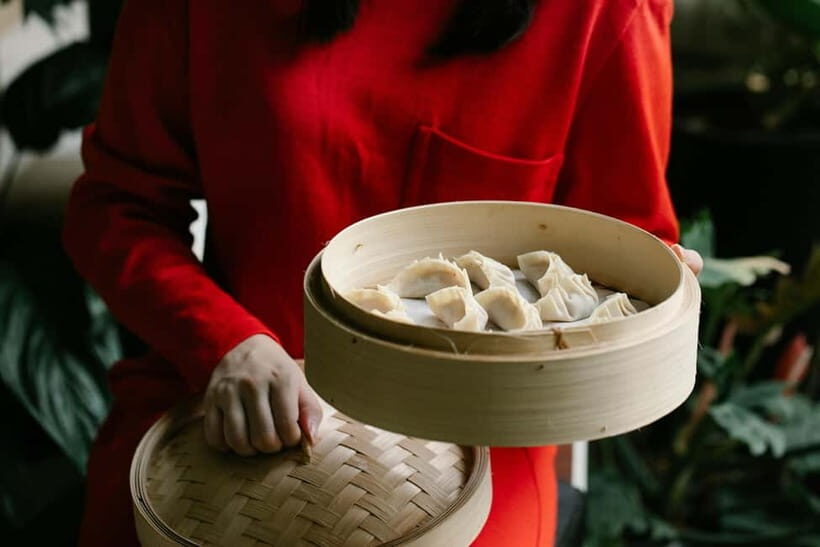
- Pork jiaozi dumplings: you’ll shape dumplings and cook them as part of the meal.
- Small group size (max 6): easier questions, more attention, and less standing around.
- English instruction: the class is led in English, with clear guidance through the process.
- Recipes to take home: you leave with instructions to recreate what you learned.
Xi’an Market Shopping: Picking Ingredients Like a Local
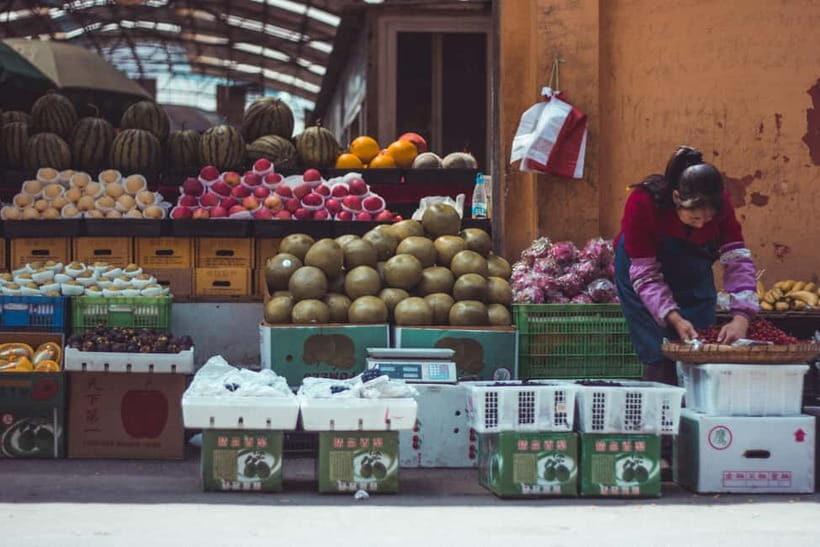
The experience starts where food decisions happen: the market. You’ll meet your host at the front gate of the government, then head out with an English guide to shop for what you need for the cooking class. This isn’t random sightseeing. It’s practical shopping, the kind that makes the later cooking feel simpler.
You’ll look for ingredients like spices, vegetables, and meats, and you’ll get guidance on how to choose what’s best. Even if you don’t cook much at home, this part helps you translate Chinese cooking beyond vague flavor descriptions. You start learning what “good” looks like—fresh produce, workable meat, and spices that aren’t stale.
Why I think this matters: when you understand ingredient selection, you can adjust when you shop at home. If you can’t find the exact item, you’ll know what to prioritize instead of guessing. And for people who love food, it’s also a fun way to see day-to-day Xi’an life without booking a museum day.
A realistic expectation: you’ll be walking and standing during the market stop. It’s short, but it’s still active, so bring comfy footwear and keep water in mind if it’s warm.
You can also read our reviews of more shopping tours in Xi An
The Cozy Home Kitchen Setup That Makes You Want to Keep Going
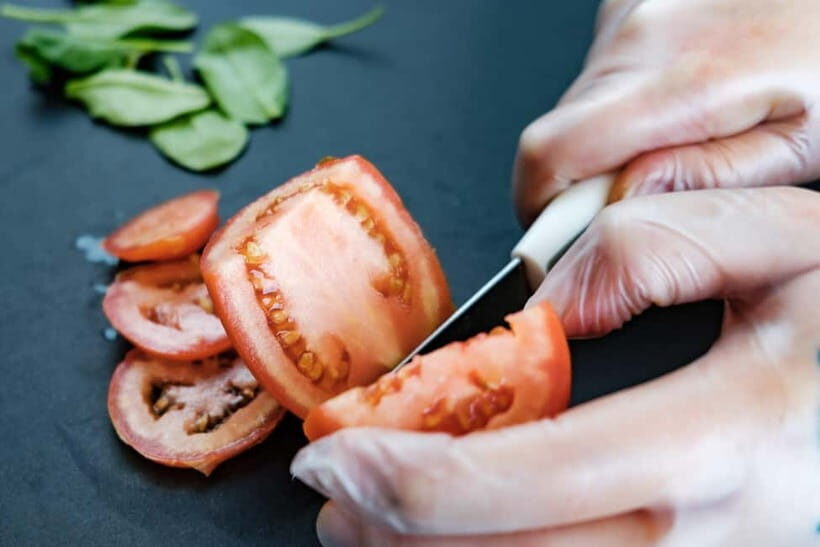
After the market, you shift into a home kitchen—cozy, welcoming, and built for doing, not watching. This is one of the best parts because it changes your role from consumer to cook. You’re not just tasting; you’re building the meal step by step.
Your host and family guide you through the process, and the tone is genuinely friendly. In the class feedback I reviewed, the name Wenqi comes up again and again, along with praise for her parents’ hospitality and warmth. That shows up in how these classes tend to run: questions are welcome, and the atmosphere feels like learning from people who actually want to share.
You’ll be working in an environment that feels lived-in, not staged. That’s a subtle advantage. Kitchens in homes have the tools and rhythms people actually use, so the techniques you learn are easier to picture later when you try the recipes yourself.
Also, because it’s a small group capped at 6, you get breathing room. You’re less likely to feel rushed, and you’ll have more chances to check details as you go—especially useful when learning noodle pulling and dumpling shaping.
Making Biang Biang Noodles: The Skill Behind the Name
Then comes the centerpiece: hand-pulled Biang Biang noodles. This is the dish people recognize first, and for good reason. Xi’an’s noodle culture is famous, but what most people don’t realize is how physical the process is. Making these noodles isn’t just about ingredients; it’s about technique.
In the class, you’ll learn from start to finish. The guide walks you through the steps, and you practice the motion needed to pull the noodles into the right shape and thickness. If you’ve never cooked noodles by hand, don’t worry. The experience is designed for beginners with no prior cooking experience needed.
Here’s what you’ll likely take away even if your first attempt isn’t perfect: Biang Biang noodles reward consistency more than perfection. The cooking style depends on how the dough is handled and how you keep control while stretching. Once you feel that rhythm, it clicks.
Practical tip for you: pay attention to how the instructor tells you to handle the dough before you start pulling hard. Many people rush the physical part and miss the earlier cue that makes everything easier. In a small-group class, you can ask right then—so take advantage of it.
Pork Jiaozi Dumplings: Comfort Food With Technique
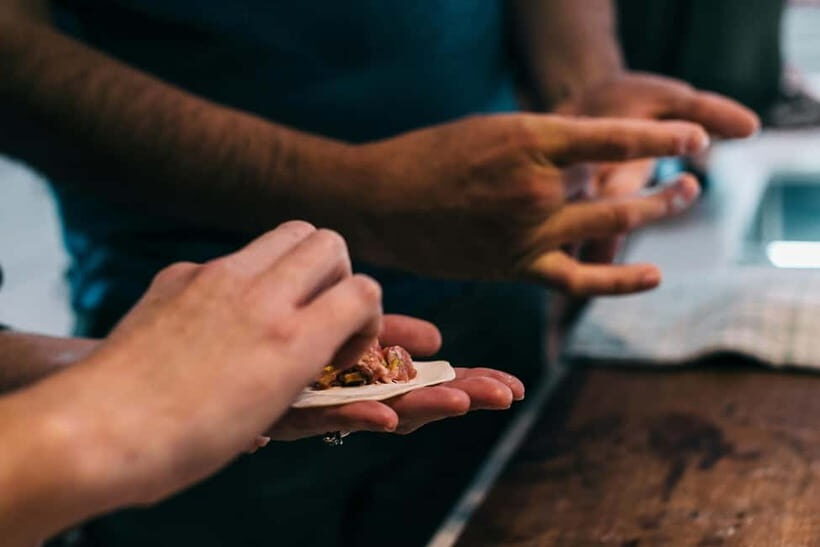
Next up are savory dumplings—pork jiaozi—made from scratch. Dumplings sound simple until you actually shape them, and that’s why this class is valuable. You’ll learn the technique of forming the dumplings, not just cooking them.
The cooking experience includes the steps needed to get from raw ingredients to filled dumplings, then to the finished dish. You’re guided through the process in the home kitchen, and because it’s limited to 6 participants, it’s easier to get feedback if your folds aren’t quite the same shape as your neighbor’s.
Why this matters for value: dumplings are one of those foods people eat often, but very few people know how to make confidently. Once you learn the basic idea—how the wrapper holds the filling and how the closure affects the final result—you can adapt later for other fillings.
Another practical thing: you’ll be informed to share any dietary restrictions in advance. That helps the host plan the meal. (The class content specifically includes pork dumplings, so if you have restrictions, make sure the host can accommodate what you need.)
Eating Together: Local Tea and a Meal You Built
At the end, you sit down for the meal you made. This part is more than just a reward. It’s where you learn what worked. You’ll taste your dumplings and noodles as a complete dish, not as separate cooking projects.
You’ll also enjoy local tea with your meal. That pairing keeps things grounded and calming after the physical work of pulling noodles and shaping dumplings. Tea also fits the rhythm of a family meal, where conversation matters as much as food.
From the reviews, the hospitality theme is strong: Wenqi and her family are described as genuine, generous, and truly welcoming. That kind of atmosphere is a big part of why cooking classes feel different from typical tours. You’re not just passing through; you’re invited into a moment.
And you’ll leave with recipes to take home, which is huge if you want more than memories. With recipes, you’re not guessing what to do next time. You can try again, tweak to your taste, and gradually build confidence.






Who This Class Is Perfect For (And Who Might Want to Skip)
This is a great fit if you love food, want hands-on learning, and prefer smaller settings. You don’t need prior cooking experience, and it’s offered in English, which makes the instructions easier to follow.
You’ll likely enjoy it most if:
- You want to understand Xi’an cuisine beyond restaurant meals.
- You like practical activities—market shopping plus cooking.
- You want recipes you can use later, not just a one-time taste.
You might want to think twice if:
- You don’t like walking and standing for a short stretch during the market part.
- You need the class to be strictly seated and low-movement (the format includes standing).
It’s also not suitable for children under 6, and it’s not intended for people over 95.
Price and Value: Is $70 Reasonable for 3 Hours?
At $70 per person for a 3-hour experience, this class feels aimed at real value: you get a market tour, the cooking instruction, a homemade meal, local tea, and recipes to take home. The price isn’t just paying for food. You’re paying for guided shopping, technique teaching, and a home-kitchen setting with small-group attention.
A few value points that justify the cost:
- Market shopping adds time and expertise, not just “here are spices.”
- Learning Biang Biang noodles and pork jiaozi is specific instruction, not generic cooking.
- The small group size helps you get feedback.
- Recipes extend the experience past the 3 hours.
One more thing: transportation to the meeting point isn’t included, so your actual total cost depends on how you get to the front gate of the government. If you’re already near, it’s simple. If you’re farther out, factor that in.
The Little Details That Make or Break It
This experience has a few practical features that matter day-to-day:
- English instructor: makes the class easier to follow step-by-step.
- Small group (up to 6): more help when your hands are trying something new.
- Wheelchair accessible: the listing says it is accessible, which is a real plus.
- Dietary restrictions: you’ll want to inform the host in advance so they can plan.
One simple advice: come hungry. In the feedback, that tip shows up clearly, and honestly it makes sense—after market shopping and cooking, you’ll want to enjoy the meal instead of just pushing through it.
Should You Book This Xi’an Market and Cooking Class?
If your goal is authentic, hands-on Xi’an food—market-to-home-kitchen style—this is a strong choice. The combination of market shopping, learning Biang Biang noodles, shaping pork jiaozi, and finishing with tea and a meal you made gives you more than a typical “tour plus dinner” day.
Book it if you want real technique, English guidance, and a small group where you can ask questions. Consider skipping if standing and walking feel like a problem for you, or if you prefer a fully seated, low-effort activity.
FAQ
Where is the meeting point?
You’ll meet at the front gate of the government.
How long is the cooking class?
The experience lasts 3 hours.
What is the price per person?
The price is $70 per person.
Is the class taught in English?
Yes, the instructor provides instruction in English.
Is transportation to the meeting point included?
No, transportation to the meeting point is not included.
Do I need prior cooking experience?
No prior cooking experience is needed.
What dishes will I learn to make?
You’ll learn to make hand-pulled Biang Biang noodles and pork dumplings (jiaozi).
Is the activity wheelchair accessible?
Yes, the activity is listed as wheelchair accessible.
Are there any age limits?
It is not suitable for children under 6 years old, and it is not suitable for people over 95 years old.