REVIEW · CHENGDU
2-Day Private Tour of Leshan Grand Buddha and Emei Shan including Monastery Stay
Book on Viator →Operated by Samtour of Chengdu OTC Travel · Bookable on Viator
One Buddha view can set the tone. This private, 2-day trip packs Leshan Grand Buddha and Emei Shan’s Golden Summit into a tight schedule, with a guide who helps you connect what you’re seeing to why it matters. I also like that the monastery night at Baoguo Temple turns the visit into more than just photo stops.
I’m a fan of tours that reduce decision fatigue, and this one does it well. You get hotel pickup and drop-off, a private English-speaking guide, admission for the listed sites, and meals built into the day—so you spend your energy on temples, not logistics.
One thing to consider: the price is steep for China, and you’re signing up for a lot of walking on uneven temple paths. If you hate long days or tight timelines, it may feel more demanding than you expected.
In This Review
- What This Private Tour Gives You (And Why It’s Not Just a Ticket)
- Two UNESCO Sites: Leshan Grand Buddha in Plain Words
- Day 1 Wrap-Up: Fuhu Temple for a Different Temple Mood
- Baoguo Monastery Night: The Most Interesting Part for Many People
- Day 2 Morning: Getting Up to Emei Shan’s Golden Summit
- How the Transport Shapes Your Day (Cable Car vs. Reality)
- Meals and Timing: A Small Luxury That Adds Up
- Price and Value: Is $513.99 Per Person Worth It?
- Guides Matter: Strong English Help Makes Temples Easier
- Walking Shoes, Weather Plans, and What to Pack
- Who Should Book This Tour?
- Should You Book This Leshan and Emei Private Tour?
- FAQ
- What time does the tour start?
- Where does the tour pick me up?
- How long is the experience?
- Is the Golden Summit cable car included?
- What meals are included?
- Where do I stay overnight?
- Are admission tickets included?
- Is the Leshan Buddha boat trip included?
- Is there a dress code for Baoguo Temple?
What This Private Tour Gives You (And Why It’s Not Just a Ticket)
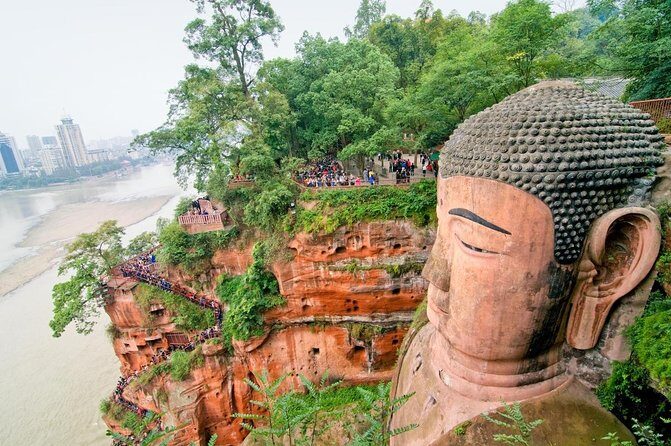
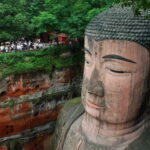
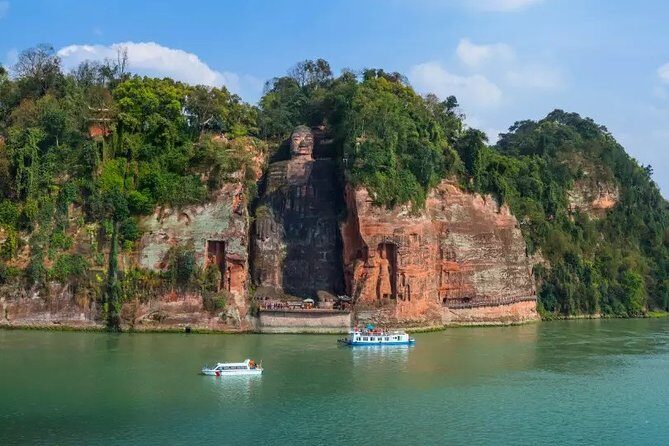
This experience is built around two UNESCO-class wonders that are best understood with context. The Leshan Grand Buddha isn’t just huge—it’s tied to the geography of the river and centuries of worship. Emei Shan works differently: it’s a mountain of temples, routes, and viewpoints, where timing and pace really matter.
The private format changes how the day feels. With your own guide, you can move at a human speed, ask questions, and adjust timing if rain or crowds slow things down. That becomes extra important on Emei Shan, where you’ll spend hours on foot and via mountain transport.
Then there’s the monastery stay at Baoguo Temple. Even if you keep your expectations grounded (this is still basic twin-room lodging), it’s a meaningful way to experience temple life in a place that still functions as a religious site. It also helps solve the big problem many travelers face on multi-day itineraries: where to sleep close enough that Day 2 starts early and you don’t lose the best morning hours.
Two UNESCO Sites: Leshan Grand Buddha in Plain Words
The day starts with pickup from your Chengdu hotel at 9:00 am, followed by a roughly 2-hour drive to Leshan. The goal is simple: get you to the Buddha when you can still see the area clearly, then let your guide walk you through what to look for.
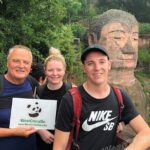
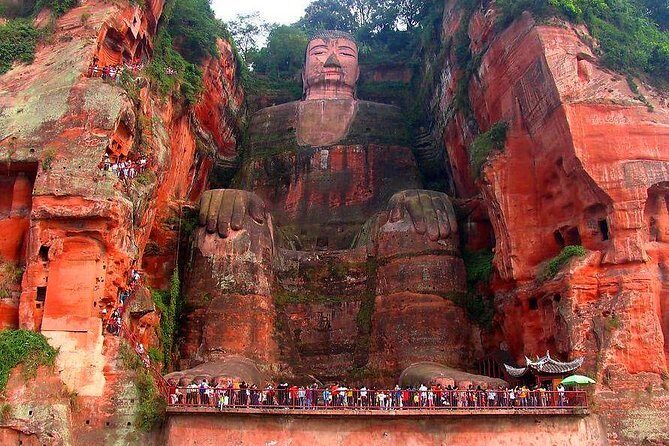
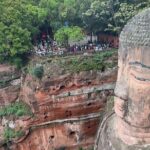
At Leshan Giant Buddha (Da Fo), you’ll spend about four hours on the trails around the statue. That time matters. The best views aren’t only from one spot. You move through the approach areas and temple compounds, and your guide helps you focus on the layout, the temple setting, and the surrounding shrines that frame the main sculpture.
You’ll also visit Lingyun Temple, which sits in the larger Buddha complex area. Lingyun Temple is part of what makes Leshan feel like a whole religious landscape instead of a single monument. The included admission means you don’t have to juggle tickets mid-hike.
You can also read our reviews of more private tours in Chengdu


Day 1 Wrap-Up: Fuhu Temple for a Different Temple Mood
After Leshan, the tour shifts toward Emei Shan with a stop at Fuhu Temple. This isn’t just a quick photo break. You’ll cover a walking tour area of roughly 10 acres (4 ha) with your guide, and you’ll see classic Chinese court-style elements and shrine areas.
Even if you’re temple-weary after hours at the Buddha, Fuhu Temple helps reset your eyes. It’s a gentler “what makes this place sacred?” stop rather than another main landmark. The included admission and the structured pacing are why it works inside a two-day schedule.
Baoguo Monastery Night: The Most Interesting Part for Many People
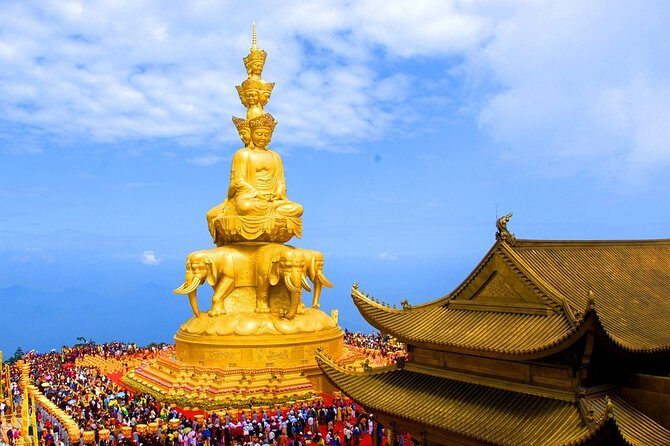
After Fuhu, you spend the night at Baoguo Temple (Baoguo Monastery). This is the signature add-on that turns a “see two places” tour into a “see how people live with the temples” experience.
The tour includes one-night accommodation in twin rooms with standard amenities. The practical note to keep in mind: you may want to bring your own toiletries, since the room setup is described as standard rather than hotel-spa. Also plan to dress appropriately. Shorts are allowed, but tank tops and/or bikinis aren’t recommended at the monastery.
One of the real upsides here is location and daily rhythm. The monastery stay gives you a chance to slow down after the day’s driving and walking. It also helps because your Day 2 begins with a breakfast and then a mountain plan.
Day 2 Morning: Getting Up to Emei Shan’s Golden Summit
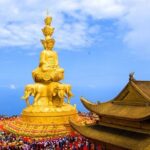
After breakfast, you’ll head to the cable car station by excursion bus, then ride the cable car with your guide up to Golden Summit (round-trip cable car from Jieyindian to Golden Summit is included). Emei Shan is one of those places where transport choices can make or break your energy.
At Golden Summit, you’re chasing views. The included time on the mountain is about six hours, which means you’ll likely mix sightseeing, temple area walking, and viewpoint time rather than rushing straight through.
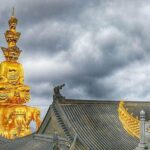
Even if the weather isn’t perfect, Emei Shan has a built-in advantage: mist can soften the edges and make the temple silhouettes feel more spiritual and less touristy. In past experiences shared for this route, rain didn’t ruin the trip—it just changed the mood. Your guide’s job here is to help you time the walking and choose the right spots as conditions shift.
How the Transport Shapes Your Day (Cable Car vs. Reality)
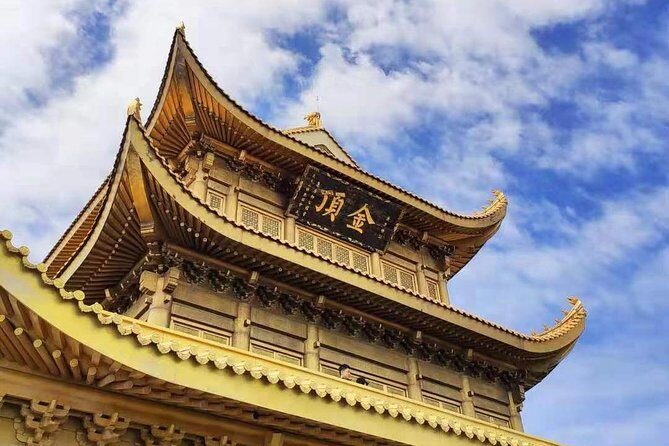
The tour combines a few different transport modes: hotel pickup/drop-off, a private air-conditioned vehicle, an excursion bus at Emei Shan, and the cable car. That layering is part of why the experience feels smooth rather than chaotic.
Still, one note: the mountain access is not gentle by default. There can be moments where the ride feels intense, and the cable-car area plus mountain bus timing can feel like a controlled rush. If you’re sensitive to motion, plan to take it slow, drink water, and keep your expectations realistic.
A few more Chengdu tours and experiences worth a look
Meals and Timing: A Small Luxury That Adds Up
Meals are included: breakfast, lunch (2), and dinner. This matters more than most people think. On a two-day itinerary, food stops can eat your timetable fast, especially when you’re moving between separate sites.
With meals handled, you can focus on the temples and reduce the risk of eating something you can’t tolerate or missing the best viewing windows. Just be sure to advise dietary requirements when booking, because the tour instructions specifically ask you to share that in advance.
Price and Value: Is $513.99 Per Person Worth It?
At $513.99 per person for two days, this tour isn’t the budget pick. For some travelers, that sticker shock is real—especially if you compare it to what a similar two-day plan costs elsewhere.
But value comes from what’s included and what you avoid:
- Private guide time (professional English-speaking guide)
- Hotel pickup/drop-off and private vehicle support
- Admission tickets for the itinerary’s included sites
- Cable car and excursion bus components
- Meals throughout the full two days
- One-night monastery accommodation
If you’re the type who hates sorting transport, researching temple hours, and piecing together tickets on the fly, the price can make sense. If you’re comfortable DIY planning and you’re traveling with people who can handle logistics without a dedicated guide, you might feel the cost doesn’t match your personal style.
Guides Matter: Strong English Help Makes Temples Easier
Across this route, the standout praise tends to center on guide skill and efficiency. Names that have shown up for this itinerary include Wells, Andy, Rachel Pan, and Lilian—and the consistent theme is clear communication and smart pacing.
A good guide does more than translate signs. They point out what to notice in the Buddha’s setting, explain how the temple clusters connect, and keep you moving at a tempo that fits the schedule. They also help with practical timing so you don’t feel stuck waiting or wandering.
Walking Shoes, Weather Plans, and What to Pack
The tour notes an extensive amount of walking. That’s not a minor detail. Temple paths can be uneven, and you’ll want grip and cushioning.
Bring essentials like:
- Comfortable walking shoes
- Water, sunscreen, and sunglasses (suggested for sightseeing)
- Light layers in case weather turns cool or rainy
- A small day bag for essentials while your belongings are stored safely in the van or accommodations
Dress code at Baoguo matters too. Plan for modest coverage, especially if you want to move around temple areas without hassle.
Who Should Book This Tour?
This private package fits best if you:
- Want a structured two-day plan with a private guide
- Prefer minimal hassle on tickets, transport, and meals
- Like the idea of a monastery night rather than only sightseeing
- Care more about understanding the sites than moving fast for maximum checkmarks
It may be less ideal if you:
- Hate long walking days
- Are very price-sensitive and want a cheaper DIY-style route
- Need a highly relaxed schedule with frequent breaks
Should You Book This Leshan and Emei Private Tour?
I’d book this if you want to see two UNESCO-level sites without playing travel accountant all day. The combination of Leshan Grand Buddha trails, Emei Shan’s cable-car access to Golden Summit, and the Baoguo monastery stay is a strong “big sights plus real place” mix.
I’d pause if your top priority is saving money or if your body doesn’t handle sustained temple walking well. In that case, you can still visit these places, but you might want a different format that’s less bundled.
If you want a clean, guided 48-hour arc with fewer decision points, this is a solid choice.
FAQ
What time does the tour start?
The start time is listed as 9:00 am.
Where does the tour pick me up?
It includes hotel pickup and drop-off in the Chengdu area.
How long is the experience?
It runs for 2 days (approx.).
Is the Golden Summit cable car included?
Yes. The tour includes round-trip cable car from Jieyindian to Golden Summit.
What meals are included?
The tour includes breakfast, lunch (2), and dinner.
Where do I stay overnight?
You get one-night accommodation at Baoguo Temple, with twin rooms and standard amenities.
Are admission tickets included?
Yes. Admissions of all places listed in the itinerary are included.
Is the Leshan Buddha boat trip included?
No. An optional boat trip at Leshan Buddha is listed as not included (priced at $10 per person).
Is there a dress code for Baoguo Temple?
You should dress appropriately. Shorts are allowed, but tank tops and bikinis are not recommended.