REVIEW · GUANGZHOU
All Inclusive Kaiping Diaolou Heritage Private Day Trip from Guangzhou
Book on Viator →Operated by SilkRoadTrips · Bookable on Viator
A day of castle towers and village lanes. This private Kaiping trip is built around multi-story diaolou watchtowers and fortified homes, plus garden time at Liyuan Garden and village wandering in the countryside. I like that it includes lunch, entrance fees, and hotel pickup/drop-off, so you’re not juggling tickets or timing in the middle of a long day. I also like the focus on how the buildings evolved, from Ming-era flood refuges and family forts to later designs with Western influences.
One catch to plan for: it’s a long drive day. Expect roughly two hours each way getting out and back from Guangzhou, so comfortable shoes and an easygoing attitude help.
In This Review
- Key Points to Know Before You Go
- Diaolou country trip: what makes Kaiping different from a city tour
- Getting out of Guangzhou: timing, pickup, and the drive you should plan for
- Zili Village and its watchtower group: the UNESCO part you’ll notice fast
- Liyuan Garden in Kaiping: birdcage pavilion and the art of slowing down
- Ma-Xianglong Village and Jingjiangli (锦江里碉楼群): quieter old houses, real village feel
- Lunch and small comforts: value that keeps the day from feeling stressful
- Price and logistics: is $269 per person worth it?
- Who this private tour suits (and who might want a different plan)
- Should you book the Kaiping Diaolou Heritage private day trip?
- FAQ
- How long is the day trip from Guangzhou?
- Is hotel pickup and drop-off included?
- What is included in the price?
- Which villages and attractions does the tour visit?
- Is this a private tour?
- Can I cancel for a full refund?
Key Points to Know Before You Go

- UNESCO-listed Zili Village: Best-preserved watchtower village, recognized as cultural heritage since 2007.
- Diaolou with real-world purpose: Flood refuge, family fortress, and alert towers for bandits.
- Western-influenced architecture: Some towers reflect returning Chinese migrants’ designs.
- Liuyuan (Liyuan) Garden time: Birdcage-shaped pavilion, plus bridges and canals to slow your pace.
- You get interior access: You’ll go inside towers and also reach rooftop/bird’s-eye views.
- Private guide pacing: Personalized attention, which matters when the sites are spread out.
Diaolou country trip: what makes Kaiping different from a city tour
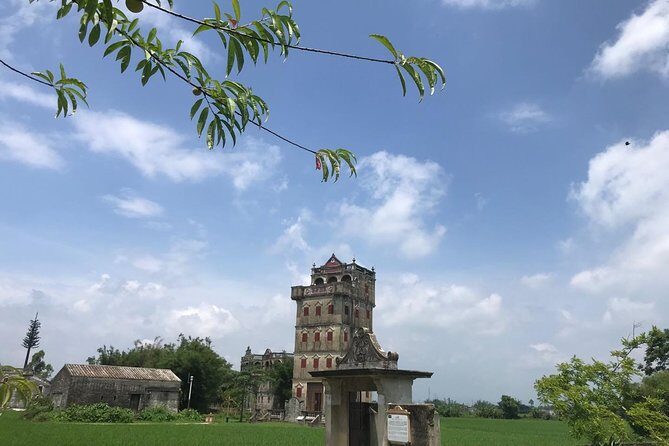
Kaiping is the kind of place where you stop “touring” and start looking. The diaolou (multi-story watchtowers) aren’t decorative. They were built as survival and defense, then later adapted as families’ lives and connections changed. In one day, you can see that shift in real buildings, not just in photos.
Here’s what makes this trip especially appealing: you’re not bouncing between random stops. The route focuses on a cluster of villages tied to the same diaolou story, including Zili Village and Ma-Xianglong Village, plus the elegant Liyuan Garden inside Kaiping’s watchtower world. Your guide can connect the architecture to the reasons it exists, which turns the scenery into something you actually remember.
And yes, there’s countryside breathing room. Leaving Guangzhou helps, even if you’re only doing it for a few hours. This day trip gives you the feeling of stepping into a different rhythm, with fields and villages instead of traffic and storefronts.
You can also read our reviews of more private tours in Guangzhou

Getting out of Guangzhou: timing, pickup, and the drive you should plan for

Your day starts early, with pickup at your Guangzhou hotel around 8:00am and return at the end of an 8 to 9 hour day. The route uses a private, air-conditioned vehicle, so you’re not squeezed into a shared bus. That’s a big deal when your time includes both travel and multiple walking stops.
The main thing to budget is time on the road. The drive is about two hours each way, so you’ll spend a chunk of the day in the car. The good news is that the early start helps you avoid feeling like you’re arriving when everything is already packed.
Practical tip: treat the day like a “walk-and-climb” outing. Comfortable footwear matters because you’ll be moving between village areas and getting viewpoints from towers and rooftops. If you’re sensitive to stairs or tight spaces, it’s worth going in with realistic expectations and going at your pace when you’re inside and around the watchtowers.
Zili Village and its watchtower group: the UNESCO part you’ll notice fast

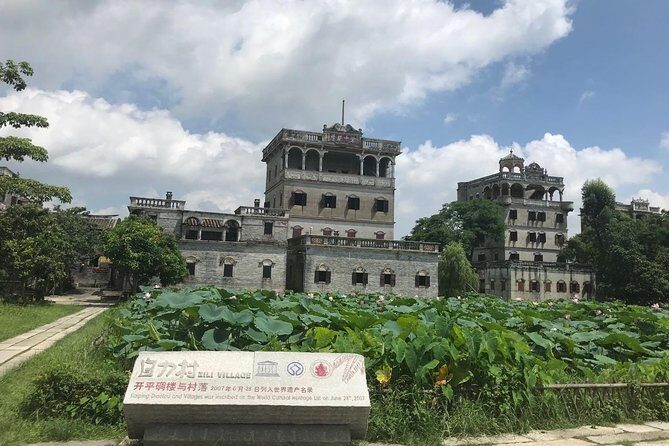
Zili Village is the first big wow-factor stop. It’s known as one of the best-preserved diaolou villages, and it’s listed as cultural heritage by UNESCO (since 2007). You’ll arrive and start here, then spend time exploring both the village setting and the diaolou themselves.
What you’re looking at is a mix of tower types shaped by family needs and local security. Diaolou were built as flood refuges and forts, and some served as alert watchtowers for threats like bandits. In other words, the structures make sense in a practical way, even if the buildings look cinematic.
A detail I’d call out: parts of these watchtowers reflect Western-inspired features, brought in by Chinese migrants who returned home. That hybrid design is one of the reasons Kaiping attracts architecture-minded visitors. It’s also why your guide’s explanations matter. When you hear the “why,” the shapes and details click into place.
Your tour also includes time inside the buildings and for viewpoints from higher areas. The whole point is to understand how people lived, stored, and watched from these multi-story structures, not just to pose in front of them.
Liyuan Garden in Kaiping: birdcage pavilion and the art of slowing down
After the watchtowers, the day shifts tone. You’ll head to Liyuan Garden (also called Li Garden). This is where the trip breathes a little. Instead of fortified towers, you get a more graceful setting with built features designed for strolling and looking.
You’ll spend around a couple hours wandering the garden’s highlights: the birdcage-shaped pavilion, plus bridges and canals. It’s the kind of place where you can step aside from the crowds that might form near the most famous tower areas and just enjoy the atmosphere.
What I like about this stop is the contrast. If Zili Village is about defense, Liyuan Garden is about taste and daily life. You get a sense that the diaolou weren’t only about survival. They were part of a larger culture of wealth, aspiration, and connections—especially for overseas families whose money helped shape these communities.
You’ll also likely take more relaxed photos here, because the garden gives you layers: water lines, pavilion angles, and framed views toward the surrounding architecture. Plan a slower pace. The garden works better when you’re not rushing.
Ma-Xianglong Village and Jingjiangli (锦江里碉楼群): quieter old houses, real village feel
After lunch, you continue to Ma-Xianglong Village, where old houses spread out amid green bamboo. This stop is less about one single landmark and more about the overall village atmosphere—houses set into the landscape, with that Kaiping “tower culture” still visible in the background.
Then the tour heads to Jingjiangli (锦江里碉楼群), described as a quiet village area where you can see old houses that are well designed. This part of the itinerary matters because it rounds out the day. You’re not only seeing the most famous cluster. You’re getting a broader feel for how widespread the diaolou influence is across nearby communities.
A smart way to experience these village stops: don’t treat them like checkboxes. Look for how the towers relate to the houses and how the village layout guides footpaths and views. If your guide is good at talking through details, this is where their explanations can turn scattered scenes into a coherent picture.
Also, because this is a private tour, your guide can adjust pacing. If you want a little extra time at one viewpoint, you’re more likely to get it than on a fixed-group schedule.
You can also read our reviews of more historical tours in Guangzhou

Lunch and small comforts: value that keeps the day from feeling stressful
Lunch is included, along with entrance fees, a local guide, and bottled water. That package is a big value point on a day trip like this, because Kaiping sites can add up quickly once you start buying tickets and dealing with lunch timing between attractions.
The “private” part also reduces friction. Hotel pickup and drop-off means you don’t need to coordinate local transport for a route that’s built around rural timing. You’re also in an air-conditioned vehicle, which matters in Guangdong’s heat.
One more practical note: your tour includes a mobile ticket. It’s a small thing, but in rural heritage sites, smooth entry can save time and stress. You spend your effort looking instead of figuring out logistics on the spot.
If you’re the type who likes a well-run plan, this tour matches that style: clear sequence, guided time at each core stop, and enough breaks to keep the day enjoyable rather than exhausting.
Price and logistics: is $269 per person worth it?
At $269 per person, you’re paying for a private day with entrance fees, lunch, and hotel pickup/drop-off. That’s not a cheap outing, so the value depends on what you care about.
If you’re traveling with a group that values comfort and a tighter schedule, the private setup can feel like a win. The tour also offers group discounts, which can soften the cost if you’re booking with colleagues or friends.
If you’re solo and price-sensitive, you might wonder whether you could piece it together on your own. But consider what you’re really buying: a guide to interpret diaolou architecture, a route that hits multiple villages, and an included lunch so your day stays paced. The road time is fixed either way, and the tour’s main advantage is that someone else handles sequencing and on-the-ground flow.
So here’s how I’d frame the math: you’re paying to reduce planning effort and to get context for the buildings. For a heritage site experience, that context is often what makes the day stick, not just the photos.
Who this private tour suits (and who might want a different plan)
This is a great fit if you like architecture, heritage, and countryside villages. The itinerary makes sense for people who want more than a drive-by: you get a guide-led understanding of what diaolou were built for, plus time exploring gardens and multiple village settings.
It also fits business travelers or small groups. One review-style scenario fits the reality of this route: if you have just a day in Guangzhou and you want a meaningful cultural escape, this covers a lot of ground without turning the day into chaos.
If you dislike long car rides, you’ll want to think hard. With about two hours each way, you’ll be in transit a lot. If you’re also highly mobility-limited, keep in mind that the day includes viewpoints from higher areas and interior access in towers. You can still enjoy the architecture, but the physical demands may be more than you expect.
Should you book the Kaiping Diaolou Heritage private day trip?
I’d book this tour if you want a guided, structured day that focuses on the core Kaiping story: diaolou history and how the designs mix defense, family life, and later Western-influenced touches. The combination of Zili Village, Liyuan Garden, and village stops like Ma-Xianglong gives you variety without losing the theme.
Skip it, or at least reconsider, if you only want an easy sightseeing day with minimal travel. The drive is long, and you’re trading convenience for immersion.
One last decision tip: if you care about explanation, go private. The ability to keep your pacing, ask questions, and get interpretation on the spot is a major part of why this style of tour works.
FAQ
How long is the day trip from Guangzhou?
The tour runs about 8 to 9 hours, starting around 8:00am and returning to Guangzhou at the end of the schedule.
Is hotel pickup and drop-off included?
Yes. Hotel pickup and drop-off in Guangzhou are included.
What is included in the price?
The price includes a local guide, transport by private air-conditioned vehicle, lunch, entrance fees, bottled water, and a mobile ticket.
Which villages and attractions does the tour visit?
The tour visits Zili Village, Liyuan Garden (Li Garden), and Ma-Xianglong Village, plus it also includes Jingjiangli (锦江里碉楼群) as part of the day.
Is this a private tour?
Yes. It’s a private tour/activity, meaning only your group participates.
Can I cancel for a full refund?
You can cancel for a full refund if you cancel at least 24 hours before the experience’s start time.