REVIEW · BEIJING
Beijing: Bell and Drum Towers Entry Ticket—Historic Landmark
Book on GetYourGuide →Operated by PANDA HAPPY JOURNEY IN CHINA · Bookable on GetYourGuide
Timekeeping has never looked cooler. You’ll walk Beijing’s old city rhythm at the Bell Tower and Drum Tower, built to mark the day with a morning bell and dusk drum, and still loaded with serious imperial-scale craftsmanship.
What I like most is the sheer size of the Yongle-era bell and drums, especially that famous heavy-hitter: a bell weighing 63 tons. I also like the option to climb up in the Drum Tower area, because you may catch a short drum performance—about five minutes—depending on the on-site schedule.
One thing to consider: this ticket is self-guided. There’s no live tour guide included, so you’ll get the English PDF guidebook instead, and you’ll do the connecting-the-dots work yourself.
In This Review
- Key Highlights Worth Your Time
- Where the Bell and Drum Towers Fit in Beijing’s Daily Rhythm
- Price and Ticket Value: What About $13 Actually Buys You
- Your 4-Hour Game Plan: Self-Guided Without Feeling Lost
- Entering the Bell Tower: The Big Bell That Earned a Crown
- Drum Tower Climb: Why the Top Is the Moment to Chase
- What Makes This Complex Special: Yuan Roots, Ming Power, Qing Continuity
- Using the English PDF Guidebook Like a Pro
- Photo and Viewing Tips Without the Guesswork
- Service and Communication: When Planning Feels Easy
- Should You Book This Bell and Drum Towers Ticket?
- FAQ
- What’s included with the ticket?
- How long should I plan for this visit?
- Do I need a live tour guide?
- Is there a chance to see drum performances?
- Can I skip the ticket line?
- What ID should I bring?
Key Highlights Worth Your Time
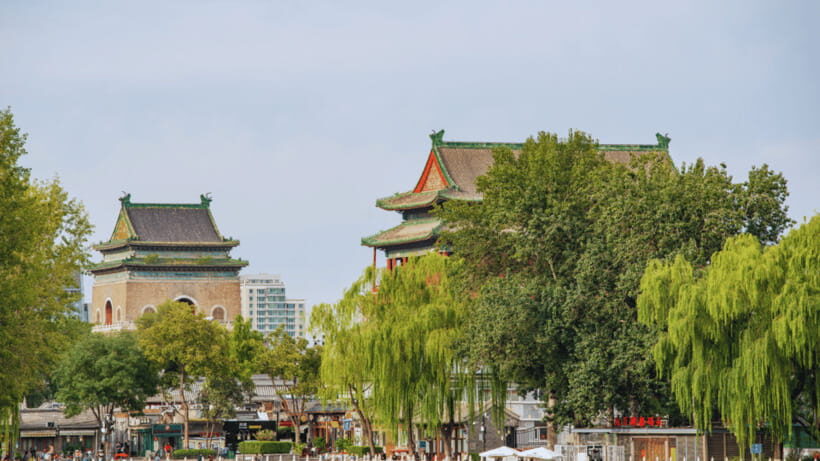
- Full access to both towers with separate entry tickets, so you can explore at your pace
- Yongle-era craftsmanship including a 63-ton bell known as the King of Ancient Bells
- The Drum Tower’s 25 drums concept, designed for daily timekeeping
- Climb for a drum performance chance (around five minutes, time varies)
- Skip-the-line entry so you spend less time waiting and more time looking
Where the Bell and Drum Towers Fit in Beijing’s Daily Rhythm

The Bell and Drum Towers sit at the northern end of Beijing’s central axis, basically where the city’s “official time” idea lived. In the old system, time wasn’t something you checked on your phone. It was sounded—by drum at dusk and bell at morning—so the whole city could feel the day turning.
Built originally in the Yuan Dynasty and later shaped through later dynasties, these towers were made for practical daily duty. That’s why they feel different from a monument that’s only there to be photographed. This is architecture that was designed to run a schedule.
One cool detail: you’re not just visiting two random buildings. The layout is known for its north-south arrangement, and that makes the complex feel like a designed system rather than a single landmark.
A few more Beijing tours and experiences worth a look



Price and Ticket Value: What About $13 Actually Buys You
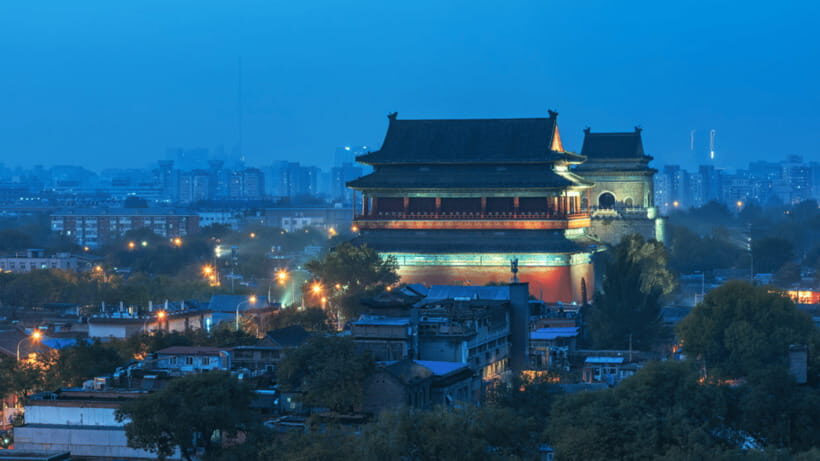
At around $13 per person for a 4-hour visit, the value comes from coverage and convenience. You’re getting entry tickets for both the Bell Tower and Drum Tower, plus an English PDF guidebook.
Also, there’s skip-the-ticket-line access. In Beijing, that kind of time-saver matters because queueing can eat your day. When you can cut the waiting, you can actually spend the time doing what you came for: reading the details, comparing structures, and taking photos without rushing.
If you’re the type who likes to explore under your own steam, this ticket matches your style. If you’d rather have a guide explain everything in real time, you may find the experience a bit quieter than a guided tour—because no live guide is included.
Your 4-Hour Game Plan: Self-Guided Without Feeling Lost
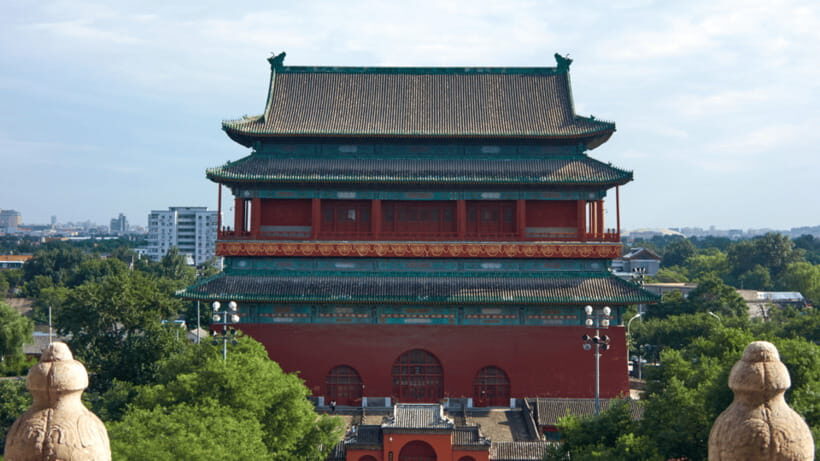
This visit is designed to work on a self-guided timeline, and four hours is a solid window. You’ll move through both towers, then decide how long you want to linger at viewpoints and photo spots.
Bring your passport or ID card. It’s listed as required, so don’t show up empty-handed and hope for a workaround.
I also recommend you arrive with a quick mindset shift: you’re not just “seeing” a bell tower. You’re trying to understand how a city used sound and timing to organize daily life. The PDF guidebook is meant for exactly that kind of slow attention.
Entering the Bell Tower: The Big Bell That Earned a Crown

The Bell Tower is where the legend of scale starts. The Ming Dynasty Yongle-era bell is famously heavy—63 tons—and it’s often called the King of Ancient Bells. Even if you’ve seen big monuments before, this one is memorable because it’s about weight, metalwork, and engineering, not just height.
As you look around, focus on how the complex supports the function of the bell. These were serious structures, built for imperial-era timekeeping, not decorative props.
The tower is part of an overall protected complex covering 12,597 square meters. That matters because you’re not racing through a narrow corridor. You have space to wander, catch angles, and take in the architectural relationship between the timekeeping components.
What to pay attention to: how the bell-related spaces are organized so sound and presence feel central. Even without a live lecture, the physical layout helps you picture how the system worked.
Drum Tower Climb: Why the Top Is the Moment to Chase

The Drum Tower is the other half of the city’s timekeeping pair. It housed 25 drums in its traditional setup, which tells you this wasn’t a small signal. This was meant to carry meaning through the day’s turning points.
The big “maybe moment” here is the performance. If you climb to the top area, you might see a drum performance that lasts about five minutes. Exact timing can vary, so you can’t schedule your whole day around it like a train departure. But it’s short enough that you can usually build in the time to wait and see.
Even if you don’t catch the show, the climb is still worth it because the Drum Tower is designed to communicate the idea of daily rhythm. You’ll see the tower’s shape from the inside and get a clearer sense of the complex as a designed instrument—architecture built to support sound and signal.
Practical tip: plan extra minutes for the top. Five minutes can feel fast, but getting your bearings takes a bit of time, especially if you’re taking photos.
You can also read our reviews of more historical tours in Beijing





What Makes This Complex Special: Yuan Roots, Ming Power, Qing Continuity

You’ll hear the story in parts, but the feeling of continuity is what sticks. The towers trace back to the Yuan Dynasty, then gain their most famous features through later periods—especially the Ming Dynasty Yongle-era craftsmanship.
That’s why the complex can feel like more than one era at once. You’re walking through layers where function stayed important, even as the style and details evolved.
The overall architecture also gets attention for its north-south design logic. In practical terms, that means the complex has a “system” feeling: different structures relate to each other in a way that helps you imagine the daily routine rather than treating each building like an isolated photo stop.
This is also a good place to slow down. When a landmark has a timekeeping purpose, it naturally encourages you to think about the daily rhythm behind it—what people did at dawn, what the city expected at dusk, and how information travelled before screens.
Using the English PDF Guidebook Like a Pro
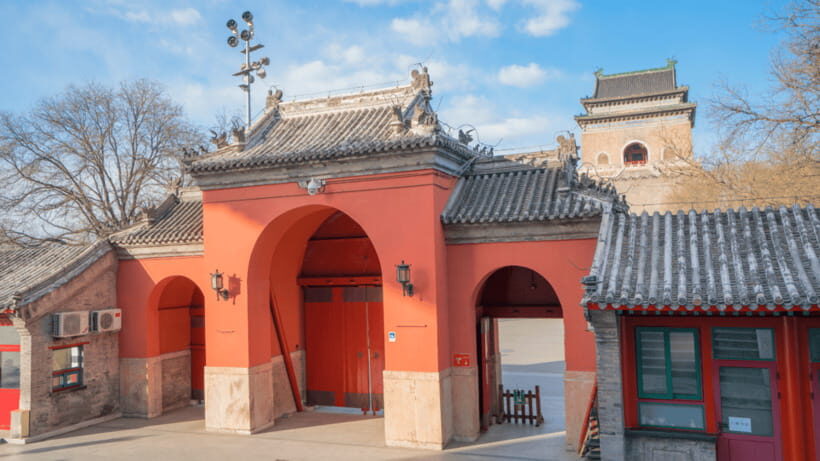
Since there’s no live guide included, your best tool is the English PDF guidebook that comes with the ticket. The goal isn’t to read every line word-for-word. It’s to use it as a cheat sheet so you know what you’re looking at as you walk.
Here’s a smart approach:
- Skim key background first, then move through the Bell Tower section
- Use the Drum Tower section to help you anticipate what the “drum system” means
- Save a slower read for when you’re standing in a key viewpoint area
This works well if you like authentic sites without a scripted commentary. It also keeps you from spending the whole visit looking for explanations that may not be easy to find in English on-site.
If you prefer guided narration, you might still enjoy the architecture, but you’ll do more of the interpretation yourself.
Photo and Viewing Tips Without the Guesswork

This is a great stop for photography because you’re working with recognizable symbols—bells, drums, and tower forms—and because you have a built-in sense of progression from one tower to the other.
For the Bell Tower, try to focus on scale cues: the bell’s size is the point, and your photos should show how the structure makes that weight feel real. For the Drum Tower, the top area is where you can capture the tower’s vertical character and the complex’s layout.
If you get a chance to see the drum performance, treat that as your brief “watch moment.” Don’t let it steal your whole visit. Use it as a highlight, then return to exploring the surrounding spaces so you leave with more than just a clip.
Service and Communication: When Planning Feels Easy
One practical advantage is that support is available through messaging. The provider is PANDA HAPPY JOURNEY IN CHINA, and you can get help via WhatsApp if you need clarifications.
That matters because in places like Beijing, small issues—like where to go first or how to use your ticket—can waste time. Having fast communication helps you keep the visit moving.
Language-wise, this experience includes an English PDF guidebook, but it’s still an on-site environment. If you don’t speak Chinese, you’ll likely rely on the provided material and any on-site signage.
Should You Book This Bell and Drum Towers Ticket?
If you like imperial-era architecture, timekeeping history, and photo-worthy landmarks, this is a strong pick. The combination of both towers, the English PDF guidebook, and skip-the-line entry makes it a smooth value deal for a four-hour stop.
I’d especially recommend it if:
- you want a self-paced cultural visit (no live guide needed)
- you’re curious about how the city tracked time before modern tech
- you’ll enjoy the chance at the short drum performance
I’d think twice if:
- you want an in-depth live narration with constant explanation
- you’re short on time and already did lots of similar heritage sites (the experience may feel more focused than broad)
If you want one clear takeaway: this ticket is best for people who enjoy looking closely. The Bell and Drum Towers reward that attention—because their whole purpose was to be noticed, heard, and remembered.
FAQ
What’s included with the ticket?
You get entry tickets for both the Bell Tower and Drum Tower, plus an English PDF guidebook.
How long should I plan for this visit?
Plan on about 4 hours.
Do I need a live tour guide?
No. A live tour guide or audio guide isn’t included, and the experience is set up to be self-guided with the PDF.
Is there a chance to see drum performances?
Yes. If you climb to the top of the Drum Tower, you may see a drum performance that lasts about five minutes, though the timing can vary based on the schedule onsite.
Can I skip the ticket line?
Yes. Skip-the-ticket-line entry is included.
What ID should I bring?
Bring your passport or an ID card.