REVIEW · BEIJING
Beijing Historical Tour II including Summer Palace, Lama Temple & Panda Garden
Book on Viator →Operated by Hantang International Travel Service · Bookable on Viator
A great mix of temples, palace gardens, and pandas. It’s a full-day Beijing highlights route with Yonghegong (Lama Temple) and the Summer Palace, plus a short silk demo and panda time. I like that the day is organized around major sights with timed stops, and I also like the inclusion of guide-led context, lunch, and entrance fees so you’re not doing guesswork all day. One consideration: part of the schedule is shopping-style (especially around silk), and optional add-ons like a boat ride can stretch the day.
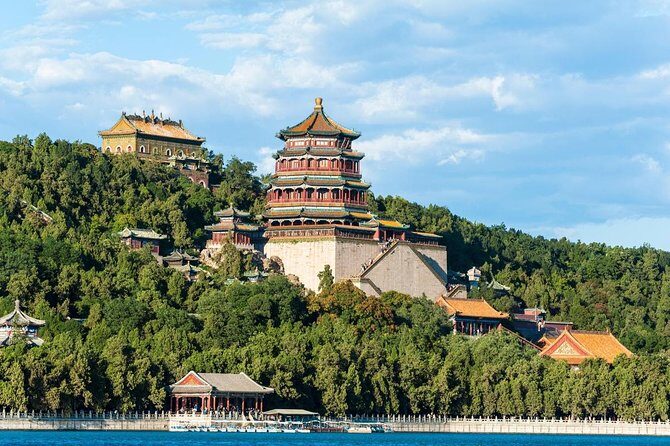
If you love big symbols and strong visuals, the Lama Temple section is a standout. You’ll learn about the famous Maitreya Buddha that’s about 18 meters up and carved from a single sandalwood tree, and you get five opulent halls with carvings, murals, and sacred objects. For a different mood, the Summer Palace gives you a scenic walk with decorated temples, pavilions, bridges, and gardens tied to imperial history—plus the park feel makes it easier to photograph than some tightly managed sites.
The main drawback is time pressure. Even though the tour is advertised as about 7 hours, the day can run longer, and you may spend more time at sales-oriented stops than you want—so come prepared to keep moving and spend selectively.
In This Review
- Key things to know before you go
- Hotel pickup to 8:00 am starts: the logistics that affect your day
- Entering Yonghegong: Lama Temple details that make it more than a photo stop
- Summer Palace (Yiheyuan) grounds: Cixi-era rebuild and the best walking loop
- Panda Garden at Beijing Zoo: seeing pandas fast without losing your day
- Tianhou Silk Market demo: what you’ll watch and how to avoid overspending
- Lunch and pace: the part that makes or breaks value
- Price and value vs. sales stops: what you’re really paying for
- Who this Beijing Historical Tour II suits best
- Should you book this tour?
- FAQ
- How long is the Beijing Historical Tour II?
- What’s included in the price?
- Do you pick up from hotels?
- Where do I meet if my hotel is outside the 4th ring road?
- What time does the tour start?
- Are tickets digital?
- Is lunch provided?
- FAQ
- Are entrance fees included?
- Is there a panda stop on this tour?
- FAQ
- Is the Summer Palace boat ride included?
- What’s the maximum group size?
Key things to know before you go
- Yonghegong’s Maitreya Buddha: expect impressive scale and standout interior ornamentation in several halls.
- Summer Palace is about grounds and views: you stroll bridges and pavilions, but don’t assume you’ll tour every interior room.
- Pandas are a scheduled stop, not a full zoo day: you’ll see the Panda Garden area with limited time.
- Tianhou Silk Market has a short demo: you watch silk-making steps briefly, then the option to buy is right there.
- Optional add-ons can change your day: a Summer Palace boat ride is offered for extra cost.
- Guide quality varies, but the best ones really work the room: names that often show up in positive experiences include Mary, William, Cathy, and Michael.
Hotel pickup to 8:00 am starts: the logistics that affect your day
This is built as an easy, car-and-guide day. You get transport on a comfortable, air-conditioned coach or mini-van, and there’s hotel pickup and drop-off for hotels within the 4th ring road highway area. If you’re outside that zone, you’re told to meet at Prime Hotel (No. 2, Wangfujing Ave.) at 7:30 am to join the tour.
The official start time is 8:00 am, but one lesson from past timing issues is simple: treat the pickup window seriously. Beijing traffic and group logistics can make a difference between a smooth morning and a rushed one, especially if your hotel is a bit tricky to find.
Also note the small planning detail: you’re getting a mobile ticket. That helps, but don’t forget your own ID and make sure your phone battery is happy—power banks are cheap insurance.
You can also read our reviews of more historical tours in Beijing
Entering Yonghegong: Lama Temple details that make it more than a photo stop
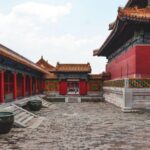
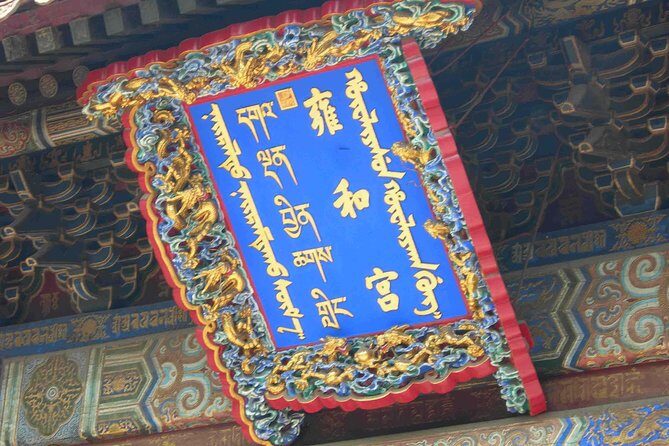
Your first big stop is Lama Temple (Yonghegong), one of Beijing’s key Tibetan Buddhist sites outside Tibet. This is not just a single hall you glance at. The temple complex includes five opulent halls with colorful carvings, sacred objects, and detailed murals.
What makes it special is the mix of influences in the architecture. You’ll see how styles connect Han, Mongolia, Manchuria, and Tibet. Even if you’re not a Buddhism scholar, that blend helps you understand why this site feels layered—like multiple traditions built a shared visual language.
The visual centerpiece is the Maitreya Buddha, described as roughly 18 meters above ground. It’s said to be carved from a single sandalwood tree, which is one of those details you’ll want to remember when you’re standing in the courtyard looking up. If you like your history concrete—materials, scale, and symbolism—this stop delivers.
How to make this part pay off:
- Go in with one question in mind: what does Maitreya symbolize here, and why does its scale matter?
- Take photos quickly, but leave room for the guide’s path. The “labyrinth” feeling is real, and good guiding helps you not wander in circles.
In the best versions of the tour, guides like Mary or William are praised for pacing and clarity, so you get both atmosphere and meaning—not just directions.
Summer Palace (Yiheyuan) grounds: Cixi-era rebuild and the best walking loop

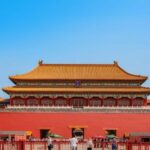
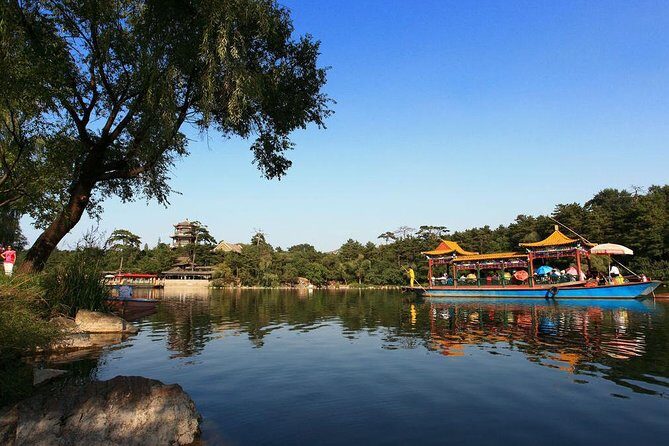
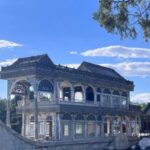
Next comes the Summer Palace (Yiheyuan), a UNESCO World Heritage site and the kind of place where Beijing slows down just enough for you to enjoy it. This estate functioned as an imperial retreat for centuries, and Empress Dowager Cixi had it renovated in the 19th century after earlier destruction.
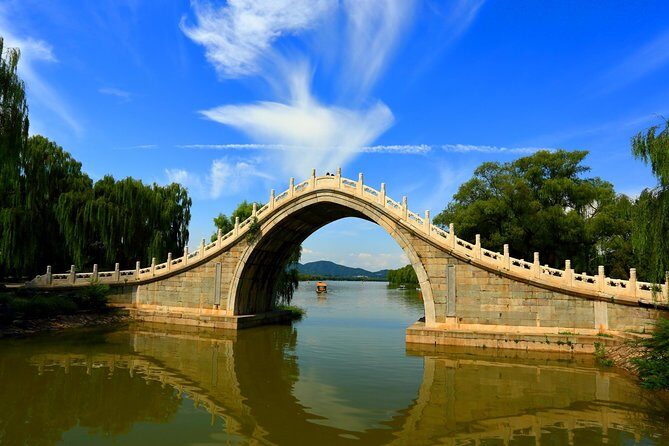
You’ll walk the grounds and see decorated temples, picturesque pavilions, quaint bridges, and gardens. A big practical point: this day is described as exploring the estate grounds and public areas, not doing a deep, room-by-room interior palace tour. One traveler explicitly said the focus can feel more outside than inside, so set your expectations accordingly.
What you can do to get more out of your stroll:
- Plan for photos around bridges and pavilion angles—this is where the palace looks “designed,” not accidental.
- If you choose an optional activity (like a boat ride), decide early. Once the schedule tightens, it’s harder to back out without feeling rushed.
In several experiences, guides such as Alice, Cynthia, and Marie are credited with making this stop smoother by giving context while you’re moving between scenic points. That’s how you keep it from becoming a checklist.
Panda Garden at Beijing Zoo: seeing pandas fast without losing your day
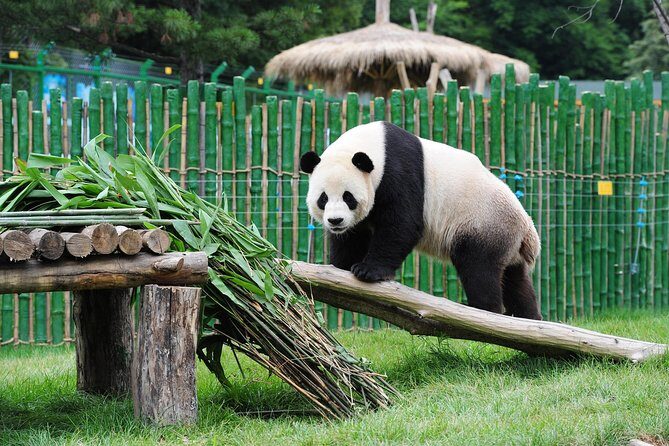
After the palace grounds, the schedule turns toward pandas at the Panda Garden (Beijing Zoo). This is a good stop if it’s your first Beijing trip and you want to say you saw pandas without committing to a half-day self-guided zoo plan.
Just be aware of timing: you’ll have a set window, not unlimited wandering. One group reported starting panda viewing early in the morning, while others later said the panda time can feel quick. If pandas are the top priority for you, arrive ready to move and keep your expectations realistic.
What tends to work:
- Focus on the visible panda areas rather than chasing every side path.
- If you’re traveling with kids, keep the day flexible—panda luck can’t be scheduled.
If you’re going mainly for pandas, it helps to treat the rest of the day as context around that core moment: Lama Temple gives meaning, Summer Palace gives scenery, and the panda stop gives the fun payoff.
Tianhou Silk Market demo: what you’ll watch and how to avoid overspending
The final cultural stop is Tianhou Silk Market, where you’ll watch a short demonstration on making silk. This is the most “hands-on watching” moment on the tour, and it can be genuinely useful if you’ve never seen how silk is processed before.
You’ll likely also get time to buy silk if you want. That’s where you should shop with calm, not impulse. Multiple experiences mention sales pressure at silk and related showrooms (including more than one shop-style stop). The difference between a good day and an unpleasant one is usually how you handle that part:
- Set a spending limit before you arrive. You’ll thank yourself later.
- If you’re not buying, you can still enjoy the demonstrations—just keep your boundaries clear.
- If you’re offered optional add-ons later in the day, ask what’s included and what costs extra right away.
Some guides are praised for balancing info and freedom; others can steer the day more heavily toward shopping venues. In past positive moments, people name guides like Michael, Cathy, and Suzanne for keeping things organized and not overly pushy.
Lunch and pace: the part that makes or breaks value
A Chinese-style lunch is included, which is a real value add. The trade-off is quality can be variable. One person said the lunch was sub-par compared with meals on other Beijing tours, and another said it was delicious. Your best move is to treat lunch as fuel, not the main event. If you have specific dietary needs, plan to bring a backup snack.
The second pacing issue is how the schedule flows between stops. A few reports describe the tour as fast or feeling like a walk from one spot to another, and other reports say it’s comprehensive and photo-friendly. Since the tour includes multiple big-ticket sights plus a shopping-style market stop, it’s normal that you’ll spend less time in any single location than you would on a private day.
That’s also why optional experiences matter. A Summer Palace boat ride is offered as an add-on for extra cost, and one traveler even said choosing the boat helped add something to the day. But if you want time for slower wandering or extra shopping, that boat ride can eat your schedule.
Bottom line on pace: if you like relaxed museum time, you might want to add a buffer day in Beijing after this tour. If you like seeing a lot and letting one guide “direct traffic,” you’ll likely feel satisfied.
Price and value vs. sales stops: what you’re really paying for
At $93 per person for about a half-day? No—this is positioned as a full-day cultural circuit. The value comes from what’s included:
- Hotel pickup/drop-off (within the 4th ring road area)
- Air-conditioned transport
- English-speaking guide
- Lunch
- Entrance tickets
- The silk market demo
Those inclusions matter because Beijing can be time-consuming to navigate by yourself. One car day that handles admissions and logistics can be worth real money, especially if it’s your first visit.
Where value can slip is when optional shopping or add-ons take over your available time. If your goal is Lama Temple and Summer Palace with minimal “factory/store” time, be ready for at least one market-style stop and possibly more depending on the day’s flow. Some experiences also mention pearl showrooms and tea-related add-ons showing up as part of the route.
My practical advice: treat this tour as a guided highlights sampler. If you want a slow, interior-focused palace day or zero sales stops, you’d likely be happier with a more tightly focused plan.
Who this Beijing Historical Tour II suits best
This tour fits best if you:
- Want an efficient first-day-or-first-two-days Beijing hit
- Appreciate guided context at Lama Temple and Summer Palace
- Are okay with planned stops that include shopping-style venues (especially around silk)
- Prefer group logistics over self-planning admissions and transit
It’s less ideal if you:
- Hate sales pressure and want zero showroom time
- Need a slow pace with lots of interior palace time
- Are very strict about avoiding optional add-ons
Guides can shape the experience. Names that show up in strong positive feedback include William, Mary, Alice, Cathy, and Michael—and their standout trait seems to be balancing facts with flow so you don’t feel stuck waiting around or confused about where to focus.
Should you book this tour?
I’d book it if you’re excited by the headline combo: Lama Temple + Summer Palace + pandas + a silk demo. At this price point, the included transport, entrance tickets, and lunch add up, and you’ll leave with photos plus enough story to place what you saw into context.
I’d think twice if your ideal Beijing day is quiet, slow, and shopping-free. The route includes market-style selling, and the pace can tighten—especially if you add optional extras like the Summer Palace boat.
If you do book, go in with two rules:
- Decide your shopping budget before you step into the first store.
- If you’re planning a boat ride or any add-on, lock it in early so the rest of your day doesn’t get crowded.
FAQ
How long is the Beijing Historical Tour II?
The tour is listed at about 7 hours.
What’s included in the price?
The price includes hotel pickup and drop-off for hotels within the 4th ring road area, air-conditioned transport, a professional English-speaking guide, a Chinese-style lunch, entrance tickets, and a short silk-making demonstration at Tianhou Silk Market.
Do you pick up from hotels?
Yes, pickup and drop-off are offered. Hotels within the 4th ring road highway area are eligible.
Where do I meet if my hotel is outside the 4th ring road?
If your hotel is outside the 4th ring circle highway, you join at Prime Hotel at 7:30 am (No. 2, Wangfujing Ave., phone +86-10-65136666).
What time does the tour start?
The start time is 8:00 am.
Are tickets digital?
Yes. The tour offers a mobile ticket.
Is lunch provided?
Yes, the tour includes a Chinese-style lunch.
FAQ
Are entrance fees included?
Yes. Admission tickets are included for the listed attractions.
Is there a panda stop on this tour?
Yes. You visit the Panda Garden to see pandas. The Summer Palace stop is paired with the panda visit as part of the day’s plan.
FAQ
Is the Summer Palace boat ride included?
A boat ride is offered as an optional add-on, and it may cost extra. Some travelers also mention it as something you can choose if you want.
What’s the maximum group size?
The activity lists a maximum of 999 travelers.