REVIEW · LHASA
Tibet Tour 8 Days Lhasa to Everest Base Camp Small Group Tour
Book on Viator →Operated by Tibet Vista · Bookable on Viator
Lhasa to Everest Base Camp is a long haul, but this plan keeps it organized. You get a small-group pace, an English-speaking guide, and the key Tibet logistics handled so you can focus on the sites.
You’ll also get pickup/drop-off, permits, and a pack of practical altitude touches (like in-car oxygen) that make the trip feel less like a DIY scramble. One drawback: several days involve serious driving time, and Everest-area plans depend on weather.
What I really like is how the route links famous Lhasa highlights with lesser-seen stops like Gyantse and the road views around high passes. I also like that the tour includes the big “paperwork burden” for Tibet, plus entrance fees and transport so you can budget one number and go.
The main consideration is altitude plus long days. Even with oxygen available, you’ll want moderate fitness and a calm attitude about rest stops and slower pacing.
In This Review
- Key highlights that make this tour worth considering
- The value play: what $949 actually buys you in Tibet
- Permits, oxygen, and winter care: the real altitude support
- Day 1 in Lhasa: greeting, river views, and first-night settling
- Potala Palace and Jokhang Temple: the core Lhasa morning and afternoon
- Potala Palace (winter palace)
- Jokhang Temple and the famous Buddha statue detail
- Barkhor Street kora and Tibetan tea
- Drepung, Dadong Village, and Sera Monastery’s debate hour
- Dadong Village first (morning)
- Sera Monastery in the afternoon
- Gyantse and Shigatse: lake color, high passes, and Karo La Glacier
- Yamdrok Yumtso Lake and the Gampala pass
- Karo La Glacier and Simila Mountain Pass prayer flags
- Pelkor Chode Monastery and the Gyantse Kumbum
- Everest Base Camp Day 5: permits, high passes, and a 12-hour push
- Rongbuk sunrise and the Everest face on Day 6
- Day 7 return toward Lhasa: Tashilhunpo and a long drive
- Day 8: leaving Tibet with the permit timeline in mind
- Price, inclusions, and the small ticket ambiguity you should confirm
- Who this tour fits best (and who might want a different style)
- Should you book Tibet Vista’s 8-Day Lhasa to Everest Base Camp small-group tour?
- FAQ
- What is included in the tour price?
- Do I need a visa before I travel?
- How big is the group?
- Is oxygen provided for altitude?
- What about entrances and site tickets like Potala Palace and Jokhang Temple?
- Is lunch or dinner included?
- Is Everest Base Camp weather-dependent?
Key highlights that make this tour worth considering
- Small group size (max 12) for better guide access and smoother timing.
- Tibet permit and key services handled (not the Chinese L visa itself), reducing stress before departure.
- Oxygen cylinder in the car (4L or 7L) plus winter warmth support in season.
- A tight set of signature religious sites: Potala Palace, Jokhang Temple, Sera Monastery, and more.
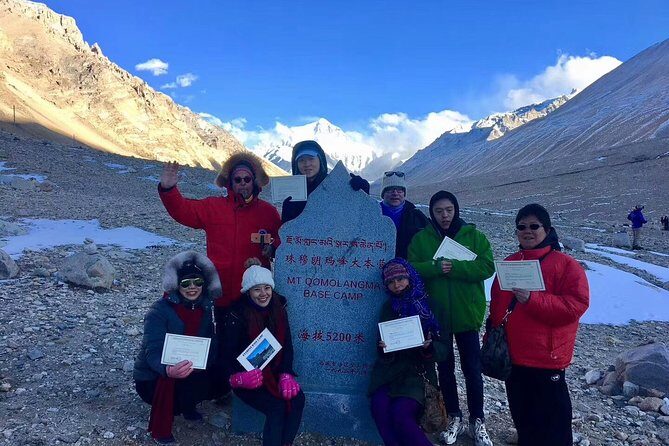
- Everest Base Camp included with an Echo bus fee, saving you from hunting logistics on the ground.
- Comfort-focused travel: van/minibus with an experienced local driver and drinking water provided.
The value play: what $949 actually buys you in Tibet
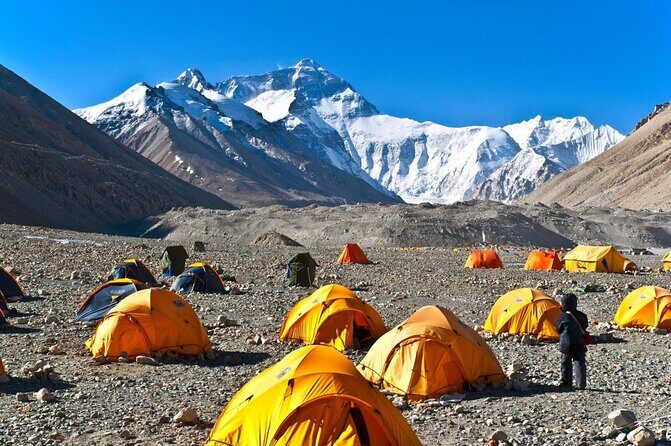
At $949 per person (price based on double occupancy), this tour is priced like a “do it with a team” experience. You’re not just paying for a driver and a checklist. You’re paying for the parts that often trip people up in Tibet: permits, language/interpretation, site-entry timing, and the constant reshuffling of plans when roads and weather don’t cooperate.
This itinerary is also spread out on purpose. Instead of spending all your time in Lhasa, it layers in Gyantse and the drive south and east toward Everest. That matters because Tibet is not a place you “scan.” You feel it through long roads, high passes, monastery courtyards, and distant mountains that only reveal themselves after you’ve climbed.
A practical bonus: it includes accommodations with breakfast in Lhasa and Shigatse (twin-sharing). That reduces the chance you’ll show up underprepared, thinking you can sort lodging later. You also get welcome dinner when you meet the group in Lhasa, plus a Tibet Handy Map to keep you oriented.
One more value detail I appreciate: the tour explicitly bundles many “invisible” costs like transport, service charges/government taxes, and site entry fees (though the day-by-day notes sometimes list certain tickets as not included—more on that below).
You can also read our reviews of more tours and experiences in Lhasa.
Permits, oxygen, and winter care: the real altitude support
Tibet is governed by permits, and the tour leans into that reality. It includes your Tibet Travel Permit and other necessary permits for Tibet, but it notes that it does exclude the Chinese L visa. It also provides a Chinese Visa invitation letter if you need it.
Timing matters here. The tour requires you to submit passport photocopies and China L visa photocopies at least 20 days prior to travel so the Tibet permit can be prepared and delivered to your address or hotel in one city in China. If your departure plans are tight, plan backwards from your travel date.
Now the physical comfort layer: you get oxygen cylinders in the car (4L or 7L). It doesn’t make altitude disappear, but it changes the mood. When you’re stuck waiting at a pass or taking in a viewpoint, having oxygen available can help you keep moving instead of spiraling into panic breathing.
Seasonal help is even more specific. There’s a winter care service from Nov 15 to Feb 15 that provides hot water bottle and electric blanket while staying at Rongpuk Guest House. That’s the kind of detail that actually helps in Tibet’s colder months, when warmth is not a luxury.
Day 1 in Lhasa: greeting, river views, and first-night settling
Your first day is straightforward. A Tibetan guide greets you at the airport or train station, then you’re transferred to a downtown Lhasa hotel with pickup/drop-off service included.
Even this “arrival” day has a payoff. The route includes scenery along the Yarlung Tsangpo River on the way into Lhasa. It’s not an attraction stop with a ticket booth; it’s a gentle introduction to how large Tibet feels and how quickly your eyes get trained to read mountains and sky.
This is also the day to do your simplest altitude routine: drink water, eat something light, and don’t turn your first evening into a marathon. Your itinerary will already be busy.
Potala Palace and Jokhang Temple: the core Lhasa morning and afternoon
Day 2 is built around two of the big names in Tibetan religious and cultural life.
Potala Palace (winter palace)
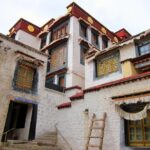
You’ll visit Potala Palace, described here as the winter palace of the Dalai Lama and associated with use dating back to the 7th century by a king referenced in the tour details. You’ll typically spend around 1 hour 30 minutes there.
The big appeal is scale and symbolism. Even if you’ve seen photos, the palace works best in person because it sits above the city and pulls your gaze upward. Plan for walking time, indoor temperature shifts, and crowds depending on when you arrive.
Jokhang Temple and the famous Buddha statue detail
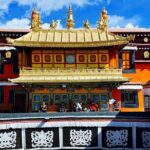
After lunch you head to Jokhang Temple, founded in the 7th century by the same figure referenced in the tour details. The itinerary notes a very specific inside highlight: a statue of Buddha Sakyamuni at age twelve.
Barkhor Street kora and Tibetan tea
Then you circle the area with Barkhor Street. The point here is not shopping. It’s watching locals do kora (a religious loop around the sacred site) while you’re close enough to feel the daily rhythm. There’s also a chance to taste Tibetan tea with locals, which is one of those small inclusions that makes a stop feel human rather than purely monumental.
Small ticket note to keep you sane: the day-by-day timing section lists admission ticket not included for Potala Palace and Jokhang Temple, but the tour inclusions section states that entrance ticket fees of all tourist sites listed in the itinerary are included. Before you go, I’d confirm how your specific booking handles those tickets. That one check can prevent a last-minute surprise.
Drepung, Dadong Village, and Sera Monastery’s debate hour
Day 3 gives you a different kind of Tibet: more village texture and monastery atmosphere.
Dadong Village first (morning)
You visit Dadong Village, described as a well-protected ancient Tibetan village about 25 kilometers southwest of Lhasa. This stop is listed for about 3 hours, and that time is key. It’s not meant to be a quick photo dash; it’s time to slow down and see daily life patterns, architecture, and the landscape of the area.
Sera Monastery in the afternoon
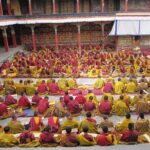
In the afternoon you go to Sera Monastery, one of the “great three” Gelug monasteries. The big attraction here is the monks’ debate, mentioned as happening around 3 to 5 in the afternoon.
This is a smart scheduling choice. Debate adds motion and sound to a place that might otherwise feel quiet and static. Even if you don’t catch every word (and you probably won’t without deep training), you’ll still feel the energy: students answering, challenging, and learning in public.
Gyantse and Shigatse: lake color, high passes, and Karo La Glacier
Day 4 is one long scenic corridor with multiple stop points.
Yamdrok Yumtso Lake and the Gampala pass
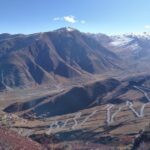
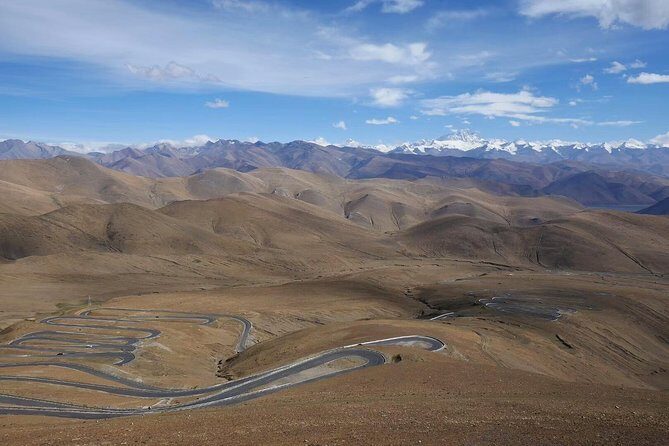
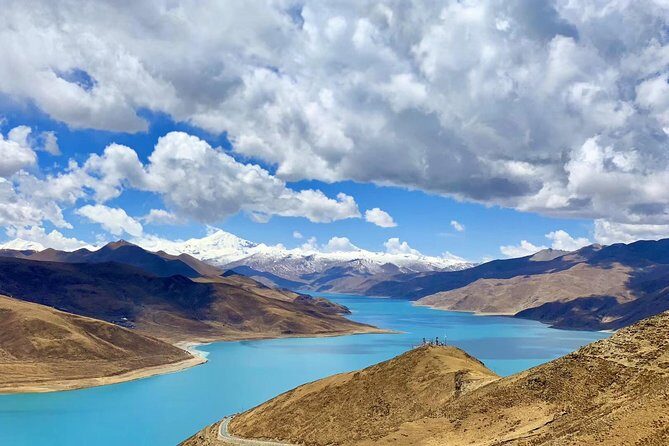
You drive from Lhasa toward Shigatse, with a pass crossing at Gampala (4790 m) and glimpses of Yamdrok-tso (around 4400 m). It’s short—about 30 minutes—but it’s timed to catch you at a dramatic viewpoint.
Even brief lake stops work well on this route. The bus ride is what gives you altitude context; the stop is where your brain gets to refresh and take in the big picture.
Karo La Glacier and Simila Mountain Pass prayer flags
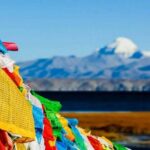
You also pass the roadside Karo La Glacier and stop around Manak Dam Lake. The tour mentions hanging prayer flags at Simila Mountain Pass, which is one of those moments where you’re doing something simple but meaningful.
Pelkor Chode Monastery and the Gyantse Kumbum
In Gyantse you visit Pelkor Chode Monastery and the Gyantse Kumbum, plus a far view of Gyangtse Fortress. This is the part of the itinerary that helps you see Tibet beyond the famous two-day Lhasa circuit. Gyantse is built for you to understand regional differences, not just replicate the biggest tourist hits.
You finish the day arriving in Shigatse, described as Tibet’s second largest city in the tour details, after about 1.5 driving time from Gyantse to Shigatse.
Everest Base Camp Day 5: permits, high passes, and a 12-hour push
Day 5 is the workday. It’s listed as about 12 hours, and for a reason: getting to the Everest Base Camp area takes time, and you’ll be driving through big elevations.
Before you head out, the itinerary says you’ll handle your Aliens travel permit (as described) and then drive toward Lhatse for lunch. From there, you’ll pass major elevation markers: Tsola Pass (4600 m) and Gyatsola Pass (5248 m).
When you enter the Everest-area zone, you’re not just sightseeing—you’re moving through layers of altitude and weather risk. I’d treat this day like a “show up, breathe, and follow the plan” day. Don’t overreach on strenuous stops. Let the guide set the tempo.
Rongbuk sunrise and the Everest face on Day 6
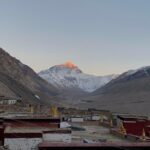
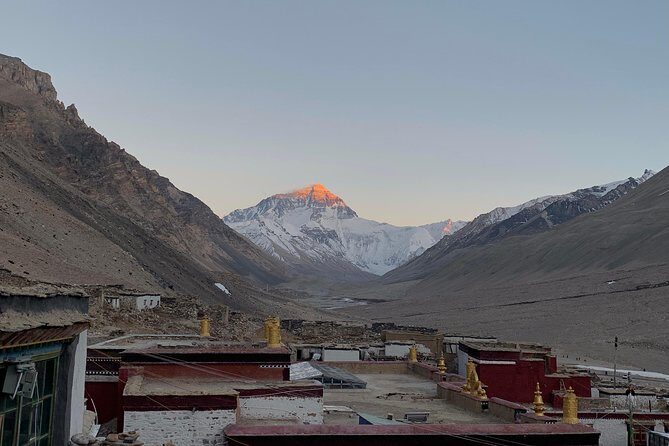
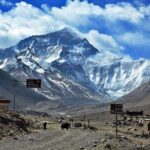
Day 6 is built for views, and the key moment is early. You start at Rongbuk Monastery, with the itinerary describing the chance to see sunrise appear over the top of Mount Everest from a vantage point at Rongpuk.
This is why people plan multiple days near Everest. The light and air are different at different times of day, and you want at least one shot at a clear morning.
The tour includes about 1 hour at Rongbuk Monastery for this sunrise segment. Keep your gear ready, because mornings in altitude regions make you want to waste zero time.
Day 7 return toward Lhasa: Tashilhunpo and a long drive
On Day 7 you shift back to cultural stops with a big driving chunk.
You visit Tashilunpo Monastery, described as the seat of Tibet’s second highest incarnation—the Panchen Lama. This stop is listed around 2 hours. It’s a good counterbalance after Everest, because monasteries let you slow down and let your brain process what you just saw.
Then you drive about 280 km (175 miles) back to Lhasa by the afternoon/evening pace described. That drive is part of the reality of this region: distance is the schedule, not the extra.
Day 8: leaving Tibet with the permit timeline in mind
Day 8 is a departure day. The tour notes that you have to leave Tibet by air or flight because your Tibet permit is limited for this tour. It also offers assistance to arrange airport/railway drop-off service if you want to extend elsewhere via another tour.
So if your dream includes extra days in Lhasa or around Everest, plan for it early. You’ll need separate arrangements because this specific permit window is tied to the tour dates.
Price, inclusions, and the small ticket ambiguity you should confirm
The headline value is clear: transport, guide, oxygen, accommodations with breakfast, multiple monastery and palace entries, and pick-up/drop-off are all included.
The big “what you get” list includes:
- Tibet travel permit and necessary permits (excluding the Chinese L visa)
- Experienced local driver with comfortable van/minibus (gasoline included)
- English-speaking Tibetan guide
- Welcome dinner in Lhasa
- Oxygen cylinder in the car
- Drinking water provided
- Hotels with breakfast in Lhasa and Shigatse (twin-sharing)
- Entrance ticket fees stated as included for the sites listed, plus Everest Base Camp Echo bus fee
The part to verify: the day-by-day stop details sometimes label tickets as not included for certain major sights like Potala Palace and Jokhang Temple. Since the inclusions section says entrance fees are included, your best move is to ask your booking channel or operator for a plain list: which sites are covered, which are not, and how you’ll pay if anything is missing.
Also budget for what’s not included:
- Lunches and dinners (only the welcome dinner is included; breakfast is included for 6 mornings)
- Tips for driver and tour guide
- Flight/train to Lhasa (they say they can help if you need it)
Who this tour fits best (and who might want a different style)
This tour suits you if you want:
- A guided experience across multiple regions, without piecing together permits, transport, and site entry
- A small group setting (max 12) so you’re not lost in a crowd
- The classic Lhasa highlights plus a real shot at Everest-area views over multiple days
It may not fit as well if you:
- Struggle with long driving days (Day 5 is about 12 hours)
- Want total independence with zero guide-led timing
- Have very tight flexibility needs around weather, since Everest-area plans require good weather
Should you book Tibet Vista’s 8-Day Lhasa to Everest Base Camp small-group tour?
I’d book this when you want Tibet to feel planned and supported—especially if you’re new to altitude travel or you’d rather not gamble on logistics. The biggest strengths are the permit handling, the in-car oxygen, the small-group size, and the fact that the itinerary hits Lhasa, Gyantse/Shigatse, and Everest without making you “DIY” any of the hard parts.
Before you commit, do two quick sanity checks:
- Confirm how Potala Palace/Jokhang/Jokhang-related ticket details work for your exact booking.
- Be honest about altitude comfort and your willingness for long drive days.
If those boxes work for you, this is a practical way to connect Tibet’s major spiritual sites with the Everest area in a single, guided arc.
FAQ
What is included in the tour price?
The tour includes a Tibet Travel Permit and other necessary Tibet permits (excluding the Chinese L visa), an English-speaking Tibetan guide, comfortable van/minibus transport with an experienced local driver, oxygen cylinders in the car, accommodations with breakfast in Lhasa and Shigatse (twin-sharing), welcome dinner in local restaurant, drinking water, entrance ticket fees for sites listed in the itinerary (as stated in the inclusions), and pickup/drop-off from the airport or train station to Lhasa.
Do I need a visa before I travel?
The tour states that it includes a Chinese Visa invitation letter if needed, but it does not include the Chinese L visa itself. You must provide photocopies of your passport and China L visa at least 20 days prior to travel for the Tibet permit process.
How big is the group?
This tour/activity has a maximum group size of 12 travelers.
Is oxygen provided for altitude?
Yes. Oxygen cylinders are provided in the car (either 4L or 7L).
What about entrances and site tickets like Potala Palace and Jokhang Temple?
The inclusions section says entrance ticket fees for tourist sites listed in the itinerary are included, but the itinerary stop notes also show some admissions marked not included. Confirm your exact inclusions with your booking so you know what is covered for your dates.
Is lunch or dinner included?
No. Lunches and dinners are excluded. The tour includes one welcome dinner and breakfast (listed as 6 breakfasts).
Is Everest Base Camp weather-dependent?
Yes. The tour notes that the experience requires good weather and may be canceled due to poor weather, with an option to reschedule or receive a full refund.