REVIEW · LHASA
15 Days Mt Everest and Mt Kailash Kora Pilgrimage Group Tour
Book on Viator →Operated by Great Tibet Tour · Bookable on Viator
You can cross two sacred frontiers in one trip. This 15-day group tour links Lhasa classics with Everest Base Camp and handles the hard part up front: Tibet permits and airport logistics.
I love how the trip is kept practical for a super-logistical itinerary. You travel with a licensed vehicle and a local English-speaking guide, and the group is capped at 12 people.
The trade-off is altitude and long road days. You’ll be dealing with high passes and a trek that peaks at 5,630m, so you really do need strong physical fitness and a sensible pace.
4-6 Key Highlights That Matter in Real Life
- Tibet permits managed for you (including express delivery) so you’re not stuck chasing paperwork.
- Small group size (max 12) with a guide and licensed vehicle throughout the main route.
- Everest Base Camp camping and a sunrise option when weather cooperates.
- Kailash Kora trek with the Dromala pass (5,630m) plus eco-bus support for key transfers.
- Oxygen tank + sleeping bag included, which helps for emergency readiness and cold-night planning.
- Entrance fees and key transfers included, so the budget doesn’t surprise you mid-trip.
In This Review
- Why This Everest and Kailash Loop Feels Efficient
- Lhasa Start: Potala Palace, Jokhang Temple, and Barkhor Street
- From Lhasa Toward Shigatse: Yamdrok Yumtso and Gyantse Stops
- The Shigatse to Everest National Reserve Grind (And Why It’s Worth It)
- Everest Base Camp Area: Sunrise Timing and Camping Nights
- The Kailash Setup: Long Drive Days and Big-View Expectations
- Kailash Kora Trek: Sarshung Valley, Porters, Yaks, and Dromala Pass
- Manasarovar Day and the Final Kora Loop
- Sakya, Nyemo, and the Northern Return to Lhasa
- Price and Logistics: Is $2,280 Good Value?
- Who This Tour Fits Best (And Who Should Rethink It)
- Should You Book This Everest and Kailash Kora Tour?
- FAQ
- What does the $2,280 price include?
- How long is the tour?
- How challenging is the Mt. Kailash Kora trek?
- Do you handle airport transfers in Lhasa?
- Are Tibet permits included, and how much lead time do I need?
- Is travel insurance included and can I get a refund if I cancel?
Why This Everest and Kailash Loop Feels Efficient
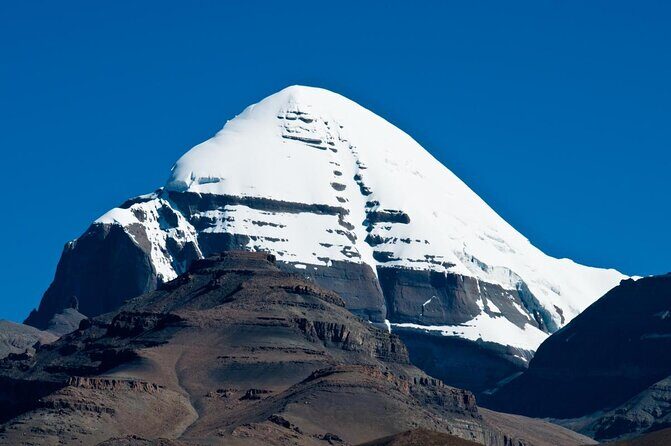
A trip to Tibet becomes less about ticking sights and more about winning the logistics game. This route does that for you by bundling Lhasa temple time with the far north and far west, including the Mt. Kailash Kora trek and the Everest Base Camp area.
I like that the tour includes the big “stuff that can go wrong” such as permits, airport-to-hotel transfers, and the licensed vehicle. When you’re traveling at altitude and moving through remote regions, reducing decision-making is a real comfort.
At the same time, this isn’t a relaxed spa tour. Expect long drives, early starts, and cold nights when tents are part of the plan. If you want everything paced perfectly, you may find the schedule intense.
Lhasa Start: Potala Palace, Jokhang Temple, and Barkhor Street
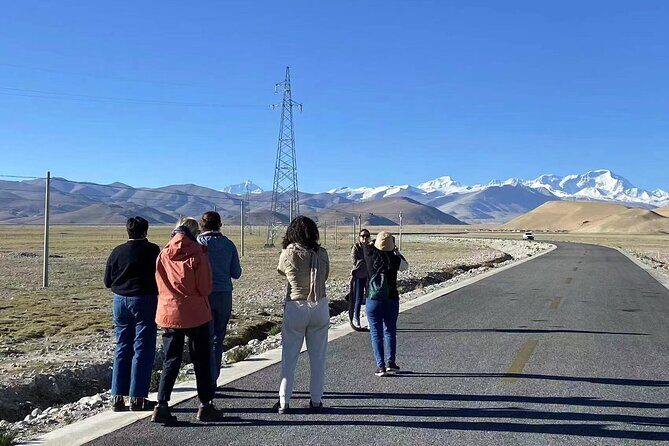
You start in Lhasa with the basics sorted: pick-up from Lhasa Gonggar Airport and transfer to your hotel on day one. That matters because the first day usually sets your energy level for the whole trip.
The next day is your monastery primer with Drepung Monastery (Zhebang Si). This is one of Tibet’s key Gelug monasteries, and the visit helps you understand why Lhasa is the religious heart of the region before you go deeper into the pilgrimage loop.
On day two afternoon, you visit the Tibet Museum and Norbulingka (Precious Stone Garden). The museum gives you an easy starting point for what you’ll later see in temples and monasteries—clothing, daily life, and festival customs. Norbulingka is the Dalai Lama’s traditional summer retreat, and it adds a more human, royal-story angle to the trip.
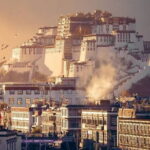
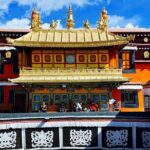
Day three is classic Lhasa at full volume: Potala Palace in the morning, then Jokhang Temple after lunch. Potala is the winter palace of the Dalai Lama, and it’s still the most recognizable symbol on the skyline. Jokhang is widely considered Tibet’s most sacred temple, and it’s the kind of place where you’ll feel why pilgrims keep coming back.
You finish with Barkhor Street, where souvenir shopping is easy and the street-life energy is real. If you like photographing detail—prayer flags, doorways, and market rhythm—this is a good place to slow down.
A small practical note: Lhasa days often come with crowds. You’ll get plenty of time at each stop, but go in expecting that you’ll share space with other visitors and pilgrims.
You can also read our reviews of more tours and experiences in Lhasa.
From Lhasa Toward Shigatse: Yamdrok Yumtso and Gyantse Stops
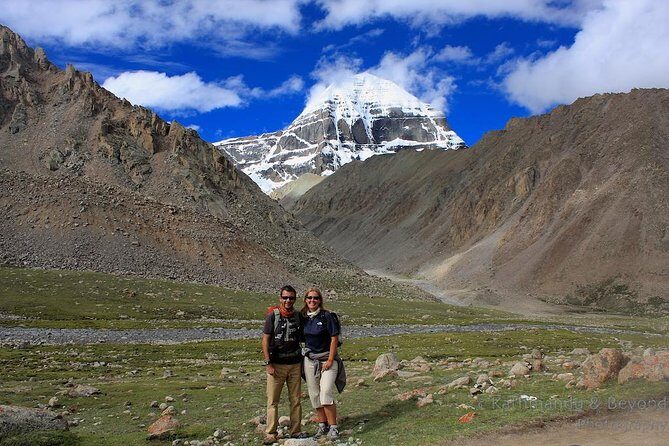
Once you head out of Lhasa, the route starts acting like a moving viewpoint. Day four drives you toward Shigatse with a stop at Yamdrok Yumtso Lake, a holy lake with striking natural scenery. You’re not just going for a quick photo here—you’re passing a site that’s part of the spiritual map of the journey.
On the way, you also pass the Karola Glacier and see it from the roadside. It’s not a full glacier trek, but the roadside access is still valuable because it breaks up the long travel hours with something memorable and different.
In Gyantse, you visit Pelkor Chode Monastery, known for intact murals and statues. I like stops like this because they’re often more visually grounded than the big-name landmarks, and they reward patient looking.
This is also the segment where you’ll start to feel the geography shift—higher, wider, and more remote. Bring your best “layer strategy,” since temperature swings can be sharp even when the sun is strong.
The Shigatse to Everest National Reserve Grind (And Why It’s Worth It)
Day five is a big transition day. You start at Tashilunpo Monastery, home of the Panchen Lama tradition. It’s a fitting pairing with your earlier Gelug-monastery visits, and it gives you another side of Tibetan Buddhist leadership.
Then you drive toward Tingri and enter the Mt. Everest National Nature Reserve. You cross Tsola Pass (4,600m) and Gyatsola Pass (5,248m), which is where altitude stops being theory and starts being part of your schedule.
The itinerary also sets expectations for panorama views along the drive. Even when clouds steal the clearest sightlines, the sheer “you are here now” feeling of driving through high passes is part of the payoff.
Practical advice: take it slow when you first step out of the vehicle. High-altitude areas can make you feel fine until you start moving fast. Hydration helps, and the included two bottles of mineral water per person per day is there for a reason.
Everest Base Camp Area: Sunrise Timing and Camping Nights
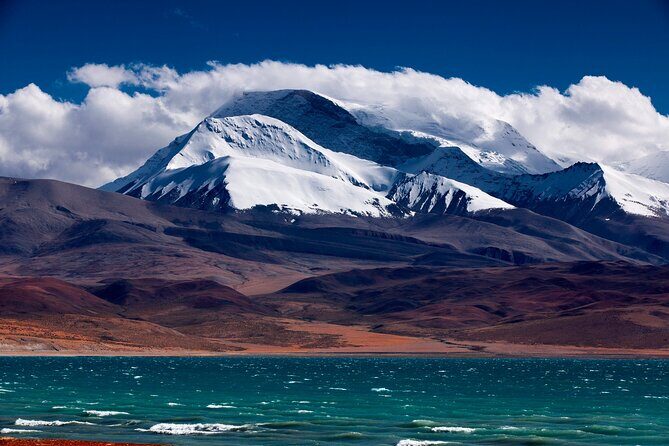
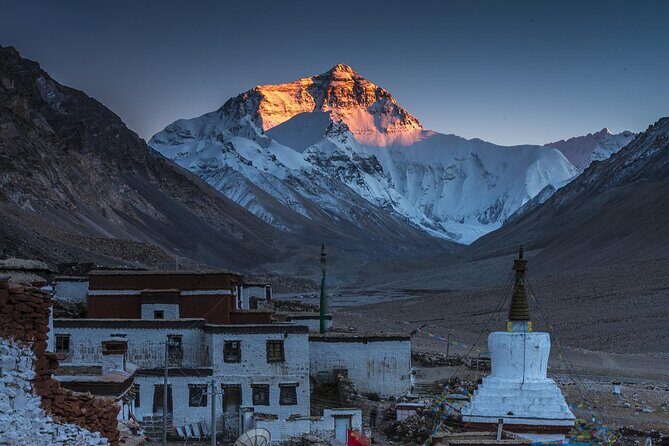
On day six, the timing gets interesting. If the weather cooperates, you rise early for a sunrise at Everest Base Camp option. That’s one of those moments where visibility can make or break the experience, so the “if weather is good” wording is exactly what you should expect in this region.
You also stop at Peikucuo Lake. It’s a quick break from the road that adds variety before you head deeper into Everest-country.
After that, you drive toward Saga and you get a view of Mt. Shishapangma (8,012m) on the way. Shishapangma isn’t the headline the way Everest is, but that kind of framing—seeing other eight-thousand-meter peaks in the broader region—makes this trip feel bigger than a single landmark.
One more included element worth noting: you have an oxygen tank for emergency use. It’s not a magic altitude shield, but it’s part of the tour’s real-world preparedness.
If the itinerary includes camping near Everest Base Camp (the trip overview says it does), your sleeping bag being included matters. Cold nights at altitude are no joke, and you don’t want to improvise bedding at the last minute.
The Kailash Setup: Long Drive Days and Big-View Expectations
After Everest, day seven is a serious “get there” day as you head toward Mount Kailash. The itinerary calls out that the drive takes a lot of time, but the reward is Himalayan views along the way, south to the Himalayas and north to the Trans-Himalayan region.
This day is also your psychological transition. You move from the Everest area’s drama to Kailash’s more focused pilgrimage energy. Same altitude reality, different spiritual tone.
You’ll spend day eight actively starting the Kora. But before you do, expect the drive to do its job: acclimate you via movement patterns (slow and steady), while also wearing you out in a useful way for an early trek.
Kailash Kora Trek: Sarshung Valley, Porters, Yaks, and Dromala Pass
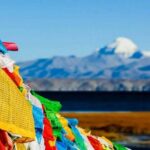
Day eight begins with an eco-bus to Sarshung Valley, where you start trekking. The eco-bus is included in the cost, which is one of those smart logistics choices that prevents you from wasting energy on transfers.
You meet porters and yaks in the Sarshung Valley area. The itinerary mentions the cost of hiring yaks and horses, which signals that animal support can be optional depending on conditions and what you choose. Even if you don’t use it, it helps to know that the trek is built around that local support system.
Day nine is the hardest: the trek climbs over the Dromala pass (5,630m). After a break at the top, you descend into a long valley and stop for lunch.
This is where I’m glad the trip asks for strong fitness. You don’t just walk; you climb at altitude, then you keep moving. Your pace matters more than speed, and your best tool is steady breathing.
For gear planning, the tour’s included sleeping bag helps, but your key trek items still matter—warm layers and good socks are usually what make or break comfort. The tour doesn’t mention trekking poles or gloves, so pack thoughtfully based on your own comfort needs.
Manasarovar Day and the Final Kora Loop
Day ten is the “easy day” within the trek arc. You trek about 9km to complete the Kora loop, then take the eco-bus back to Darchen.
The itinerary frames this as a chance to do the circumambulation of a holy mountain, a routine with deep Buddhist meaning. Even if you don’t follow the religion, there’s a powerful human pattern to walking the same loop other people have walked for generations.
What’s practical here is also important: after day nine, day ten gives you a chance to recover without ending the momentum.
Day eleven shifts you again by driving from Zhongba to Lhatse, crossing seven high mountain passes. You’re back in the vehicle for a while, which can feel like relief, but it still means altitude and road time are still in the mix.
Sakya, Nyemo, and the Northern Return to Lhasa
Day twelve brings Sakya Monastery in Sakya County, built in the 1360s. If you’ve been learning the big names in Gelug, this Sakyapa stop gives the pilgrimage story more balance and shows that Tibet’s religious world has multiple centers.
Day thirteen is the long return toward Lhasa along the northern route. You pass through Yarlung Tsangpo valley, and in Nyemo you have the chance to visit a Tibetan Incense Workshop.
That incense stop may sound small compared with the big monuments. But I like it because it’s hands-on culture you can actually picture: materials, making, and daily-use craft logic.
Day fourteen is a free day in Lhasa with no planned attractions. This is smart. You can revisit something you loved, do last-minute shopping on Barkhor Street, or just rest.
Price and Logistics: Is $2,280 Good Value?
At $2,280 per person, you’re paying for more than sightseeing. You’re paying for a hard route: permits, long-distance ground transport, entrance fees, and a trek setup in remote regions.
Look at what’s included:
- Accommodation across the trip (hotels, guesthouses, and even tent-style nights depending on the plan)
- A licensed vehicle with parking and gas
- A local English-speaking guide
- All entrance fees listed in the itinerary
- Oxygen tank for emergency use
- Sleeping bag
- Shuttle bus fees to Kailash (USD 10 per person each way)
- Pickup/drop-off from Lhasa Gonggar Airport with specific time windows
- Mineral water (two bottles per person per day)
- Tibet permits and express travel permit delivery
What’s not included is also clear: tourists travel insurance, personal expenses, and flights or trains. There are also optional sights and anything not mentioned.
So does the price feel fair? For a trip that includes Everest Base Camp camping plus a Kailash Kora trek, bundled with the paperwork burden, it usually lands in the “good value” category—especially when you compare the hassle factor of doing it independently. The tour is also capped at 12 people, which usually means less chaos than huge buses.
The main way value drops is if you hate early mornings, long drives, or altitude. This tour pays you back only if you’re okay with that trade-off.
Who This Tour Fits Best (And Who Should Rethink It)
This itinerary is best for people who:
- Want Mt. Everest scenery and the real pilgrimage rhythm of Mt. Kailash Kora
- Are comfortable with high-altitude passes and a tough trekking day over Dromala (5,630m)
- Like guided structure and want the permit workload handled
- Prefer a small group (max 12) rather than a large tour crowd
You might want to rethink it if:
- You’re looking for a low-effort vacation with lots of downtime
- You’re sensitive to altitude and aren’t confident in your fitness level
- You need lots of flexibility to swap activities day by day (the itinerary is fairly fixed)
Should You Book This Everest and Kailash Kora Tour?
If you want a single guided trip that connects Lhasa’s spiritual core, the Everest Base Camp area, and the Kailash Kora in one plan, this tour is a strong match. The value is in the bundling: permits, transport, entrance fees, and the trekking support pieces are already taken care of.
Before you book, be honest about fitness and altitude comfort. This is a serious route with high passes and a real mountain climb day. If you’re ready for that, you’re likely to love the clean logic of the schedule and the sense that someone handled the complicated parts for you.
If you’re unsure, ask yourself one question: do you want to manage permits and remote logistics yourself? If the answer is no, this kind of bundled group tour usually makes more sense.
FAQ
What does the $2,280 price include?
It includes accommodation as listed in the itinerary, a licensed vehicle with parking and gas, an experienced local English-speaking guide, government tax, all entrance fees mentioned, two bottles of mineral water per person per day, an oxygen tank for emergency use, and meals/lodgings for the guide and driver. It also includes the Kailash shuttle bus fees, Lhasa airport transfers on the first and last day, all necessary permits to Tibet, a sleeping bag, and express delivery of the Tibet Travel Permit.
How long is the tour?
The duration is about 15 days.
How challenging is the Mt. Kailash Kora trek?
The trek includes the highest pass on the Kora, the Dromala pass (5,630m). The itinerary also includes a 9km trek day to complete the Kora loop.
Do you handle airport transfers in Lhasa?
Yes. On day one, pickup from Lhasa Gonggar Airport to your hotel is offered at 9:30 am, 1:00 pm, and 4:00 pm. On day fifteen, you’ll be dropped off from your hotel to Lhasa Gonggar Airport at 8:30 am, 12:30 pm, and 2:30 pm.
Are Tibet permits included, and how much lead time do I need?
All necessary permits are included, and the itinerary notes the Tibet Tourism Bureau Permit often takes about 12 working days to apply. You’ll need to provide passport copies and your China visa in advance.
Is travel insurance included and can I get a refund if I cancel?
Tourists travel insurance is not included. The experience is non-refundable and cannot be changed for any reason.