REVIEW · LHASA
8 Days Lhasa Gyantse Shigatse Mt Everest Group Tour
Book on Viator →Operated by Great Tibet Tour · Bookable on Viator
Eight days, and Tibet’s highlights connect fast. What makes this tour worth a look is the mix of major Lhasa sights plus the Everest-area journey in one organized 8-day flow. I also like that it’s built for first-timers, with a licensed vehicle, an English guide, and scheduled visits to places like Drepung Monastery and Potala Palace. The main thing to consider is altitude, especially around the Everest sunrise day, even with oxygen support built into the trip.
This is a small group setup (up to 12 people), so you get the comfort of a plan without feeling herded like a cattle car. You’ll also get enough breathing room in the schedule to move at a realistic pace while your body adjusts.
The tradeoff? Lunch and dinner are not included, so you’ll want to budget time and money for meals on your own. Still, when you add up what’s handled for you—permits, transport, guides, and key entrance tickets—the value is strong for a first big Tibet trip.
In This Review
- Key Things to Know Before You Go
- Entering the Lhasa to Everest Loop: How This Route Fits Together
- Lhasa Day 2: Drepung, Tibet Museum, and Norbulingka in One Organized Sweep
- Potala, Jokhang, and the Barkhor Circuit: Your Lhasa Day 3 Must-See Triangle
- On the Road to Gyantse: Yamdrok Yumtso Lake and the Karola Glacier Stop
- Qomolangma National Nature Preserve Days: Why These Long Blocks Matter
- Everest Sunrise at Everest Peak Lodge: The Early Morning You Remember
- Shigatse on Day 7: Tashilunpo Monastery and the Panchen Lama Link
- Where You Sleep: 3–4 Star Twin Rooms, Then a Dorm or Nomad Tent Night
- Your Guide, Your Driver, and the Benefit of a 12-Person Group
- Price and Value: Is $1,100 a Good Deal for This Much Tibet?
- Practical Tips That Will Make Your Trip Smoother
- Should You Book This 8-Day Lhasa to Everest Group Tour?
Key Things to Know Before You Go
- Permits are included: You get the Tibet Tourism Bureau Permit (TTB) and related express delivery coverage.
- Altitude safety is taken seriously: There’s an oxygen tank for emergencies plus bottled water each day.
- Small group pace: Maximum 12 travelers, which usually makes the itinerary feel more human.
- One night is more basic: After the hotel nights, you’ll do a dorm bed at a guesthouse or a nomad tent night.
- Transport is mostly door-to-door: Pickup and drop-off services are scheduled for the first and last day, with exact time windows.
- Breakfast is covered, not all meals: Breakfast is included for 6 mornings; lunches and dinners are on you.
Entering the Lhasa to Everest Loop: How This Route Fits Together
This itinerary is designed like a highlight rail line through western Tibet. You start in Lhasa for the big cultural anchor points, then branch outward to Gyantse and Shigatse, and finally push into the Everest region via the Qomolangma National Nature Preserve area.
What I like about this structure is that it saves you from constant logistics thinking. Instead of bouncing between cities and guessing transit times, you follow a set route with a guide and driver handling road moves and daily timing.
It also helps that the sightseeing is spread out. Lhasa gets its major temples and monasteries across two days, while the “wow” scenery days (holy lakes, glaciers, and high-mountain viewpoints) come later, when you’re already oriented to Tibet’s rhythm.
You can also read our reviews of more tours and experiences in Lhasa.
Lhasa Day 2: Drepung, Tibet Museum, and Norbulingka in One Organized Sweep
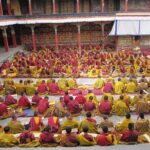
Day 2 is your monastery-and-culture foundation day. You’ll visit Drepung Monastery, described as the world’s largest monastery, and historically tied to the Dalai Lama’s life and education for over 10,000 years. It’s scheduled for about 2 hours with an admission ticket included.
Next comes the Tibet Museum for about 1 hour. This stop matters because it gives you a “why” behind what you’re seeing. You’ll get exposure to traditional clothing, house architecture, and festival customs, which helps the temples later feel less like museum props.
Then you finish at Norbulingka (Precious Stone Garden), the Dalai Lama’s summer resort area, with another 2-hour block. It’s a classic contrast to the stone-and-incense intensity of Lhasa’s biggest religious sites, since this one’s tied to royal garden life and seasonal retreat.
Practical tip: on this kind of day, you’ll want to keep your eyes on the schedule but still give yourself a few moments to watch locals in motion. The value here is not just ticking off names—it’s learning how people actually move through these spaces.
Potala, Jokhang, and the Barkhor Circuit: Your Lhasa Day 3 Must-See Triangle
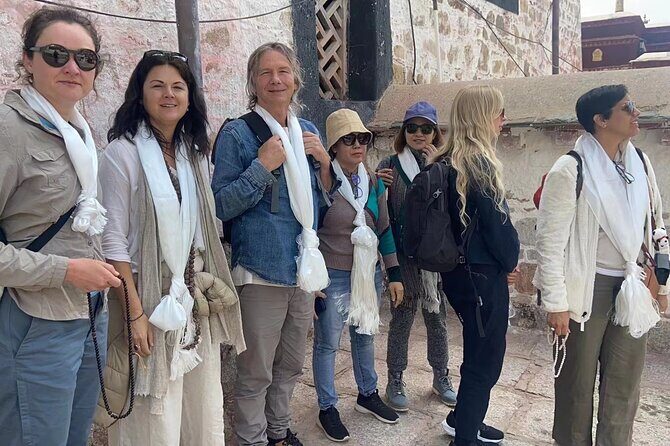
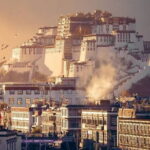
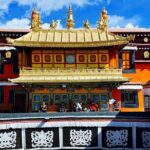
On Day 3, the itinerary hits the three Lhasa icons people talk about. First is Potala Palace (about 2 hours), the main landmark of Tibet and one of the most recognizable pieces of Tibetan architecture. Admission is included.
In the afternoon, you go to Jokhang Temple in the heart of Lhasa. It’s one of the most sacred temples in all of Tibet, and it’s been bustling with local pilgrims since early days. You’ll also get around 2 hours here, with admission included.
Finally, you walk Barkhor Street, the devotional circuit around Jokhang, plus a busy central market area. Another 2 hours is built in, which is helpful because Barkhor is one of those places where you’ll want to pause and actually watch how pilgrims and shoppers share the same streets.
A possible drawback on this day: it’s mentally dense. You’ll go from palace scale to temple devotion to street-level life. If you get tired, use your breaks to cool down, drink water, and reset before you continue.
On the Road to Gyantse: Yamdrok Yumtso Lake and the Karola Glacier Stop
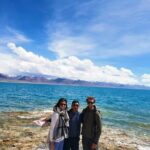
Day 4 is a “move-and-look” day built for wide scenery and big atmosphere. Leaving Lhasa toward Shigatse, you pass Kampala Pass at about 4,790 meters, then stop at Yamdrok Yumtso Lake—one of Tibet’s three holy lakes. The itinerary gives you about 1 hour here, and the “why” is simple: standing by the lake shore, the water color is part of the religious and visual pull.
After that, you’ll also pass the Karola Glacier and view it from the roadside for about 1 hour. These roadside glacier moments are short, but they’re effective. You get proof that Tibet’s drama isn’t limited to towns and monasteries.
Then the day shifts gears into culture with Pelkor Chode Monastery in Gyantse, the main monastery in the area. The itinerary notes Gyantse’s distance from Lhasa and its position relative to Shigatse, which helps you understand you’re not just doing a straight line—you’re moving through a real region.
If the weather’s clear, this is one of the days where you’ll feel like Tibet is finally opening up beyond the city edges.
Qomolangma National Nature Preserve Days: Why These Long Blocks Matter
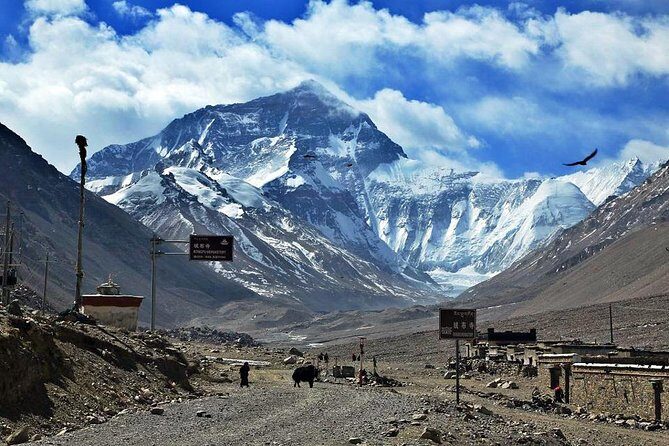
Day 5 is a long travel day that doesn’t feel empty because the scenery blocks are built in. You go from Shigatse toward Lhatse (about 150 km), with lunch at a local restaurant mentioned along the way, then continue to Tingri. You also pass Tsola Pass during the route.
The big listed experience here is Qomolangma National Nature Preserve, with about a 10-hour schedule for the day and admission listed as free. The value of this stop is that it’s a way to see the Everest region’s ecosystem and geography without treating it like a theme park.
Day 6 continues the same preserve theme and adds a real “Tibet at altitude” moment: the chance to rise early for sunrise at Everest Peak Lodge if weather conditions are good.
Two honest considerations:
- Sunrise days mean early starts, and altitude can make every hour feel bigger than normal.
- Road time can be tiring, even if the driver is doing a smooth job. Bring patience, not just energy.
Everest Sunrise at Everest Peak Lodge: The Early Morning You Remember
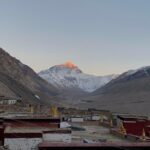
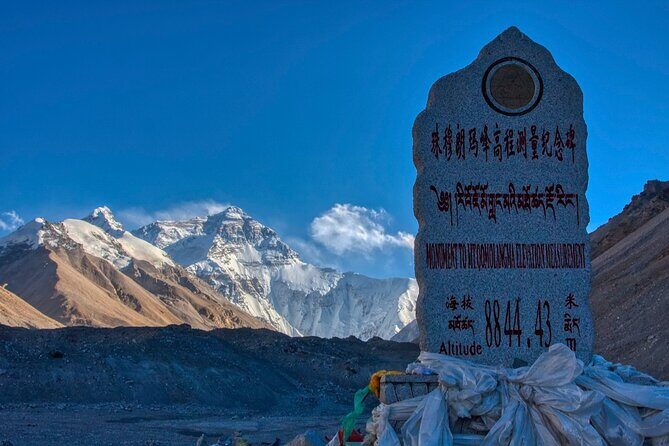
Day 6 is where the tour earns its name. If the weather is good, you can go up for sunrise at Everest Peak Lodge for about 4 hours.
This isn’t just a view stop. Sunrise at high altitude often comes with thinner air, colder temperatures, and a sense that you’re seeing something you can’t reproduce later in photos. That’s why the tour includes practical support like an oxygen tank for emergency use and two bottles of mineral water per person per day.
If you’re new to high-altitude travel, treat this as a flexible goal, not a guaranteed trophy. You’ll want to listen carefully to your guide and pay attention to how your body reacts. The itinerary is structured with the assumption that altitude ascent requires respect and slower pacing.
I’ve seen firsthand how altitude can change plans for some people, even with support. Some guests have talked about needing extra help beyond the standard oxygen tank, so don’t assume you’ll power through just because you’re motivated.
Shigatse on Day 7: Tashilunpo Monastery and the Panchen Lama Link
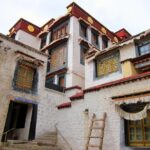
Day 7 brings you back to monastery time with Tashilunpo Monastery in Shigatse. The itinerary notes it as the home of the Panchen Lama, and says the monastery was founded by the 1st Dalai Lama in 1447.
This stop is ideal if you want to understand the broader religious architecture of Tibet beyond what you saw in Lhasa. Shigatse has its own energy, and Tashilunpo is a way to feel that difference in a short, focused visit (about 2 hours).
If you’re the kind of traveler who enjoys symbolism—founding stories, spiritual lineages, and how places connect to real people—this day will feel especially satisfying.
Where You Sleep: 3–4 Star Twin Rooms, Then a Dorm or Nomad Tent Night
The accommodation is split into two styles. You’ll do 6 nights in twin rooms with private en-suite bathrooms in 3★/4★ hotels, then 1 night in a guesthouse or nomad tent setup, booked as a dorm bed.
That one-night shift is important for expectations. It’s not about comfort snobbery. It’s that you might trade hotel routine for a more basic setting closer to the Everest-side area. If you’re sensitive to sleeping conditions, pack accordingly (warm layers matter a lot).
One extra detail I picked up: some Lhasa hotel stays have included in-room oxygen for extra peace of mind, though that may vary by the exact property used in your group.
Your Guide, Your Driver, and the Benefit of a 12-Person Group
This tour includes an experienced local English-speaking guide, plus a travel-licensed vehicle according to group size and season. The company also notes that during the first and last days, pickup and drop-off may involve driver presence even when the guide isn’t in full action.
In plain terms, the guide quality matters here because timing and altitude choices are the real work. A good guide makes the day feel organized without constant rushing, and helps you understand what you’re looking at—especially in places like Potala and Jokhang, where the details can get lost if you’re just staring.
From past guest feedback, people have praised friendly, punctual service and a thoughtful pace that respects altitude ascent. Names that have shown up for strong support include Lobsang as a guide, and agency helpers like Emily, Beatrice, Jennie, and Merry for responsive trip planning.
Price and Value: Is $1,100 a Good Deal for This Much Tibet?
At $1,100 per person, this tour isn’t cheap, but it’s not paying for “air” either. The biggest value lever is what’s handled for you:
- Permits: The Tibet Tourism Bureau Permit (TTB) is included, plus express delivery coverage for the permit.
- Transport: A travel-licensed vehicle covers the group route, with gas and parking fees.
- Support: An English-speaking guide, liability insurance, and oxygen tank emergency support.
- Food basics: Breakfast is included for 6 days.
- Key admissions: Multiple stops list admission ticket inclusion.
The places where you can feel the cost justification are the days with multiple ticketed sites in Lhasa and the structured multi-city driving. If you tried to stitch this yourself—permits, vehicle, guide, hotel mix, and consistent timing—it would usually get messy fast.
Where you should do your homework: lunches and dinners are not included, and you’ll want to budget that daily cost. Also, if your flight or train doesn’t match the included transfer time windows, you may need to arrange additional transportation.
Practical Tips That Will Make Your Trip Smoother
Altitude is your #1 planner. This tour includes an oxygen tank for emergencies and builds a pace that takes ascent seriously, but it can’t remove altitude from the equation. If you know you’re sensitive, consider adding your own acclimatization days in Lhasa before the tour start.
Second: pack for weather swings. Tibet can run cold, and one guest specifically mentioned winter cold with the trip still working out well. Even if you’re traveling in warmer months, mornings near sunrise can feel sharp.
Third: eat smart on tour days. Since breakfast is included but lunch and dinner aren’t, it’s smart to plan when you’ll buy food and avoid skipping meals during travel-heavy days.
Finally: keep your camera charged but your attention flexible. Stops like Barkhor Street and the lakes-glacier road views are best enjoyed with a mix of photos and actual watching.
Should You Book This 8-Day Lhasa to Everest Group Tour?
Book it if you want a first-timer-friendly Tibet plan that covers the major cultural hits in Lhasa, adds Gyantse/Shigatse depth, and still gives you a real Everest-area experience without you handling permits or logistics.
Skip or reconsider if altitude is a major concern for you and you don’t want early mornings. Also reconsider if you dislike schedules where lunch and dinner depend on what’s available during long travel blocks.
If you do book, go in with the right mindset: this is a tour where the value is in the structure—permits handled, transportation arranged, and iconic sites grouped efficiently—and where your main job is to take altitude seriously and let the day’s pacing work for you.