REVIEW · LHASA
Private Guided Day Tour Potala Palace and Sera Monastery
Book on Viator →Operated by Tibet Tourism - Tibetan Travel Agency · Bookable on Viator
Seeing Lhasa’s holy core in one day is the point here. I like that you get real time inside Potala Palace (about 3 hours) to walk the White Palace, Red Palace, corridors, stairs, and lama dormitory areas, not just a quick photo stop. I also like the afternoon focus at Sera Monastery, where the daily scriptures debating runs from 3:30pm to 5pm in the central courtyard, giving the visit an actual rhythm. One consideration: the price is high for a single day trip, and your Tibet permits are not included.
This is also set up like a smooth, low-stress Lhasa introduction. The guide is a professional English-speaking Tibetan local, and the support style is consistent: people talk about getting help with booking questions and logistics, and names like Tenzin, Lhamu, Tashi Tsering, Ciyang, and Chodron come up in that kind of hands-on service. Another small thing to watch is timing—this tour works best when the schedule lines up with the Sera debate window.
Finally, it’s private, so you’re not squeezed in with strangers. That helps you move at a comfortable pace and ask questions without feeling rushed. Still, if you’re hoping to add extras beyond Potala and Sera, plan for it early, because this day is built around two fixed headline stops.
In This Review
- Key things worth knowing before you go
- Entering Lhasa’s Top Two in One Day
- How the 9:00 am start really affects your day
- Potala Palace: White Palace, Red Palace, and all the walking in between
- Sera Monastery and the daily scriptures debate timing
- The $745 price: what you’re really paying for
- English-speaking guides: what they change (and who you might meet)
- Vehicles, pacing, and what “private” means day to day
- Good weather matters more than you think
- Who should book this Potala and Sera private day tour
- Should you book this Potala and Sera day tour?
- FAQ
- How long is the private guided day tour?
- What time does the tour start?
- Where is the ticket redemption point?
- Does the tour include pickup?
- Are entrance tickets included for Potala Palace and Sera Monastery?
- Is a guide included?
- What about Tibet travel permits?
- What time is the scriptures debating at Sera Monastery?
- Is this a private tour?
- What if the weather is poor?
- What is the cancellation policy?
Key things worth knowing before you go
- A full morning at Potala Palace (about 3 hours) with admission included
- Sera Monastery’s 3:30pm–5pm debate can shape your afternoon timing
- English-speaking Tibetan local guides bring context to what you’re seeing
- Private group experience with a licensed driver and a comfortable vehicle
- Permits are separate and must be handled before travel days
- Good weather is required, with an alternate date or refund if conditions fail
Entering Lhasa’s Top Two in One Day
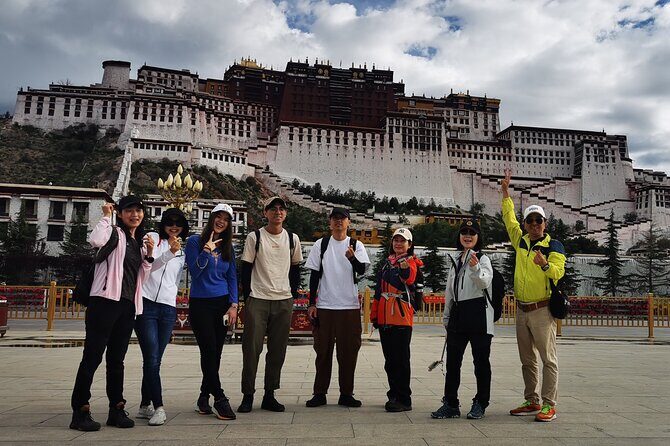
If it’s your first time in Lhasa, you usually face the same dilemma: you want the big-name places, but you don’t want your day swallowed by logistics. This private day tour is built for that exact problem. You cover two iconic spiritual landmarks—Potala Palace and Sera Monastery—in a tight but not frantic schedule (around 8 hours total).
The value of doing these on one day is simple: you get contrast. Potala Palace gives you architectural scale and religious meaning in a compact geography—palaces, corridors, stairs, and interior spaces filled with statues and murals. Then Sera shifts the feel from stone-and-gold grandeur to living monastic practice, especially when the daily scriptures debating is running.
You’ll also enjoy that the schedule isn’t just “see and leave.” The tour provides site time (3 hours at Potala, 2 hours at Sera) and includes the entrance tickets for those stops. That matters because it reduces the number of moving parts you have to manage while you’re in a different country with paperwork and travel permits in the background.
You can also read our reviews of more tours and experiences in Lhasa.
How the 9:00 am start really affects your day
The day begins at 9:00 am, and the ticket redemption point is listed at Zongjiaolu Kang Industrial And Commercial Institute, M438+9XP, Bei Jing Zhong Lu, Cheng Guan Qu, La Sa Shi, Xi Zang Zi Zhi Qu, China, 850000. Pickup is offered, but it’s still smart to confirm what pickup means for your exact lodging location and where your driver expects you to meet.
Why does this matter? In Lhasa, mornings tend to set the tone. You’re starting early enough to handle Potala while you still have energy for walking stairs, moving through corridors, and taking your time with exhibits and views. If you start later, you can end up rushing toward the afternoon timing at Sera. With this tour, the afternoon already has a built-in “anchor” event at Sera—from 3:30pm to 5pm.
This tour also functions as a private experience, meaning it’s just your group. That usually helps with pacing. You can spend an extra few minutes on a mural or statue you’re drawn to, then shift your time to the next area without feeling like you’re lagging behind a large crowd.
Potala Palace: White Palace, Red Palace, and all the walking in between
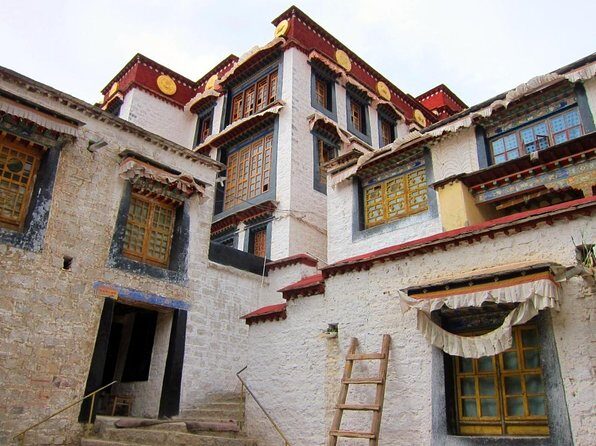
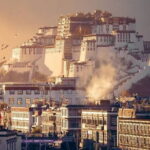
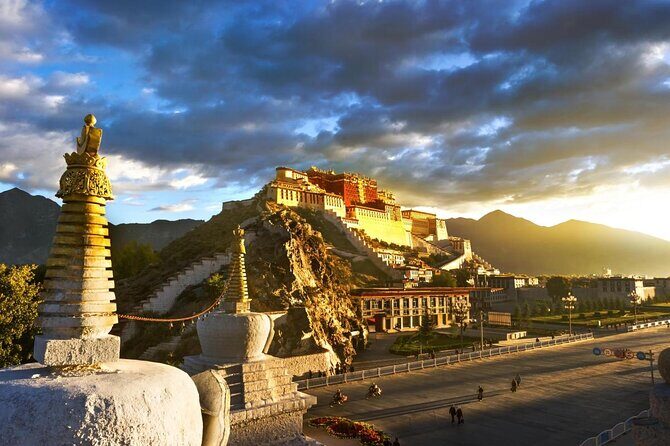
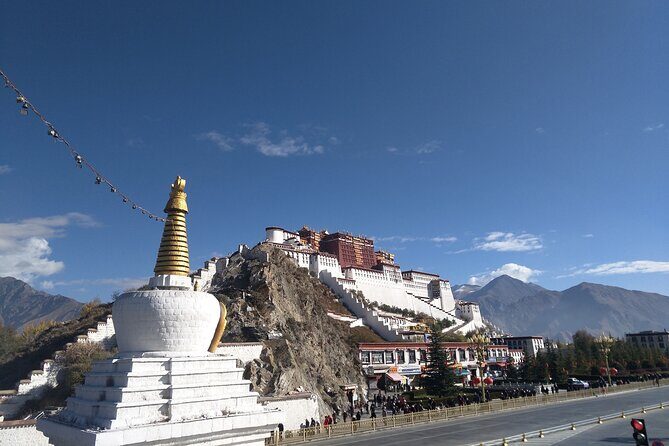
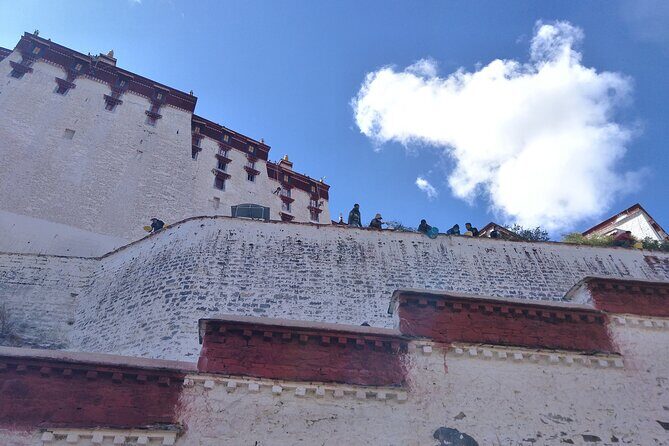
At Potala Palace, you’re allotted about 3 hours and the admission ticket is included. That’s long enough to go beyond the obvious viewpoints and actually experience the interior layout: White Palace and Red Palace, plus corridors and stairs that connect spaces with different functions and stories.
Here’s what you can realistically expect to focus on during those hours:
- You’ll move through areas connected to religious life, including lama’s dormitory spaces.
- You’ll see major religious imagery like Buddha statues.
- You’ll encounter red-robed lamas and devotional environments.
- You’ll have chances to pause for murals that add layers to what you’re seeing.
The big “win” with giving you actual time is that Potala stops feeling like one big building and starts feeling like a working religious center with sections and texture. If you only had 45 minutes, you’d still get photos—but you’d miss that sense of depth.
A practical tip: in a palace full of stairs and passageways, it helps to decide what you’re prioritizing before you wander. I’d pick two themes. For example: (1) palaces and ceremonial spaces, and (2) devotional art like murals and statues. That keeps the visit from turning into random walking and helps you remember more.
Also, because the tour includes the ticket cost, you don’t need to scramble at the last moment. It’s one less queue you manage yourself.
Sera Monastery and the daily scriptures debate timing
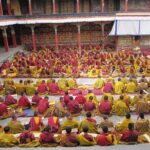
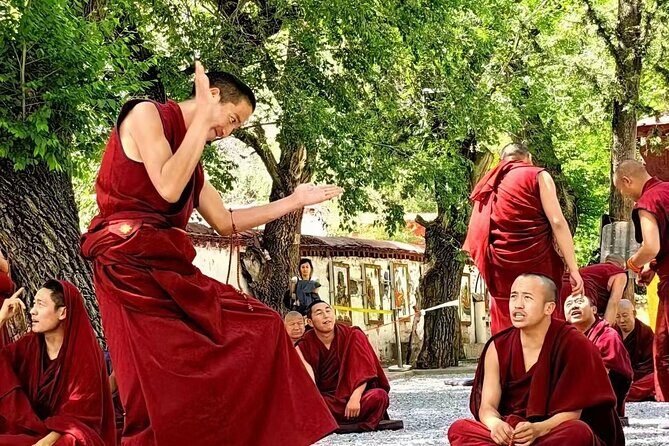
After lunch or a midday reset, you head to Sera Monastery for about 2 hours. Admission is included here too. Sera has a specific draw: the daily Scriptures Debating activity held from 3:30pm to 5pm in the central courtyard.
That schedule detail is more than trivia. It can change how your afternoon feels. If your arrival lines up well, you’ll get a chance to witness monastic debate as a living practice, not just architecture.
Within your 2-hour window, I suggest focusing on two things:
- The courtyard atmosphere around the debating period. If it’s running, the energy is part of the experience.
- The monastery layout as you move between viewpoints and areas connected to daily monastic life.
One reality check: the tour description offers the debate window, but it doesn’t promise you’ll be seated for every minute from 3:30pm. Timing can shift based on road conditions and how long Potala takes on your schedule. So if the debate is your top reason for booking, plan to arrive with flexible expectations and lean on your guide to help you find the best moment within the visit.
The tour ends with a return transfer to your hotel, keeping the day from turning into an extra navigation project. That matters after a long morning walk at Potala.
The $745 price: what you’re really paying for
At $745 for a private day, you’re not buying a bargain—you’re buying convenience plus “in-the-right-place” guidance. Here’s what that price covers based on the tour inclusions:
- Entrance tickets for the sites on your itinerary (Potala Palace and Sera Monastery)
- A professional English-speaking Tibetan local guide
- A comfortable tourist vehicle with a licensed and experienced driver
- Drinking water provided
And here’s what’s not included: the Tibet Travel Permits (including items like the Tibet Entry Permit and an Alien Travel Permit).
So is it worth it? For me, the value hinges on two questions:
- Do you want a guide to interpret what you’re seeing? In Potala and Sera, interpretation changes the experience from seeing objects to understanding why they matter.
- Do you want everything handled so you don’t lose time figuring out routes, tickets, and site entry on your own?
If you’re comfortable with independent travel and already have permits organized, you might find cheaper self-guided options. But if you want someone to handle the “day flow” and explain key places in plain language, a private guided structure tends to feel justified.
Also, the tour notes group discounts, which can bring the cost down if you’re booking with friends or family.
You can also read our reviews of more private tours in Lhasa
English-speaking guides: what they change (and who you might meet)
A good guide can make or break a religious site day. The guide here is described as a professional English-speaking Tibetan local, and names like Tenzin, Lhamu, and Tashi Tsering show up in past service experiences. People also mention staff support from Ciyang and Chodron, especially when requests needed careful handling.
What does that mean for you on the ground? It usually looks like:
- Clear explanations that connect architecture to practice, so you’re not just walking through rooms.
- Help navigating what’s worth slowing down for, including murals and devotional spaces at Potala.
- Practical timing guidance so you’re in the right place for Sera’s debating activity window when possible.
If you want to get the most out of your guide, come armed with two kinds of questions. Ask one question about meaning (what you’re seeing and why). Then ask one logistical question (how to move through the space efficiently so you don’t miss key moments). A well-run guide will answer both without making you feel silly.
And since this is private, you’re not fighting for time with a crowd. You get more speaking turns and quicker clarifications.
Vehicles, pacing, and what “private” means day to day
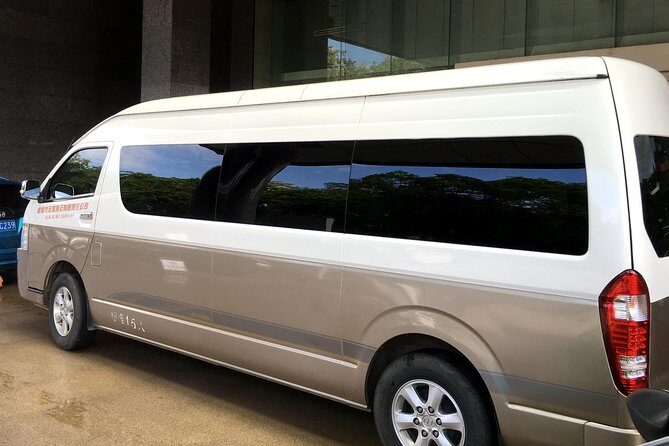
The tour uses a licensed and experienced driver with a comfortable tourist vehicle. Vehicle capacity is listed as 5–29 seats, which tells you there’s flexibility in vehicle choice depending on group size and season.
What you should take from that: you’ll have transport that’s built for sightseeing, not just a quick taxi hop. On a day with two major sites and multiple transit moments, that reduces fatigue and stress.
Also, because it’s private, your group controls the pace. That doesn’t mean you’ll never feel time pressure—you’ll still have a 3-hour Potala block and a 2-hour Sera block—but it means your guide can adapt within that framework. In plain terms: private tends to be kinder to your legs.
If you’re prone to rushing, this tour’s structure can actually help you slow down. You’re given time slots, plus a guide telling you what’s most important.
Good weather matters more than you think
This experience requires good weather. If it’s canceled due to poor weather, you’ll be offered a different date or a full refund. That’s a straightforward heads-up, but it’s important because both Potala and Sera involve substantial walking and outdoor-visible elements.
I’d treat the day like a “conditions-sensitive” outing. Wear shoes that handle stairs, and keep layers in mind since temple settings can feel warmer or cooler depending on cloud cover and wind.
If the operator offers a weather-based reschedule, take it seriously. A rushed day in bad conditions can make the experience feel smaller than it is.
Who should book this Potala and Sera private day tour
This tour fits best if you want:
- A first-time Lhasa overview with two headline landmarks
- A guide-led experience with time for meaningful exploration
- A private schedule that’s only for your group
- Entrance tickets and core logistics handled for you
It also says most travelers can participate, which is reassuring if you’re deciding between a very demanding hike and a classic city sightseeing day.
If you’re traveling solo and don’t want the stress of planning permits, ticket entry timing, and site navigation, private can feel like paying for peace of mind. If you’re traveling with friends and want flexibility, private can feel like the practical middle ground between strict group tours and full independence.
Should you book this Potala and Sera day tour?
I’d book it if you care about two things: structured time at the sites and a guide who can explain what you’re seeing in an easy, human way. The combination of Potala’s long morning block and Sera’s debate window makes the day feel purposeful, not just scenic.
I’d think twice if you’re budget-sensitive, because $745 is a premium for a single-day itinerary. Also, double-check that your permits are fully sorted, since they’re not included.
Overall, for an efficient Lhasa highlight day, this tour makes sense. It keeps the experience focused on Potala and Sera, builds in real on-site time, and uses a private guide-and-driver setup to reduce friction. In a city where logistics can quickly turn into a second job, that matters.
FAQ
How long is the private guided day tour?
The tour is listed as approximately 8 hours.
What time does the tour start?
The start time is 9:00 am.
Where is the ticket redemption point?
The ticket redemption point is at Zongjiaolu Kang Industrial And Commercial Institute, M438+9XP, Bei Jing Zhong Lu, Cheng Guan Qu, La Sa Shi, Xi Zang Zi Zhi Qu, China, 850000.
Does the tour include pickup?
Pickup is offered.
Are entrance tickets included for Potala Palace and Sera Monastery?
Yes. Entrance tickets for the sites listed in the itinerary are included.
Is a guide included?
Yes. You’ll have a professional English-speaking Tibetan local tour guide.
What about Tibet travel permits?
Permits are not included. The tour notes Tibet Travel Permits such as the Tibet Entry Permit and an Alien Travel Permit.
What time is the scriptures debating at Sera Monastery?
The scriptures debating is held from 3:30pm to 5pm in the central courtyard.
Is this a private tour?
Yes. It’s private, and only your group will participate.
What if the weather is poor?
This experience requires good weather. If canceled due to poor weather, you’ll be offered a different date or a full refund.
What is the cancellation policy?
Free cancellation is available up to 24 hours in advance for a full refund. If you cancel less than 24 hours before the experience’s start time, the amount paid is not refunded.