REVIEW · LHASA
13 Day Lhasa, Mt. Everest, Mt. Kailash to Kathmandu Adventure
Book on Viator →Operated by Tibet Vista · Bookable on Viator
This route hits Tibet’s biggest spiritual landmarks fast. It strings together Lhasa culture, Kailash Kora, and the road to Kathmandu in one sweep.
What I like most is the small-group feel (max 12) and the practical altitude support—your trip includes an oxygen canister and a first-aid kit.
One thing to consider: you’ll spend long hours on high-altitude roads, so the pace isn’t “relax and wander.” It’s more like, stay alert, soak it in, then keep moving.
In This Review
- Key Points Worth Knowing
- The Big Idea: One Ticket, Two Holy Worlds (Tibet to Nepal)
- Arriving in Lhasa: How Day 1 Helps You Survive the Altitude
- Potala Palace, Jokhang Temple, and Barkhor Kora: The Lhasa Essentials (Without the Confusion)
- Dadong Village Instead of Drepung: A Smarter Rural Contrast
- Gyantse and Shigatse on the Road: Monasteries, Pass Views, and Kumbum Stupa
- Shigatse to the High Road: Tashilunpo and the Length of the Drive
- Everest Area at Rongbuk: Sunrise Views and the Altitude Reality Check
- Saga Valley and Manasarovar: The Western Tibet Scale Hits Hard
- Kailash Kora Trek Day 1: Sarshung to Drirapuk (~13 km)
- Kailash Kora Trek Day 2: Dromala Pass (5630 m) and Pilgrims’ Rhythm
- Kailash Kora Trek Day 3: Zongto, Mani Stones, and Optional Lake Hot Springs
- Saga Again, Then the Nepal Exit: Kyirong Border to Kathmandu
- What’s Included (and Why It Matters for Your Budget)
- The Human Part: Guides, Calm Support, and a Note to Double-Check Inclusions
- Who This Tour Fits Best (and Who Might Prefer a Slower Plan)
- Should You Book This Lhasa–Everest–Kailash–Kathmandu Adventure?
- FAQ
- How long is the tour?
- Where does the tour start and when?
- Is pickup included?
- How big is the group?
- Is altitude support included?
- What trek distances are included around Mount Kailash?
- Are yaks or porters included for the Kailash portion?
- How do you get to Nepal and what happens at the border?
- What transfer cost to Kathmandu might be extra?
- What if the weather is poor or the tour needs to be canceled?
Key Points Worth Knowing
- Small-group size (2–12 people) means you’re less likely to get lost in a crowd.
- Altitude safety basics: oxygen cylinder in the car plus a first-aid kit.
- Real Kailash Kora days: a trek from Sarshung to Drirapuk (~13 km) and later the Kora over passes like Dromala (5630 m).
- Carefully chosen cultural stops: Potala Palace, Jokhang Temple, Barkhor street, and monasteries in Shigatse and around Gyantse.
- Limited time at each site: you’ll see a lot, but expect shorter stays rather than slow museum-style pacing.
- Paperwork matters: you need a Tibet permit arranged by the operator, with passport/visa copies due well in advance.
The Big Idea: One Ticket, Two Holy Worlds (Tibet to Nepal)
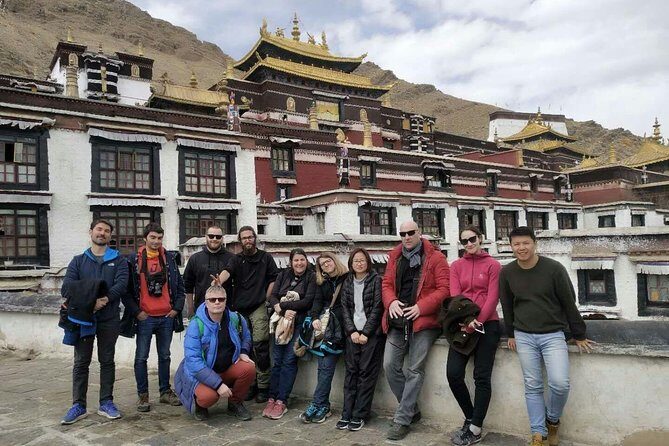
If your bucket list includes Lhasa, Mount Everest, and Mount Kailash, this is the “do it in one story” tour. You’ll start in Lhasa, work your way across western Tibet, then cross into Nepal at Kyirong and finish in Kathmandu. It’s not just sightseeing—it’s a route built around altitude, religion, and long road days.
The good value angle is that a lot of the costly pieces are bundled. You’re not just paying for rides; the plan includes entrance fees, eco-bus time in the Everest base camp area, and eco-bus costs related to the Kailash area. You also get daily logistics handled by an English-speaking local guide, plus an oxygen cylinder carried in the vehicle.
The tradeoff is time. This itinerary is full, which means you should mentally prepare for “see it, feel it, move on.” If you’re hoping for lots of free hours to roam, this tour is tighter than that.
You can also read our reviews of more tours and experiences in Lhasa.
Arriving in Lhasa: How Day 1 Helps You Survive the Altitude
You’ll connect into Lhasa and get transferred to GangGyan Lhasa Hotel or your reserved hotel. Day 1 is intentionally low-pressure: check in, rest, and let your body catch up to altitude.
You can still get photos without overdoing it. The plan suggests a light option around Potala Square for fountain colors and wide views of the Potala. The smarter move here is to treat Day 1 like a buffer day. A good sleep often works better than rushing straight to indoor sites.
This tour also makes a subtle but important point: don’t try to conquer Lhasa on the day you arrive. If you land feeling tired, you’re not behind—you’re doing the right thing for acclimatization.
Potala Palace, Jokhang Temple, and Barkhor Kora: The Lhasa Essentials (Without the Confusion)
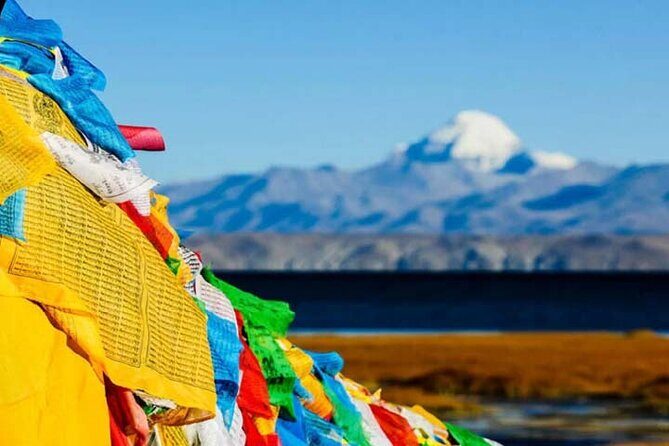
Day 2 is the classic holy-core day. First comes Potala Palace, described here as the winter palace of the Dalai Lama. You’ll see the gilded burial stupas of former Dalai Lamas and the meditation cave connected to the 33rd great king of Tibet.
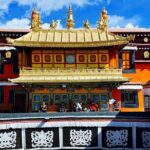
Next is Jokhang Temple, founded in the 7th century. Outside, you’ll notice pilgrims doing prostrations. Inside, the highlight is the Buddha Sakyamuni statue at the age of twelve.
Then you end with the Barkhor street area—ideal for doing a kora (a religious walking circuit) with locals and pilgrims. The itinerary even includes time to explore the old market and taste Tibetan tea in local tea houses. I like this mix because it helps you see Lhasa as a living place, not a checklist.
One practical detail: most listed stops show admission tickets as not included. So budget for entrance fees where applicable and confirm the exact inclusions in your booking.
Dadong Village Instead of Drepung: A Smarter Rural Contrast
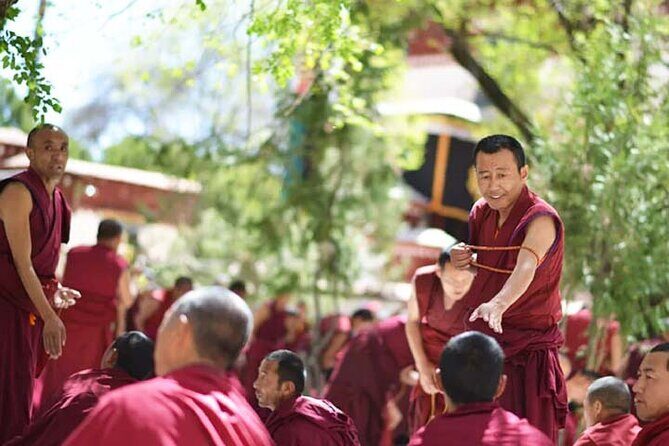
Day 3 includes a change notice: it will visit Dadong Tibetan Village instead of Drepung Monastery. That’s a big difference, and I actually think it can be the more grounded choice.
Dadong Village sits about 25 km southwest of Lhasa and is described as a protected ancient Tibetan village. The day pairs it with Nyimatang Monastery (built in the 11th century), plus a light village walk and lunch with a local Tibetan family. You’re not just looking at old stone. You’re meeting real households and seeing what daily life looks like in the Lhasa area.
Then the afternoon pivots to Sera Monastery, one of the “great three” Gelug monasteries. The hot attraction is the monks’ debate roughly mid-afternoon, plus time to see the scripture printing house, sand mandalas, and colorful Buddha rock paintings.
If you like your spiritual sites with context—how religion is practiced today—Sera plus Dadong is a strong combo. The only “watch out” is timing. Monks’ debate depends on the day’s schedule and conditions, so plan to arrive ready.
Gyantse and Shigatse on the Road: Monasteries, Pass Views, and Kumbum Stupa
Day 4 starts the long westward sweep. First you drive toward Shigatse, crossing the Gampala pass (4790 m) with glimpses of Yamdrok Yumtso Lake around 4400 m. Yamdrok is framed by snow-capped mountains and the far sight of holy Mount Nyenchen Khangsar (7191 m).
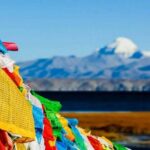
Then you pass Karo La Glacier and stop around Manak Dam Lake, where you can hang prayer flags at Simila Mountain Pass. This is one of those “small pause, big photo” parts of the day.
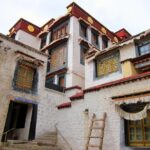
Arriving in Gyantse, you get Pelkor Monastery and Gyantse Kumbum Stupa. Kumbum is known for its stacked architecture and devotional detail, and the stop includes a far view of Gyantse Fortress too. It’s a good way to feel the city’s historical gravity without spending all day inside.
Shigatse to the High Road: Tashilunpo and the Length of the Drive
Day 5 focuses on Tashilunpo Monastery, home of the Panchan Lama. After that, you leave Shigatse and drive toward Lhatse, with a long stretch that includes a stop tied to the Qomolangma National Nature Preserve area.
This is where you’ll start feeling the shape of the trip: fewer “wow” moments in a row, more long-distance travel between them. That’s not a flaw—it’s the reality of western Tibet.
If you get motion-sick, bring what you normally use. The plan calls for comfortable vans/minibuses, but high-altitude roads still travel like… high-altitude roads.
Everest Area at Rongbuk: Sunrise Views and the Altitude Reality Check
Day 6 begins with a sunrise possibility of Everest Peak if weather permits, from the lodging area. Then you visit Rongbuk Monastery, described as the unique highest monastery with nuns and monks living together.
From there, the drive continues toward the Saga region, with viewpoints along the way such as Mt. Shishapangma (8012 m) and Turquoise Lake Peiku tso (4590 m). There’s also a chance to see wild animals like wild donkey or wild antelope, though that’s always weather- and luck-dependent.
This day is a reminder that “Everest views” in Tibet are often about viewpoint timing. If clouds roll in, you adapt. The upside is that Rongbuk and the surrounding high-altitude spaces still feel powerful even without a perfect peak shot.
Saga Valley and Manasarovar: The Western Tibet Scale Hits Hard
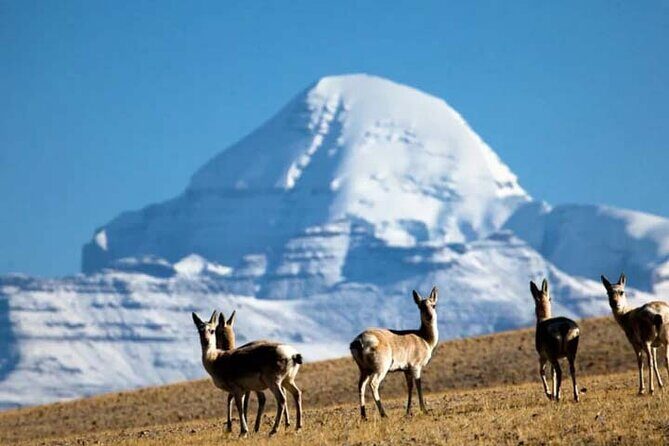
Day 7 shifts into epic road scenery. You’ll have views of the Saga valley between the Gangdise Range and Himalaya Range, plus grasslands and local villages. You cross Mayomla Pass (5112 m) for a look toward Mt. Naimonanyi (7694 m).
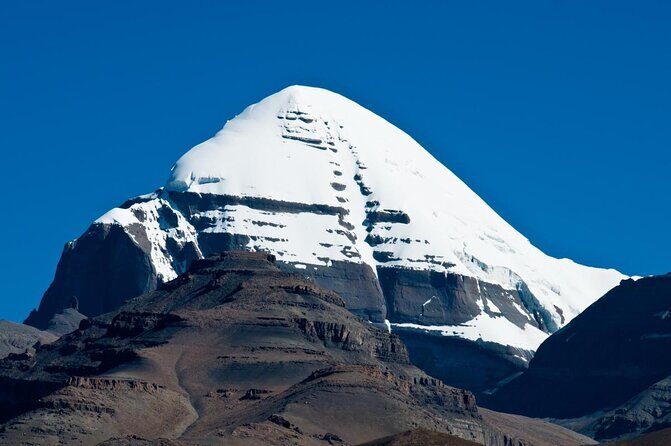
Then you pass the holy Lake Manasarover and arrive at the southern foot of Mount Kailash. If you’re looking for a spiritual “transition day,” this is it. The landscape changes, the altitude feels more intense, and your focus starts narrowing toward the trek ahead.
Kailash Kora Trek Day 1: Sarshung to Drirapuk (~13 km)
On Day 8, you take an eco-bus from Darchen to Sarshung valley. Then you meet yaks and porters at Sarshung village, but note: hiring yaks, horses, and porters is not included. So if you plan to use them for comfort, budget extra.
The trek runs about 13 km from Sarshung to Drirapuk Monastery along the Lachu valley and rivers. Importantly, you’ll get chances to see both the west and north faces of Kailash during the trek day.
Then you visit Drirapuk Monastery. Even if your legs are done, this is the kind of stop that makes the whole effort feel meaningful because Kailash isn’t just a view—it’s the reason for the walking.
Practical thought: pack for wind changes. Kailash-area weather can flip fast, and the trail is exposed.
Kailash Kora Trek Day 2: Dromala Pass (5630 m) and Pilgrims’ Rhythm
Day 9 pushes higher. You trek over Dromala pass (5630 m), described as the highest pass of the Kora. On the way, you can rest in a teahouse, plus you’ll likely spot locals doing prostrations along the kora path.
You might also visit Zutulpuk Monastery. The itinerary notes Kadoe Lake when you walk downhill, so the day includes both exertion and scenic payoff.
This is also where the tour’s pacing matters. You won’t sprint. You’ll follow the flow of the trail and the pilgrims’ rhythm.
Kailash Kora Trek Day 3: Zongto, Mani Stones, and Optional Lake Hot Springs
Day 10 is another classic Kora day. You trek about 7 km to Zongto, where you can take a bus back to Darchen. Along the way you’ll see piles of mani stones—a visual “language” of devotion along the route.
You’ll end around noon, with rest in your lodging place. There’s an optional activity: taking a bath in Lake Manasarova and enjoying hot springs. Whether you do this is personal, and you’ll want to follow local guidance for safety and cleanliness.
One caution I’d give you: treat water and weather seriously. Don’t force “optional” things if your body is worn out.
Saga Again, Then the Nepal Exit: Kyirong Border to Kathmandu
Day 11 drives from Darchen to Saga via Lake Manasarova. It’s basically your “wrap-up” day after the Kora, with road time replacing trekking.
Day 12 brings the border change. You drive from Saga to the Chinese Kyirong border (also called Rashuwaghadi). You then wait for the Nepalese driver to pick you up the next morning, so you should expect a break in the middle of the transition process.
Day 13 is the Nepal road to Kathmandu—about 8–9 hours driving. You’re free to stop along the way if it’s safe to park and enjoy mountain views. Then the tour ends in Kathmandu, with a driver sending you to your reserved hotel.
Budget note: the “Transfer from Gyirong border to Kathmandu” is listed as $60/person not included. Your Day 13 wording suggests you’ll be taken forward, so confirm exactly how that $60 fits your specific pickup plan.
What’s Included (and Why It Matters for Your Budget)
This trip lists a strong set of basics:
- Small-group tour (2–12 people) with an English-speaking Tibetan guide
- Pickup service from Lhasa airport/train station to your Lhasa hotel
- Comfortable van/minibus with an experienced local driver
- Oxygen cylinder in the car (4L or 7L)
- Drinking water
- Liability travel insurance
- Accommodations throughout (twin-sharing hotels; guesthouses on dorm beds)
- Entrance fees plus eco-bus costs in the Everest base camp area and Mt. Kailash
- First-aid kit and oxygen canister for altitude safety (noted in features)
The budget value piece is the oxygen and eco-bus/entry bundling. Those costs add up fast on self-planned trips. Also, you don’t have to coordinate drivers across borders—at least that part is handled.
One caution: the meals section looks inconsistent. The included list mentions dinner and lunch, while the “Not included” list says lunch and dinner are not included. I’d treat food costs as something you should confirm in writing before you pay final balance.
The Human Part: Guides, Calm Support, and a Note to Double-Check Inclusions
Names that show up in customer feedback include Pasang, Tenzing, James, Dickey, and Grace (with drivers like Youten and Tashi). There are repeated themes of calm support, good explanations, and solid coordination.
That matters because Tibet’s best moments are often time-sensitive: sunrise conditions, Kora pacing, and when you reach key viewpoints. A guide who can keep things steady makes the difference between stressful and smooth.
Now the balanced caution. One customer account mentioned issues with added charges after booking and a refund dispute when the itinerary changed. I’m not saying it’s common, but it’s enough to recommend this: before departure, ask your operator to confirm your final inclusions and any potential optional costs (especially anything tied to permits, trekking support, or border transfers).
Who This Tour Fits Best (and Who Might Prefer a Slower Plan)
This is a great match if you want:
- A single organized route connecting Lhasa → Everest area → Kailash Kora → Kathmandu
- An itinerary that’s heavy on spiritual sites plus practical guiding
- A group size small enough for real questions (max 12)
It’s also a good fit for first-timers to high-altitude regions, because the plan includes oxygen and standard safety basics.
It’s less ideal if you:
- Want lots of free time at each place
- Hate long driving days
- Are very sensitive to altitude and can’t handle the pace (the tour asks for moderate physical fitness)
Also, you’ll want to arrange your timing in and out of Tibet. The plan explicitly says to arrive one day before your travel start and depart one day after, because foreign travelers cannot visit Tibet alone.
Should You Book This Lhasa–Everest–Kailash–Kathmandu Adventure?
I’d book it if your goal is to connect the “big three” with real on-the-ground structure. The Kailash Kora trek and the Rongbuk/Everest-area stop are the kind of things you don’t want to scramble for last-minute.
I’d think twice (or at least confirm details) if you’re budget-sensitive around meals and transfers, or if the idea of multiple long road days at altitude makes you uneasy. Also, ask for written clarity on what’s truly included versus optional—especially anything tied to permits, border-day transfer logistics, and whether your specific group arrangement affects costs like the $60/person Kyirong-to-Kathmandu transfer.
If you handle the altitude reality and you want this journey as one continuous story, this tour makes a lot of sense.
FAQ
How long is the tour?
The duration is about 13 days.
Where does the tour start and when?
It starts in Lhasa, with a listed start time of 9:00 am.
Is pickup included?
Pickup service from the Lhasa airport or train station to Lhasa is included.
How big is the group?
This is a small-group tour with a maximum of 12 travelers (2–12 per booking).
Is altitude support included?
Yes. The trip includes an oxygen cylinder in the car (4L or 7L), plus altitude safety notes in the tour features.
What trek distances are included around Mount Kailash?
The plan includes a trek of about 13 km from Sarshung to Drirapuk, and another trek of about 7 km to Zongto. It also includes crossing high passes like Dromala (5630 m).
Are yaks or porters included for the Kailash portion?
No. The cost of hiring yaks, horses, and porters is not included.
How do you get to Nepal and what happens at the border?
You drive from Saga to the Chinese Kyirong border, then the Nepalese driver picks you up the next morning. After that, you drive to Kathmandu.
What transfer cost to Kathmandu might be extra?
The transfer from the Gyirong border to Kathmandu is listed as $60/person not included.
What if the weather is poor or the tour needs to be canceled?
The experience requires good weather; if it’s canceled due to poor weather, you’ll be offered a different date or a full refund.