REVIEW · LHASA
6 Days Central Tibet Culture Small Group Tour
Book on Viator →Operated by Tibet Vista · Bookable on Viator
That altitude hits fast, so you’ll want this kind of pacing. This 6-day Central Tibet culture trip pairs small-group minibus days with Tibetan-guided temple time and long scenic drives, so you get both spiritual Lhasa and big-road Tibet views. One thing to plan for: the schedule is built around acclimatization and a permit-limited departure, so you need to line up flights early.
What I like most is how much you do without feeling herded. Potala Palace and Jokhang aren’t just photo stops; you also get the full feel of Barkhor street life. If you’re sensitive to altitude, I’d treat Day 1 as rest-first, not sightseeing-first.
In This Review
- Key highlights to look for
- Why Central Tibet Feels Like the Real Thing (Not a Checklist)
- Before You Go: Altitude, Permit Rules, and the Paperwork Reality
- Day 1 in Lhasa: Quiet Arrival, Potala Square Photos, Then Sleep
- Day 2: Potala Palace, Jokhang Temple, and Barkhor Street Kora
- Potala Palace
- Jokhang Temple
- Barkhor Street
- Day 3: Dadong Village for Everyday Tibet, Then Sera Monastery Debate Time
- Dadong Village and Nyimatang Monastery
- Sera Monastery
- Day 4: Lhasa to Shigatse Over Gampala Pass, Yamdrok-tso, and Gyantse Stops
- Karo La Glacier and prayer flags
- Gyantse: Pelkor Monastery and Gyantse Kumbum
- Shigatse arrival
- Day 5: Tashilunpo Monastery and the Return Toward Lhasa
- Day 6: Permit-Limited Departure Day
- Price and Value: Is $829 Fair for This Mix of Permits, Guide, and Drives?
- What the Small-Group Format Does for Your Real Experience
- Hotel, Food, and Transport: Comfort Choices You’ll Actually Feel
- Should You Book This Central Tibet Culture Tour?
- FAQ
- How many days is the Central Tibet Culture small group tour?
- Where does the tour take place?
- What’s the group size limit?
- Are airport transfers included?
- What permits are handled for you?
- Do I need to send passport copies in advance?
- Is the tour guide English-speaking?
- Are meals and site entrance fees included?
- What’s included in terms of lodging?
- Does the tour include special mountain views or lakes?
- What if I need to cancel?
Key highlights to look for
- Max 12 travelers means quieter monasteries and more direct guide time
- English-speaking Tibetan guides often turn religious sites into real stories
- Guided kora and old markets at Barkhor gives you culture you can walk into
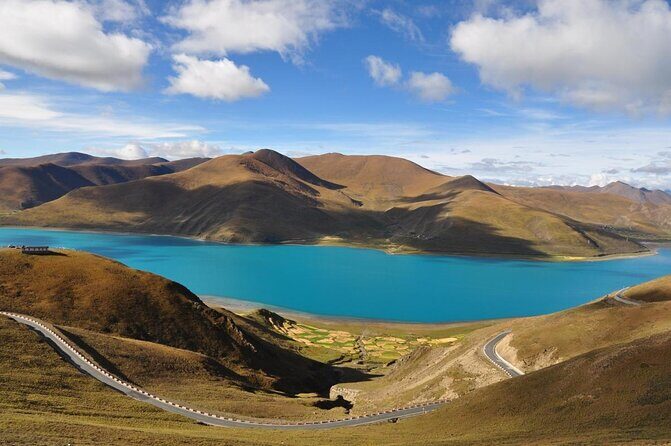
- Mountain driving days include high passes like Gampala (4790m) and lake views like Yamdrok-tso
- Local village lunch at Dadong Village adds a more everyday Tibet moment
Why Central Tibet Feels Like the Real Thing (Not a Checklist)
Central Tibet is one of those places where history, religion, and everyday life share the same sidewalks. This tour leans into that. You’re not only bouncing between famous buildings; you’re also walking around how people pray, talk, shop, and eat.
The small-group setup matters. With a minibus and a tight group size (up to 12), you usually spend less time waiting and more time paying attention. That makes a difference on days that start early, run long in the car, or involve slower walking routes near temples.
And yes, the scenery is a big deal here—but it’s not the only point. The most memorable moments tend to be human-scale: pilgrims moving through kora routes, monks in the middle of debate, and families feeding you in a village setting.
A few more Lhasa tours and experiences worth a look
Before You Go: Altitude, Permit Rules, and the Paperwork Reality
Altitude is the headline issue for almost every traveler in Tibet, and this itinerary is designed around that. On Day 1, you’re encouraged to rest and get acclimatized, with a gentle option to view Potala Square for photos rather than rushing into indoor sights.
Then there’s the permit situation. This tour includes a Tibet travel permit and other necessary permits. The operator also states a 100% guarantee to get your Tibet permit for free, and that their offices and staff support formalities from Lhasa, Kathmandu, and Chengdu. That’s helpful because permits are often the part that slows people down.
Your responsibility is still real, though. You’ll need to provide photocopies of your passport and your China L visa at least 20 days in advance. If you’re arriving from outside China (like via Kathmandu), the visa path is more complicated, and the tour supplier notes that China visas should be handled correctly depending on your arrival city.
A small but important caution: there are also inconsistencies in the fine print you’ll see in the tour description. For example, some day-by-day notes label certain entrance tickets or meals as not included, while the “included” section lists dinner/lunch and entrance fees as included. Treat that as a “confirm before you go” moment, not a surprise you want to handle at high altitude.
Day 1 in Lhasa: Quiet Arrival, Potala Square Photos, Then Sleep
Day 1 is all about getting settled. After you arrive in Lhasa by train or flight, you’re transferred to your hotel (GangGyan Lhasa Hotel is listed as the meeting point option) and asked to report once you’ve checked in. That small step helps everything run smoothly later.
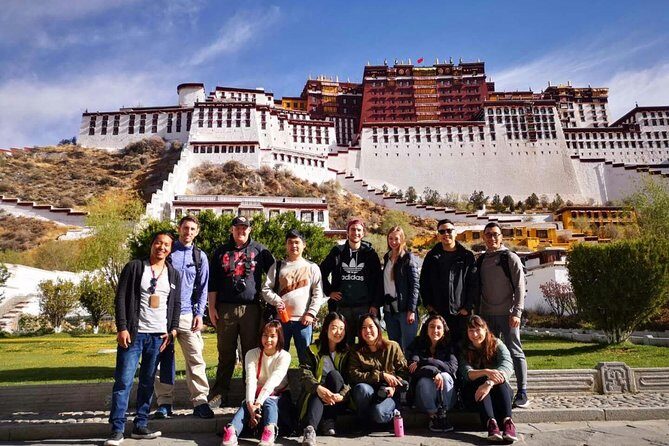
The practical advice here is simple: don’t treat Day 1 like a full sightseeing day. You’ll want good sleep and a slow start, since Lhasa sits at high elevation. If you do go out, the tour points you toward Potala Square for a fountain and photos of the Potala from outside. It’s a low-effort first win.
This is also where the “small group” vibe shows. With everyone arriving around the same time window, your guide can set expectations early and help you understand how the next days will feel physically.
Day 2: Potala Palace, Jokhang Temple, and Barkhor Street Kora
Day 2 is the classic Lhasa day, but the pacing is built around absorption, not sprinting.
Potala Palace
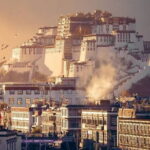
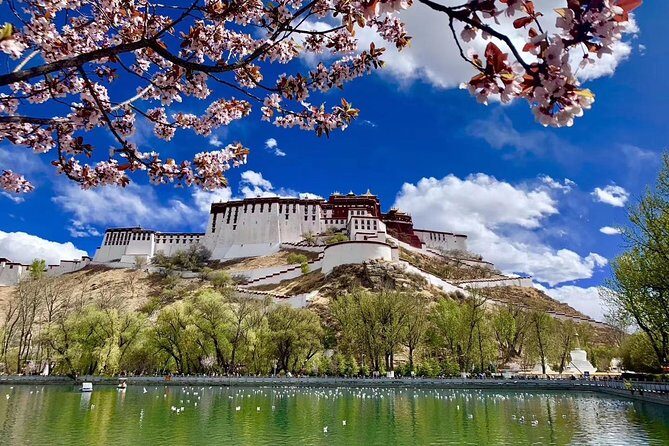
You start with Potala Palace, described as the winter palace of the Dalai Lama. You’ll learn it has uses going back to the 7th century, and you’ll focus on some of the most valuable sections: the gilded burial stupas of former Dalai Lamas and the meditation cave of the 33rd great king of Tibet.
One practical note: the day-by-day notes list admission as not included here. The package also claims site entrance fees are included. So before you assume, ask your booking agent whether Potala Palace tickets are covered for your exact departure date.
Jokhang Temple
After lunch, you head to Jokhang Temple, founded in the 7th century. The description highlights a statue of Buddha Sakyamuni at the age of twelve, plus the outside scene where pilgrims are making prostrations.
If you’re new to Tibetan Buddhism, Jokhang can be overwhelming in a good way. The key is to go slowly and watch how people move, chant, and position themselves rather than just trying to “see everything.”
Barkhor Street
The day ends around Barkhor street. This is where the tour’s culture approach comes alive: you’ll be able to do a kora (a religious circle route) with pilgrims and locals and explore the old market area.
There’s also a human-touch option: Tibetan tea with locals in a tea house, plus a welcome dinner arranged when the group meets. Even when you’re exhausted, tea breaks help you adjust to the altitude and keep the day enjoyable.
Day 3: Dadong Village for Everyday Tibet, Then Sera Monastery Debate Time
Day 3 replaces Drepung Monastery with Dadong Village. That’s a smart trade if you want more than just the biggest names.
Dadong Village and Nyimatang Monastery
You’ll travel to Dadong Village, described as 25 kilometers southwest of Lhasa. It’s presented as an ancient Tibetan village with valley surroundings and good protection of rural character.
At Dadong, you visit Nyimatang Monastery, built in the 11th century, then take a light walk through the village. The highlight is a local Tibetan family lunch. This is where you learn more about daily rhythms than you can get from a museum-style visit.
Sera Monastery
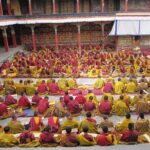
In the afternoon you go to Sera Monastery, one of the “great three” Gelug monasteries. The hot moment is the monks debate, scheduled around 3 to 5 in the afternoon.
The tour also mentions the scripture printing house and visuals like sand mandalas and colorful rock painting of Buddha. Timing matters here. If the debate schedule shifts due to weather or other on-the-ground factors, your guide will still help you understand what you’re seeing and why it matters.
Day 3 is a good reminder of why this tour works: you get rural Tibet, then you swing back to a monastic setting where learning is active, loud, and very human.
Day 4: Lhasa to Shigatse Over Gampala Pass, Yamdrok-tso, and Gyantse Stops
Day 4 is a long day on the road, and that’s part of the point. Central Tibet’s “feel” comes from transit days: passes, lake basins, and roadside glacier views that you can only experience by driving through.
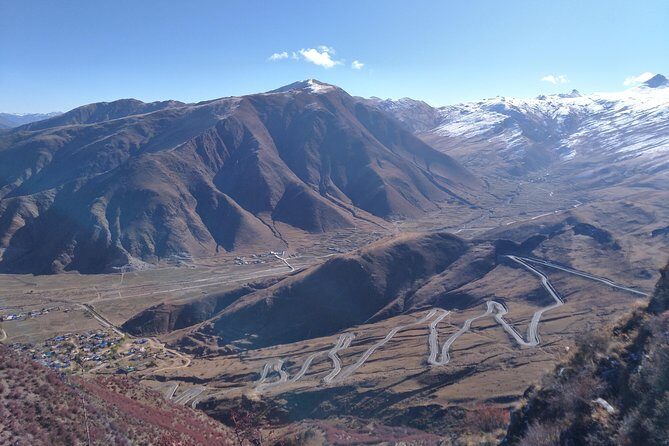
You head from Lhasa toward Shigatse, crossing Gampala pass at 4790m. You then get glimpses of Yamdrok-tso around 4400m, surrounded by snow-capped mountains in the distance. The tour highlights views of Holy Mount Nyenchen Khangsar (7191m), which is exactly the kind of sight that makes the drive feel worth it.
Karo La Glacier and prayer flags
Later, you pass and enjoy the Korola glacier on the roadside. There’s also a stop to hang prayer flags at Simila Mountain Pass near Manak Dam Lake. Those pauses matter. They break the day into view moments you can actually remember, not just hours in a vehicle.
Gyantse: Pelkor Monastery and Gyantse Kumbum
You arrive in Gyantse, described as historically Tibet’s third largest city. Here you visit Pelkor Monastery and Gyantse Kumbum, then enjoy a far view of Gyantse Fortress.
If you like your monasteries with a bit of variety, Gyantse is a strong stop. Kumbum areas often reward patient looking, and a “far view” fortress stop is a good reset after time inside.
Shigatse arrival
After driving about 1.5 hours, you reach Shigatse, the second largest city in Tibet. There may also be a visit to a traditional barley mill, with barley field views in summer.
This is also one day where you’ll appreciate the minibus approach. You’re not trying to cover all your time on foot in thin air. You get real driving views with guide context.
Day 5: Tashilunpo Monastery and the Return Toward Lhasa
Day 5 begins with Tashilunpo Monastery, described as the home of the Panchan Lama (Panchen Lama). The tour notes you can see the well-preserved largest statue of Jampa (future god) in the world, and it’s the abiding place for successive Penchen Lamas.
This kind of stop tends to be powerful for two reasons. First, your guide can explain the role of the Panchen lineage in Tibetan Buddhism. Second, you’ll likely spend time looking closely at what makes the statue and monastery design distinct, not just snapping pictures.
After Tashilunpo, the plan is to follow Yalong Valley back to Lhasa. You’ll then be transferred to your hotel. That return drive is often when fatigue hits, so it’s good the day doesn’t pack in yet another “must-see” temple marathon.
Day 6: Permit-Limited Departure Day
This is where you need to be realistic. The itinerary notes you must leave Tibet by air or flight because your Tibet permit is limited for this tour.
So instead of planning an extra side quest in the morning, plan your departure timing and keep your energy for the airport or flight connection. If you want more time in Tibet beyond this tour window, the description says you can book another tour and the team can assist with airport or railway drop-off service. The key is: treat Day 6 as the finish line.
Also, remember this trip includes airport pick up and drop off in Lhasa. That’s a big quality-of-life item on a place where getting transport wrong can feel stressful quickly.
Price and Value: Is $829 Fair for This Mix of Permits, Guide, and Drives?
At $829 per person, this tour is aiming for value by bundling the things that normally cost you the most time and stress in Tibet: permits, a driver, an English-speaking Tibetan guide, and hotel stays.
You’re also getting a small-group cap (12 travelers), plus transportation by comfortable van or minibus with an experienced local driver and gasoline included. That reduces the common DIY friction: arranging consistent transport across multiple days, keeping the schedule together, and not losing time to misunderstandings.
Now the honest part: the “included” and “not included” sections conflict on meals and some tickets. The included list says dinner and lunch are included, while the not-included list says all lunches and dinners are not included. Entrance fees also show some days as not included even though the included section states entrance ticket fees are included.
That doesn’t mean the trip isn’t good. It means you should confirm the exact inclusions for your departure date and ask whether lunch/dinner and specific entrance tickets (like Potala Palace and Jokhang Temple) are covered in your quote. In Tibet, those clarifications can save you from surprise add-ons.
What the Small-Group Format Does for Your Real Experience
This tour isn’t built for speed. It’s built for readability. A max group of 12 means you’re less likely to get lost in a big crowd at temples, and your guide can answer questions without the pace collapsing.
In the reviews you’ll see the same theme again and again: guides who are Tibetan and can explain religion and culture in plain language. People mention guides by name such as Lha Dup, Phurbu Tsering, Ngawang, Dechen, Tserina, Lhakdon, and Kunchok. If your guide is one of the same team, you should expect more than basic site explanations—you’ll likely get context that helps you understand why pilgrims behave the way they do at places like Jokhang and Barkhor.
The other practical perk is oxygen/comfort handling. While the supplied tour details don’t promise oxygen equipment in a formal way, some traveler comments highlight that comfort support can be part of the experience. Still, don’t assume. Bring what you personally need for altitude comfort and let your guide know how you’re feeling each morning.
Hotel, Food, and Transport: Comfort Choices You’ll Actually Feel
Hotels are described as twin-sharing with breakfasts (5). That suggests you’ll have a standard base, not a luxury-hotel lifestyle tour. In a high-altitude country with tight logistics, this is often the right call.
Drinking water is provided during the trip, which matters on long road days like Day 4. Transportation runs by comfortable van or minibus with an experienced local driver. That helps you focus on views and sites rather than thinking about road timing.
Food details still deserve a quick check. Because the day notes and the included/not-included lists contradict each other for lunch and dinner, you’ll want clear answers before you arrive. If meals aren’t included for your date, the tour will still include a welcome dinner when the group meets, and you may see tea-house style stops like on Barkhor day.
Should You Book This Central Tibet Culture Tour?
Book this tour if you want a balanced Central Tibet mix: Lhasa’s big religious sites, a more everyday village moment at Dadong, monastic debate at Sera, and a road-heavy journey toward Shigatse with passes and high lakes.
Don’t book it as-is if you hate altitude risk or you need a super flexible Day 6. The permit-limited departure is real. Also, if your travel style depends on fully guaranteed meal and ticket inclusions, make sure your quote is crystal clear before paying—this description contains contradictions that you shouldn’t have to solve once you’re in Tibet.
If you’re ready for high elevation and you like your travel guided and contextual (not just drive-by photos), this is a strong way to experience Central Tibet without turning your vacation into a logistics project.
FAQ
How many days is the Central Tibet Culture small group tour?
The tour runs for about 6 days, starting at 9:00 am.
Where does the tour take place?
It focuses on Lhasa and Shigatse, with scenic road trips through central Tibet and high-altitude lake areas mentioned in the tour summary.
What’s the group size limit?
The group size has a maximum of 12 travelers.
Are airport transfers included?
Yes. The tour includes airport pick up and drop off in Lhasa.
What permits are handled for you?
The tour includes the Tibet travel permit and other necessary permits needed. The operator also states a guarantee to get your Tibet permit for free.
Do I need to send passport copies in advance?
Yes. Travelers are required to provide photocopies of passports and China L visas at least 20 days prior to travel.
Is the tour guide English-speaking?
Yes. The tour includes an English-speaking Tibetan guide.
Are meals and site entrance fees included?
The description includes dinner and lunch in the included section, but also lists lunches and dinners as not included. Entrance tickets are also described both ways in the notes. You should confirm what is covered for your exact departure date.
What’s included in terms of lodging?
Hotels are based on twin-sharing, with breakfasts listed as included for 5 mornings.
Does the tour include special mountain views or lakes?
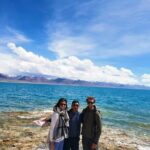
The summary highlights Namtso Lake at 4,718m, and the itinerary notes stops like Yamdrok-tso and other high-altitude pass and glacier viewpoints. Confirm your exact day-by-day schedule for Namtso.
What if I need to cancel?
You can cancel up to 6 days in advance of the experience for a full refund, with partial refunds if you cancel closer to the start time.