REVIEW · LHASA
8 Day Tibet Classic Tour
Book on Viator →Operated by Journey2Tibet · Bookable on Viator
One high-altitude checklist at a time. This 8-day Tibet Classic Tour focuses on the big, unforgettable hits around Lhasa and the Everest region, with a clear pace and organized transport. I especially like that the trip is built around practical stops—Potala Palace, Jokhang Temple, Yamdrok Lake, Rongbuk, Everest sunrise/base camp, and Lake Namtso—so you get major sights without having to piece everything together yourself. I also like the support structure: the operator runs offices in Lhasa and Chengdu and offers help with issues, plus free itinerary planning and assistance with train and flight bookings. One consideration: you’ll be in a lot of vehicles across long travel days, so if you want lots of free time to wander, this structured route may feel a bit tight.
You also get a “keep it calm” vibe that matters at altitude. The first day’s advice to rest and acclimatize is a good sign, and the tour is set up for a maximum group size of 12. Guides you might meet (including names like Zhaba or Xiao Bu) are described as engaged and safety-minded, which is exactly what you want when the air is thin and the schedule is full.
In This Review
- Key points to know before you go
- Entering The Tibet rhythm from your first Lhasa arrival
- Potala Palace and Jokhang Temple: two sacred centers in one packed day
- Barkhor Street: the best kind of free time in Lhasa
- Yamdrok Yumtso and Karo La Glacier: big scenery on the road
- Rongbuk Monastery and the Tingri road: a long day worth dressing for
- Everest sunrise from Rongbuk: cold air, clear purpose
- Shigatse to Lhasa with Tashilunpo Monastery as your cultural reset
- Lake Namtso and a high pass day on the Qinghai-Tibet Highway
- Four-star hotels, permits, and what the tour actually includes
- Price value: $1,280 for structure, not luxury math
- Group size, guides, and the human side of the schedule
- Who this Tibet Classic Tour fits best
- Should you book this 8-day Tibet Classic?
- FAQ
- What does the tour price include?
- Are hotels included, and what standard are they?
- Do I need a Tibet Travel Permit?
- Is pickup from my arrival location provided?
- Will I have admission tickets for major sites?
- How many travelers are in the group?
- Is there mobile ticket support?
- What is the cancellation window for a full refund?
Key points to know before you go
- Built for first-timers: permits, four-star hotels, and admission fees are handled, so you’re mostly just showing up.
- Altitude-aware early choices: day one is intentionally low-key to help you adjust.
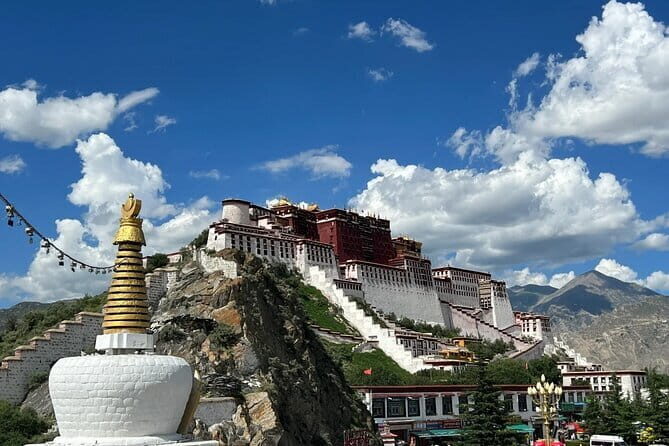
- Two “religion powerhouses” in one day: Potala Palace and Jokhang Temple are grouped efficiently.
- Everest day is a plan, not a gamble: sunrise viewing from Rongbuk, then onward toward base camp by local bus.
- Classic lakes and glacier views: Yamdrok Yumtso and a Karo La Glacier pass give you variety beyond the temples.
- Small-group feel: up to 12 travelers, with Tibetan-English speaking guidance.
Entering The Tibet rhythm from your first Lhasa arrival
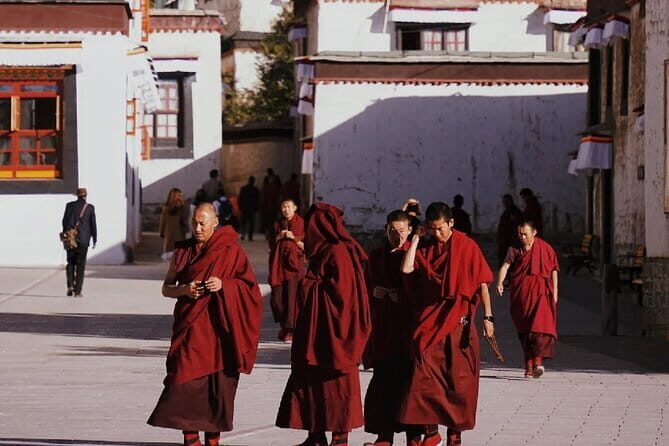
Day one is simple on purpose. Your guide meets you in the arrival hall and takes you to the Lhasa hotel already arranged for you. The key advice is to avoid going out right away and instead rest so your body can adjust to high altitude.
That matters more than people expect. On an early schedule like this, a smooth acclimatization day can make the later walking through temples and viewpoint areas feel far less punishing. If you’re prone to altitude headaches or nausea, plan to keep your energy low that first evening.
You can also read our reviews of more tours and experiences in Lhasa.
Potala Palace and Jokhang Temple: two sacred centers in one packed day
If you only had time for Lhasa’s crown jewels, this day would still make sense. Potala Palace is scheduled in the morning for about 2 hours with admission included, giving you time to see key halls and the golden burial chortens (stupa tombs) connected with past Dalai Lamas.
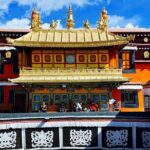
In the afternoon, you shift to Jokhang Temple for roughly 1 hour 30 minutes, also with admission included. Jokhang is a cornerstone of Tibetan Buddhism, and you’ll be surrounded by the feeling that this isn’t just sightseeing—it’s an active spiritual center.
After that, you walk to Barkhor Street for a clockwise stroll. You get about an hour, and it’s free time to browse handicrafts and simply watch daily life flow past you. If you want souvenirs that don’t feel like a forced stop, this is often a better rhythm than the usual “grab-and-go” shopping.
Barkhor Street: the best kind of free time in Lhasa
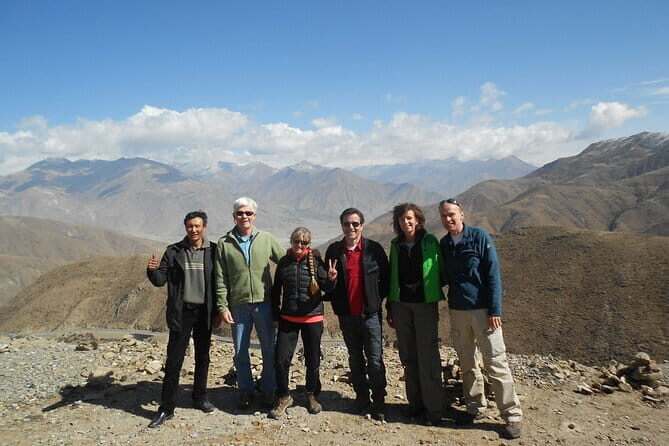
Barkhor Street is where your eyes get a workout—in a good way. You’ll usually find small stalls, people traveling in rhythm around sacred spaces, and lots of color tied to everyday devotion.
The best part is that it’s not another rushed museum block. You can linger, take photos, and step aside when the crowds get thick. Just keep your schedule in mind—this is one of the few “flex” moments you’ll get before the pace ramps up on driving days.
Yamdrok Yumtso and Karo La Glacier: big scenery on the road
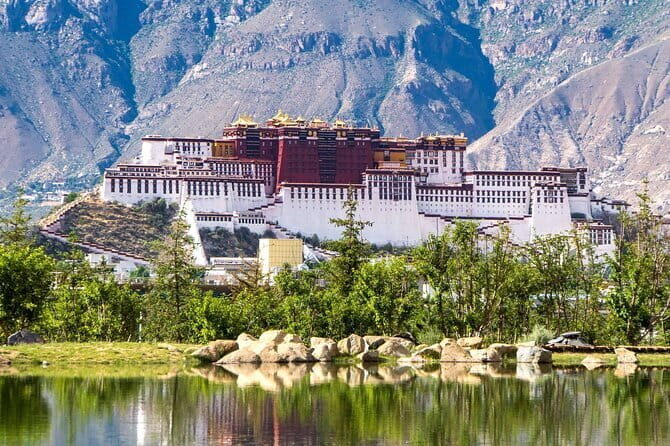
Leaving Lhasa by road, you head toward Yamdrok Yumtso Lake. The drive is paired with a stop of about 1 hour, and admission is included. Yamdrok is one of Tibet’s sacred lakes, and even at a distance, it’s the kind of place that makes you stop thinking in checklist terms.
In the afternoon, you pass by Karo La Glacier for a distant view. The value here is not a long hike—it’s the perspective. The glacier area and mountain weather can shift fast, so you’re watching for that moment when the clouds thin and you get a clearer line of sight.
Then the day ends with arrival in Gyantse County area for more scenery views. This is a good day for people who want “Tibet variety”: temples in the city, then wide open roads and sky-driven views.
Rongbuk Monastery and the Tingri road: a long day worth dressing for
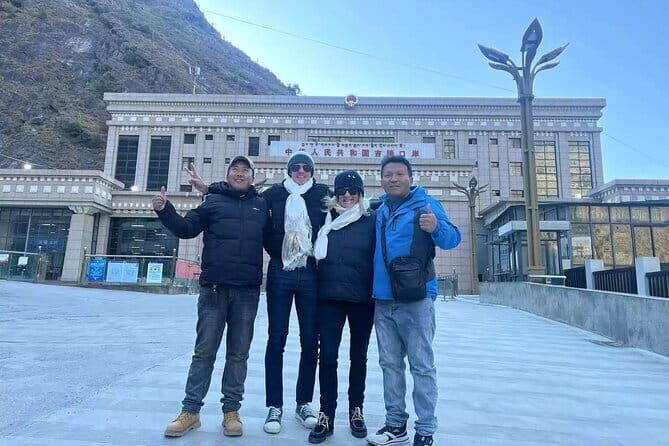
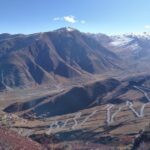
One of the most memorable parts of this trip is the drive west toward Tingri and onward to Rongbuk. It’s a long day—about 8 hours—and that’s not just time filler. The route includes wild grasslands, a rapids river crossing, and high mountains, so the scenery evolves steadily instead of repeating itself.
Rongbuk Monastery is where the landscape starts feeling serious. If you’re coming from Lhasa, it’s a contrast shock: less city motion, more raw altitude and distance. Admission is included, and the stop is built as a “setup day” for the Everest morning.
Practical tip: when you’re heading into the Rongbuk area, plan for cooler air than you’re used to in Lhasa. Even when the sky looks clear, the high-elevation wind can make you feel colder than the temperature suggests.
Everest sunrise from Rongbuk: cold air, clear purpose
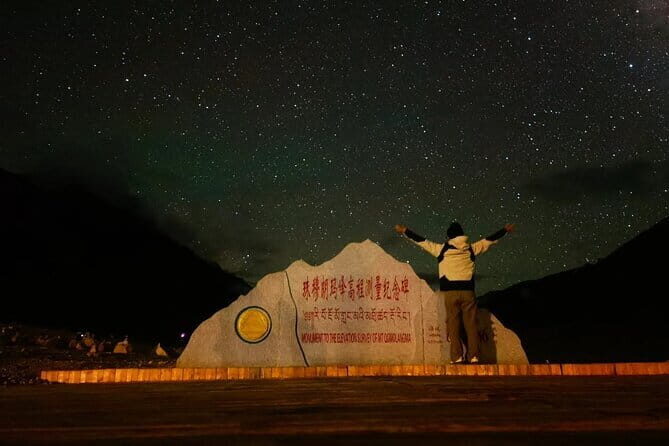
On day five, you’re up early for sunrise viewing from Rongbuk. The timing is the whole point—early light gives shape to snow lines and mountain edges, and Everest often looks most dramatic when the sky is still calm.
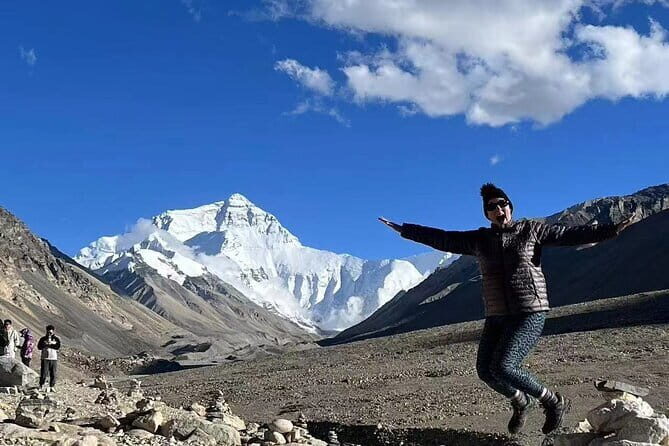
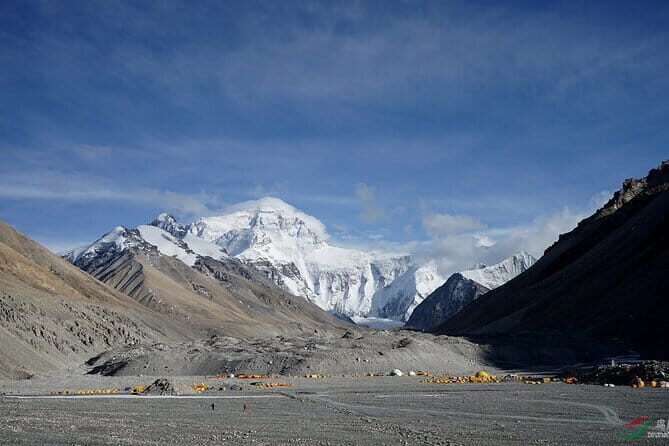
After sunrise, you view Mt. Everest, then take a short walking time before heading onward. You’ll then use a local bus for about half an hour to reach Everest Base Camp, where you can alight and see the area up close. Admission for the day’s Everest stop is listed as free.
This day is also where altitude and temperature can combine into a rough mix. The cold can be intense, and you’ll feel the thin air quickly if you rush. Go slow, keep your layers on, and focus on breathing steadily. If you’ve never done a high-altitude sunrise, expect it to feel more physical than “just a photo stop.”
Shigatse to Lhasa with Tashilunpo Monastery as your cultural reset
After the Everest intensity, day six gives you a calmer, cultural focus before you head back toward Lhasa. You drive back from the Shigatse area—about 4 hours—and along the way you visit Tashilunpo Monastery.
Tashilunpo is described as the largest monastery in West Tibet, and the visit lasts around 2 hours with admission included. For me, this kind of stop is how you keep Everest from becoming the only story of the trip. It reminds you that Tibet’s spiritual world is bigger than any single mountain.
It also helps your body. After several days of big elevations and early starts, a monastery day can feel like a mental breather—even if you’re still walking and moving through cold air.
Lake Namtso and a high pass day on the Qinghai-Tibet Highway
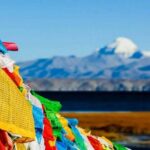
Day seven is for the people who want that “I can’t believe we’re here” feeling again. You drive through northern Tibet grasslands, and you’ll see colorful prayer flags fluttering in the wind. The route is on the Qinghai-Tibet Highway, which is part of what makes the day feel like a proper journey instead of a series of short hops.
There’s also a significant high pass—listed at 5,190 meters—crossed during the drive. The stop for Lake Namtso is about 3 hours, with admission included.
Even without a long hike described here, the value comes from exposure to the scale of the place: flat grasslands, distant water, and wind-driven details like prayer flags. If your goal is to see Tibet’s emptiness and sacred geography, this is one of the days that delivers it.
Four-star hotels, permits, and what the tour actually includes
Here’s where the price starts making sense. This tour includes Tibet Travel Permit, all transportation within Tibet, and a Tibetan English-speaking tour guide. It also includes admission fees and four-star hotels throughout.
Breakfast is included for 7 mornings, which reduces the daily decision fatigue (and that’s money saved if you’d otherwise pay separately every day). The tour also offers pickup and uses a mobile ticket, which can simplify the check-in experience when you’re juggling time and altitude.
Not included: lunches and dinners, international airfare, and tips for your driver and guide. That means you should budget meals separately and consider tips as part of your planning rather than a surprise at the end.
Price value: $1,280 for structure, not luxury math
At $1,280 per person for about 8 days, this isn’t “cheap,” but it also isn’t trying to be a luxury-only product. The value comes from what’s wrapped in: permits, internal transport, admission fees, and four-star hotels.
If you were to price those pieces separately—especially the permit and ground transport—this package often comes out competitive. It also saves you from coordinating multiple bookings while you’re already under altitude stress and jet lag.
The trade-off is flexibility. You’re buying a planned flow with set stops and set driving days. If you’re the type who likes late starts, independent detours, or extra slow afternoons, you may want to compare this against a more custom option.
Group size, guides, and the human side of the schedule
This is a small-group tour with a maximum of 12 travelers. That’s big enough to feel social but small enough that the guide can keep track of who needs help adjusting pace or handling the cold.
The operator describes itself as rejecting middlemen and solving issues efficiently through its offices in Lhasa and Chengdu. You also get free itinerary planning and help with train and flight bookings through their professional support team.
From the trip’s safety tone, you can tell they understand the altitude problem isn’t theoretical. Guides like Xiao Bu are noted for reminding you of what to be careful about, and Zhaba is described as enthusiastic—two traits that work well together: energy plus good judgment.
Who this Tibet Classic Tour fits best
I’d point you toward this tour if you want:
- a high-value “greatest hits” style route in 8 days
- someone else handling permits, tickets, and internal transport
- four-star comfort with less day-to-day hassle
- iconic stops like Potala Palace, Jokhang Temple, Everest sunrise, and Lake Namtso
You might think twice if you hate early mornings, dislike long driving days, or want lots of unscheduled wandering time. Also, if you have strong mobility limits, double-check how much walking you can comfortably do at altitude, especially around palace and monastery areas.
Should you book this 8-day Tibet Classic?
Book it if you want Tibet to feel organized and meaningful without spending your trip trying to figure out logistics at altitude. The included permits, admissions, internal transport, and four-star hotels are the big reasons the price feels fair, and the route hits major spiritual and natural landmarks without turning into a chaotic sprint.
Don’t book it if your top priority is total freedom. This tour gives you a clear path: Lhasa to Yamdrok and glacier views, Rongbuk and Everest sunrise, then monasteries and Namtso before a final transfer out. If that’s your kind of structure, you’ll likely find it satisfying.
FAQ
What does the tour price include?
The tour includes admission fees, all transportation within Tibet, a Tibetan English-speaking tour guide, the Tibet Travel Permit, and four-star hotels. Breakfast is included for 7 days. Lunches and dinners, international airfare, and tips for the driver and guide are not included.
Are hotels included, and what standard are they?
Yes. The tour includes four-star hotels throughout the trip.
Do I need a Tibet Travel Permit?
Yes, the tour includes the Tibet Travel Permit.
Is pickup from my arrival location provided?
Pickup is offered, and on day one your guide meets you in the arrival hall and takes you to your arranged hotel.
Will I have admission tickets for major sites?
Yes. Potala Palace, Jokhang Temple, Yamdrok Yumtso Lake, Karo La Glacier, Rongbuk Monastery, Mount Everest/Base Camp area, Tashilunpo Monastery, and Lake Namtso have admission included as listed.
How many travelers are in the group?
The tour has a maximum of 12 travelers.
Is there mobile ticket support?
Yes. The tour lists Mobile ticket as a feature.
What is the cancellation window for a full refund?
You can cancel up to 3 days in advance for a full refund. If you cancel less than 3 days before the experience starts, the amount paid is not refunded. The cutoff is based on local time.