REVIEW · LHASA
6-Day Private Tibet Tour: Lhasa, Gyangtse, and Shigatse
Book on Viator →Operated by Travel China Guide · Bookable on Viator
Tibet hits different at 12,000 feet. This private route strings together the big spiritual stops in Lhasa (Potala Palace, Jokhang Temple, and the main monastery day) plus the scenic Yamdrok Lake and the quieter rhythm of Gyangtse and Shigatse. I especially like the tight, practical pacing: a first day built around rest and acclimatizing, then full days that pack in famous sights without feeling rushed. I also like that you travel with a private guide and driver in an air-conditioned vehicle, so you’re not stuck timing your day to a bus schedule.
One consideration: the itinerary is full, and altitude is real. You’ll be at around 3,650 m on arrival in Lhasa, and Yamdrok Lake climbs to about 4,441 m, so you should plan to move slower than you normally would.
In This Review
- Key Takeaways Before You Go
- How This Private Tibet Plan Works (and Why It’s Worth Paying For)
- Day 1 in Lhasa: Airport Arrival and Altitude Reality Check
- Drepung, Norbulingka, and Sera: A Lhasa Monastery Day You Can Actually Handle
- Drepung Monastery (Zhebang Si)
- Norbulingka (Precious Stone Garden)
- Sera Monastery
- Potala Palace, Jokhang Temple, Barkhor Street, and a Nunnery Visit
- Potala Palace
- Jokhang Temple
- Barkhor Street
- Nunnery time
- Yamdrok Yumtso Lake to Gyangtse: Sacred Lake Views Without the Hassle
- Yamdrok Yumtso Lake
- Gyangtse Old Street
- Pelkor Chode Monastery (and Kumbum Stupa)
- The Road Toward Shigatse: Pala Manor and a Real Aristocratic Backstory
- Shigatse and the Panchen Lama Center: Tashilhunpo Monastery
- Returning to Lhasa
- The Final Day: Airport Transfer Without the Stress
- Service Quality: The People Factor (Why Communication Matters Here)
- Who Should Book This Tour (and Who Might Want Something Slower)
- Should You Book This Private Tibet Tour?
- FAQ
- Do I get picked up from the airport?
- Is the Tibet travel permit included?
- How many nights of accommodation are included?
- What meals are included?
- Which Lhasa sights are part of the trip?
- What’s special about the Gyantse stop?
- Is Yamdrok Lake included, and how high is it?
- Is the China visa fee included?
Key Takeaways Before You Go
- Private, door-to-airport pickup with airport meet-up instructions and a single team running your route
- Lhasa “trinity” of monasteries in one day: Drepung, Norbulingka, and Sera with debating at Sera
- Potala + Jokhang + Barkhor in a classic circuit, plus a chance to see nuns’ daily life
- Yamdrok Lake at high altitude with a sacred-lake stop and Glacier scenery along the drive
- Gyantse’s Pelkor Chode and Kumbum Stupa where you can climb inside the stupa for murals and statues
- Shigatse’s Tashilhunpo complex for the Panchen Lama’s spiritual center and residence areas
How This Private Tibet Plan Works (and Why It’s Worth Paying For)
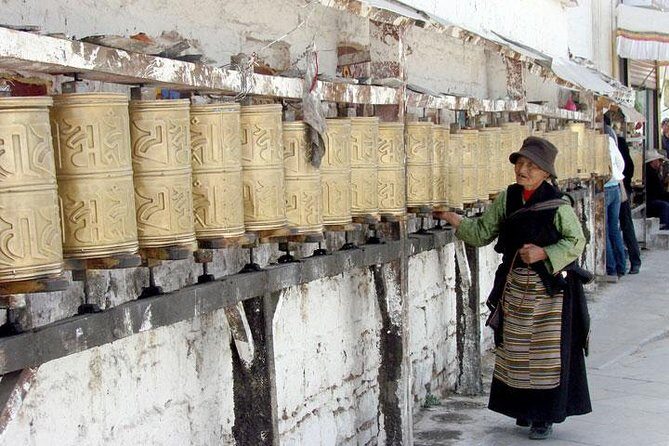
This trip is built for comfort and control. You get a professional private guide and driver, plus transport by a private air-conditioned vehicle. That matters in Tibet, where distances are long and “group pace” can turn a dream day into a chore. With private timing, you can slow down, take breaks, and let your body catch up to the altitude.
The second big value is that the practical stuff is handled. Your tour includes the Tibet travel permit, hotel stays for five nights (twin-sharing), and daily bottled waters. You also get breakfast for five days and lunch for four days, which reduces the amount of planning you need to do once you’re already dealing with jet lag and thin air.
The price—$1,799 per person—isn’t just for sightseeing. It’s paying for the permit, the guide/driver team, the vehicle, and the hotel base. If you’ve priced Tibet on your own before, you know that “independent” can get expensive fast once you add logistics and permits.
You can also read our reviews of more private tours in Lhasa
Day 1 in Lhasa: Airport Arrival and Altitude Reality Check
Your guide meets you outside the baggage claim area at Lhasa Gonggar Airport, then you’re driven to your hotel. The altitude here is listed as almost 12,000 feet (3,650 m). That’s not trivia—it’s the main event on day one.
The plan is simple: check in, rest, and avoid “hero mode.” You’re advised not to do vigorous activity like walking fast or running, and to skip swimming and smoking. This is one of those small instructions that can make your entire trip more comfortable. In practical terms, it means: let your first hours be about breathing, hydration, and sleep—not sightseeing marathons.
Who this suits best: anyone who values acclimatization and wants to start with a calmer rhythm, especially first-time Tibet visitors.
Drepung, Norbulingka, and Sera: A Lhasa Monastery Day You Can Actually Handle
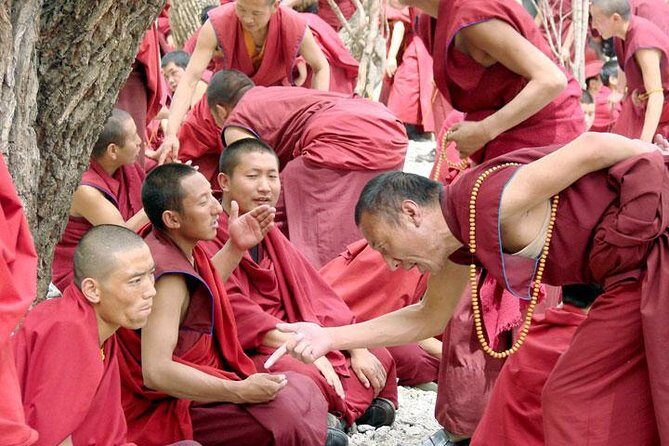
Day 2 is a classic monastery circuit, but it’s arranged thoughtfully: one major monastery, one major park-palace stop, then Sera.
Drepung Monastery (Zhebang Si)
Drepung is described as one of the Three Great Monasteries and the largest in Tibetan Buddhism, with a layered look from a distance—white buildings stacked like a “heap of rice.” It’s a big place, so you’ll benefit from having a guide to explain what you’re seeing while you walk slowly through courtyards and halls.
If you want a sense of Tibet’s monastic scale—how religious life shaped communities—this is the day to see it. The entry is included and the stop is about 3 hours.
Norbulingka (Precious Stone Garden)
Next you shift from monastery density to a sprawling man-made park, built around 200 years ago as a summer palace for religious leaders. This stop feels like a palate cleanser: greenery, pathways, and a calmer pace before the next monastery.
It’s only about 1 hour, so don’t expect a full-day picnic. Think of it as a breather stop that still ties to Tibetan spiritual history. Admission is included.
A few more Lhasa tours and experiences worth a look
Sera Monastery
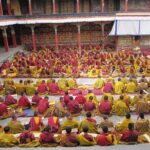
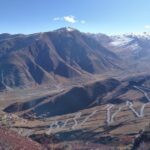
In the afternoon, Sera is where the tour leans into living tradition. It’s described as the second largest monastery in Tibet, known for the debating of Buddhist doctrines among lamas. Even if you don’t follow every concept, the energy of debate is easy to grasp.
This stop is about 2 hours, and admission is included.
Possible drawback for this day: it’s three stops with three different “moods.” If your legs are not feeling good from altitude, you’ll want your guide to slow things down at the first sign of discomfort.
Potala Palace, Jokhang Temple, Barkhor Street, and a Nunnery Visit
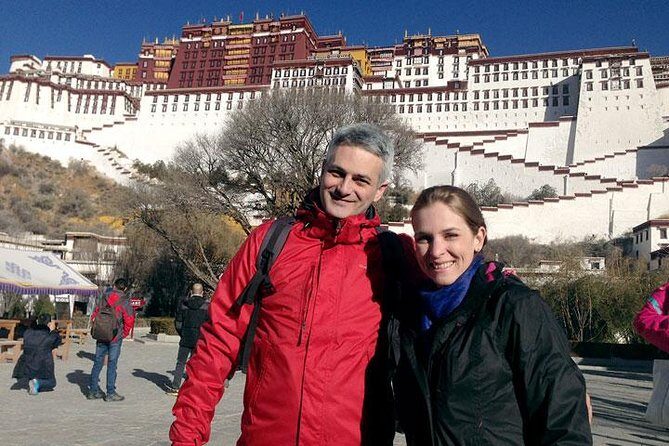
Day 3 is the Lhasa icon day, and the order makes sense: start high-impact, then move into pilgrimage and street life.
Potala Palace
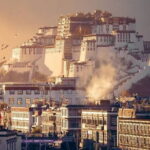
Potala is a “you-can’t-miss” stop. The tour describes it as having roots in the 7th century and later reconstruction after about 600 years of unrest, becoming Tibet’s political, religious, cultural, and economic center. Today it’s presented as a major treasure house that attracts pilgrims and visitors.
You’ll have about 2 hours, with admission included. My advice: don’t rush the palace rooms and courtyards. This is one of those places where your brain needs a moment to absorb what scale and symbolism feel like up close.
Jokhang Temple
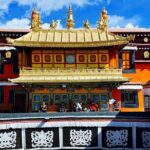
After lunch, you go to Jokhang Temple, described as a 1370-year-old pilgrimage destination and the ultimate draw for Tibetan pilgrims. This is where you get the “religion in daily life” feeling—close to devotion, incense, ritual motion, and the steady flow of people.
The stop is about 2 hours, and admission is included.
Barkhor Street
Then it’s straight to Barkhor Street, described as the iconic stone street with the original look of Lhasa, plus handicrafts and ancient buildings. This is the part where your senses wake up: walking slowly, people watching, and seeing local life beyond postcard angles.
It’s about 2 hours.
Nunnery time
The day ends with a nunnery visit (admission/free listed). This is a thoughtful contrast to the grand palace and temple complex. It’s not framed as a performance; it’s an opportunity to get closer to the lifestyle of Buddhist nuns.
Consideration: Day 3 is long and visually dense. If you’re prone to headaches at altitude, plan to hydrate and keep your pace gentle.
Yamdrok Yumtso Lake to Gyangtse: Sacred Lake Views Without the Hassle
Day 4 starts with a high-altitude nature and culture mix. There’s also a nice touch: a stop to visit a local family on the way, framed as a chance to learn about local Tibetan life through conversation.
That family stop can be the most human moment of the day—often short, sometimes simple, but it turns the drive into something more than scenery.
Yamdrok Yumtso Lake
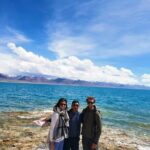
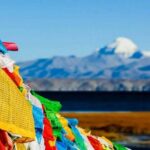
Yamdrok Yumtso is described as one of Tibet’s three sacred lakes, sitting at around 4,441 meters. The tour notes pure water winding through mountains, with names like Coral Lake and Green Jade Lake, and you’ll also enjoy Karola Glacier scenery during the drive.
You’ll have about 3 hours here, and admission is included. Expect the altitude to be the pacing factor. You’ll enjoy the views more if you don’t try to “win” the walk.
Gyangtse Old Street
After arrival, you check in and rest, then get time to wander through Gyangtse Old Street. It’s about 1 hour—more of a stroll than a structured museum-style visit. This stop is ideal if you like the slower feel of smaller city centers.
Pelkor Chode Monastery (and Kumbum Stupa)
Pelkor Chode Monastery is about 1 hour and is described as a Tibetan Buddhism center. The standout here is Kumbum Stupa, which collects delicate Buddha murals and clay, copper, and gold statues. You can even climb inside the stupa to appreciate the artwork.
This is a smart inclusion because it’s interactive. You’re not just looking outward—you’re moving up inside the structure to see layers of artistry.
The Road Toward Shigatse: Pala Manor and a Real Aristocratic Backstory
Day 4 doesn’t end when you leave Gyangtse. The itinerary continues toward Shigatse with a stop at Pala Manor, the main estate of the Pala family—one of the three well-preserved manors of Tibetan aristocrats.
The tour says the manor preserves 57 rooms with exquisite murals and some remaining furniture. This is valuable because it shows another side of Tibet’s history: not just monasteries and pilgrims, but also old social structure and how wealth and art were expressed in private estates.
Then you drive on to Shigatse and check into your hotel.
Who this suits best: travelers who like context—people who don’t just want temples, but also want to understand how society worked around them.
Shigatse and the Panchen Lama Center: Tashilhunpo Monastery
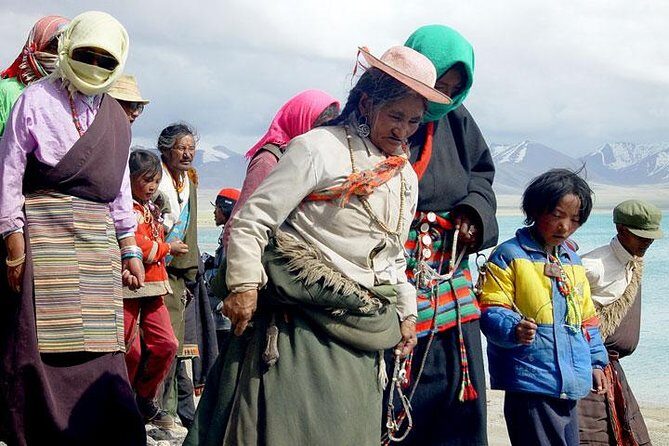
Day 5 is built around Tashilhunpo Monastery, described as the largest temple in the Shigatse area and covering about 150,000 square meters. It’s said to be 570 years old, with splendid buildings and murals.
This is the spiritual anchor of Shigatse on your route. It’s also tied to the tour highlight about the Panchen Lama’s New Palace area (listed as the New Palace of Panchen / Summer Palace of the Panchen Lamas). Even if the day’s main time block centers on Tashilhunpo, you should go in expecting Panchen-era significance across the complex.
You’ll have about 2 hours with admission included.
Returning to Lhasa
After the monastery, the plan is to drive back to Lhasa. The drive is listed as about 5 hours, then you transfer to your hotel.
Practical tip: treat this return day as travel-first, sightseeing-second. You’ll enjoy the final evening more if you keep your goals simple.
The Final Day: Airport Transfer Without the Stress
Day 6 is your departure day. After breakfast, your guide transfers you to Lhasa Gonggar Airport for your flight.
This matters because timing in Tibet isn’t forgiving. You don’t want to negotiate taxis or guess at schedules when you’re already paying attention to altitude, permits, and departure windows. The tour keeps the final day straightforward.
Service Quality: The People Factor (Why Communication Matters Here)
A big reason to choose a private operator in Tibet is not the vehicle or the hotel. It’s communication before you even arrive. In the details you shared, the booking experience included strong emphasis on responsive consultants and clear explanations for arrangements.
One name that came up is Emily Xin, noted for outstanding service and quick replies, plus handling customization requests efficiently. Another name that came up is Selina Wu, also praised for clear explanations about special arrangements. And on the ground, Phurbu was specifically mentioned for leading a memorable experience through Lhasa, Gyangtse, and Shigatse.
Even if you’re not the type to obsess over service, Tibet punishes confusion. Clear coordination reduces stress when permits, timing, and altitude rules are part of the background.
Who Should Book This Tour (and Who Might Want Something Slower)
This tour is a strong fit if you:
- Want major Lhasa sights plus Yamdrok Lake and the Shigatse monastery complex
- Prefer private pacing over bus timing
- Value a guide who can explain what you’re seeing, from monasteries to stupa art to street life
- Like the mix of grand religious spaces and historical human scale, like Pala Manor and a local family stop
You might want to consider a different setup if you:
- Know you get altitude headaches and you prefer very light days
- Want more time in one place rather than checking off many sites in six calendar days
Should You Book This Private Tibet Tour?
If you want a well-run “great hits” route that keeps logistics tight, this is a very reasonable choice. The included basics—permit, hotels, transport, guide/driver, and meals—mean less work for you while you’re dealing with altitude. And the route hits the places people come to Tibet for: Potala Palace, Jokhang Temple, Drepung/Sera, Yamdrok Lake, Pelkor Chode, and Tashilhunpo.
My main reason to book is the structure: a cautious start in Lhasa, then a sequence that groups similar experiences together. My main reason to hesitate is the pace. If you’re sensitive to altitude or want unhurried time, you’ll need to lean into slow walking and rest breaks.
FAQ
Do I get picked up from the airport?
Yes. On the first day, your guide meets you outside the baggage claim area at Lhasa Gonggar Airport, then transfers you to your hotel.
Is the Tibet travel permit included?
Yes. The tour includes the Tibet travel permit.
How many nights of accommodation are included?
You get five nights of accommodation, based on twin-sharing rooms.
What meals are included?
Breakfast is included for 5 days and lunch for 4 days. The tour also includes two bottled waters per person per day.
Which Lhasa sights are part of the trip?
You’ll visit Drepung Monastery, Norbulingka Park, Sera Monastery, Potala Palace, Jokhang Temple, and Barkhor Street, plus a nunnery stop.
What’s special about the Gyantse stop?
In Gyantse you’ll stroll Gyangtse Old Street, then visit Pelkor Chode Monastery with the Kumbum Stupa, where you can climb inside to see murals and statues.
Is Yamdrok Lake included, and how high is it?
Yes. Yamdrok Yumtso Lake is included, and the tour lists its altitude at 4,441 meters.
Is the China visa fee included?
No. The tour states the China Visa Fee is not included.