REVIEW · LHASA
Panorama Multi Day Tour in Tibet
Book on Viator →Operated by Journey2Tibet · Bookable on Viator
Everest views start early. This 11-day VIP-style route is built for a smoother, permit-ready trip, and I especially like the 4-star city-center hotels (close to Potala Palace and Jokhang Temple) plus the included major sights like Potala Palace and Jokhang Temple; the main consideration is the altitude and the long, sometimes rough road days as you head west toward Tingri and Everest areas.
Because it’s handled by a local Tibetan travel agency, you’re not piecing things together yourself. You’ll also travel with an exclusive team doctor, get guaranteed Tibet Travel Permit, and have pickup plus a mobile ticket to keep days from turning into paperwork marathons. Group size is capped at 10, with a VIP approach that keeps extra seats open, which usually means a calmer rhythm on the bus and in ticket lines.
In This Review
- Key things that make this Tibet tour work
- Price and value: what you’re paying for in real life
- VIP small-group comfort: what the empty-seat promise means
- Day 1 Lhasa arrival: keep the day simple and save your energy
- Day 2 Lhasa core: Potala Palace, Jokhang Temple, and Barkhor Street
- Potala Palace: the day’s heavy hitter
- Jokhang Temple: why it still pulls people in
- Barkhor Street: where the culture is lived, not staged
- Day 3 to Day 5: going beyond Lhasa toward lakes, forests, and gorge country
- Day 3: Cuogao/Basomtso Lake drive, then Nyingchi
- Day 4: Nnamjagbarwa Mountain and Lulang Forest
- Day 5: Kadinggou scenic area and a gorge-style waterfall
- Day 6 and Day 7: Yamdrok Yumtso and the westward push to Tingri
- Day 6: Yamdrok Yumtso Lake, Karola Glacier roadside, then Shigatse
- Day 7: Tingri, bumpy roads, and Qomolangma National Nature Preserve
- Day 8: Rongphu sunrise, Mount Everest views, and Everest Base Camp access
- Day 9: Tashilunpo Monastery in Shigatse, then back toward Lhasa
- Day 10: Namtso Lake and the Qinghai-Tibet Highway drive
- Day 11: Lhasa departure transfer
- Hotels and daily logistics: what to expect from the comfort level
- Food, pacing, and altitude: how to make the trip feel easier
- Who this tour is best for
- The bottom line: should you book it?
- FAQ
- FAQ
- How long is the Panorama Multi Day Tour in Tibet?
- What does the price include at $1,679 per person?
- Is pickup offered and do I need a physical ticket?
- How large is the group?
- Does the tour include a Tibet Travel Permit and medical support?
- What happens if I cancel?
Key things that make this Tibet tour work
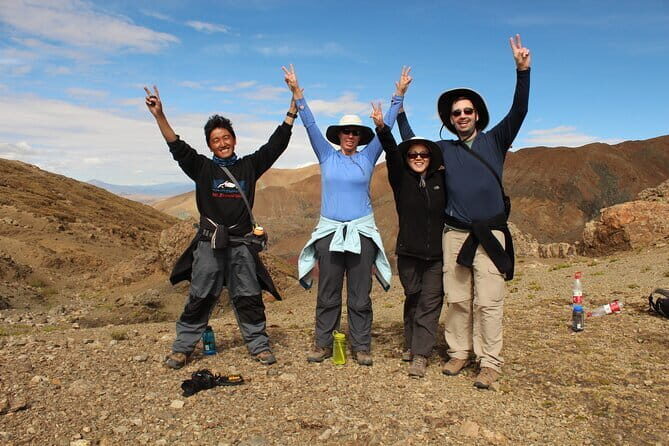
- VIP feel with a small max group size (10 people)
- Guaranteed Tibet Travel Permit plus an exclusive team doctor
- 4-star hotels in central Lhasa, close to Potala Palace and Jokhang Temple
- Big-hit sights covered: Potala, Jokhang, Shigatse, Everest Base Camp, Namtso
- Early starts timed for sunrise and clear viewing chances
- Local-guide support for the logistics-heavy westward driving days
Price and value: what you’re paying for in real life
At $1,679 per person for about 11 days, this tour is not cheap. But when I look at what’s wrapped into the price, it reads more like “pay once, relax more” than “buy a pile of admissions and hope for the best.”
Here’s what helps justify the cost based on what’s included:
- Tibet Travel Permit (guaranteed)
- Sight tickets for the listed attractions
- 4-star accommodation in city centers
- Insurance coverage (travel agency liability and vehicle seat insurance)
- Pickup offered and mobile ticket
- Meals aren’t fully all-inclusive: breakfast is included multiple mornings, and dinner is listed as included, while lunches and dinners are also described as excluded—so you’ll want to confirm which evenings are covered during your departure.
The biggest value play is the logistics. In Tibet, the hard part isn’t the sightseeing idea—it’s the permits, timing, and getting over long distances without your day turning into a scavenger hunt.
You can also read our reviews of more tours and experiences in Lhasa.
VIP small-group comfort: what the empty-seat promise means
This is marketed as VIP luxury small group travel, with an unusual detail: over 30% of seats remain empty. That’s not just marketing math. Fewer people usually means:
- More breathing room for changing plans quickly
- Easier movement at viewpoints and bus stops
- Less pressure around photo stops (especially during sunrise drives)
The group size cap of 10 travelers matters too. You’re not stuck riding with a huge group energy. You still get the structure of a group tour—vehicle, timing, guide coordination—but it feels closer to a well-run shared road trip.
And you’re not going without medical backup. The tour includes an exclusive team doctor, which is a big deal in a place where altitude can make even routine stops feel intense.
Day 1 Lhasa arrival: keep the day simple and save your energy
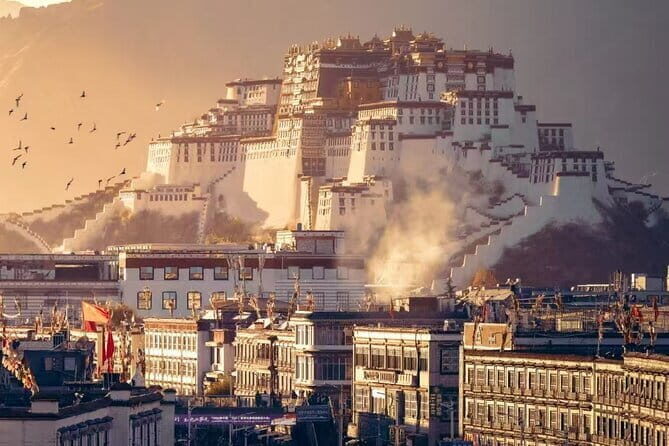
Your first day is straightforward: you fly into Lhasa using recommended options from the agency, and a guide meets you in the arrival hall to handle the transfer onward.
Why this matters: Lhasa arrival can be smoother if someone is already watching the timing for you. You’re also smart to keep the first day low-key—save walking for later, and let your body adjust before throwing yourself at monuments.
Day 2 Lhasa core: Potala Palace, Jokhang Temple, and Barkhor Street
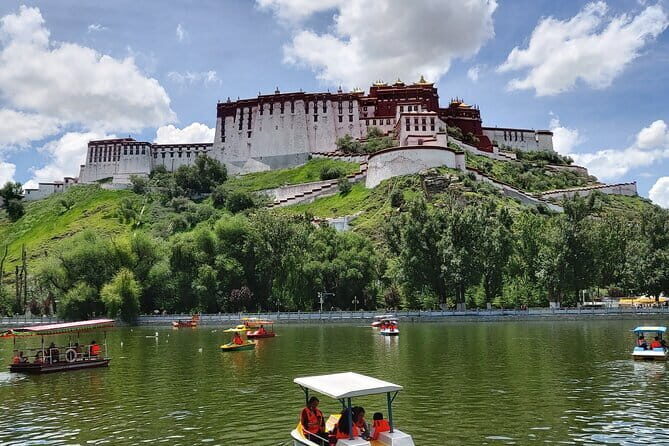
This is the classic Lhasa day, and the pacing is the point.
Potala Palace: the day’s heavy hitter
You visit in the morning at a time when the light can look amazing on the palace’s mass. The Potala Palace is described as the world’s highest ancient palace-style complex and the residence of the Dalai Lamas, so you’re not just seeing a building—you’re seeing a symbol that still shapes how people understand Tibet.
Admission for Potala is included, which is one less line to worry about.
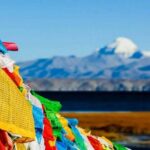
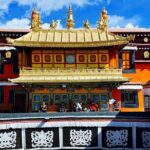
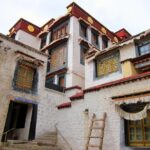
Jokhang Temple: why it still pulls people in
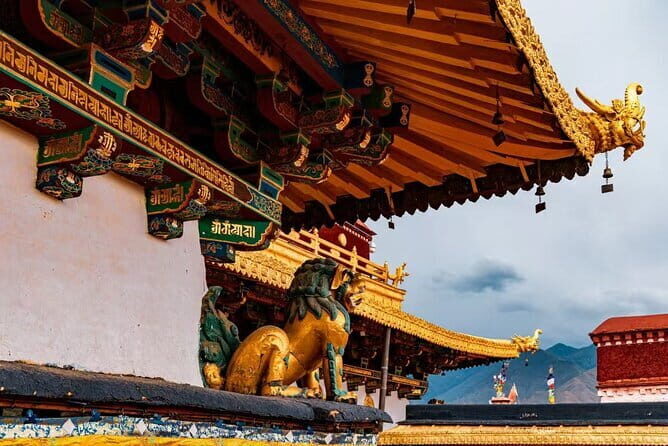
In the afternoon, you head to Jokhang Temple, a sacred site revered by Tibetan Buddhists. The architecture mix—Tibetan, Tang, Nepalese, and Indian styles—isn’t a trivia flex. It helps you understand why Jokhang feels different from the “one-style” tourist monuments elsewhere.
Admission is included here too.
Barkhor Street: where the culture is lived, not staged
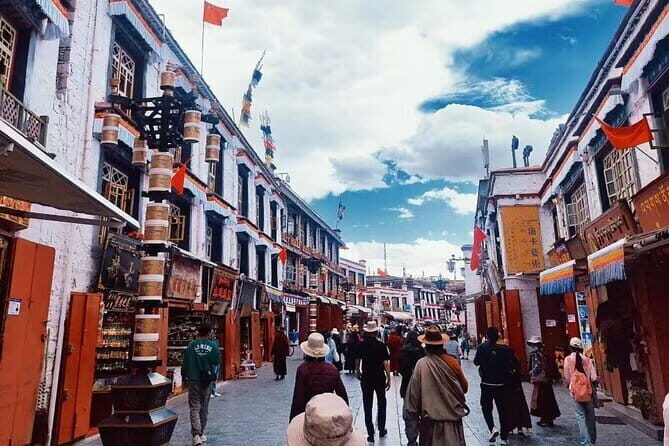
After Jokhang, you stroll Barkhor Street in a clockwise direction. The best part is the loose plan: you can wander the handicraft market, look at street life, and not feel like you need to rush to “check the box.”
If you want authentic-feeling photos, aim for moments where people are still moving naturally rather than posed. Even on a short walk, you’ll notice how this quarter runs on rhythm more than signage.
Day 3 to Day 5: going beyond Lhasa toward lakes, forests, and gorge country
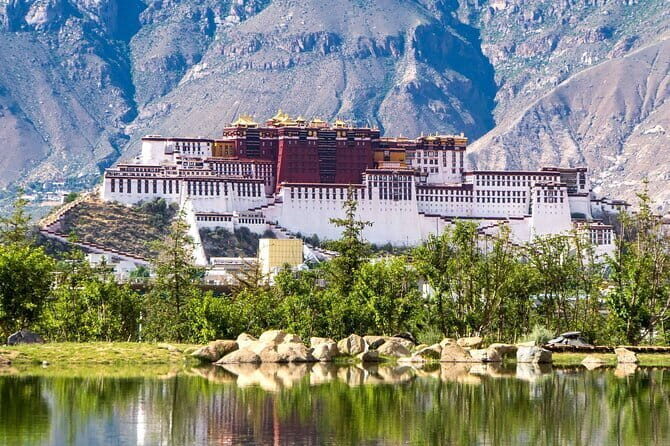
After Lhasa, the trip shifts from religious center to wide-open Tibet. This is where you’ll rack up altitude changes and long views—and where good guiding matters most.
Day 3: Cuogao/Basomtso Lake drive, then Nyingchi
You travel from Lhasa toward Basomtso area (described as Cuogao Lake), crossing major terrain: you’ll follow the Nyang River and pass Mila Mountain Pass (about 5,013 meters), then descend toward the southern Linz… area (the text cuts off, but the message is clear: big pass, big altitude change).
Then you continue to Nyingchi, known as the Throne of the Sun. You get a mix of scenery—river valley views and forests—before you settle in for the night.
Why this segment works: it’s a built-in acclimation rhythm. You don’t jump straight to the Everest zone. You gradually move west into higher terrain while still having a calmer sightseeing day feel.
Day 4: Nnamjagbarwa Mountain and Lulang Forest
Day 4 is an early start heading toward Lulang, crossing Segrila Mountain (about 4,515 meters). The drive includes colorful forests and then a stop at Lulang Forest, described as a place where gods reside.
One practical note: forest days are often cooler and shadier than open high plains. If you’re the type who runs hot, pack layers. If you run cold, pack more layers.
Day 5: Kadinggou scenic area and a gorge-style waterfall
You go to Kadanggou Waterfall, called Heavenly Buddha Waterfall, described as a primitive forest with gorge landscapes—towering mountains, deep valleys.
The takeaway here isn’t just a single waterfall shot. It’s the feeling of Tibet’s terrain: narrow, steep, and dramatic, with the kind of scenery where your eyes don’t know where to settle.
Day 6 and Day 7: Yamdrok Yumtso and the westward push to Tingri
By Day 6, you’re heading toward Shigatse while catching a major signature lake.
Day 6: Yamdrok Yumtso Lake, Karola Glacier roadside, then Shigatse
You pass green farmland in Nyangchu Valley and approach Yamdrok Lake, with a roadside stop near Karola Glacier at about 4,960 meters. Then you move west toward Shigatse, the second biggest city and a spiritually important area.
If you want photos that feel timeless, this is where your camera will get a workout: high-elevation lakes can look unreal, especially when clouds move through.
Day 7: Tingri, bumpy roads, and Qomolangma National Nature Preserve
You drive west to Tingri using a Friendship road route. The text flags something practical: there’s about 90 km of bumpy road from Tingri to Rongpuk, and the road is under construction.
Then you head toward the Qomolangma National Nature Preserve on the way to Everest Base Camp. The road sounds rough by design here—wild grasslands, river rapids, and high mountains.
This day is where you’ll want to be mentally ready for “vehicle time.” If you get motion sick, bring what you normally use. Also, don’t over-plan your day with extra selfies at roadside stops. Pick safe places to step out, and let the guide handle the flow.
Day 8: Rongphu sunrise, Mount Everest views, and Everest Base Camp access
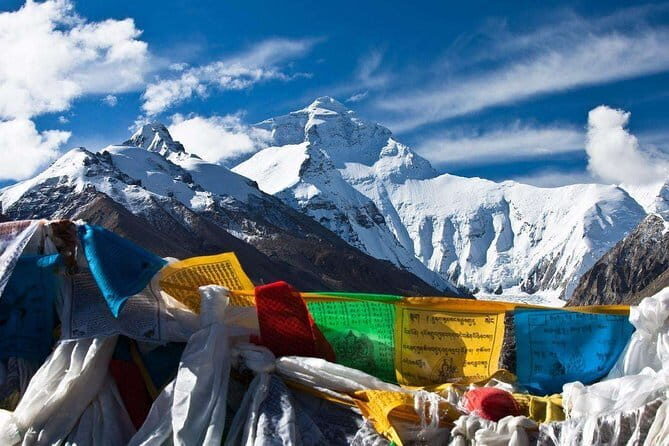
This is the day most people remember.
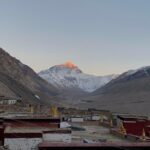
You start early in the morning to see sunrise from Rongphu, then you continue for views of Mount Everest. After that, you walk to a place where you take a local bus for about half an hour to reach Everest Base Camp.
A few practical thoughts:
- Expect it to feel cold early, then warmer later, often within the same hour.
- Sunrise stops are worth it, but only if you’re ready to move quickly and accept that weather controls everything.
- The description mentions possibly seeing four 8,000-meter peaks or more if the weather is clear earlier in the journey. That means the day is partly a viewing lottery, not a guaranteed spectacle.
Day 9: Tashilunpo Monastery in Shigatse, then back toward Lhasa
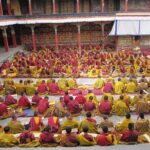
You spend about four hours driving back toward Lhasa from Shigatse, and along the way you visit Tashilunpo Monastery, described as the largest monastery in west Tibet.
This is a good counterbalance after the Everest-focused day. Everest is about scale and distance. Monasteries are about craft, ritual, and how Tibet’s faith shows up in everyday space.
If you like architecture and slower looking, plan to linger a bit. Even a couple of extra minutes per courtyard can change your whole take on the place.
Day 10: Namtso Lake and the Qinghai-Tibet Highway drive
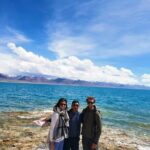
Day 10 is built around Lake Namtso, often considered a top Northern Tibet experience.
You start early and drive through vast grasslands of northern Tibet with prayer flags fluttering in the wind. You also travel along the Qinghai-Tibet Highway and cross a 5,190-meter pass (again, a major altitude marker).
The “feel” of Namtso is different from the Lhasa monuments and different from Everest too. It’s open, wide, and quiet in a way that makes you notice your own pace. If you like photos with lots of sky and strong color contrast, this is where you’ll want to get outside the car whenever it’s safe to stop.
Day 11: Lhasa departure transfer
Your final morning is checkout and a transfer from the hotel to Lhasa Airport or the train station.
This matters because it keeps the ending clean. You’re not trying to figure out transport after 10 days of altitude, long drives, and early mornings. You get closure, and you can focus on your next leg home.
Hotels and daily logistics: what to expect from the comfort level
You stay in standard four-star hotels throughout the tour, and in Lhasa specifically the hotels are within 1–3 kilometers of Potala Palace and Jokhang Temple. That proximity is more useful than it sounds. Walking distance saves time and reduces the number of short “ride then queue” moments.
Transport is handled by regular licensed tourist buses, which is a safer and simpler arrangement than hiring random rides between stops.
The tour also offers pickup, and uses mobile ticket delivery. For a place where timing is everything, that setup helps you avoid last-minute surprises.
Food, pacing, and altitude: how to make the trip feel easier
This tour includes breakfast on eight mornings, and dinner is listed as included, but lunches and dinners are also listed as excluded. Because the meal plan detail is slightly inconsistent in the provided information, treat meals as partly planned and partly flexible.
My practical advice:
- Eat breakfast fully on early days. It’s your fuel for cold mornings and long drives.
- Carry water and keep snacks simple, especially on days with rough roads and long transfers.
- Pace yourself on arrival and around high passes. You’re not trying to “win Tibet.” You’re trying to feel good enough to enjoy Tibet.
Fitness-wise, the tour calls for moderate physical fitness. That usually means you can handle uneven ground and early starts, but you’re not required to be a mountain athlete.
Who this tour is best for
This works especially well if you:
- Want a guided route that hits Lhasa, Shigatse, Everest Base Camp, and Namtso without you doing permit paperwork
- Prefer a small group (max 10) with a quieter feel
- Like structure: guides, ticket handling, and timed viewing stops like sunrise
It may be less ideal if you:
- Get uncomfortable with long road days or motion on bumpy segments (Day 7 flags road construction)
- Need a very flexible, self-paced itinerary with no early mornings
- Are extremely sensitive to altitude and want a slower acclimation plan than this schedule likely provides
The bottom line: should you book it?
If you want a solid “big Tibet sights” plan with fewer moving parts, this tour is a strong candidate. The biggest reasons to say yes are the guaranteed Tibet Travel Permit, exclusive team doctor, and the mix of legendary stops (Potala, Jokhang, Everest Base Camp, Namtso) paired with 4-star city-center lodging.
I’d book if you’re comfortable with early mornings and long drives, and you can handle high-altitude travel. I’d pause and ask extra questions before booking if you’re very concerned about meal coverage details or have strong altitude limitations.
FAQ
FAQ
How long is the Panorama Multi Day Tour in Tibet?
The tour runs for about 11 days.
What does the price include at $1,679 per person?
Included items listed are dinner, regular licensed tourist buses, 4-star hotels, attraction tickets mentioned in the itinerary, travel agency liability insurance and vehicle seat insurance, Tibet Travel Permit, and breakfast (8). Lunches and some dinners are listed as excluded, so confirm what’s covered for your dates.
Is pickup offered and do I need a physical ticket?
Pickup is offered, and the tour uses a mobile ticket.
How large is the group?
The maximum group size is 10 people.
Does the tour include a Tibet Travel Permit and medical support?
Yes. The Tibet Travel Permit is guaranteed, and the tour includes an exclusive team doctor.
What happens if I cancel?
You can cancel for a full refund if you cancel at least 6 days in advance. A 50% refund applies if you cancel 2–6 days in advance. If you cancel within 2 days, the amount paid is not refunded.
If you tell me your travel month and whether you’re flying or using the train into Lhasa, I can help you think through the most important packing and pacing priorities for this exact route.