REVIEW · BEIJING
Beijing: Lama Temple (Yonghe Temple) Admission Ticket
Book on GetYourGuide →Operated by PANDA144 experience · Bookable on GetYourGuide
Incense smoke and calm corridors meet here. This Lama Temple (Yonghe Temple) ticket is a simple, well-organized way to experience one of Beijing’s most meaningful Tibetan Buddhist sites without wasting time at the gates.
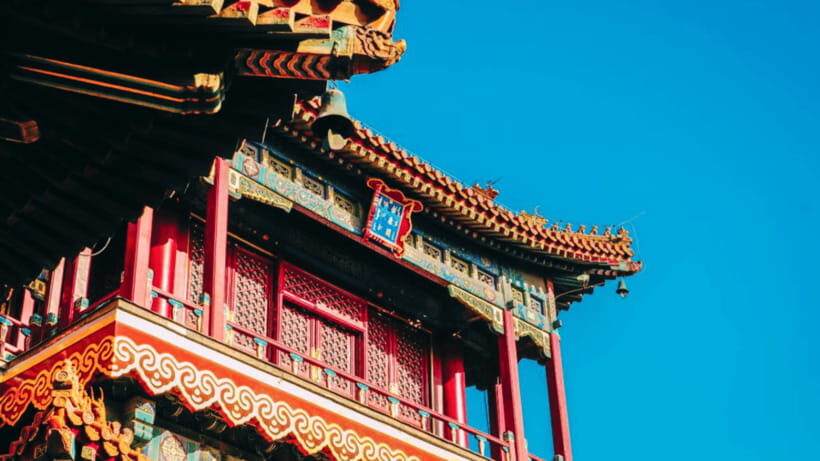
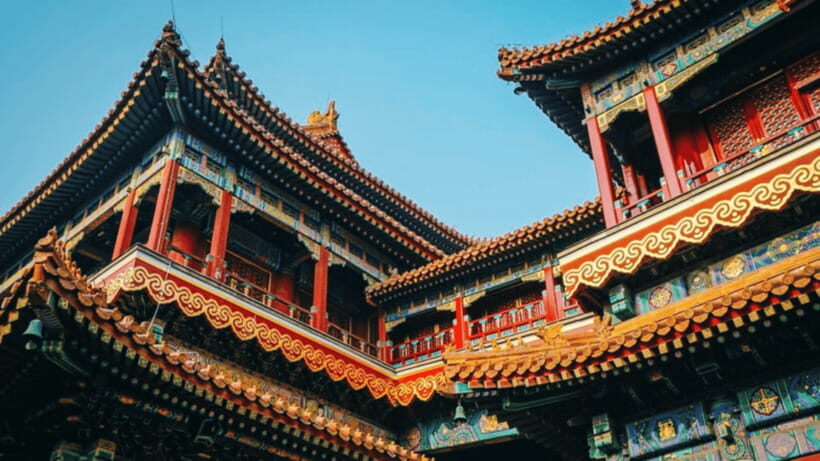
I love the temple’s mix of styles and symbolism. You’re walking through architecture that blends Han, Manchu, Tibetan, and Mongolian influences, and the grounds are built around key sacred spaces like the Yonghe Gate and the Hall of Medicine Buddha.
My only real caution: you still have to go through security checks, and the booking is real-name with passport details. If you rush the info or show up late in the day, you can lose entry.
In This Review
- Key Things to Know Before You Go to Lama Temple
- Lama Temple (Yonghe Temple) Ticket: What You’re Really Buying
- The Real-Name Booking and QR Code Rules (Skip the Stress)
- Entering the Temple Complex: Yonghe Gate Through the Four Learning Halls
- Inside the Halls: Buddhas, Thangkas, and the 18-Meter Sandalwood Maitreya
- Timing and Crowds: How to Get Peace Without Missing the Best Sights
- Price and Value: Why $10 Works Here
- Who Should Book This Lama Temple Experience?
- Booking Through PANDA144: What to Expect From Service
- Should You Book This Lama Temple Ticket?
- FAQ
- Do I need a passport for Lama Temple (Yonghe Temple) entry?
- Is the GetYourGuide QR code a valid ticket for entry?
- What’s included with this ticket?
- Is a guided tour or audio guide included?
- Can I skip security checks?
- What items are not allowed inside?
- When is the last time I can enter and when do I need to leave?
Key Things to Know Before You Go to Lama Temple
- Fast-track entry: you save time on the ticket step, but you still pass security
- Real-name passport booking: your name and passport number must match what’s at the gate
- A 1694-to-1744 story in stone: built as imperial residence, later converted to a Tibetan Buddhist temple
- A clear self-guided route: Yonghe Gate → Yonghe Palace Hall → the Four Learning Halls
- The 18-meter sandalwood Buddha: a Guinness-recognized Maitreya statue you can’t miss
- No guided tour or audio guide: you’ll rely on signage and your own pace (and any short guide you receive)
Lama Temple (Yonghe Temple) Ticket: What You’re Really Buying
This is a one-day admission ticket to Lama Temple, also called Yonghe Temple, in Beijing. The experience is self-paced—you’re not getting a guided tour or an audio headset—so what you’re really buying is smooth access plus the freedom to explore the halls and exhibitions at your own rhythm.
The temple itself is built on major historical layers. It was originally associated with Emperor Yongzheng’s residence, later becoming an imperial palace in 1725, and then transformed into a Tibetan Buddhist temple in 1744 during Emperor Qianlong’s reign. Even before you get inside, that timeline gives you a useful lens: this place isn’t just religious décor; it’s imperial architecture repurposed for worship.
For many people, the main draw is the atmosphere. You’ll find quiet courtyards, worshippers praying, and a sacred feel that changes depending on time of day. On busier dates, the prayer energy can be intense, and incense smoke can drift through the spaces where people gather.
A few more Beijing tours and experiences worth a look


The Real-Name Booking and QR Code Rules (Skip the Stress)
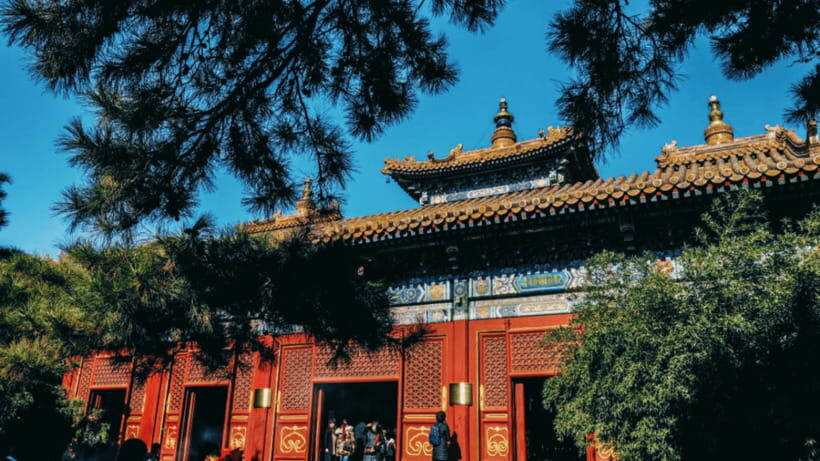
The logistics are the kind of thing that can ruin a good day if you treat them casually. The key point is that the GetYourGuide QR code is not a valid ticket. Instead, you need the confirmation process that the provider completes—typically by receiving the right materials through email and/or WhatsApp.
Real-name ticket booking is mandatory. You have to send your full name exactly as it appears on your passport plus your passport number. If that matching info isn’t received on time, the booking can be canceled and a cancellation fee may apply.
At the entrance, the process is straightforward but strict:
- Show your ticket at the designated entrance channel
- Go through security checks before you enter the temple grounds
So here’s the practical takeaway: keep your passport information handy while you book, double-check the spelling, and don’t assume a QR code alone will work at the gate.
Entering the Temple Complex: Yonghe Gate Through the Four Learning Halls
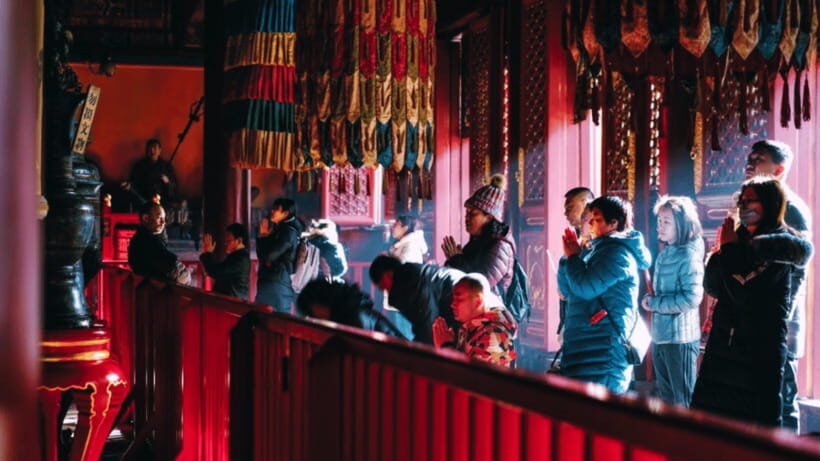
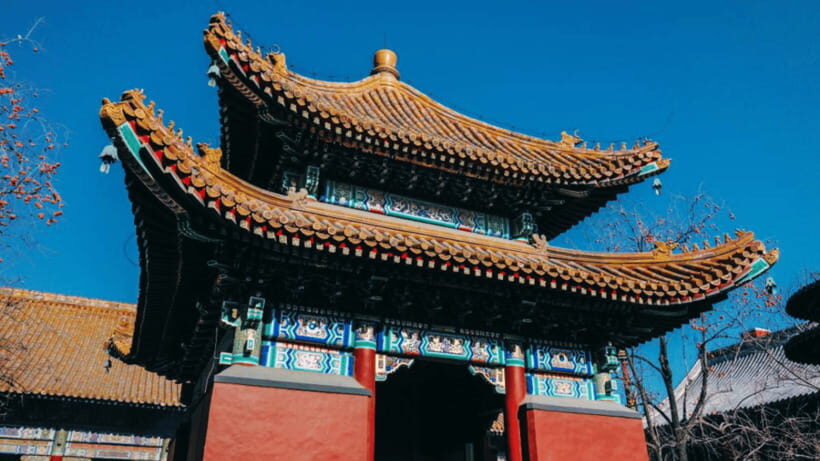
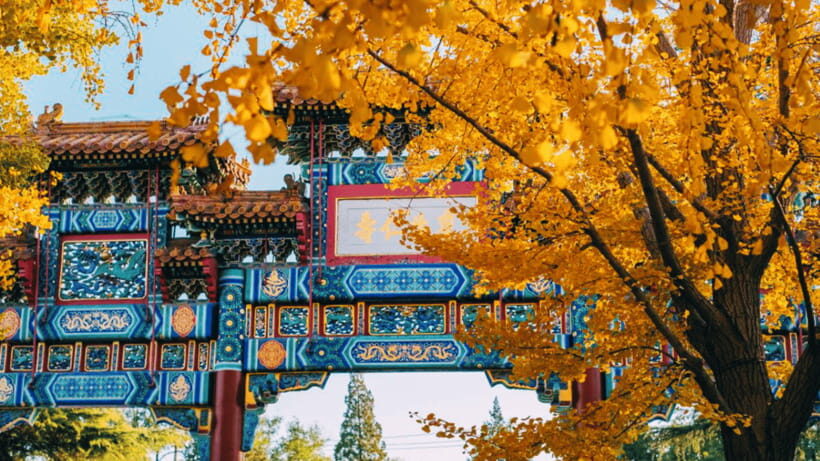
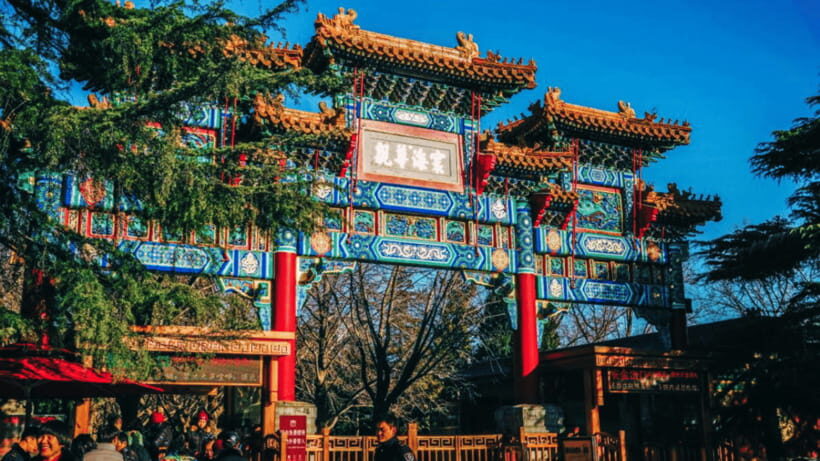
Once you’re inside, the layout is designed for movement through sacred thresholds. You’ll pass three intricately designed archways: the Yonghe Gate, the Yonghe Palace Hall, and the area that leads into the “Four Learning Halls.” Think of these as both architectural highlights and a natural walking route that keeps you from getting lost in your own sightseeing.
The “Four Learning Halls” are a standout because each hall has its own identity:
- Hall of Medicine Buddha
- Mathematics Hall
- Tantric Hall
- Lecture Hall
Even if you don’t read every label, you’ll feel the differences in what’s emphasized. Some spaces focus on devotion and ritual objects; others signal teaching traditions and structured religious study. The names alone are a big hint that this temple isn’t only about one style of worship—it’s about practice, knowledge, and religious life in different forms.
You’ll also find three exhibition rooms within the complex. These can be a useful pause when the courtyards get crowded, and they help connect what you see in the halls to the broader heritage of Tibetan Buddhism in Beijing.
Inside the Halls: Buddhas, Thangkas, and the 18-Meter Sandalwood Maitreya
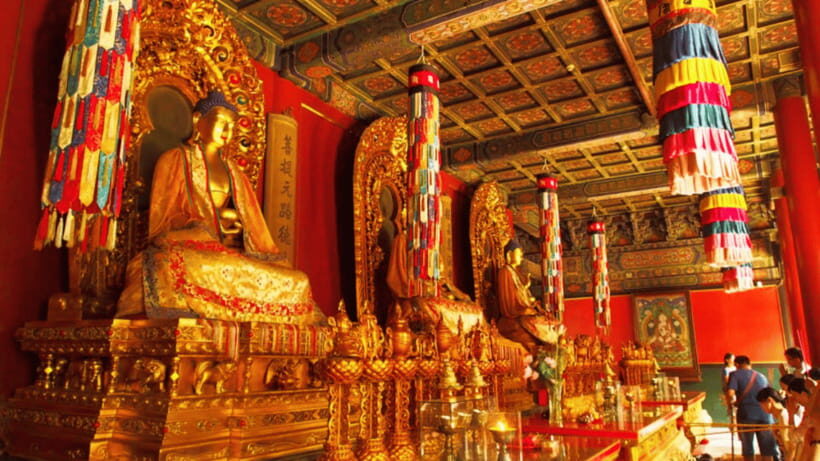
This temple is famous for its religious art, and you’ll see a lot of it as you move through the halls. Inside, expect Buddha statues, thangkas, and precious artifacts displayed within the sacred spaces.
One object deserves extra attention: the 18-meter-tall sandalwood Buddha, known as Maitreya. It’s recognized by Guinness World Records (since 1990), and it’s the kind of sight that makes you pause mid-walk. When you’re standing under it, it’s easier to understand why this temple became so important as a spiritual destination.
If you’re the kind of traveler who enjoys details, look for how the displays are arranged to support reverence. Halls feel intentionally composed: statues aren’t just “there,” they’re positioned to draw your eyes toward worship and meaning. The result is a temple visit that feels more like witnessing a living tradition than just viewing a monument.
Architecturally, the temple’s blend of styles can also be part of your enjoyment. The buildings reflect multiple cultural influences—Han, Manchu, Tibetan, and Mongolian—so you’re not seeing one single aesthetic. You’re seeing a negotiated identity, shaped by history and religious purpose.
Timing and Crowds: How to Get Peace Without Missing the Best Sights
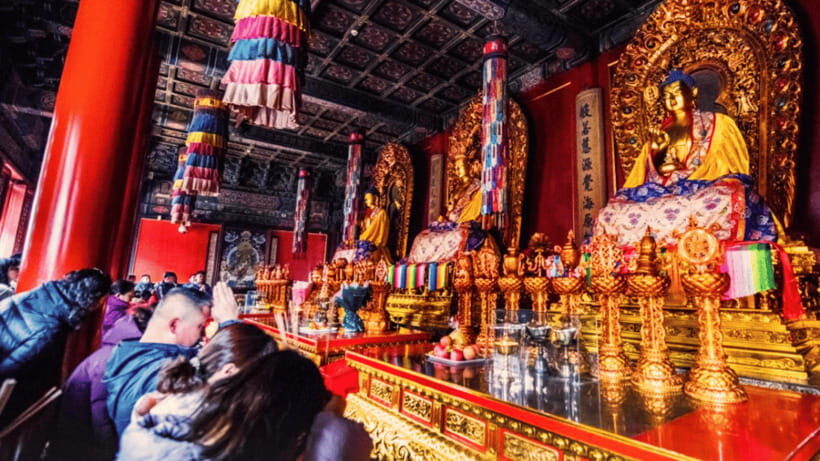
Lama Temple can be crowded, especially on major dates. For example, New Year’s Day brought heavy crowds, and people came specifically to pray. On those days, you may also see incense burning as part of the worship experience.
So what should you do? Don’t overcomplicate it—just plan for lines and slower movement. The temple is small enough that crowds can feel noticeable, but it’s also easy to adjust your pace. If you hit a busy moment in one hall, step into another space or use the exhibition rooms for a calmer reset.
Also keep timing rules in mind:
- Final entry is one hour before closing
- You must exit 30 minutes before closing
That matters because the temple isn’t open-ended. If you arrive late, you may not get through the full route you want.


Price and Value: Why $10 Works Here
At about $10 per person, this ticket is priced like an efficient add-on to your Beijing day. What makes it good value isn’t just the low cost—it’s what’s included.
You get:
- Fast-track entry
- Access to all major temple buildings and cultural exhibitions
- A reservation fee (built into the ticket)
And you avoid common “time tax” problems: with advance booking and the provider’s help, you’re not scrambling at the gate with unclear steps. That’s especially valuable in China for any spot that involves security and strict entrance rules.
Is it worth it for everyone? If you want a guided explanation, this won’t replace that. There are no guided tours and no audio guides, so the experience leans self-guided. But if you enjoy pacing yourself through sacred spaces and letting the art do the talking, the value is strong.
Who Should Book This Lama Temple Experience?
This ticket fits best if you:
- Want to visit Lama Temple (Yonghe Temple) at your own pace
- Prefer simple logistics over a structured tour
- Like Tibetan Buddhist art and iconic religious objects like the 18-meter Maitreya Buddha
- Are comfortable reading signs and figuring out a route without an audio guide
It’s also a good fit for first-time Beijing visitors who want a clear, important stop without needing a full-day guided program. The complex is compact enough that you’re likely to feel you covered it, even without a guide.
If you need lots of interpretation from a live guide, you might feel you’re missing context. But you can still get a satisfying experience by focusing on the halls, the named learning spaces, and the big visual centerpieces.
Booking Through PANDA144: What to Expect From Service
The experience provider listed is PANDA144, and the most consistent service pattern from the available information is clear communication. People report getting ticket materials quickly and receiving helpful instructions through WhatsApp. Some also describe receiving a short guide the day of the visit, which can help you navigate the complex more confidently since the ticket itself doesn’t include a formal guide.
One more practical point: because the QR code alone isn’t the ticket, your best move is to follow the provider’s confirmation method and keep an eye on your email for the proper materials. If you’re organized, the day feels calm.
Should You Book This Lama Temple Ticket?
I’d say yes if you want a stress-reduced entry to one of Beijing’s most distinctive spiritual sites. The fast-track entry, the full access to the main halls and exhibitions, and the manageable one-day scope make it a good use of time.
But book with care. The real-name passport requirement means you need to enter details correctly and early enough to avoid cancellation risk. And since there’s no guided tour or audio guide, this is best for travelers who are happy exploring on their own and letting the temple’s architecture and Buddhist art carry the experience.
If you’re going on a peak day, treat it like a prayer-and-people kind of experience: expect incense, expect slower movement, and plan to arrive early enough to enjoy the whole route before final entry.
FAQ
Do I need a passport for Lama Temple (Yonghe Temple) entry?
Yes. You should bring your passport, since the booking is real-name and ticket gate checks rely on genuine ID information.
Is the GetYourGuide QR code a valid ticket for entry?
No. The GetYourGuide QR code is not a valid ticket. Communicate via WhatsApp or wait for the confirmation email so you have the correct entry materials.
What’s included with this ticket?
You get fast-track entry, access to all major temple buildings and the cultural exhibitions, plus the reservation fee.
Is a guided tour or audio guide included?
No. There are no guided tours and no audio guides included, so you’ll explore independently.
Can I skip security checks?
No. Fast-track helps with entry, but security checks are still required before you enter the temple grounds.
What items are not allowed inside?
Pets, weapons or sharp objects, and explosive substances are not allowed.
When is the last time I can enter and when do I need to leave?
Final entry is one hour before closing, and you must exit 30 minutes before closing.
If you want, tell me what day/time you’re considering and where you’re staying in Beijing, and I’ll suggest a practical approach for fitting Lama Temple into your route.