REVIEW · CHENGDU
Chengdu Giant Panda: Panda Base or Shenshuping (optional)
Book on GetYourGuide →Operated by Guangzhou Zhiwooyou Travel Agency Co., Ltd. · Bookable on GetYourGuide
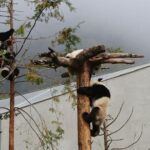
Pandas are the main event here. In a single day, you can see giant pandas of multiple ages and learn how conservation works in a real research setting, from museum exhibits to on-site viewing areas. I like that there’s a clear walking route with stops built around panda life stages, and I also like the calm, well-kept feel of the park. One thing to plan for: the downtown base can be crowded early, so your timing matters.
You’ll choose between two very different panda experiences: Chengdu’s easy, subway-access Chengdu Research Base of Giant Panda Breeding and the quieter, scenic Shenshuping Base near Dujiangyan. Either way, it’s priced for a day-trip mindset (about $10 per person), with panda viewing hours that line up with when they’re most active.
In This Review
- Key points before you go
- Chengdu vs. Shenshuping: which panda base fits your day?
- How timing really affects panda spotting (7:30–10:00 vs 9:00–11:00)
- Chengdu Research Base route: from museum learning to Swan Lake exits
- Entrance: start with orientation and set your pace
- Giant Panda Museum: the education stop that makes the rest click
- Moon Delivery Room: a conservation-and-breeding viewpoint
- Adult Giant Panda Villa: where the oldest residents usually steal attention
- Sub-Adult Giant Panda Villa: a different kind of movement and energy
- Panda Tower: a practical viewpoint to reset your eyes
- Swan Lake: a calmer finish before you exit
- Shenshuping Base near Dujiangyan: a natural-feeling circuit at higher altitude
- Visitor Reception Center: set expectations for a longer, scenic circuit
- China Wolong Giant Panda Museum: conservation education in a quieter setting
- Outer Ring Venue: see pandas of different ages
- Inner Ring Venue: more focused viewing as you move inward
- Panda Kindergarten (if open): your best shot at cubs
- Science and Education Service Center: where learning continues
- Price, transfers, and what you really get for about $10
- Rules that keep the pandas calm (and your photos better)
- Practical tips to make your one-day panda circuit smoother
- Who should pick this panda day trip?
- Should you book? My decision guide
- FAQ
- What are the two panda base options for this 1-day experience?
- What are the best viewing hours at each base?
- Do I need a passport for this activity?
- Can I feed pandas or use flash photography?
- Is food included in the price?
- How flexible is cancellation?
- For Shenshuping, when should I book?
Key points before you go

- Two bases, two vibes: Chengdu is convenient and close to town; Shenshuping feels more natural and spacious.
- Best panda activity windows: Chengdu shines 7:30–10:00, while Shenshuping is best 9:00–11:00.
- You’ll walk through real education stops like a Giant Panda Museum and other conservation-related areas.
- You can see life stages: cubs (when available) through adults, not just one age group.
- Rules matter for viewing: no flash photography, no feeding, and keep noise down.
- Small group feel: you’ll move as a small group, which helps when crowds kick in.
Chengdu vs. Shenshuping: which panda base fits your day?
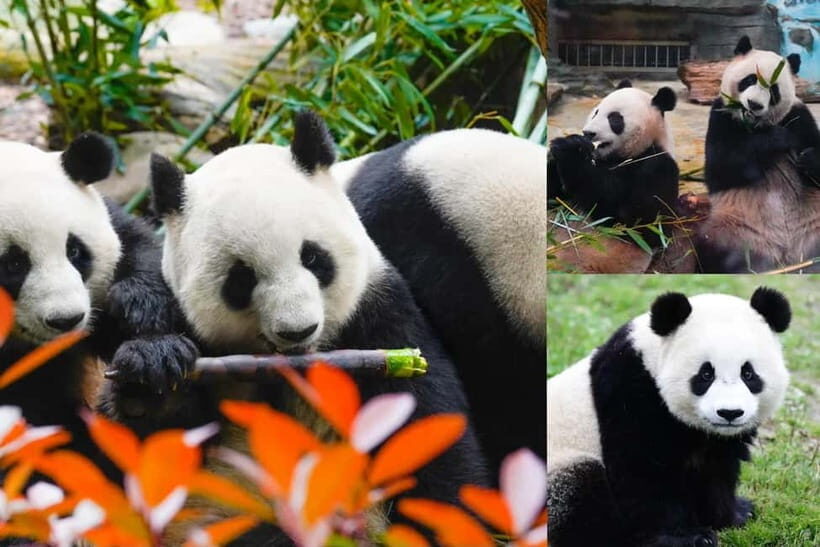
If you want the simplest logistics, pick Chengdu Research Base of Giant Panda Breeding. It’s in Chenghua District at No. 1375, Panda Avenue, and it’s directly accessible by subway—ideal when you’re balancing a full Chengdu itinerary. The downside is also simple: because it’s downtown, it can feel busy during prime hours.
If you want scenery and a more nature-shaped visit, choose Shenshuping Base of the China Conservation and Research Center for Giant Panda (Dujiangyan). It sits in Gengda Town, Wolong National Nature Reserve Administration at about 1,700 meters, across roughly 150 hectares. It’s known as the Panda Five-Star Ecological Hotel, and the whole area is framed by green mountains and a more natural habitat feel.
There’s also a planning note that can change your whole experience: for Shenshuping, you need to place your order at least 72 hours before your trip so you can book a spot.
You can also read our reviews of more tours and experiences in Chengdu.



How timing really affects panda spotting (7:30–10:00 vs 9:00–11:00)

Pandas don’t follow our schedule, but you can work with theirs. For the urban base in Chengdu, the best viewing window is 7:30–10:00, when they’re typically more active. For Shenshuping, aim for 9:00–11:00, when there’s also a wild training demonstration focus during that time.
Here’s the practical trick: show up early enough to start walking before crowds fully build. At Chengdu, the “crowded a bit” issue isn’t about something dramatic—it’s about lines and slower movement between popular viewing points. If you arrive on the late side, you’ll spend more time waiting and less time watching.
Also, follow the on-site behavior rules closely: flash photography is prohibited because it can damage pandas’ eyes. Do not feed pandas, and keep loud noises to a minimum since pandas can get frightened easily. This isn’t just for rules’ sake—it actually helps the animals stay calm, which makes good viewing more likely.
Chengdu Research Base route: from museum learning to Swan Lake exits
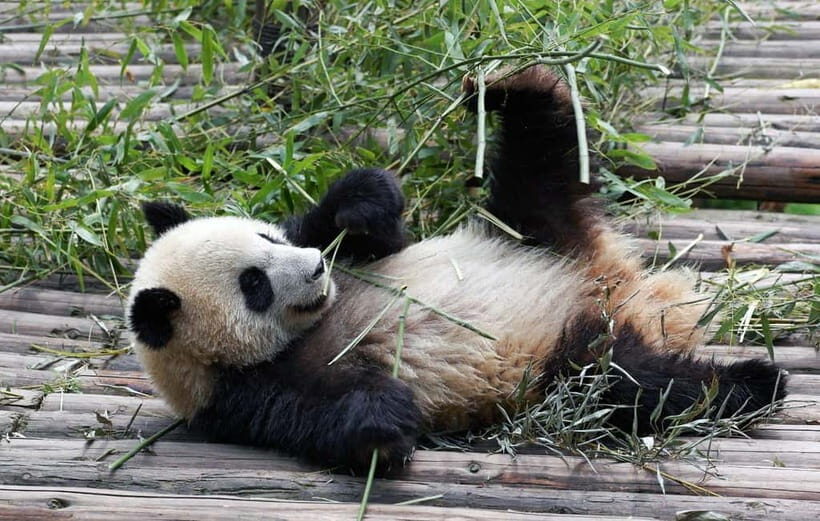
Chengdu’s route is designed like a smooth walking circuit, with each stop giving you a different angle on panda conservation and life stages. You can typically follow the standard flow: Entrance → Giant Panda Museum → Moon Delivery Room → Adult Giant Panda Villa → Sub-Adult Giant Panda Villa → Panda Tower → Swan Lake → Exit. You can adjust based on interest and crowd flow, but it’s a solid backbone for a one-day visit.
Entrance: start with orientation and set your pace
You’ll enter the base and get your bearings fast, which matters because this is a place where you’ll keep moving. Since it can be busy, I like to decide right away which buildings I want to prioritize—especially if you’re coming with kids or limited time.
Giant Panda Museum: the education stop that makes the rest click
The Giant Panda Museum is where the visit shifts from just seeing pandas to understanding why this place exists. Expect exhibits and tours focused on panda conservation, and this is the part that helps you connect what you’re seeing in the enclosures to real research and protection work.
If you only do the animal viewing and skip the museum, the day can feel like a checklist. With the museum first, the rest of the walking route starts to mean something.

Moon Delivery Room: a conservation-and-breeding viewpoint
Next is the Moon Delivery Room, which signals you’re moving into a more specialized, research-related zone. Even if you’re not reading every detail, this stop helps you understand that pandas here are part of a breeding and conservation effort—not just a zoo-style attraction.
Adult Giant Panda Villa: where the oldest residents usually steal attention
From there you move into the Adult Giant Panda Villa. This is where you’re most likely to see adult pandas moving at their own pace, and watching full-grown pandas gives you the clearest sense of size and behavior. It’s also a good section if your group wants steady viewing without constantly changing scenes.
Sub-Adult Giant Panda Villa: a different kind of movement and energy
Then comes the Sub-Adult Giant Panda Villa. This stop matters because you’re comparing life stages, not just counting animals. Sub-adults can look and act different—more “in-between” in routine—so the viewing experience often feels fresh compared to the adult areas.
Panda Tower: a practical viewpoint to reset your eyes
The Panda Tower is a useful stop when you’ve been walking for a while. A tower-style viewpoint generally helps you scan the area and spot movement without turning your head every few seconds. It’s also a good pause if your feet are starting to complain.
Swan Lake: a calmer finish before you exit
Finally, you’ll reach Swan Lake and then the exit. Even though the day is panda-focused, finishing with a scenic pause helps your brain reset before you head back into the city. It’s also a nice way to slow down and take a breath after the busier enclosures.
Main consideration for Chengdu: the base is close to the city and easier to access, but it can be crowded early—so start within the best viewing hours to get the best mix of animals and peace.
Shenshuping Base near Dujiangyan: a natural-feeling circuit at higher altitude
Shenshuping is for when you want your panda day to feel more like a habitat visit than a city attraction. The recommended flow is: Visitor Reception Center → China Wolong Giant Panda Museum → Outer Ring Venue → Inner Ring Venue → Panda Kindergarten (if open) → Science and Education Service Center.
Visitor Reception Center: set expectations for a longer, scenic circuit
You start at the Visitor Reception Center, which is where you get into the rhythm of the base. This first stop helps you understand how the grounds are laid out, and it’s useful for planning how quickly you want to move through the outer and inner areas.
China Wolong Giant Panda Museum: conservation education in a quieter setting
Next is the China Wolong Giant Panda Museum. This is the educational backbone of the visit, similar in spirit to Chengdu’s museum area—except your surroundings are more mountain-and-nature shaped. If you care about conservation more than just photos, this stop will anchor your day.
Outer Ring Venue: see pandas of different ages
The Outer Ring Venue is where you can see pandas of different ages. This is a big plus for a one-day trip because it gives you range without forcing you to pick only one age group. It’s also often where you get your first strong impressions of the habitat feel.
Inner Ring Venue: more focused viewing as you move inward
Then you’ll head to the Inner Ring Venue. This section can feel more concentrated—less about wide scanning and more about steady observation. If you like slowing down and watching behavior, this is the part where you can spend extra minutes.
Panda Kindergarten (if open): your best shot at cubs
If Panda Kindergarten is open, you may get the chance to see cute panda cubs. This stop is the “special moment” section of the route, because cub sightings can change the emotional tone of the whole day.
Because it depends on whether it’s open, I treat this as a bonus rather than a guarantee. Still, it’s worth aiming for because it’s explicitly part of the recommended path.
Science and Education Service Center: where learning continues
Finally, you’ll reach the Science and Education Service Center. Think of it as the wrap-up learning point—another chance to connect what you observed with how conservation and research are run.
Main consideration for Shenshuping: Shenshuping is farther away, and that means your day needs more scheduling attention. The payoff is the setting—green mountains, higher altitude, and that more natural habitat vibe.
Price, transfers, and what you really get for about $10
This experience is priced around $10 per person for a one-day panda outing. That’s a strong value when you compare it to the cost of entry fees plus the reality that you’re getting a structured route that keeps you moving efficiently.
What’s included depends on the product you pick. The included items list a transfer bus between Chengdu and Shenshuping, plus admission to the Chengdu Research Base and tickets for the Shenshuping Base—but there’s also a note that some options may be transfer-only without tickets. So before you lock in, double-check whether your specific choice includes admissions or just transportation.
Food is not included, so you’ll need to plan for snacks and meals on your own. This matters because you might want to linger at certain viewing stops, and hunger can cut into your viewing time fast.
Also, bring your passport. For foreign guests, you’ll use your full name plus passport number to enter directly. This is one of those small details that can stop a smooth day if you forget.
Rules that keep the pandas calm (and your photos better)
The best panda days aren’t the loud ones. This activity has clear do-not-do guidance:
- No flash photography
- No feeding pandas
- No loud noises
These rules are practical. Flash can stress animals, feeding changes behavior, and loud sounds can push pandas toward hiding or staying still. If you follow the rules, you’re not just being polite—you’re helping the viewing work as intended.
My other viewing habit is simple: keep your voice normal and let your eyes adjust before you shoot photos. With flash banned, you’ll rely on your camera’s normal settings and steadier observation, which often leads to better shots anyway.
Practical tips to make your one-day panda circuit smoother
A one-day panda visit can be a lot of walking, so I’d treat it like a day of short hikes, not a slow stroll. Wear comfortable shoes and be ready to move between villas and venues, since both bases are organized as multi-stop walking routes.
For the best panda odds, anchor your schedule to the stated windows: 7:30–10:00 in Chengdu and 9:00–11:00 in Shenshuping. If you show up later, you’re not guaranteed to see the “active” behavior patterns the timing is designed for.
If you’re choosing Shenshuping, plan ahead: place your order 72 hours before so you don’t get stuck with no booking options. It’s an extra step, but it protects your ability to choose the more scenic base.
Finally, remember that this is a small group experience. That’s helpful when you’re trying to stay oriented, but it also means you shouldn’t plan to wander off for long stretches. If you want to explore at your own pace, keep your movement within sight of the group plan.
Who should pick this panda day trip?
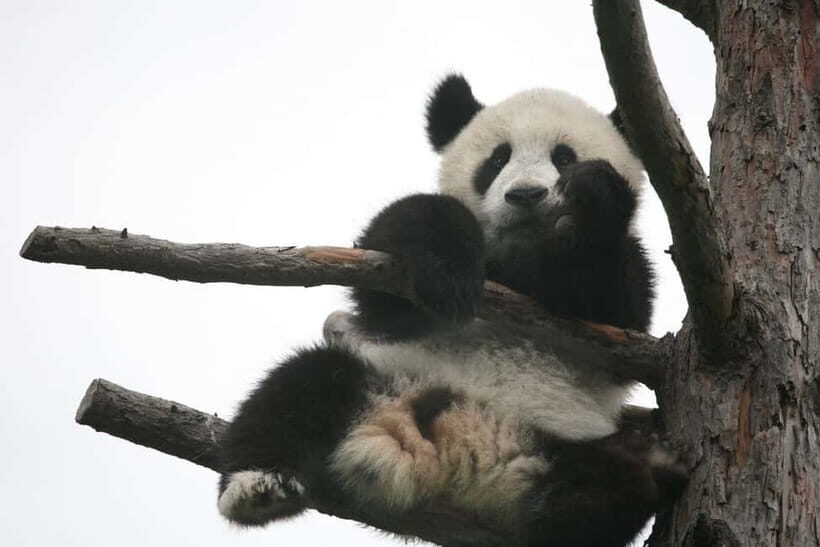
This is a great fit if you want a focused, efficient way to see giant pandas of multiple ages in one day—especially if it’s your first time in Chengdu or your first panda-focused stop in Sichuan.
Choose Chengdu Research Base if you value convenience and quick access. If you’re staying in the city, the subway-access aspect is a real time-saver, and the standard route is very straightforward.
Choose Shenshuping if you prefer a quieter, more nature-shaped visit. The higher altitude, larger natural area, and scenic mountain setting make it feel like more than just an attraction—this is where you’re more likely to enjoy the broader atmosphere, too. One verified guest described the park as a beautiful panda park, and that matches the whole “ecological hotel” reputation.
Skip this trip—or reconsider the base choice—if you’re extremely sensitive to crowds. Chengdu can get busy early, and the day works best when you start during those morning hours.
Should you book? My decision guide
Book it if you want a simple, one-day giant panda experience with real conservation education and practical viewing timing. The biggest value is that you’re not just passing time—you’re moving through themed areas that help you see panda life stages and understand the purpose behind the research base.
Choose Chengdu if you want speed and easy transit. Choose Shenshuping if you want scenery and a more natural-feeling day, and if you’re willing to plan a bit farther out (especially with that 72-hour booking timing).
Don’t book if you’re coming with no flexibility at all. This experience works best when you can align your arrival with panda activity hours and keep your expectations realistic about opening hours for special areas like Panda Kindergarten (only if it’s open).
If you’re ready to trade stress for early mornings and calm observation, this is a strong panda day that gives you both animals and meaning.
FAQ
What are the two panda base options for this 1-day experience?
You can choose the Chengdu Research Base of Giant Panda Breeding (urban, subway-accessible) or Shenshuping Base near Dujiangyan (more distant, natural habitat setting).
What are the best viewing hours at each base?
For the urban Chengdu base, the best viewing hours are 7:30–10:00. For Shenshuping, the best viewing hours are 9:00–11:00, with a wild training demonstration during that time.
Do I need a passport for this activity?
Yes. You should bring your passport, and foreign guests need to provide full name + passport number for direct entry.
Can I feed pandas or use flash photography?
No. Feeding pandas is prohibited, and flash photography is prohibited because it can damage pandas’ eyes.
Is food included in the price?
No. Food and beverage expenses are not included.
How flexible is cancellation?
You can cancel up to 24 hours in advance for a full refund.
For Shenshuping, when should I book?
You should place your order at least 72 hours before your trip, otherwise you may not be able to book.