Old Hong Kong isn’t hard to find. It’s just harder to reach. On this 2.5-hour walking tour through Yau Ma Tei, you get a focused look at a part of Hong Kong that most visitors skate past, with an insider-led route and snack stops. I like how the guide’s street-by-street stories connect what you see (old shops, historic sites, local venues) to how the district works.
You also get practical help: the group uses earpieces so you can follow along without craning your neck in the crowd.
The biggest plus for me is the mix of places: you may visit the Yau Ma Tei Theatre and/or the Fruit Wholesale Market, then continue through streets and old buildings like Shanghai Street and the Little Red Brick House. You’ll end with Tin Hau Temple, where admission is free.
One consideration: snacks are included, but any eating you do at the Fruit Wholesale Market is not, so if you’re expecting to purchase food there, budget a bit extra.
In This Review
- Key highlights to look for
- Yau Ma Tei feels real when you walk, not bus-hop
- Price and value: $58.81 for 2.5 hours and snack sampling
- Meeting at Yau Ma Tei Station: simple start, clear listening with earpieces
- Yau Ma Tei route: from theatre or fruit market to Shanghai Street and Broadway Cinematheque
- Yau Ma Tei Theatre (or the Fruit Wholesale Market)
- Shanghai Street
- Little Red Brick House
- Century-old shops
- Broadway Cinematheque
- How to enjoy the Little Red Brick House and old shopfronts
- Tin Hau Temple: the free admission stop that slows everything down
- Snacks included: plan your walk-around food wisely
- Logistics that matter: timing, group size, and walking comfort
- Who should book this Yau Ma Tei walking tour?
- Should you book this Yau Ma Tei walking tour?
- FAQ
- What is the duration of the tour?
- Where does the tour start and end?
- What time does the tour start?
- What locations are included in the walking route?
- Are snacks included?
- Is admission included for Tin Hau Temple?
- Is food included at the Fruit Wholesale Market?
- How many people are in the group?
- Is there anything special I need for tickets or booking?
Key highlights to look for
- A Yau Ma Tei walk that feels local, not a fast-moving checklist
- Guide Ling’s commentary through earpieces, so hearing details is easy
- Snacks included, plus stops at landmark-ish places like Tin Hau Temple and Broadway Cinematheque
- Old shops and traditional spaces, where you can slow down and actually notice details
- Small group size (up to 18), which makes questions feel natural
- Free admission at Tin Hau Temple, giving you one guaranteed no-cost cultural stop
Yau Ma Tei feels real when you walk, not bus-hop
Hong Kong can be loud, quick, and shiny. This is the opposite mood. Yau Ma Tei has a lived-in rhythm you feel more than you read about, and walking is the point. You’re not arriving by coach, grabbing photos, and leaving before the neighborhood can “talk back.”
The route is designed to help you see layers. You move from bigger-name places and streets (Yau Ma Tei Theatre, Shanghai Street, Broadway Cinematheque) into older corners that feel like they’ve been around forever (century-old shops and heritage-style storefronts). The guide then stitches it together with local context, so it doesn’t just feel like you’re passing sights—you’re learning how the district’s spaces connect.
This is also where I like the tour’s pace. At about 2 hours 30 minutes, you get enough time to slow down, ask questions, and notice shopfronts and buildings that you’d otherwise zip past. You’re not trying to cover all Hong Kong. You’re covering one neighborhood well.
You can also read our reviews of more tours and experiences in Hong Kong SAR.

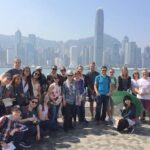
Price and value: $58.81 for 2.5 hours and snack sampling
At $58.81 per person, this tour is priced like a “do something smart for a few hours” outing rather than a high-end private experience. The value comes from three practical things you can’t always count on with small walking tours.
First, you’re not paying extra for the core cultural stop at the end—Tin Hau Temple has free admission. Second, snacks are included, which matters because a walking tour in Hong Kong can otherwise turn into a money-drain of constant convenience purchases. Third, the guide time is real and structured: you get a guided route with multiple stops, not just a general wander.
The one place to watch is the Fruit Wholesale Market. You may visit it, but the tour data specifies that any consumption at the market isn’t included. So you’re there to see and learn, and you’re not covered for buying food. If you want to snack there anyway, plan a little buffer so you’re not surprised mid-walk.
Meeting at Yau Ma Tei Station: simple start, clear listening with earpieces
Your start is at Yau Ma Tei Station on Nathan Road, and the tour ends back at the same meeting point. Starting at 3:00 pm is a sweet spot if you want a neighborhood walk after daytime sightseeing but still early enough to avoid a late-night scramble.
One very practical feature shows up in the reviews: you’re given earpieces so you can hear the guide clearly. That’s not a small thing. In a busy district, it’s the difference between enjoying the stories and missing half of them while you try to position yourself.
You’ll also appreciate the group size. The tour caps at 18 travelers and has a minimum of 4. That usually means you’re not stuck behind a wall of people, and questions are doable. If you like asking follow-ups—where something is from, why it’s there, what changed over time—you’re more likely to get real answers.
Yau Ma Tei route: from theatre or fruit market to Shanghai Street and Broadway Cinematheque
The walking portion is the heart of the day, and the first stretch is all about variety. Depending on the exact route that day, you’ll visit Yau Ma Tei Theatre or the Fruit Wholesale Market, then continue through Shanghai Street, the Little Red Brick House, century-old shops, and end up at Broadway Cinematheque.
Here’s how I’d think about this sequence if you’re choosing what matters to you:
Yau Ma Tei Theatre (or the Fruit Wholesale Market)
This is your opening anchor. If you’re interested in how entertainment and public spaces shape a district, the theatre stop gives you that kind of context. If you’re more curious about everyday food culture and how commerce works locally, the Fruit Wholesale Market option is the angle.
Either way, you’re not just looking at a building or location. You’re learning the district logic—how people flow, why certain places matter, and what the area’s character feels like on foot.



Shanghai Street
Shanghai Street is a named anchor in the walk, which tells you the guide wants you to be oriented, not just see random corners. It’s the kind of stop that helps the tour feel grounded. You’re moving through the real street layout and picking up the local story as you go.
Little Red Brick House
This stop is a nice contrast to the street-level bustle. The name itself signals you’ll likely encounter something more distinctive and photo-worthy than a typical storefront. It’s the type of stop where you can pause, look up, and let the guide explain the significance of the building style or use (as described in the tour narration).
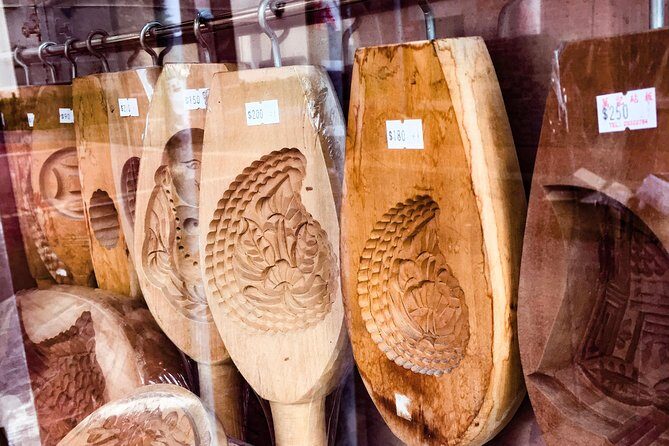
Century-old shops
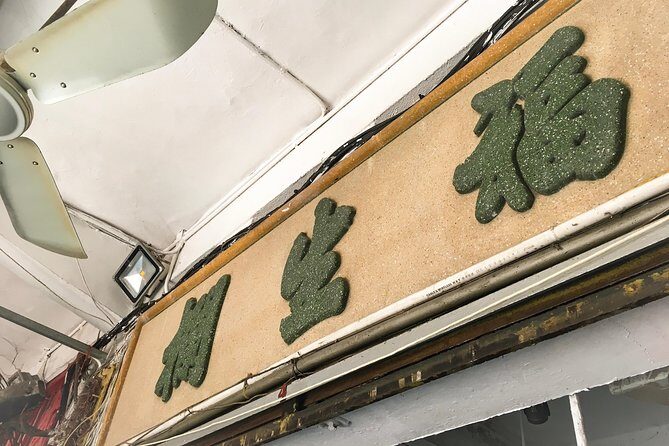
This is where the neighborhood turns from “sightseeing” into “historical street-level life.” Older shops aren’t museum props. They show continuity—how the district’s businesses survived, adapted, and kept serving locals. In the reviews, people specifically call out loving the old stores and seeing them as witnesses to how Yau Ma Tei used to work.
If you like seeing how places keep functioning across generations, this part of the walk is the payoff.
Broadway Cinematheque
You end the first stretch with Broadway Cinematheque. This is another “you’re in Hong Kong” stop: a cultural venue that adds a modern layer to what you’ve been learning about the district’s older fabric. It helps the walk feel balanced—traditional spaces plus a recognizable entertainment/culture setting.
How to enjoy the Little Red Brick House and old shopfronts
When a tour includes multiple heritage-style stops, it’s easy to get stuck in photo mode. I’d avoid that. Instead, give yourself a simple checklist as you walk:
- Look for the shopfront details your eye catches automatically: signage style, entry layout, and how people use the space.
- Notice how the street changes from stop to stop. A district is more than buildings; it’s movement patterns.
- Ask one question about what you’re seeing right then. That’s how the guide’s stories land.
One of the strongest themes in the reviews is how the guide answers questions patiently and keeps the experience personal. People talk about learning history through conversation, not just passive listening. If you’re the type who asks things like why certain areas developed the way they did, or what a building’s role might be today, you’ll likely enjoy this format.
Also, because you’ll be in a group of up to 18, you shouldn’t feel like a number. With earpieces and multiple stops, the guide can adjust to the pace of the group without losing the narrative.
Tin Hau Temple: the free admission stop that slows everything down
After the first cluster of streets and venues, you’ll reach Tin Hau Temple. It’s more than a quick photo stop here. It works as a calm reset—a cultural pause inside a tour that starts feeling very street-level and commercial.
The key practical win: admission ticket is free. So you don’t have to scramble for extra cash or wonder about entry rules. You can spend more time looking around and taking in the temple atmosphere the way it’s meant to be experienced.
From a tour pacing standpoint, placing Tin Hau Temple after the busy street stops makes sense. You’ve walked, you’ve seen the neighborhood’s public-facing side, and then you get a quieter, more reflective moment. It’s the kind of stop that can turn your understanding of the district from “what are these places?” into “what role do these cultural spaces play in daily life?”
Snacks included: plan your walk-around food wisely
This tour includes snacks, which is a genuine quality-of-life benefit. Walking tours are often the most annoying kind of expensive: you spend on transportation, then you spend on food every 45 minutes. Here, at least part of the snacking is handled.
That said, there’s an important catch. While the Fruit Wholesale Market may be one of your stops, any consumption at the market isn’t included. So think of the included snacks as your baseline coverage, not a blank check for purchases at every location.
If you want to buy something at the market anyway, you can—but do it intentionally. That way you’ll enjoy the experience without turning the walk into a budgeting surprise.
Logistics that matter: timing, group size, and walking comfort
A few details help you decide if this fits your day.
- Duration: about 2 hours 30 minutes.
- Start time: 3:00 pm.
- Meeting point: Yau Ma Tei Station (Nathan Road area).
- End point: back at the meeting point.
- Group size: up to 18, minimum 4.
You’ll want moderate physical fitness. This isn’t described as a strenuous hike, but it is a walking tour, so comfortable shoes matter. Also, it’s near public transportation, which makes it easier to slot in with other Hong Kong plans.
Reviews also suggest the tour is well organized. People mention being met at the MTR station on time and having the earpieces, which adds confidence if you’re traveling solo or you hate unclear group meeting moments.
And since it’s a mobile-ticket experience, you don’t need to juggle paper vouchers.
Who should book this Yau Ma Tei walking tour?
This is a strong match if you want any of the following:
- You like old neighborhood texture more than postcard landmarks
- You enjoy small-group guides who answer questions
- You want to learn how a district works, not just where it is
- You like your snack situation handled, at least partially
- You’re okay spending a few hours on foot in a city district
It might be less ideal if you want a very fast, “see everything” Hong Kong day. This is focused on Yau Ma Tei. That focus is the point, but it means you’re not trying to cover multiple boroughs in one go.
Should you book this Yau Ma Tei walking tour?
If you’re tired of generic routes and want a genuinely different slice of Hong Kong, I think it’s an easy yes. The tour gives you the ingredients for a satisfying neighborhood experience: a guided walk, a mix of recognizable and local-feeling stops, Tin Hau Temple with free admission, and snacks included.
The reviews’ standout theme is how well the guide brings the area to life—especially through clear audio via earpieces and a conversational, question-friendly approach (with guide Ling named in the feedback). If that’s your style, you’ll likely leave with a better understanding of Yau Ma Tei than you’d get from a quick wander.
Just remember the one food caveat: the Fruit Wholesale Market is not a guaranteed free-for-all for eating there. If you want to sample what you see, plan a bit extra.
FAQ
What is the duration of the tour?
The tour lasts about 2 hours 30 minutes.
Where does the tour start and end?
It starts at Yau Ma Tei Station (Nathan Rd, Yau Ma Tei, Hong Kong) and ends back at the meeting point.
What time does the tour start?
The start time is 3:00 pm.
What locations are included in the walking route?
You may visit Yau Ma Tei Theatre or the Fruit Wholesale Market, then continue through Shanghai Street, Little Red Brick House, century-old shops, and Broadway Cinematheque, followed by Tin Hau Temple.
Are snacks included?
Yes. Snacks are included on the tour.
Is admission included for Tin Hau Temple?
Yes. Tin Hau Temple admission is free.
Is food included at the Fruit Wholesale Market?
Any consumption at the Fruit Wholesale Market is not included.
How many people are in the group?
The tour has a minimum of 4 participants and a maximum of 18.
Is there anything special I need for tickets or booking?
You’ll receive a mobile ticket, and confirmation is received within 48 hours of booking (subject to availability). This experience is non-refundable and cannot be changed.