REVIEW · SHANGHAI
French Concession Walking Tour with Real Local
Book on GetYourGuide →Operated by Bill's Fantastic Tours · Bookable on GetYourGuide
Shanghai’s past is easier to read on foot. This French Concession walking tour has you moving through tree-lined streets and historic buildings while a Shanghainese guide connects the dots between architecture and big political change. I especially like the chance to spot the “Paris of the East” details—wrought iron railings, fences, and elegant older houses that still set the tone as you walk.
What makes it really work is the storytelling. With Bill, a local who’s lived in Shanghai all his life, you get clear explanations and can ask questions as you go, including at sites tied to the birthplace of the Chinese Communist Party. One consideration: it’s a 2.5-hour walking tour and it isn’t suitable for wheelchair users, so wear comfortable shoes and plan for steady walking.
In This Review
- Key things I’d circle before you book
- Entering the French Concession, not a museum
- Meeting at Okura Garden Hotel and getting your route set
- Middle Huaihai Road to the street-level charm of old Shanghai
- The Former French Club: where architecture meets power
- Jinjiang Hotel and the timeline feeling you get while walking
- Culture Square Theatre: a timed pause with city-scale context
- 1920s Old Neighborhood vibe: why it feels personal
- Communist Delegation Office and the birthplace site: the hard part, handled clearly
- Sinan Mansions and Shanghai’s in-between identity
- Xintiandi finish: how to turn the tour into real time
- Price and time: is $34 for 2.5 hours worth it
- Who should book this walking tour
- Quick practical tips for a smoother walk
- Should you book this French Concession walking tour?
- FAQ
- FAQ
- How long is the tour, and is it a walking experience?
- What sites and areas does the tour cover?
- Where do I meet the guide?
- Where does the tour end?
- Is the tour in English?
- What’s included in the tour price?
- Is last-minute booking available?
- Can I cancel and get a full refund?
- Is the tour wheelchair accessible?
Key things I’d circle before you book
- Local-led history you can ask questions about in plain English
- Old-street Shanghai details like wrought iron railings and mansion-style streetscapes
- Stops tied to major turning points, including the Communist Delegation Office
- A practical ending in Xintiandi, where you can keep eating and wandering afterward
- A smooth, organized route that focuses on both famous stops and lesser-seen streets
Entering the French Concession, not a museum
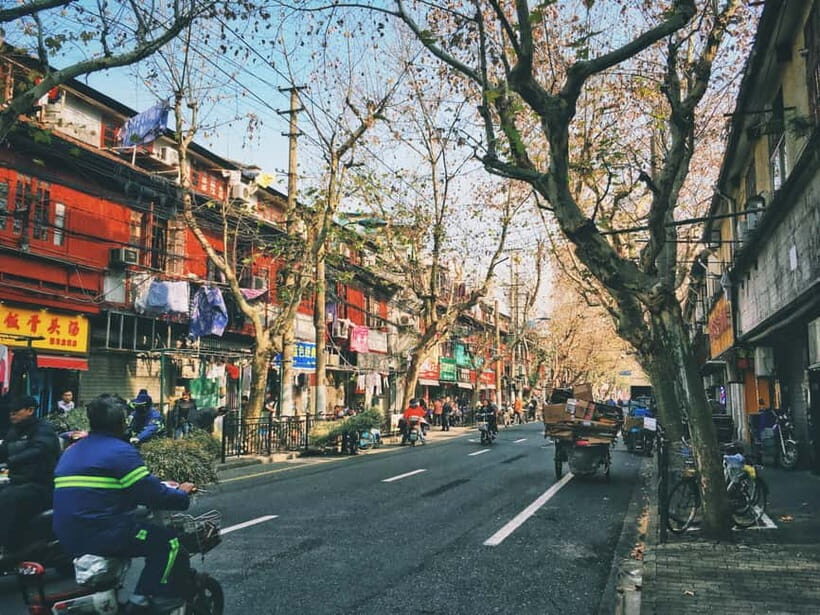
The French Concession is Shanghai’s “outside-the-map” feeling—an area the French government administered from 1849 until 1946. You can read that history in the streetscape. The tree-lined avenues and the older houses still carry the atmosphere people describe as the Paris of the East, even though today you also see office towers, hotels, and huge malls.
I like how the tour doesn’t treat the neighborhood as frozen in time. Yes, you’ll look at classic-looking architecture. But you’ll also see how the area has evolved—more development layered on top, while many older neighborhoods have been renovated instead of erased. That mix is the point: modern Shanghai didn’t just replace the past; it reworked it.
And because your guide is local Shanghainese, you’re not getting a script. You’re getting a human explanation of why this district looks the way it does and how Shanghai’s identity shifted over time. Expect a walk that feels like someone showing you their home, not like standing still to collect facts.
You can also read our reviews of more walking tours in Shanghai


Meeting at Okura Garden Hotel and getting your route set
You meet at Okura Garden Hotel Shanghai, near South Shaanxi Road subway station (Lines 1/10/12). The instructions are specific: about 100 meters to the left of Exit 3, and there’s a taxi reference you can use in Chinese (花园饭店(茂名南路58号)).
That matters because the French Concession is a maze of streets that look similar at first glance. A good meet-up location keeps the tour calm and on time. This one is built for that.
Plan to arrive a few minutes early, especially if you’re trying to navigate from the subway. Once you’re with the guide, you’ll start moving right away and gradually build a mental map of the district.
Middle Huaihai Road to the street-level charm of old Shanghai
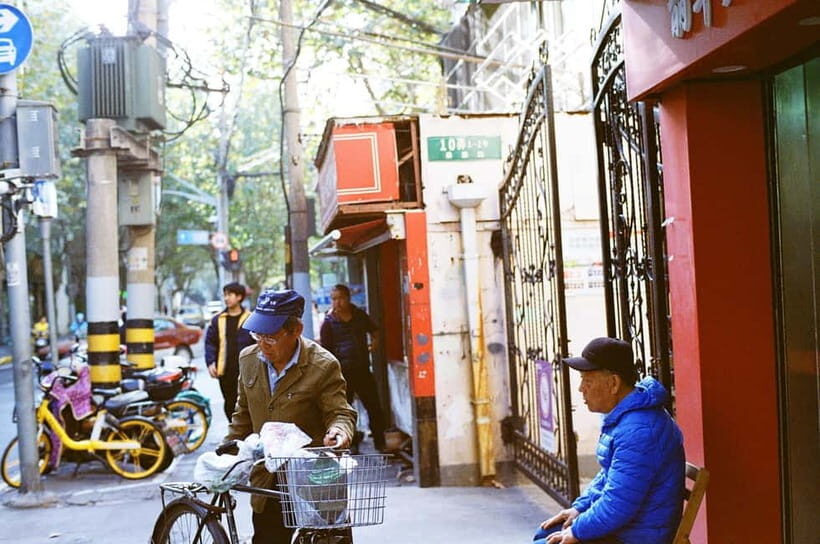
A big portion of the fun is simply walking the older-street sections. The tour highlights Middle Huaihai Road, which is known for its “stroll with purpose” vibe in the French Concession. As you walk, you’ll notice how the street design shapes the neighborhood mood—trees overhead, wide avenues, and the kind of fencing and railings that make photo stops feel natural rather than staged.
This is where the tour earns its value. A guide helps you see what’s easy to miss. You might pass a gate, fence, or stair railing and think it’s just decorative. With the explanations, those details become clues: who lived here, how the street looked in earlier decades, and how foreign administration influenced city planning.
Also, you get time to look around at the modern overlay too—boutiques, galleries, bars, and cafés. That blend is part of why the French Concession still feels like a “place you’d choose to hang out,” not just a sightseeing district.
The Former French Club: where architecture meets power
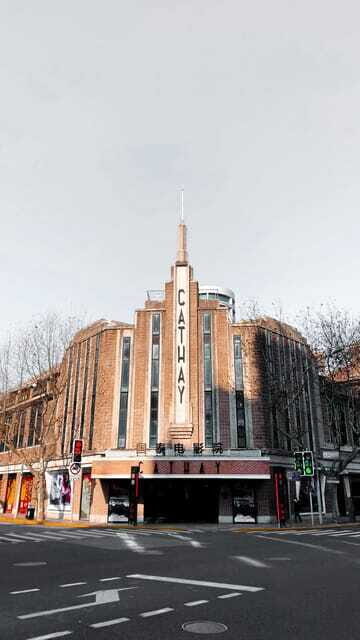
One of the tour’s named highlights is the Former French Club. This kind of stop is valuable because it turns architecture into context. Instead of only hearing political history in abstract terms, you’re standing near the structures that supported social life and authority in earlier Shanghai.
In a district administered by the French for decades, clubs, hotels, and institutions weren’t just entertainment. They were part of how the city functioned—who had access, where people gathered, and how daily life reflected outside influence.
What I like about this stop on a guided walk is that it doesn’t require you to be an architecture expert. Even if you’re not, you’ll leave with a clearer sense of why the French Concession looks the way it does and how that look connects to the city’s later changes.
Jinjiang Hotel and the timeline feeling you get while walking
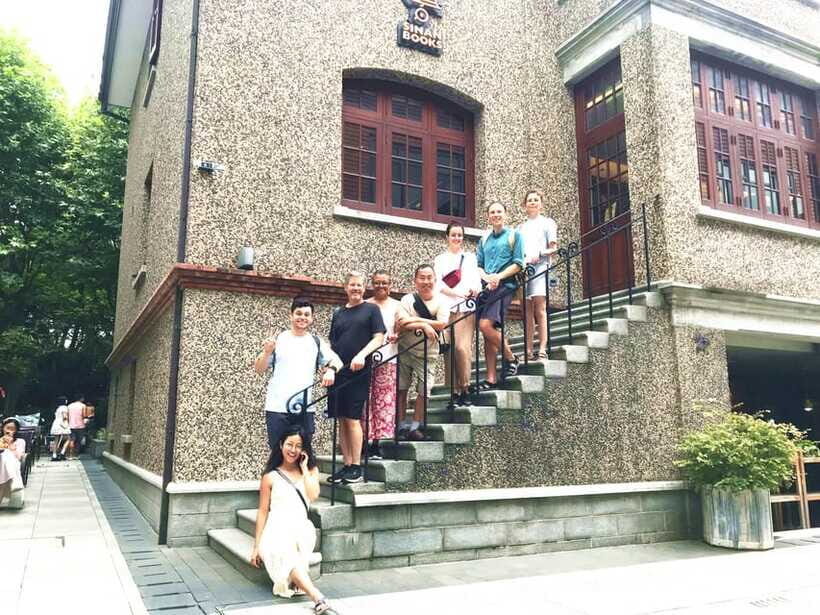
The tour also includes the Jinjiang Hotel. Hotels like this can feel like landmarks from the outside, but a guide adds the missing layer: what the site represented at different points in Shanghai’s story.
This is also where walking helps. In a vehicle, you might only notice the modern skyline. On foot, you feel the pacing of the district and the shifting character of the streets. The past and present sit next to each other, and you notice it at human speed.
If you enjoy learning history through real locations rather than slideshows, stops like this are a big reason this tour is worth doing.





Culture Square Theatre: a timed pause with city-scale context
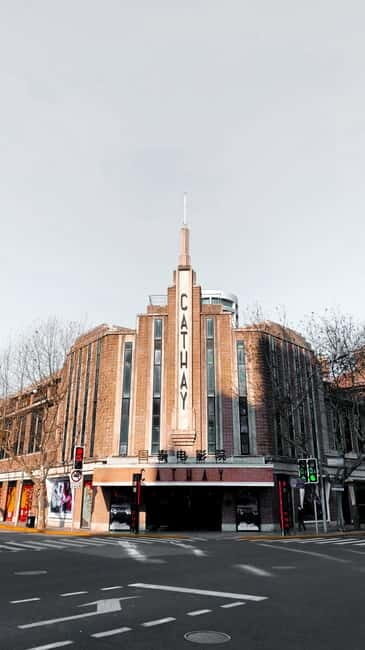
The itinerary includes time around Shanghai Culture Square Theatre (about 20 minutes). This is a useful kind of stop because it gives you a breather while still keeping the city’s story in frame. You can step back, orient yourself, and connect the dots between the French Concession’s legacy and the Shanghai you see today.
It’s also a nice “mid-tour reset.” After spending time on older street details and institutional buildings, Culture Square helps you zoom out. That balance makes the history feel less like isolated facts and more like a living timeline.
1920s Old Neighborhood vibe: why it feels personal
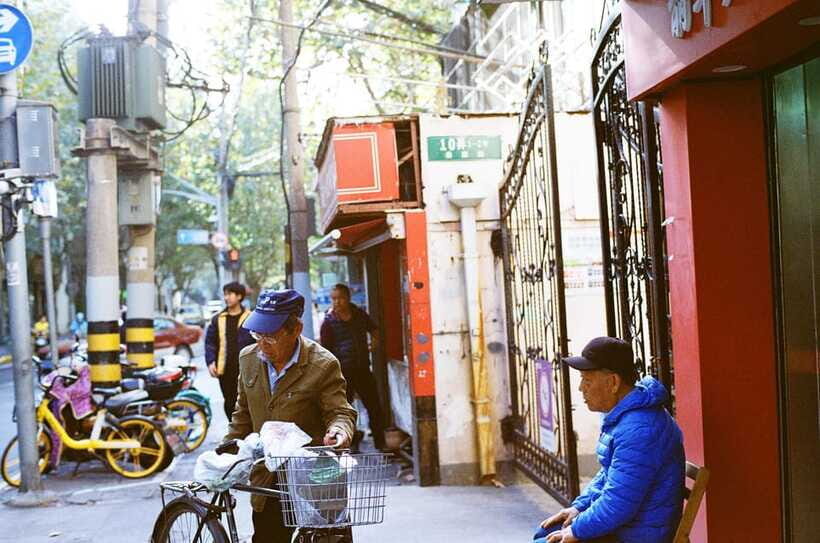
The tour includes a 1920s old neighborhood stop. This is where you often get the most “wow, I can see it” effect, because older residential areas show how ordinary life might have looked long ago. Even if you can’t picture a specific event tied to the street corner, you can sense the difference between planned grandeur and everyday neighborhood rhythm.
I find these segments help you remember the entire tour better. Big historical sites can be heavy; older streets make them human. You’re walking through spaces tied to daily routines, which makes the overall story feel more believable and grounded.
Communist Delegation Office and the birthplace site: the hard part, handled clearly
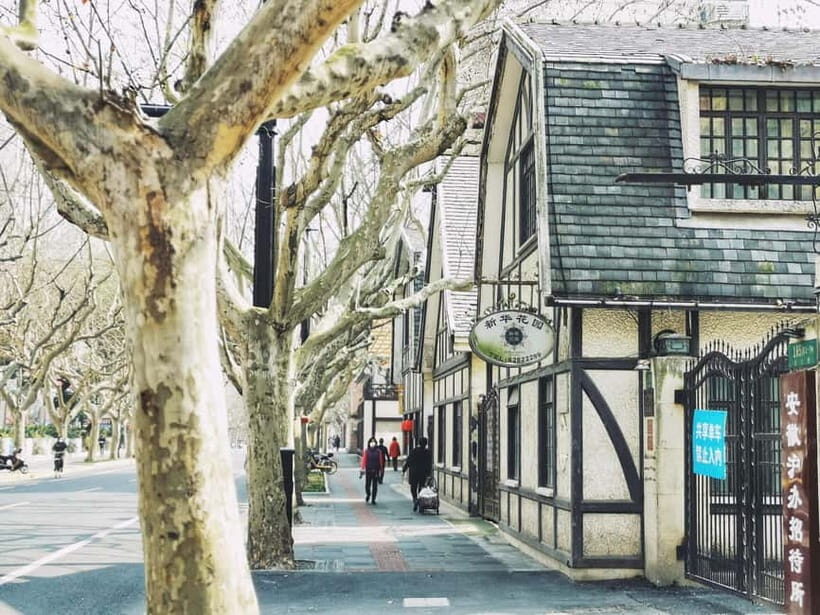
One of the most important stops is the Communist Delegation Office, including a birthplace of the Chinese Communist Party site. This portion of the tour is especially significant because it anchors the neighborhood story to major political change, not just foreign administration or old architecture.
The key here is how it’s taught: you’re not just given names and dates. You’re walked through the meaning of the place. A local guide can also help explain how different eras overlap in Shanghai—how the city can carry layers of influence in the same streetscape.
If your travel style leans toward history that explains the present, this stop is the point where the tour stops being “pretty streets” and becomes “why Shanghai became Shanghai.”
Sinan Mansions and Shanghai’s in-between identity
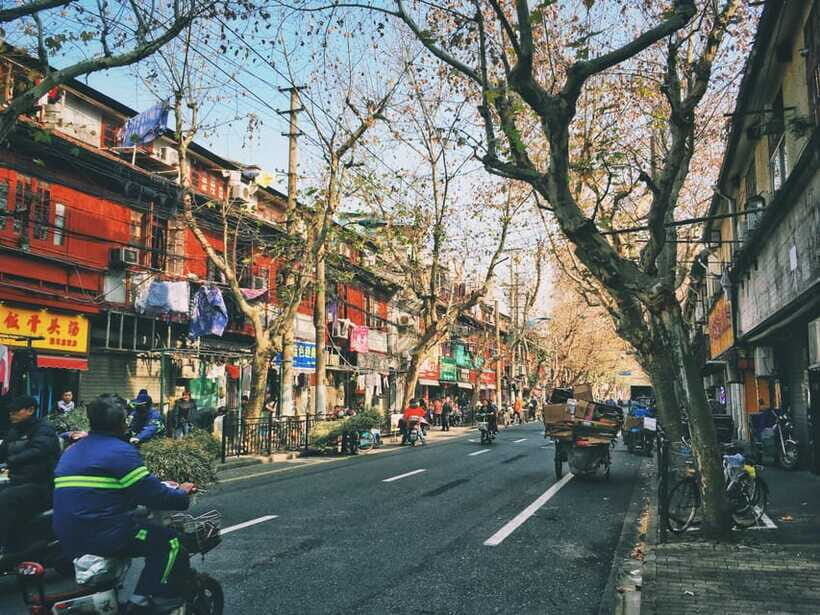
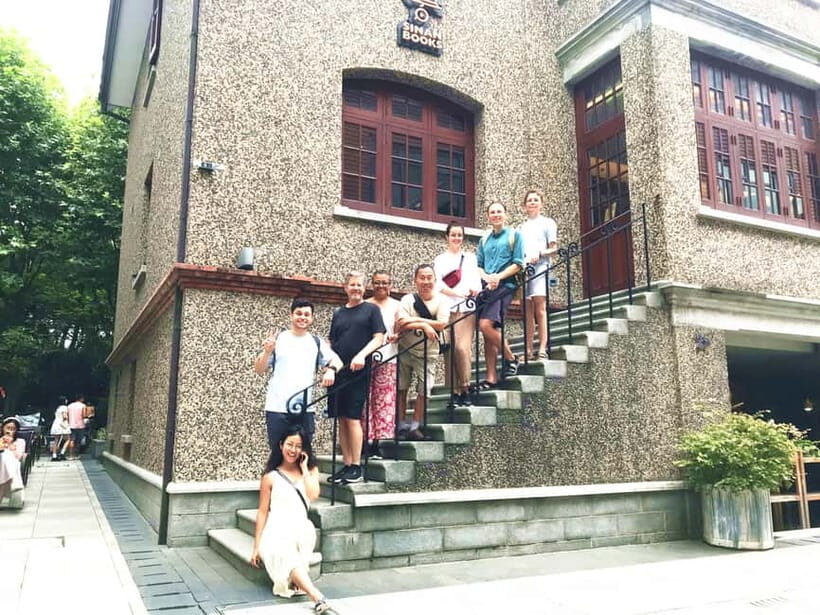
The tour also calls out Sinan Mansions. Mansions like this are often photographed, but the guide’s job is to make the photo worth more than a pretty facade. These buildings reflect an in-between identity—Shanghai modernizing, yet still carrying the physical language of earlier periods.
This is another spot where the walking format helps. You see the scale and proportions in context, and you can better understand how such places fit into the neighborhood around them.
If you like architectural clues as a way to read city history, Sinan Mansions will probably be one of your favorite stops.
Xintiandi finish: how to turn the tour into real time
The tour ends at Xintiandi, described as a fashionable compound with shops, bars, and restaurants. This finish is practical. It means you’re not dropped into a random intersection at the end of your walking circuit.
Xintiandi is a strong place to transition from “tour mode” to “eat and wander mode.” You can stick around right after the tour while the history is still fresh in your head, and you can use the guide’s neighborhood knowledge for what to do next.
In fact, the guide can share suggestions for shopping, tea, or dining experiences that feel more specific to Shanghai than generic list picks. That kind of follow-on advice is where a short tour can stretch into a longer trip.
Price and time: is $34 for 2.5 hours worth it
At $34 per person for about 2.5 hours, this tour is priced like a strong “value for orientation” option. You’re paying for three things: a local English guide, guided visits to multiple historical sites, and a walking route that strings the French Concession together into one coherent story.
If you were doing this on your own, you could technically visit some landmarks. But you’d lose the main benefit: understanding how each place connects to the city’s evolution. This tour is built around that connection, and that’s hard to replicate with just an internet search.
Is it worth it for everyone? If you hate walking, or you need step-free access, then no. If you like history that’s tied to real streets and buildings, then yes. At this price, you’re not just buying entry to a single site; you’re buying guided interpretation across a meaningful slice of Shanghai.
Who should book this walking tour
This tour suits you if:
- You want a local English guide who can answer questions as you walk
- You care about how Shanghai evolved through specific places, not only broad headlines
- You enjoy mixing old neighborhoods with modern city life
- You want an easy end point at Xintiandi for food and browsing
You might skip it if:
- You need wheelchair accessibility (it’s not suitable for wheelchair users)
- You don’t want a steady walking pace for a 2.5-hour route
- You prefer vehicle-based sightseeing only
Quick practical tips for a smoother walk
- Wear shoes that can handle city sidewalks for 2.5 hours.
- If you have specific history questions, write them down before you go. This guide is set up to field history questions on the spot.
- Bring a plan for your post-tour time at Xintiandi—either dinner, tea, or shopping—so you don’t end up hungry and decision-stuck.
Should you book this French Concession walking tour?
I’d book it if your ideal Shanghai day includes tree-lined avenues, older buildings you can actually reach on foot, and historical stops that connect foreign administration to later political turning points. The guide’s local perspective and storytelling style are the main reason this feels more than just another “see the sights” walk.
If you want a tour that helps you understand the French Concession while you’re still standing in it, this one fits. And ending in Xintiandi is a smart bonus that keeps your day moving.
FAQ
FAQ
How long is the tour, and is it a walking experience?
The tour runs for about 2.5 hours. It is a walking tour through the French Concession area.
What sites and areas does the tour cover?
You’ll see the French Concession’s tree-lined streets and older buildings, and visit highlighted stops including Middle Huaihai Road, the Former French Club, Jinjiang Hotel, Shanghai Culture Square, the Communist Delegation Office (including the birthplace of the Chinese Communist Party), Sinan Mansions, and you end in Xintiandi.
Where do I meet the guide?
You meet in front of Okura Garden Hotel Shanghai, about 100 meters to the left of Exit 3 at South Shaanxi Road subway station (Line 1/10/12). The taxi instruction is 花园饭店(茂名南路58号).
Where does the tour end?
The tour ends at Xintiandi, where there are shops, bars, and restaurants.
Is the tour in English?
Yes, the tour guide leads in English.
What’s included in the tour price?
The price includes a guided tour of the French Concession, visits to historical sites (including the birthplace of the Chinese Communist Party), and guided exploration of fashionable areas with boutiques, galleries, bars, and cafés.
Is last-minute booking available?
Yes. Last minute booking is possible, and bookings stay open until the start of the tour.
Can I cancel and get a full refund?
Free cancellation is available up to 24 hours in advance for a full refund.
Is the tour wheelchair accessible?
No, it is not suitable for wheelchair users.