REVIEW · SHANGHAI
Local Market Shopping Guide
Book on GetYourGuide →Operated by Ada Shopping Guide · Bookable on GetYourGuide
One good bargain plan beats ten random stops. This Shanghai local market shopping tour is built for price-hunting with real help from a guide, not guesswork. I like that you’re guided through major market areas, and I really like the hands-on negotiation service that pushes you toward reasonable prices instead of getting stuck in the first quote.
You’ll also get the kind of support that helps you shop smarter when you’re dealing with lots of knockoffs and trend items. One thing to consider: this tour is about buying deals, including imitation goods, so it’s not for you if you want strictly brand-new authentic retail shopping with fixed prices.
In This Review
- Key highlights I’d plan around
- Why Shanghai market shopping is easier with a guide
- Meeting at Line 9 Exit #4 and how the 4-hour flow works
- AP Plaza under the Shanghai Science and Technology Museum: where the “big-stall” shopping starts
- Pearl Market and Hongqiao New World Pearl Market: accessories for style on a budget
- Taobao Market for affordable fashion and accessories
- Bargaining the right way, especially with Ada
- What to bring so shopping stays comfortable (and not annoying)
- Price and value: is $36 for 4 hours worth it?
- Who should book this tour (and who might not love it)
- Quick checklist for shopping success
- Should you book this Shanghai local market shopping tour?
- FAQ
- FAQ
- How long is the Shanghai local market shopping tour?
- Where does the tour meet?
- What markets are included?
- Is the tour easy to do for people with different fitness levels?
- What’s included in the price?
- What languages is the guide available in?
- What should I bring for shopping?
- Can I get a refund if I cancel?
Key highlights I’d plan around

- Bargaining support so you can aim for better pricing instead of starting from scratch
- Small group (max 10) for easier questions and faster decision-making
- Multiple market areas covered across two shopping sessions and one metro hop
- Bottled water + shopping assistance, which matters when you’re walking and carrying bags
- Guide language options (English, Swedish) for comfort and clarity
- Cash-friendly shopping mindset, since you’re expected to buy on the spot
Why Shanghai market shopping is easier with a guide
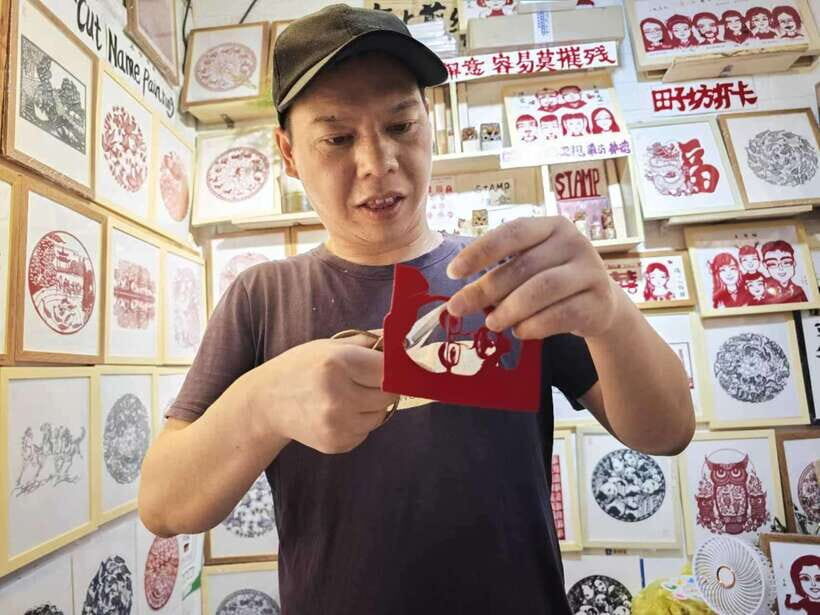
Shanghai markets can feel like a whole different city once you walk inside. Stalls multiply, item styles repeat, and every seller has their own rhythm. If you don’t know what to ask or how to compare prices, you can end up paying more just because you look uncertain.
That’s where this tour makes sense. The guide doesn’t just point; they help you negotiate and avoid common traps that show up in any imitation-focused market. You get practical help on how to speak up, how to keep conversations moving, and how to spot when a price doesn’t make sense.
And because it’s a small group, you’re not stuck waiting behind a line of people who are still figuring out what a tote bag costs. Your time stays focused on shopping, not wandering.
You can also read our reviews of more guided tours in Shanghai


Meeting at Line 9 Exit #4 and how the 4-hour flow works
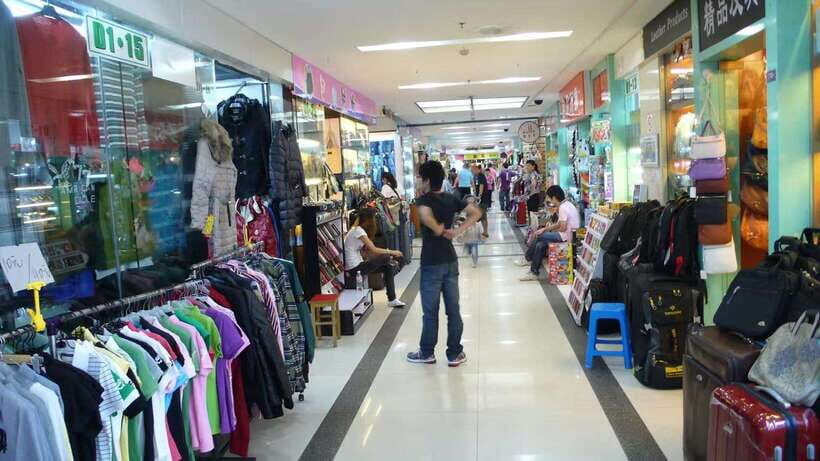
The tour starts at Line 9, Exit #4, and it ends back at the same meeting point. You’ll begin with a short lead-in around Taikang Road, then spend your time in two guided shopping blocks with a metro/subway ride of about 40 minutes between them.
The schedule is designed for walking you can handle. The difficulty level is listed as easy, suitable for all fitness levels. Translation: you’ll be on your feet, but it’s not an all-day marathon and it’s not pitched as heavy hiking.
Group size matters here. With up to 10 participants, you can ask quick questions, get product guidance, and adjust your plan when you find something you actually want.
AP Plaza under the Shanghai Science and Technology Museum: where the “big-stall” shopping starts
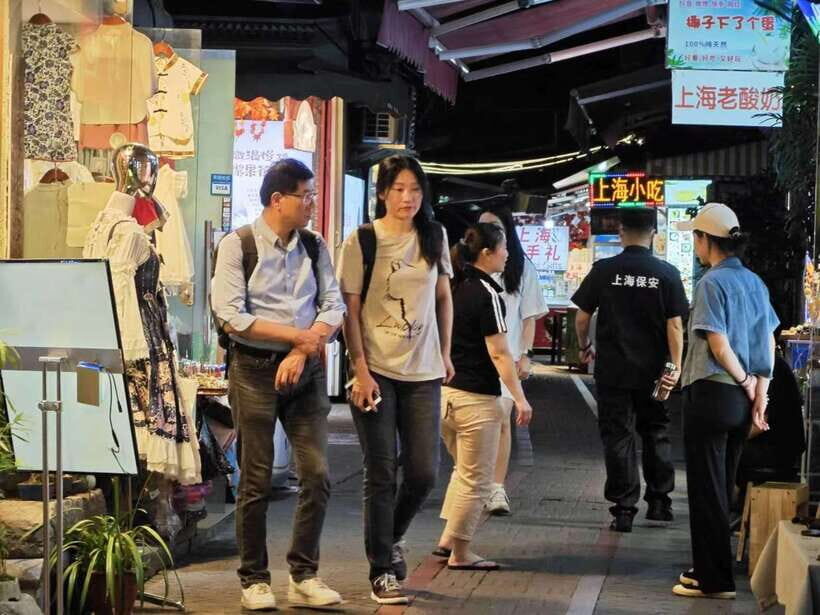
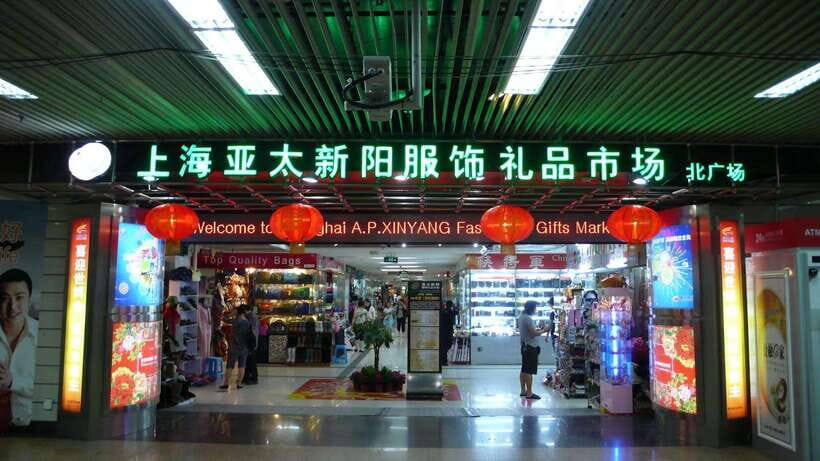
One of the first places you’ll run into is AP Plaza, located beneath the Shanghai Science and Technology Museum. This is a major market area with a wide mix of goods. Think clothing and shoes, electronics, watches, and plenty of handbags and accessories in imitation styles.
Why this stop is smart: AP Plaza is the kind of place where you can compare many sellers in a short time. If you’re trying to decide what kind of item is worth your money—shoes, a bag, a gadget accessory—this is the place to do the early research. You’ll quickly learn what quality differences look like when you see a few stalls side by side.
What I’d watch for while shopping:
- Check workmanship basics first: seams, zippers, stitching, and how an item feels in-hand.
- When you’re interested in a price, confirm details (materials, size, what’s included). Don’t let the conversation jump ahead.
- Keep your bargaining calm and quick. If you drag it out, sellers often shift into a more rigid mode.
The tour’s shopping assistance helps here. Instead of you trying to translate the same question ten ways, your guide can streamline what matters and keep you moving toward choices you’ll be happy with.
Pearl Market and Hongqiao New World Pearl Market: accessories for style on a budget
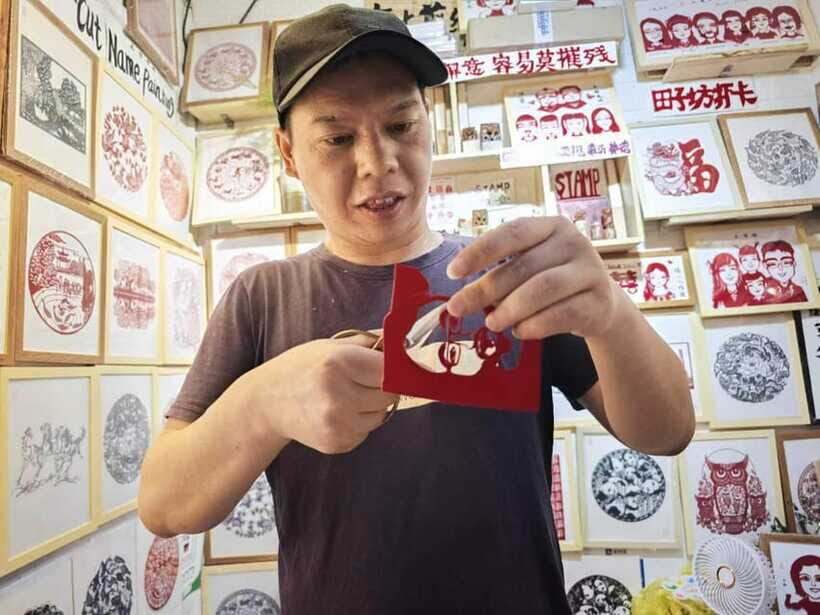
Next, you’ll spend time at pearl-focused areas, including the Pearl Market and Hongqiao New World Pearl Market. These are the stops built for imitation jewelry and accessories. Expect rows of faux pearls, gemstone-style pieces, sunglasses, wallets, scarves, and other trendy extras—plus plenty of designer-inspired looks at prices that feel easier on your wallet.
Why you’ll probably like this part of the tour: accessories are the easiest items to shop for confidently during market time. You can check the color tone, clasp quality, finish, and overall style quickly. And if you’re buying gifts, smaller items let you make smart choices without hauling something huge home.
How to shop pearls-style markets like a pro:
- Bring your own “wear-test.” If you imagine it with an outfit you own, you’ll make better decisions fast.
- Look at how items match. If the set looks off-color next to itself, it won’t get better at home.
- If you’re buying several pieces, set your budget before the bargaining starts. It’s easy to overspend when everything looks cute.
Hongqiao New World Pearl Market is listed as having a mix of fake luxury items and unique local products, from sunglasses and wallets to scarves and electronics. That variety is useful if you came wanting one category (like jewelry) but end up liking other accessories you didn’t plan to buy.
Taobao Market for affordable fashion and accessories

You’ll also visit the Taobao Market, a popular choice for locals seeking affordable fashion and accessories. Here, you’re more in the world of clothing and trend pieces than the ultra-specific pearl-jewelry focus.
This is the market stop I’d treat as your “finish line” for wardrobe add-ons. If you find a bag and jewelry that work, Taobao-style fashion helps you round out the look. It’s also a good place to pick up everyday items like hats, casual footwear options, and handbags or small accessories that you’ll actually use.
A practical tip: if you’re serious about price, compare early and commit later. The worst feeling is buying something you like at the first stall because you’re tired. Markets are built to make you want instant decisions. The guide helps you stay on track so you can wait for the stall that fits both style and price.
You can also read our reviews of more shopping tours in Shanghai





Bargaining the right way, especially with Ada
The most praised part of this tour is the people side. The guide’s name is Ada, and her approach shows up clearly in the feedback: she’s sweet, she helps you get access to better deals, and she supports you in negotiating prices that feel more reasonable.
Here’s what that means for your shopping style. Instead of you trying to bargain with no plan, you’re buying with structure. Ada also customizes things around what fits you best. That matters because “best price” only counts if the item actually works for your size, preference, and needs.
How I’d use a negotiation guide (simple and effective):
- Start by telling your guide what you want most, not everything you might buy.
- Ask for help early when you’re comparing similar items.
- Use your first question as your filter: price range, size options, and basic quality.
- Don’t be afraid to pass. In markets like these, walking away is part of the rhythm.
And yes, negotiation here is part of the deal. The tour includes negotiation service, so you’re not left on your own. That reduces stress and helps you shop longer without feeling like every sale is a personal confrontation.
What to bring so shopping stays comfortable (and not annoying)
You’ll get a better experience if you show up ready to shop. The tour asks you to wear comfortable clothing and footwear and bring shopping bags. Since purchases are made on the spot, also bring cash so you’re not stuck when a seller’s preferred payment method isn’t your plan.
A camera is also suggested, which helps because you’ll see lots of styles and you might want a visual reminder later when you compare items you liked across stalls.
One more small but important habit: keep your items and receipts organized during the metro transfer. The tour includes metro time, and you don’t want to dig for bags every time you stop.
Price and value: is $36 for 4 hours worth it?
At $36 per person for around 4 hours, the price is mainly buying two things: time you can spend shopping and guidance that can protect your budget. A market tour with no help might feel cheaper at checkout, but it often costs you in two ways:
1) You waste time figuring out what to ask.
2) You pay more because you lack bargaining support.
Here you’re getting a professional guide, shopping assistance, and negotiation service, plus bottled water. If you’re trying to buy multiple items—like accessories plus a couple of fashion pieces—that support can pay off quickly.
The small-group setup (up to 10) is another value factor. It keeps the shopping pace efficient. You’ll spend more time choosing items and less time waiting for others to catch up.
Who should book this tour (and who might not love it)
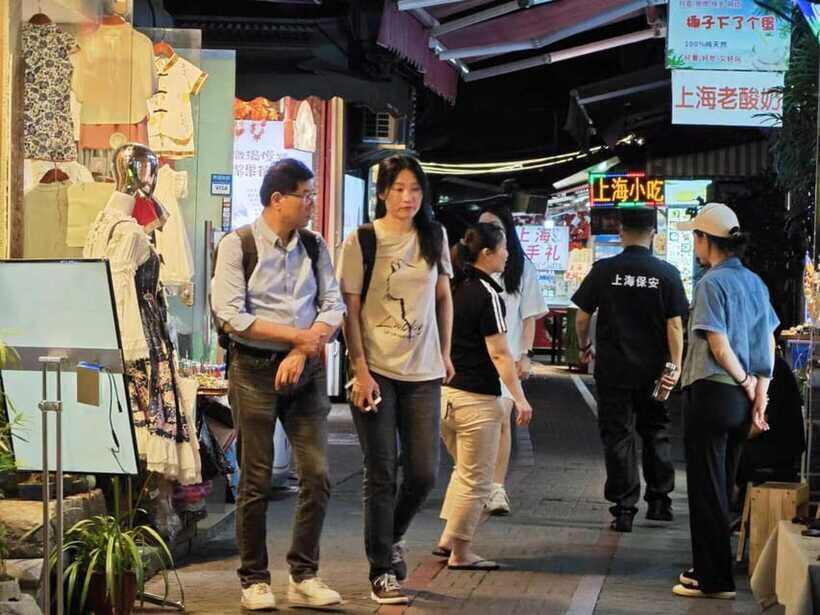
This tour fits best if you:
- want to shop markets with bargaining help
- like comparing many stalls in one morning/afternoon block
- are open to imitation fashion and accessories at lower prices
- enjoy guided shopping where someone helps you decide and negotiate
You might skip it if you:
- prefer fixed-price stores with no bargaining
- want only authentic luxury-brand retail experiences
- dislike shopping environments with lots of sellers and dense product displays
It’s also a solid choice for first-timers to Shanghai markets. Even if you’re a confident shopper, a guide helps you avoid the common slowdowns that happen when language and negotiation aren’t effortless.
Quick checklist for shopping success
Before you go, decide what kind of purchases you want most. This tour covers multiple areas—so you’ll do best if you have a clear shopping plan.
Think in categories:
- one “statement” item (like a bag or shoes)
- a few accessories (jewelry, scarves, sunglasses)
- one wardrobe add-on from the fashion-focused market
During the tour, use your guide to keep you on that plan. You’ll still have room to wander, but you won’t lose your budget to spontaneous impulse buys that don’t match your needs.
Should you book this Shanghai local market shopping tour?
If your goal is smart market shopping with negotiation support, I’d book it. The combination of a small group, English (and Swedish) guide support, and a named guide who’s known for helping people reach better deals makes this more than just a walk-and-shop. It’s a structured way to spend a few hours and come away with items you actually wanted at a price you can live with.
Book it especially if you feel like you’d get overwhelmed alone. The tour is easy to follow, the meeting point is clear (Line 9 Exit #4), and the route gives you two distinct shopping sessions with a metro break so you don’t feel stuck in one endless market area.
FAQ
FAQ
How long is the Shanghai local market shopping tour?
The duration is approximately 4 hours (often described as about 3–4 hours). You’ll want to check available starting times when booking.
Where does the tour meet?
The start is at Line 9, Exit #4, and the activity ends back at the meeting point.
What markets are included?
The tour includes AP Plaza (under the Shanghai Science and Technology Museum), Pearl Market, Hongqiao New World Pearl Market, and Taobao Market.
Is the tour easy to do for people with different fitness levels?
Yes. The difficulty level is listed as easy and suitable for all fitness levels.
What’s included in the price?
Included are a local English-speaking shopping guide, negotiation service, bottled water, and shopping assistance.
What languages is the guide available in?
The live tour guide is available in English and Swedish.
What should I bring for shopping?
Bring comfortable clothing and footwear, shopping bags, cash for purchases, and a camera.
Can I get a refund if I cancel?
Free cancellation is available up to 24 hours in advance for a full refund.