REVIEW · GUANGZHOU
Guangzhou: 2,000-Year-Old Wonder-Nanyue King’s Tomb Ticket
Book on GetYourGuide →Operated by Guangzhou Zhiwooyou Travel Agency Co., Ltd. · Bookable on GetYourGuide
A 2,000-year tomb in one ticket. This Guangzhou museum visit is a rare, close-up look at the Nanyue Kingdom, led by the story of Zhao Mo, second king of Nanyue, and told through relics that were left undisturbed for more than two millennia. I really like how it starts with context before you ever step into the tomb area, and I also like that you get to see 1,133 unearthed relics—including jade objects and imperial seals—in a focused, museum-style route. One thing to consider: the lower-level tomb chamber isn’t included, so you’ll want to time your expectations around what the ticket actually covers.
For planning, I’d treat this as a smart half-day culture stop, not a long-day theme park. The museum is well air-conditioned (bring a light layer), and the guided flow keeps you moving without feeling rushed. The other consideration is logistics: entry uses an ID plus an e-voucher, and QR scanning is one code per person with last entry at 17:00, so don’t drift too late.
In This Review
- Quick hits
- Why the Nanyue King’s Tomb is worth your time
- Getting in at the gate: ID, QR scan, and last entry
- The History Gallery: where the story gets clear
- 10:00 at the original tomb site: what to focus on
- Main Exhibition Hall and the Top Ten Treasures
- Special exhibits and the ceramic pillow gallery (the last 30 minutes)
- The cultural shop: stamps and souvenir value
- How to plan your timing from Guangzhou Metro
- Nearby food if you want classic Cantonese
- Who should book this, and who should skip it
- Price and logistics: what $6 actually buys you
- Should you book the Nanyue King’s Tomb ticket?
- FAQ
- How long does the experience take?
- Where is the meeting point?
- Do I need a passport?
- How do I enter the site?
- Is this ticket valid for more than one entry?
- Is the lower-level tomb chamber included?
- What time is the last entry?
- Are food and drinks allowed inside?
- What can I see in the main exhibition?
- How should I get there by metro?
Quick hits
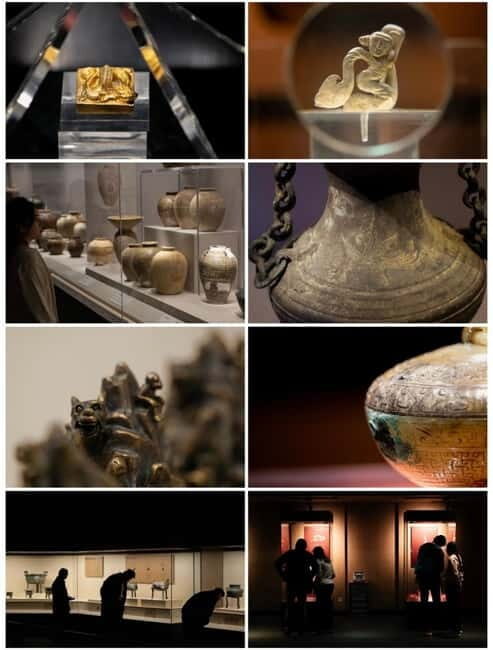
- 1,133 relics on display, spanning weapons, ritual objects, jade, seals, and daily-life items
- A built-in “warm up” phase in the History Exhibition Hall, including Nanyue’s five emperors and 93 years
- A short visit to the original tomb site that helps you connect artifacts to place
- Main Exhibition Hall highlights, including a focus on the Top Ten Treasures
- A practical cultural add-on: stamp collecting and souvenir shopping in the creative shop
Why the Nanyue King’s Tomb is worth your time
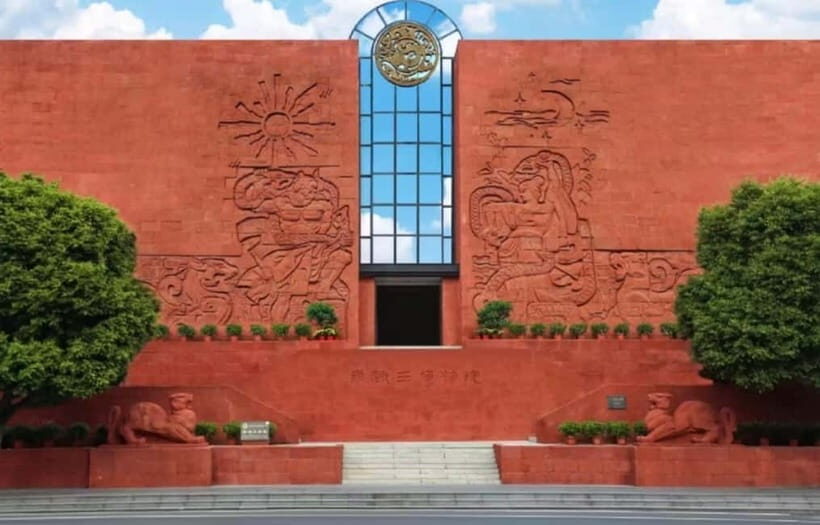
This ticket isn’t about a single dramatic photo spot. It’s about the way archaeology can teach you to read history with your eyes. The Mausoleum of the Nanyue King was built for Zhao Mo (Western Han period), and the big draw is that the tomb remained untouched for over 2,000 years—so the collection you see isn’t just copies or reconstructions. It’s museum objects pulled from a specific story.
I also like that the museum route doesn’t jump straight to the tomb area. You get first the background of the Nanyue Kingdom—five emperors, 93 years—so when you arrive at the tomb site, you’re not guessing who ruled, when, or why it mattered. That makes the artifacts feel more “real” and less like a list.
Value-wise, the price is hard to ignore: about $6 per person for a 2–2.5 hour guided museum experience that includes large-scale displays and a real archaeological site visit. It’s one of those cultural stops where your money mostly goes to access and interpretation, not entertainment add-ons.
A few more Guangzhou tours and experiences worth a look
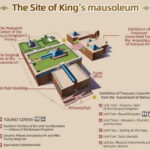
Getting in at the gate: ID, QR scan, and last entry
Your entry is tied to documents and scanning. You’ll need a valid ID plus your e-voucher. At the gate, you scan your QR code—one code per person—and it’s single entry for the selected date.
Two practical tips help here:
- Bring your passport (the info notes passport is required for booking). Even if you’re used to traveling with digital copies, plan for the ID requirement.
- Aim to arrive before the cutoff. Last entry is 17:00, and late arrivals aren’t permitted, so build in a buffer if your day runs behind.
Also, keep a small mental plan for ticket problems. One verified booking mentioned a QR code that didn’t work, but the person found it easy enough to buy a new ticket. That’s not something to count on, but it’s a useful reminder: if your QR code has an issue, don’t panic—there are ways to recover.
The History Gallery: where the story gets clear
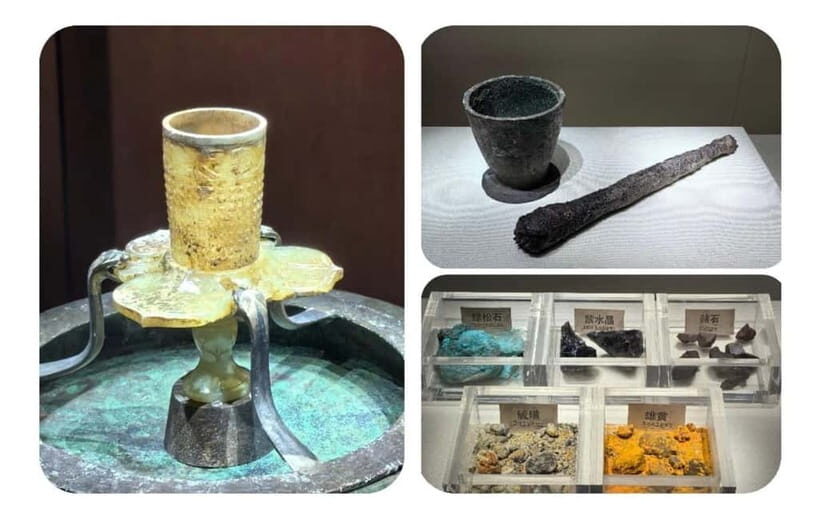
Your visit starts with the History Gallery, where you register for a guided tour around 09:00. This is the part I’d call the “decoder ring.” Nanyue’s story can sound like names and dates, but the exhibition hall is built to connect the Kingdom’s timeline to the kinds of objects that were buried.
You’ll learn the overview: the Nanyue Kingdom’s span under five emperors and a total of 93 years. That may sound like basic chronology, but it matters because the tomb isn’t just a grave site. It’s a window into political power and culture—so knowing the sequence helps you understand why certain categories of items show up.
If you’re traveling with kids or anyone who wants meaning fast, this is the section that usually lands. You’ll be better prepared for what you see later in the exhibition galleries and at the tomb site.
10:00 at the original tomb site: what to focus on
Around 10:00, you’ll move to the original tomb site. This stop is short, but it’s worth treating like a “connecting moment” rather than a quick photo break. The value is in how you shift your brain from museum glass cases to the physical layout and original context.
Because the lower-level tomb chamber isn’t included, you won’t get every possible viewing angle. Plan to focus on the areas you can access with the ticket you bought. In practice, that means you should pay attention to how the site is presented and compare it in your mind with the categories of relics shown back in the galleries.
A good mindset: use the tomb site as your anchor point. Then, when you return to the Main Exhibition Hall, you’ll recognize themes faster—especially items tied to ritual, status, and daily life.
Main Exhibition Hall and the Top Ten Treasures
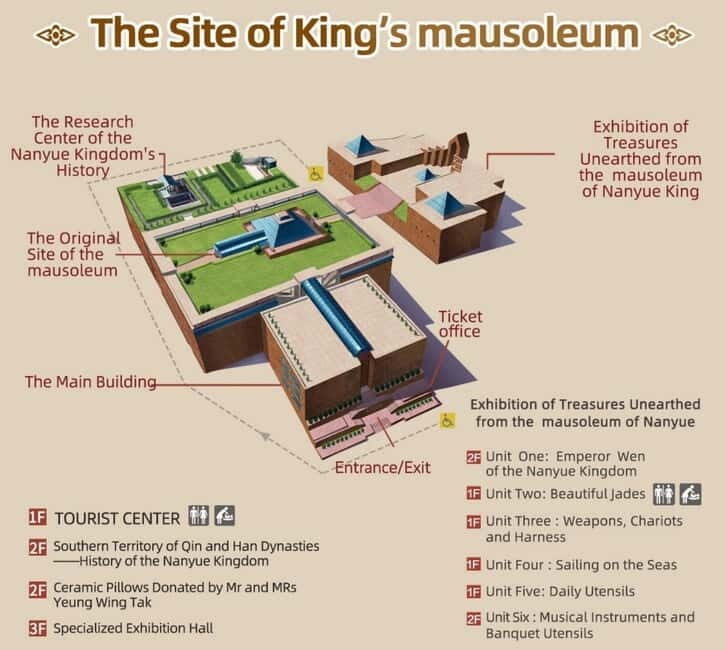
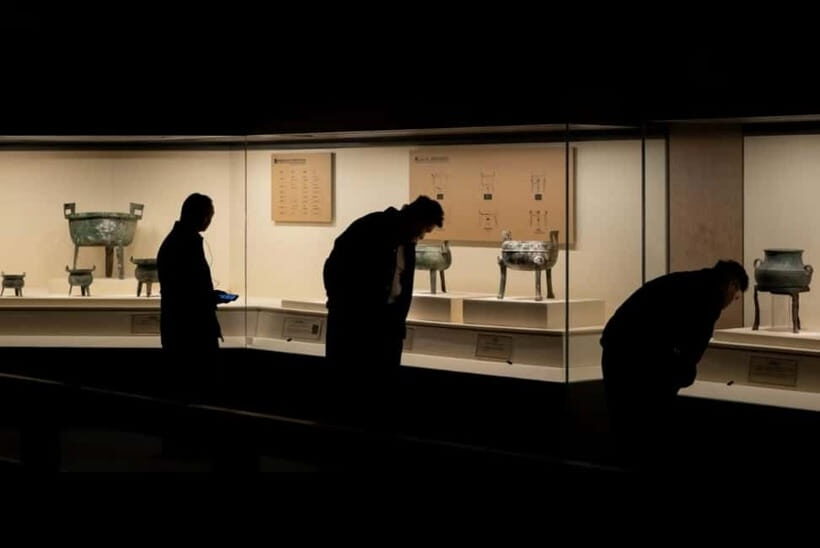
This is where the museum does the heavy lifting: 10:30 to 12:30 is your main exhibition time. You’ll see 1,133 unearthed relics spread across two floors and five galleries. The museum route matters because the exhibits are grouped by what the items were used for and what kind of life they hint at.
The categories you’ll encounter include:
- weapons
- ritual objects
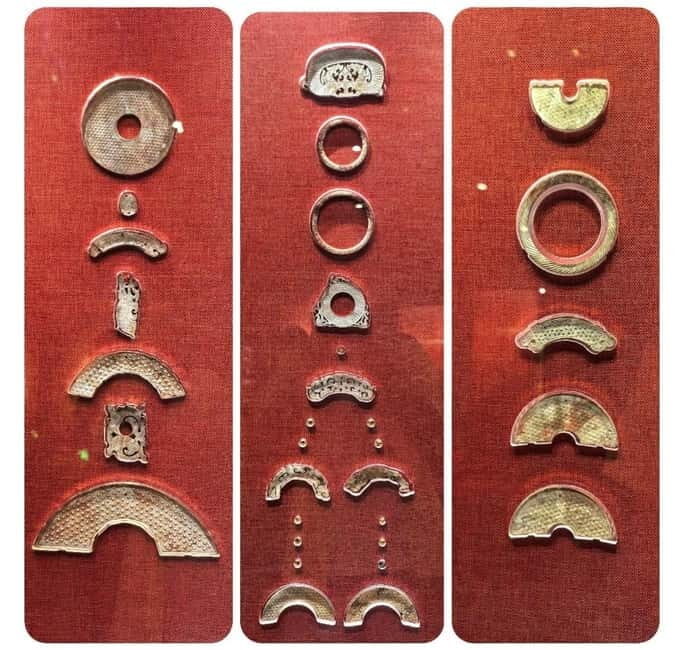
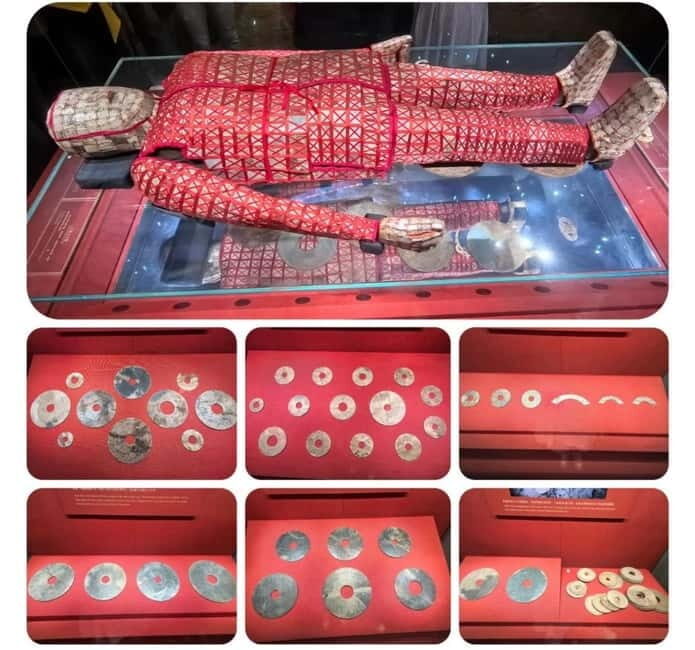
- jade items
- seals
- daily life objects
If you like archaeology that explains power, look closely at the seals and the finer objects. Those pieces often tell you more than weapons do—about authority, legitimacy, and the ways rulers communicated status. If you’re more drawn to craftsmanship, jade details tend to catch people fast because the material is visually strong and historically significant.
One of the gallery highlights is the Top Ten Treasures focus. That doesn’t mean you only need to pay attention to ten items; it means the museum is giving you a suggested set of key finds. When time is limited, letting that guide your attention helps you avoid the trap of wandering without connecting dots.
Practical comfort note: the museum is well air-conditioned. Bring a light jacket. This is one of those places where you’ll feel better keeping your layers on instead of relying on your outfit alone.






Special exhibits and the ceramic pillow gallery (the last 30 minutes)
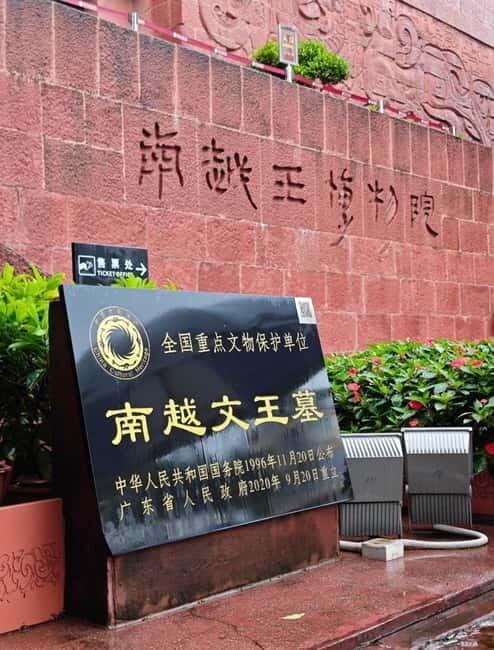
From 12:30 to about 13:00, you’ll check out special exhibits and then nearby ceramic pillow displays. This short segment is easy to miss if you rush, but it’s a good way to shift from “big political objects” into the feel of everyday life—and also the artistic side of burial culture.
Why ceramic pillows matter: they connect you to personal routines and objects used in death rituals. When the museum includes daily-life items earlier, these special displays help reinforce the theme that burial culture wasn’t only about rank. It was also about comfort, belief, and care.
If you’re the type who likes to end a museum visit with something a little more human, this is a smart portion to slow down for.
The cultural shop: stamps and souvenir value
After the main displays, plan a little time for the cultural and creative shop. The stamp collecting scene is a real draw here, and it’s the kind of souvenir that can be both fun and practical if you travel with a collector mindset. Instead of buying a generic magnet, you’re buying something tied to the site and the visit.
You’ll also find unique cultural souvenirs and collectible stamps. This is a good moment to decide what you want to bring home, especially if you prefer items that connect to a specific place rather than mass-produced gifts.
If you’re unsure what to pick, spend 5 minutes scanning for the stamp-related items first. They’re often the quickest way to leave with something that feels personal to your stop at the Nanyue King’s Tomb.
How to plan your timing from Guangzhou Metro
Getting there is straightforward using public transit. Use the metro and exit at E from Yuexiu Park Station, then go directly to the museum.
For the route itself: think of this as a half-day block. Most of your time is inside, so once you arrive, you’ll likely stick to the guided flow and the exhibition schedule. That makes timing forgiving compared with attractions that require long outdoor lines.
If you want to do this efficiently, try to line up your day so you’re not rushing across town right after. The museum time window is compact, and you’ll get more out of it if you can linger in the galleries you like.
Nearby food if you want classic Cantonese
The ticket doesn’t include meals, and you also can’t bring food and drinks inside. Afterward, you’ll likely want Cantonese comfort nearby.
Two local options named for you:
- Xintai Le for classic Cantonese cuisine
- Ming Shao, known for Cantonese chicken dishes
If you’re traveling with friends, consider making food part of the experience. It’s a simple way to turn the museum’s Lingnan culture focus into something you can taste.
Who should book this, and who should skip it
This visit is best for people who want history with structure. You’ll like it if you’re interested in archaeology, early Chinese kingdoms, or Lingnan cultural context, and you want a guided museum day that doesn’t require deep language skills to enjoy.
It also works well for families and educational trips because the format is clear: background first, then tomb and artifacts, then a small final segment with special displays. Kids often respond well to object categories—especially the wow items like jade and the idea of relics that were untouched for thousands of years.
If you’re looking mainly for light entertainment—something you can do while barely paying attention—this may feel too educational. Also, if your time in Guangzhou is extremely tight, know that the visit is still a guided route that takes about 2–2.5 hours to do properly.
Price and logistics: what $6 actually buys you
At around $6 per person, this is a strong value for what you get: access to a major archaeological discovery site plus large-scale exhibitions with 1,133 relics across multiple galleries. The ticket is also timed for single-entry on a chosen date, which keeps the experience focused rather than open-ended.
Where value can get tricky is in your expectations. The lower-level tomb chamber isn’t included, so the experience is substantial but not exhaustive. If you’re the type who wants every possible section, you may want to double-check what’s included before you commit.
Still, for most travelers, this ticket is a budget-friendly way to add something meaningful and genuinely different from the usual city sights.
Should you book the Nanyue King’s Tomb ticket?
Yes, I think you should book it if you want a smart cultural stop in Guangzhou with real archaeological artifacts and clear context. The combination of the History Gallery setup, the short visit to the original tomb site, and the Main Exhibition Hall with jade, seals, and a guided focus on key finds makes it easy to feel like you learned something, not just walked around.
I’d skip it only if you want a casual entertainment-style attraction or you’re short on time and can’t fit about 2–2.5 hours. And do bring your passport/ID and your e-voucher so entry is smooth at the gate.
If you want a place that rewards curiosity, this is one of the better low-cost options in the city.
FAQ
How long does the experience take?
Plan for about 2–2.5 hours during the visit.
Where is the meeting point?
You present a valid ID and your electronic voucher for entry at the meeting/entry point at the site.
Do I need a passport?
Yes. The information specifies that you should bring your passport.
How do I enter the site?
Scan the QR code at the gate. One code is used per person.
Is this ticket valid for more than one entry?
No. It’s a single-entry ticket for the selected date.
Is the lower-level tomb chamber included?
No. The lower-level tomb chamber is not included with this ticket.
What time is the last entry?
Last entry is 17:00, and late arrivals aren’t permitted.
Are food and drinks allowed inside?
No. Food and drinks are not allowed.
What can I see in the main exhibition?
You’ll see 1,133 unearthed relics across two floors and five galleries, including weapons, ritual objects, jade, seals, and daily life items.
How should I get there by metro?
Use metro Exit E at Yuexiu Park Station and go directly to the museum.