REVIEW · HARBIN
Harbin City Private Day Tour in Your Way in Winter Season
Book on Viator →Operated by Private Tour Guide · Bookable on Viator
Harbin turns a day into a winter story. This private Harbin winter day tour strings together Russian-looking landmarks, ice-lantern scenes, and the big-night glow of Harbin Ice and Snow World, with hotel pickup so you don’t waste time figuring out cold-weather transit.
I especially like the no-hassle format: you get all-inclusive private transit (round-trip from your hotel) plus a private guide to handle timing and explanations. In past trips, the operation has used English-speaking guides such as Sera, Joanna Zhou, Austin Liu, Helen, and Cathy, with drivers like Mr. Yang and Mr. Zou.
One thing to plan for: entrance fees are extra and many places are cash-only (credit cards don’t work). Expect roughly RMB 500–1000 per person, and you’ll want warm layers because this runs in winter weather.
In This Review
- Key things to know before you go
- How a private guide keeps winter sightseeing from turning into stress
- Choosing your winter focus: downtown ropeway vibe or Sun Island snow festival time
- Start at St. Sophia Cathedral: Russian architecture, now an art hall
- Zhaolin Park ice lanterns and Central Street at night-energy pace
- Sun Island (Tai Yang Dao): the snow-fair side of Harbin
- Stalin Park and Sophia Square: snowy river landmarks and the best-preserved look
- Harbin Flood Control Memorial Tower: the city’s survival story in 15 minutes
- A frozen river show and a 336-meter tower: Harbin’s wow-factor hits
- Harbin Ice and Snow World and the Harbin Ice Festival feeling
- Lao DaoWai: Chinese-baroque old buildings in a short 30-minute walk
- Ice lantern show in Zhaolin Park: the centerpiece lighting moment
- Price and logistics: what you’re paying for (and what you still need cash for)
- Practical winter tips that will actually help on the day
- Who should book this Harbin private winter tour?
- Should you book this Harbin city private day tour in winter?
- FAQ
- How long is the Harbin City Private Day Tour?
- What does the $200 price include?
- Are entrance fees included?
- What payment methods can I use for attractions?
- Are there two different itinerary styles?
- When does Sun Island’s winter season run?
- When is the ice lantern show usually open?
- What is the cancellation policy?
Key things to know before you go
- Private, hotel-to-hotel comfort: The route is built around getting you across Harbin without long taxi waits in cold air.
- Two winter route styles: You can lean downtown (including ropeway-style river views) or focus on Sun Island’s snow festival vibe.
- Icon stops with a mix of free and paid sights: St. Sophia Cathedral and Sophia Square are free, while big-ticket sites like Ice and Snow World usually cost extra.
- Dedicated guide support: You’ll get explanations and practical pacing, and you can ask to adjust the day on the spot.
- Cash planning matters: Most attractions don’t take international credit cards; you’ll need local RMB and/or Alipay/WeChat Pay.
How a private guide keeps winter sightseeing from turning into stress
Harbin in winter can feel like two different worlds: pretty from a distance, exhausting up close. The win here is that you’re not traveling “cold-weather style,” hopping between stops and hoping taxis show up fast. Instead, you’re picked up and dropped off from your hotel, then moved by a private vehicle (or public transit/taxi depending on your option) on a schedule that’s meant for daylight and night lights.
A private guide also changes how the day feels. You’re not just looking at buildings and ice. You’re understanding why they’re there. Expect clear explanations for major landmarks like the St. Sophia Cathedral area and the city’s flood-control story. In the reviews, guides were praised for good English and patience, including Helen and Cathy, and drivers were noted for being on-time and practical.
The other quiet benefit: you can ask questions while you’re walking. That matters when temperatures drop, sidewalks are icy, and you’d rather spend your energy outside than stuck in confusion.
You can also read our reviews of more city tours in Harbin
Choosing your winter focus: downtown ropeway vibe or Sun Island snow festival time
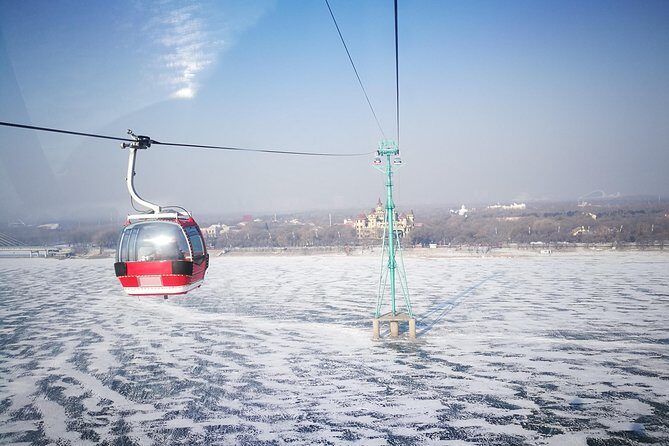
This tour is designed around a choice. You’ll pick between two sightseeing itineraries based on your interests—either a downtown-centered route that includes a ropeway experience along the river, or a plan that pushes you toward Sun Island (Tai Yang Dao), where the winter snow-fair season runs from 13 December to 5 March.
If you’re a first-timer, the downtown-style day tends to give you the classic Harbin feel: Russian-influenced architecture, the famous central pedestrian shopping street, and river-adjacent ice scenes. If your main goal is big winter spectacle with a “festival” atmosphere, Sun Island can be the better anchor.
Either way, the tour’s structure helps you pack a lot into one day—without trying to do it all by yourself. Just make sure you choose the option that matches your energy level. Sun Island is great for winter wandering, but it’s also more time outdoors and moving between key spots.
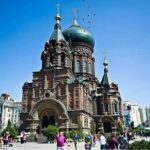
Start at St. Sophia Cathedral: Russian architecture, now an art hall
Your day begins with St. Sophia Orthodox Cathedral, built in 1907. It started life as a Russian church and is described as the biggest one in the Far East. Today it’s not a functioning church—it’s an architecture art exhibition hall.
I like this first stop because it sets the tone for the rest of Harbin. You’ll see the Byzantine look and the dramatic geometry that show up again around Sophia Square. It’s also relatively easy to handle in winter: you’re inside for part of the experience, and the landmark is a clear orientation point for the day.
The stop is scheduled around 30 minutes, and admission here is listed as free. That makes it a smart early win when you want to warm up quickly before heading back into the outdoor ice zones.
Zhaolin Park ice lanterns and Central Street at night-energy pace
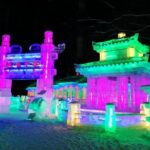
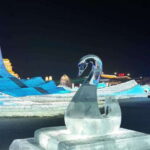
Next comes Zhaolin Park, a winter park known for ice lanterns. You’ll get about 40 minutes here. Admission isn’t included, so budget for the entrance as part of your overall RMB 500–1000 plan. (Also, this is one of those places where lighting and night timing can make a huge difference, so if your guide can shape the day order, it’s worth asking.)
Then you walk Zhongyang Pedestrian Street, also called Central Street. It’s described as the largest and longest pedestrian street in Asia, founded in 1898 as China Street and renamed Central Street in 1925. You’ll have around an hour here, and admission is free.
This is the “city life” break in a day of winter attractions. You get a chance to snack, browse, and observe how locals move during the festival season. In cold weather, that matters: it’s easier to stay comfortable when you’re moving between warm shops and short outdoor stretches rather than doing long frozen walks back-to-back.
Sun Island (Tai Yang Dao): the snow-fair side of Harbin
If you choose the Sun Island-leaning itinerary, this is a highlight. Sun Island is a park in summer, but in winter it hosts a snow fair. The season is listed as 13 December to 5 March, so your dates matter.
You’ll have about 2 hours here, and admission isn’t included. I’d treat Sun Island like your “winter playground” stop. It’s the place where snow-setup, ice scenes, and the broader festival mood feel most concentrated.
One practical note: because you’re outdoors, wear boots you trust on slippery surfaces. The tour info specifically recommends comfortable walking boots, and I agree. Winter floors can be deceptively slick, even on paths that look managed.
You can also read our reviews of more private tours in Harbin

Stalin Park and Sophia Square: snowy river landmarks and the best-preserved look
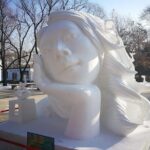
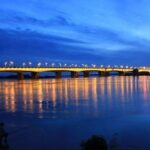
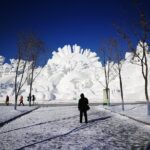
Stalin Park is scheduled for about 30 minutes. It’s described as the largest open park along the river in China. In winter, it’s known for snow sculptures and snowman works.
This stop works well for two reasons. First, it’s outdoors, so it feeds the “Harbin in winter” visual payoff. Second, it’s relatively short, so you’re not stuck out there too long if the cold starts to get sharp.
Then you’ll visit Sophia Square, about 20 minutes. The cathedral landmark is described as one of the best-preserved examples of Byzantine architecture in China. Admission is listed as free, so it’s another strong value stop.
If you’re into photography, this pair—Stalin Park plus Sophia Square—often gives you the most dramatic contrast: snowy river-art in one place, and architectural detail and scale in another.
Harbin Flood Control Memorial Tower: the city’s survival story in 15 minutes
Harbin Flood Control Memorial Tower is a short stop (about 15 minutes) but a meaningful one. It’s a victory monument built on 1 October 1958 to commemorate Harbin’s people overcoming the great flood of 1957.
I like slotting this in before the big “entertainment” sites. It keeps Harbin from feeling like just a winter theme park. You get the sense of what shaped the city—how rivers and floods influenced everyday life.
Admission is listed as free, which makes this an easy add-on. Even if you only skim the key points with your guide, it gives the rest of the day more context.
A frozen river show and a 336-meter tower: Harbin’s wow-factor hits
Two of the most memorable stops are built around winter extremes.
First is Harbin Swimming Hall, where a winter swimming show happens in a swimming pool on the frozen Songhua River, with outdoor temperatures around -28. The stop is about 20 minutes, and admission isn’t included.
Second is Longta Tower (Heilongjiang province radio and television tower). It’s listed at 336 meters high, described as Asia’s first steel tower, and construction began in 1998 with public opening in 2000. You’ll have about an hour here, and admission isn’t included.
Here’s how I’d think about it: the swimming show is the pure spectacle—watching something that sounds impossible until you see it. Longta Tower, on the other hand, gives you a chance to step back and see Harbin’s winter layout from above, which can be a real mental reset when you’ve been walking at street level all day.
Because both of these are paid stops, it’s worth confirming with your guide where they fit into your day timing. If light changes fast for photos, your guide can often help you prioritize based on your preferences.
Harbin Ice and Snow World and the Harbin Ice Festival feeling
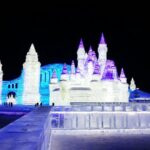
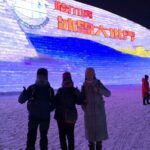
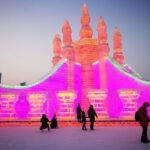
Ice and Snow World is the big-ticket highlight, scheduled for around 3 hours. It’s described as Ice Palace Disneyland, founded in 1999, with food, drinks, and a wide range of entertainments inside. It’s also strongly linked to night viewing, since the lights are a major part of the experience. Admission isn’t included.
Then there’s the broader category sometimes called the Harbin Ice Festival. The tour info notes that the ice festival is often used as shorthand for Ice and Snow World, which makes sense: this is the place many visitors build their whole winter day around. You’ll have about 3 hours for the ice festival component, and admission isn’t included.
If you’re wondering which to prioritize: Ice and Snow World is the concrete, ticketed anchor. The “Ice Festival” wording covers the broader winter event season and related activities. In practice, your guide should help you shape the time so you don’t feel rushed through the areas that matter most to you.
Lao DaoWai: Chinese-baroque old buildings in a short 30-minute walk
Lao DaoWai is scheduled for about 30 minutes. It’s described as the largest reserved area of Chinese baroque building blocks in China. The old houses have a Western look from the outside, but inside they keep a Chinese style.
Admission here is listed as free. That makes it a smart late-day or lighter-energy stop—good for a stroll, quick photos, and a change of pace after heavy ice attractions.
This is also one of the best places for anyone who likes architecture more than big rides. You’ll get a sense of how Harbin blended styles, which fits naturally with the St. Sophia and Sophia Square theme earlier.
Ice lantern show in Zhaolin Park: the centerpiece lighting moment
The tour also includes an ice lantern show held in Zhaolin Park, described as the only ice spot place in central Harbin. The stop is listed as about 1 hour, and admission is free.
Because you’ve already been to Zhaolin Park for ice lanterns, think of this as the “lighting emphasis” version—an extra chance to see the area at its most atmospheric. If your schedule allows, you’ll want your guide to keep you there at the right time of evening.
This stop is also a good “warm up and plan” moment. You can combine short indoor breaks with outdoor viewing without feeling like you’re doing a marathon at -28-level temperatures.
Price and logistics: what you’re paying for (and what you still need cash for)
The price is $200.00 per person for an approximately 8-hour private day tour. What you’re really buying is the combination of:
- Private guide service
- Hotel pickup and drop-off
- Transport by private vehicle or by public bus/taxi (based on your tour option)
That’s value in Harbin winter. Taxis in freezing weather are not fun, and waiting around outdoors drains your day fast. A private plan also cuts down decision fatigue—you follow a route that’s meant to stack key winter sights into one day.
Not included is the big variable: entrance fees. The tour lists roughly RMB 500–1000 per person for attractions, and it warns that most attractions don’t accept credit cards. There’s also a note that international credit cards don’t work; you’ll need local cash and/or WeChat Pay or Alipay.
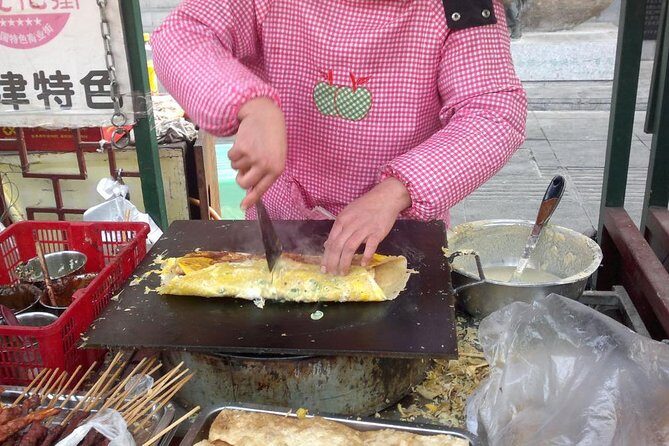
One more practical point: food and drinks aren’t included. For lunch, I’d treat your guide as your best tool. If your goal is local flavor (not just convenience), ask for the kind of meal Harbin is known for—there’s mention of local stewed-in-iron-pot food as a good direction to try.
Practical winter tips that will actually help on the day
First: dress for cold, not for comfort. The tour info says it operates in winter weather conditions, and it explicitly recommends dressing appropriately and wearing comfortable walking boots. I’d plan for wind, wet snow, and slippery sidewalks.
Second: plan your money for the reality on the ground. Prepare RMB 500–1000 per person plus any extra for food. Don’t rely on card payments at the attractions.
Third: use your private guide’s flexibility. Some guides in past trips were praised for making flexible itineraries, like Cathy adjusting the flow. If you find a line, want a longer photo stop, or need a warm break, ask. You’re paying for a private format—use it.
Finally: manage your outdoor time. The swimming show on the frozen Songhua River at around -28 is the kind of thing you don’t want to rush, but you also don’t want to stand around too long. A good guide can help you time what’s worth the wait and what isn’t.
Who should book this Harbin private winter tour?
This is a strong fit if you:
- Want a first-timer day with classic Harbin sights in one go
- Prefer hotel pickup and a warm ride over self-guided cold-weather logistics
- Value explanations and pacing from a private guide, especially if you’re not traveling with fluent Chinese
It’s also a good family option in the sense that the format reduces the strain of figuring out transit while everyone stays warm. The tour info says most travelers can participate, and children must be accompanied by an adult.
One caution: this is described as a Harbin winter classical touristic places private tour. If your goal is going far off-script into lesser-known neighborhoods, be very clear early. One feedback note specifically complained about a mismatch when “less touristic places” were requested. The safest move is to communicate your priorities before the day starts, and keep expectations aligned with the classic winter route.
Should you book this Harbin city private day tour in winter?
Yes—if you want a structured winter day that’s built around Harbin’s biggest ice landmarks, Russian-influenced architecture, and river-side winter spectacle, this is a solid use of time. The private format is the reason: it keeps you moving between highlights without turning your day into cold-weather problem-solving.
I’d especially recommend booking if:
- You’re short on time and want Ice and Snow World plus multiple key landmarks in one outing
- You’re traveling in winter and hate waiting outside for taxis
- You’re comfortable carrying cash and using Alipay/WeChat for paid entry sites
If you’re traveling in a group, the tour also mentions group discounts, which can make it even more tempting. Just plan for the extra entrance fees, and set your expectation that the route is geared toward major winter sights rather than deep local detours.
FAQ
How long is the Harbin City Private Day Tour?
It runs about 8 hours.
What does the $200 price include?
You get a private guide, hotel pickup and drop-off, and transport by private vehicle or public bus/taxi depending on your selected tour option. Admission fees and food are not included.
Are entrance fees included?
No. Entrance fees are listed as roughly RMB 500–1000 per person, and many attractions do not accept credit cards.
What payment methods can I use for attractions?
The tour info says international credit cards don’t work. You should prepare local RMB cash, and you can also use WeChat Pay or Alipay.
Are there two different itinerary styles?
Yes. You can choose between a downtown-focused plan (including a ropeway experience along the river) or a plan that emphasizes Sun Island Snow Festival.
When does Sun Island’s winter season run?
The snow-fair season is listed as 13 December to 5 March.
When is the ice lantern show usually open?
It’s usually open toward the end of December.
What is the cancellation policy?
You can cancel up to 24 hours in advance for a full refund. If you cancel less than 24 hours before the start time, the amount paid isn’t refunded.